
Reviewed · SAPA TREKKING & HOMESTAYS
Sapa: Sapa Mountain View And Villages Trek
Sapa gets under your skin fast, especially from above. This guided trek blends panoramic Muong Hoa valley views with a guided walk through green slopes and Black Hmong villages, plus transfer from your hotel in Sapa center. I especially like the built-in altitude and sightlines, starting around 1,850 meters, and the fact that your local guide explains daily life and customs rather than rushing past everything. The main consideration is that this is proper hiking, so you need good shoes and you should skip it if you have back problems or mobility limits.
You’ll start at 9:30 AM from Sapa center or near Sapa Church, then spend about 6 hours moving between viewpoints, trails, and village stops. Expect orchard paths and mountain air, a village lunch in Hang Da, and a visit to a Hmong house. If rain shows up, you’ll have a raincoat, but the trail can still feel slippery, so go with calm expectations and steady footing.
In This Review
- Key things to know before you go
- Why Ham Rong Mountain and Muong Hoa Valley are the main draw
- Getting there smoothly: the 9:30 AM pickup and the 6-hour flow
- From orchards to 1,850 meters: the trek that sets the tone
- Village life on the mountain side: Sa Seng, Hang Da, and Hau Chu Ngai
- The Hmong house visit: practical context, not a show
- Lunch in Hang Da: fuel with a local setting
- What you get, what you should bring, and how to stay comfortable
- Price and value: what $38 really buys you in Sapa
- Who this trek is for, and who should skip it
- Should you book Sapa Mountain View and Villages Trek?
- FAQ
- What time does the Sapa trek start?
- How long is the experience?
- Where will I be picked up and dropped off?
- What is included in the tour price?
- What should I bring for the hike?
- Who should not take this trek?
Key things to know before you go
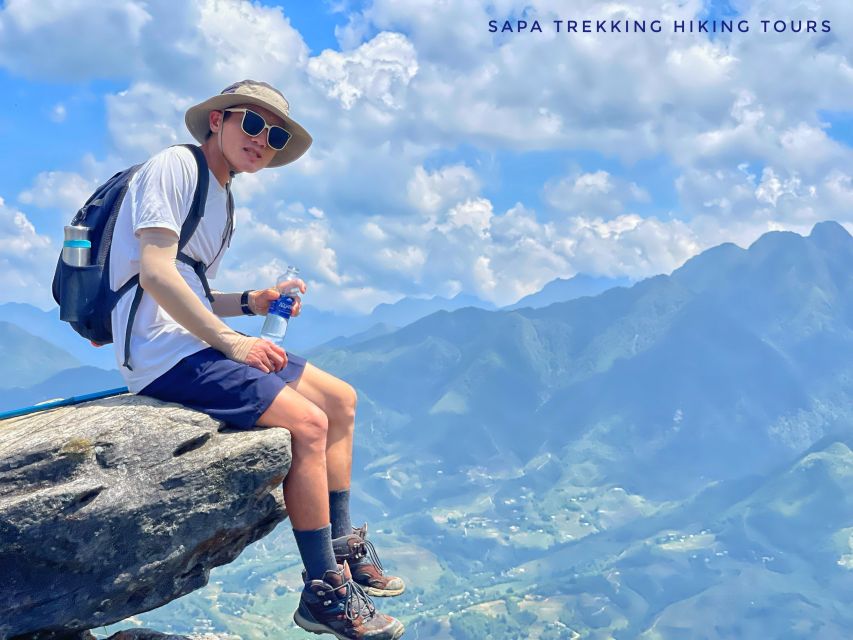
- Ham Rong Mountain viewpoints first, so you get big sky views early in the morning.
- Black Hmong villages on rocky slopes, with time to ask questions about daily life.
- Lunch in Hang Da, served in a local setting after the trek segment.
- 1.5 liters of water plus rain gear, so you are not guessing what to carry.
- A smaller, guided pace with an English-speaking local guide and audio support.
Why Ham Rong Mountain and Muong Hoa Valley are the main draw
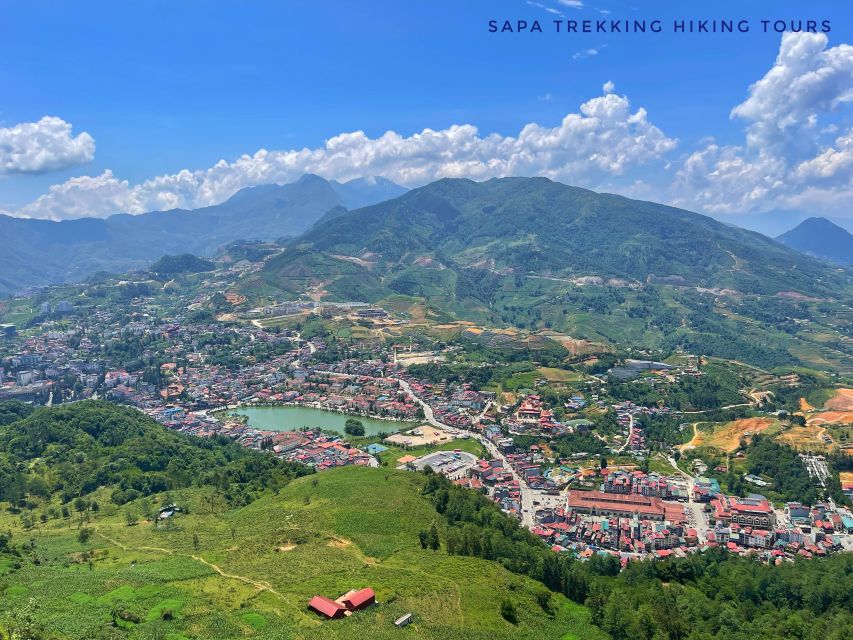
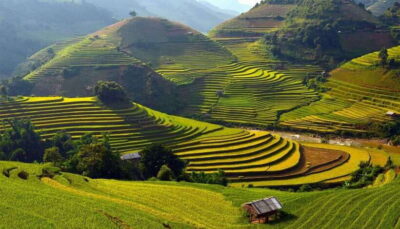
If you like Sapa for more than the town center, this is the part that delivers. From Ham Rong Mountain, you look across Sapa and out toward the Muong Hoa valley, with the Hoang Lien Son range stretching behind it. The tour also includes a clear look at Fansipan peak from the opposite side, which is a big reason people make the trip.
What I like here is that the views are not random photo stops. You follow a route along Ham Rong Mountain, so each turn feels earned: town below, valley far out, and mountains lining the horizon. Even if you have seen pictures of Sapa, the scale reads differently when you’re up there and moving at a human pace.
There’s also a practical bonus: you are not stuck only in cold town streets. You get a mountain walk with natural scenery, orchard sections, and village community time, so it feels like you left the tourist bubble without going to extremes.
More Sapa treks and homestays:
- Sa Pa: Muong Hoa Valley Trek and Local Ethnic Villages
★ 4.6 · 864 reviews - Sapa: Eco Adventure Terrace Fields and Local Villages Trek
★ 4.9 · 636 reviews - From Sapa: 1-Day Guided Trek to Lao Chai & Ta Van with Lunch
★ 4.9 · 416 reviews
Getting there smoothly: the 9:30 AM pickup and the 6-hour flow
This tour is built around an easy meeting point in Sapa. Your guide picks you up at your hotel in Sapa center, or at Sapa Church, then you get a short briefing before heading out.
The schedule is simple: departure around 9:30 AM, then roughly 30 minutes of transfer by coach or bus to get you into the hiking area. You return to Sa Pa afterward, keeping the whole experience around a 6-hour window.
That timing matters because Sapa weather can swing. Going in the morning usually means better visibility for those valley views, and you’re back before your energy dips too hard. If you’re the type who hates late-day logistics, this one stays tight and readable.
One more detail I appreciate: this is a private group format. That generally means you get more flexibility with questions and pacing compared with large group tours, especially during village conversations.
From orchards to 1,850 meters: the trek that sets the tone
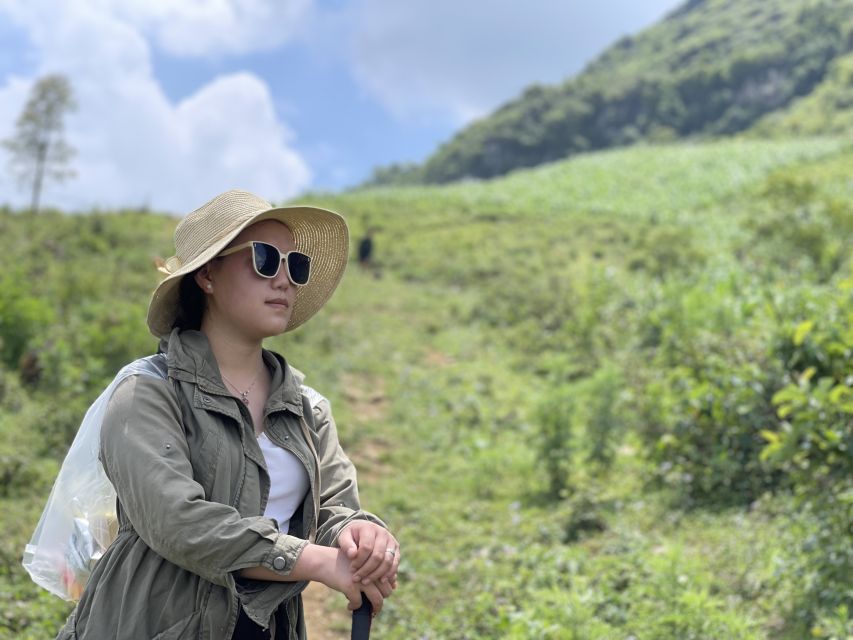
The route starts with a mountain-side descent out of town, then transitions into an orchard stretch. You pass through peach, plum, and corn orchards, which is a nice change from just walking on stone or dirt the whole time. It also helps you warm up gradually before you hit the steeper sections.
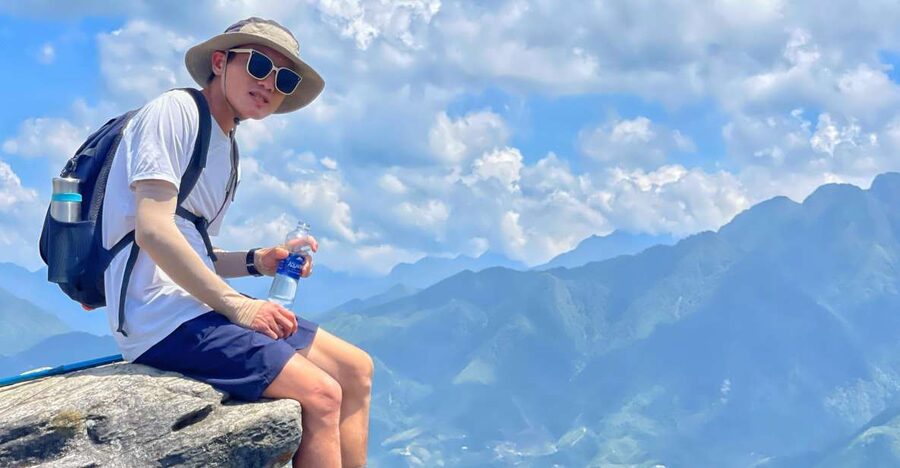
From there, you reach the peak at around 1,850 meters and pause for the kind of sweeping panorama Sapa is famous for. On a clear day, the Hoang Lien Son range reads like layered walls of mountains. Fansipan peak is visible opposite Ham Rong, which adds a sense of place, not just pretty weather.
Then comes the move from lookout to trail. You follow a path along Ham Rong Mountain toward the villages on its side. This is where the hike feels like a working route used by locals and guides, not just a sightseeing track. You still get stops for views, but you also get that steady rhythm of walking and noticing how the land changes.
If you get motion sickness or fatigue easily, consider that you are hiking on uneven ground. This is listed as not suitable for people with back problems or mobility impairments, so take that seriously rather than hoping it will be easy.
Village life on the mountain side: Sa Seng, Hang Da, and Hau Chu Ngai
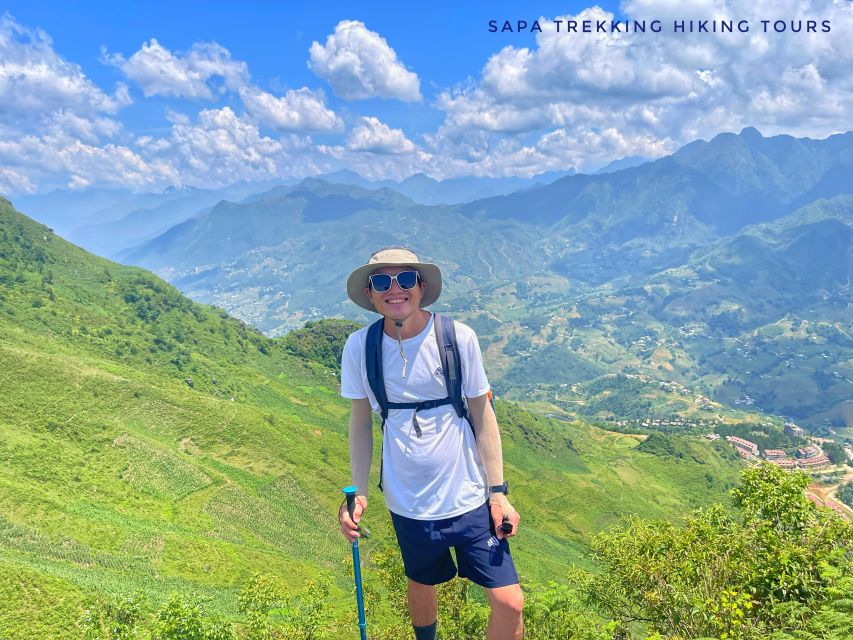
The heart of this experience is the village segment. After taking in the mountain panorama, you head along the trail to small communities on the rocky slopes of the mountain. The villages included are Sa Seng, Hang Da, and Hau Chu Ngai, associated with the Black Hmong ethnic group.
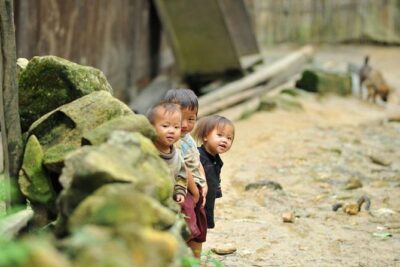
I like that the tour treats these visits as cultural learning, not just a quick photo moment. Your guide shares local customs and traditions and helps you understand what you’re seeing. You also get guided exploration, including time to ask questions about daily life.
You’ll notice the landscape shift as you approach village areas. The rocky slopes mean views and homes feel close together, and that closeness is part of the story of how people live here. It is also a reason your guide’s explanations matter. Without them, you might miss the practical logic behind what looks simple from far away.
More treks around Sa Pa:
- Sapa 1 Day Long Trek: Trek to Hau Thao and Sa Seng Villages
★ 4.6 · 344 reviews - EXPLORE SAPA: 2D1N TREKKING & HMONG CULTURE WITH DINH
★ 4.9 · 191 reviews - Sa Pa: 6-Hours Muong Hoa Valley Trek with Local Ethnic guide
★ 4.5 · 178 reviews - Sa Pa: 2-Day Trekking Trip with Ethnic Minority Homestay
★ 4.7 · 145 reviews
The Hmong house visit: practical context, not a show
You also visit a Hmong house during the tour. This can be one of those stops that makes the rest of the village experience click. Even without detailed cultural background, a house visit helps you connect daily routines to the geography you walked across.
Because your guide is English-speaking, you can usually follow the explanations more easily than on tours where cultural context is vague. If language is your worry, this is one of the tour’s strengths.
Lunch in Hang Da: fuel with a local setting
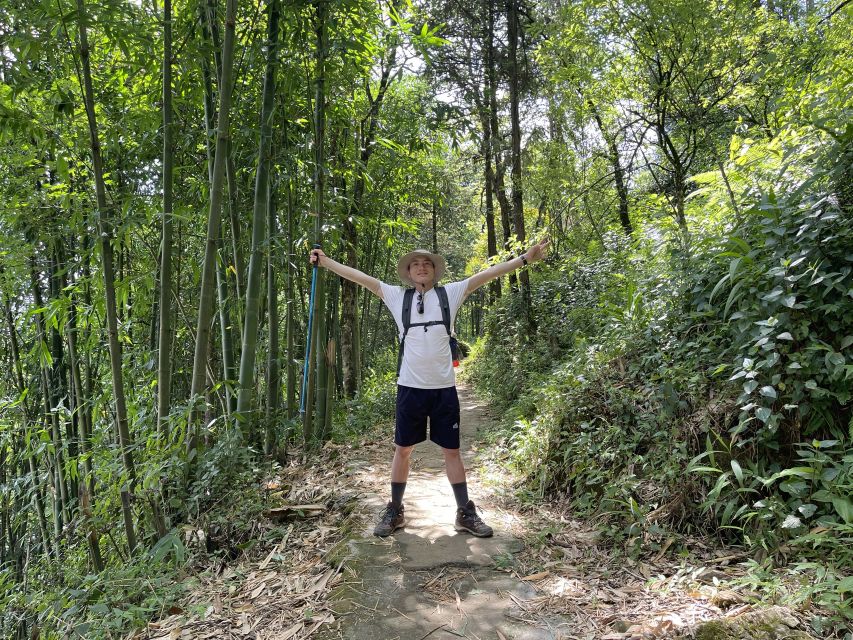
After the trekking segment, you have lunch at a local restaurant in Hang Da village. This is a smart moment in the schedule. By the time you’re eating, you’ve walked enough to feel hungry, but you’re not so tired that you rush the meal.
What I like is that lunch is included, not an optional add-on. You’re not stuck hunting for food in a village area while your guide is dealing with logistics. The tour also provides water, listed as 1.5 liters per person per day, which makes a big difference at altitude and in mountain weather.
Exactly what you eat isn’t specified here, so I recommend going with flexible expectations. You can think of lunch as part of the experience, a chance to slow down and connect the people and place you just walked through.
What you get, what you should bring, and how to stay comfortable
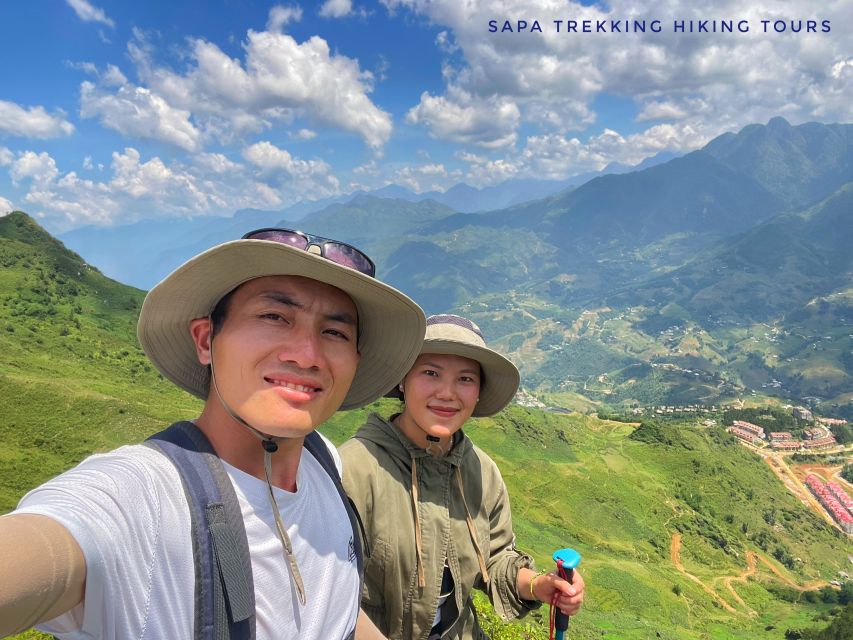
One reason this trek feels good value is that it includes a surprising amount of gear. You get a raincoat per person, plus a hat, a small backpack, and a trekking stick. That means you are not starting from zero if you packed lightly.
Still, you should bring your own comfort basics:
- hiking shoes
- comfortable clothes
- cash
- passport or ID card
- sunscreen
- a good attitude toward uneven paths
The tour explicitly notes that you should not bring luggage or large bags. That’s worth listening to. You want light, easy movement, especially when trails narrow and village areas get crowded.
If you’re sensitive to cold, pack layers even in warm months. Sapa air can feel sharp at altitude, and your body cools faster once you stop moving.
Price and value: what $38 really buys you in Sapa
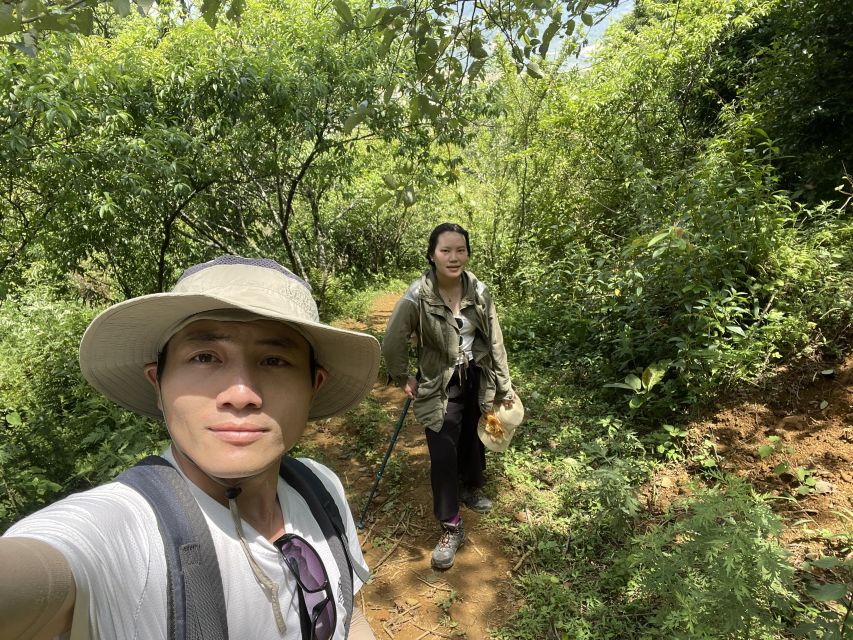
At about $38 per person for a 6-hour guided trek with transfers, you’re paying for the package: pickup and drop-off for hotels in Sapa center, an English-speaking local guide, village entry fees, lunch, and daily water. You also get trekking support items like the stick and raincoat.
In practical terms, you are not just paying for walking. You’re paying for:
- mountain route guidance plus viewpoint timing
- village access and interpretation
- meals and hydration coverage
- transfer so you’re not figuring out transport mid-day
That can be strong value if you want an organized day but still want a real walk. If you already love self-guided trekking and want total control over route timing, you might compare options. But if you prefer a guide to handle village introductions and cultural explanations, this price point is easier to justify.
One cost to remember: tips for guides and driver and extra drinks at villages are not included. If you want to tip, plan a little cash in advance.
Who this trek is for, and who should skip it
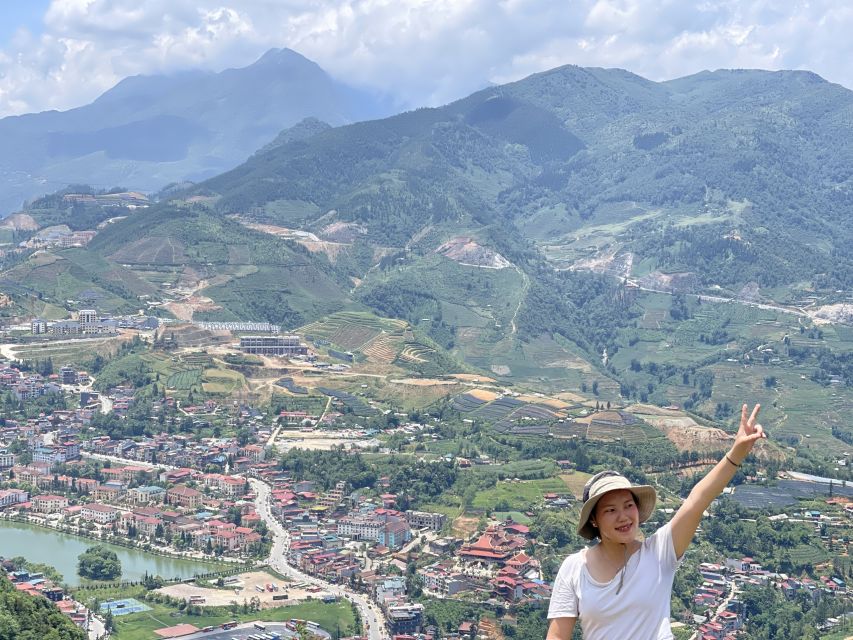
This is a great match for people who want a balanced day in Sapa: views, hiking, and cultural learning in one flow. It suits you if you like asking questions, walking at a steady pace, and spending time in the Black Hmong villages rather than only standing in scenic spots.
It is not listed as suitable for:
- people with back problems
- children under 5
- pregnant women
- people with mobility impairments
Also, you’ll want to be comfortable with a guided hike that involves uneven terrain. The tour is clear that good shoes are required, and that is the biggest deciding factor. If your feet get sore easily, choose supportive footwear and take your time on the rocky sections.
If you’re on a tight schedule in Sapa and you want one solid day outdoors with transfers handled, this is also a good choice.
Should you book Sapa Mountain View and Villages Trek?
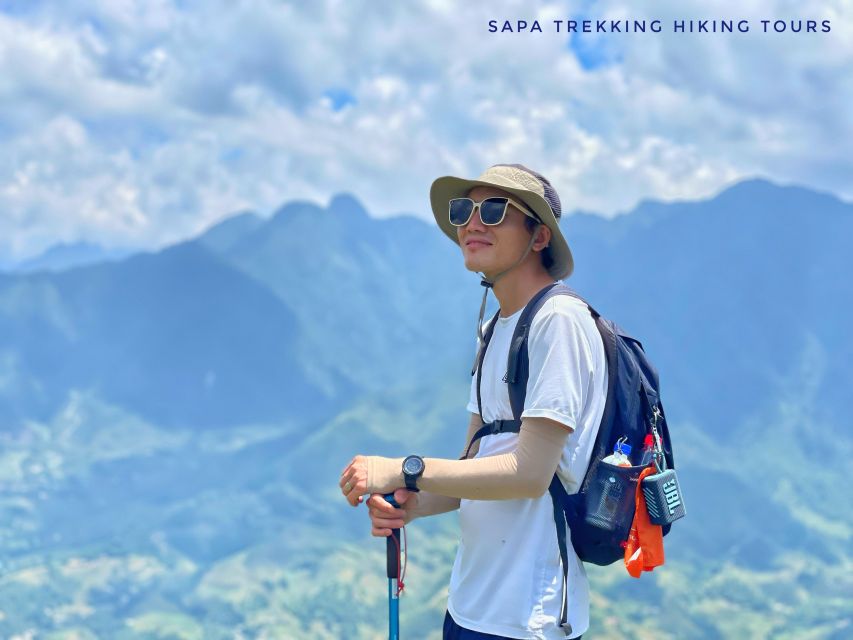
Book it if you want a structured half-day that still feels authentic, with the key ingredients of Sapa: Ham Rong views, Muong Hoa valley panoramas, and village time with an English-speaking guide. The included water, raincoat, lunch in Hang Da, and trekking support gear make it a lower-stress option than piecing everything together.
Skip it if you want an easy stroll with minimal walking, or if you fall into the listed unsuitability categories. In those cases, you would likely feel uncomfortable on uneven mountain ground, and you deserve a better fit.
If you’re trying to decide between sightseeing only and hiking plus cultural context, this trek leans toward the second. For most visitors, that is the day that makes Sapa feel real.
FAQ
What time does the Sapa trek start?
The tour starts at 9:30 AM. Your guide picks you up at your hotel in Sapa center or at Sapa Church.
How long is the experience?
The duration is about 6 hours, including the transfer time.
Where will I be picked up and dropped off?
Pickup and drop-off are included for hotels in Sapa center. You can also meet at Sapa Church.
What is included in the tour price?
The tour includes an English-speaking local guide, village entry fee, lunch in the village, 1.5 liters of water per person per day, visit to a Hmong house, hotel pickup and drop-off in Sapa center, transportation back to Sapa from the last village, plus a raincoat, hat, small backpack, and trekking stick.
What should I bring for the hike?
Bring hiking shoes, comfortable clothes, a hat, sunscreen, cash, and your passport or ID card.
Who should not take this trek?
It is not suitable for people with back problems, children under 5, pregnant women, or people with mobility impairments.
More Hiking & Trekking in Sa Pa
- SAPA: 2-DAY 1-NIGHT TREKKING & CULTURE WITH HMONG GUIDE LINH
★ 4.9 · 126 reviews - Half Day Sapa Trekking to Visit Lao Chai – Ta Van
★ 4.7 · 126 reviews - From Sapa: Waterfalls, Trekking and Tribal Villages Tour
★ 4.6 · 91 reviews - From Sapa: Guided Full-Day Trekking with Lunch and Drop-Off
★ 4.2 · 86 reviews
New listings around Sa Pa
- Sapa: Private The Most Beautiful Terraced Fields Trekking★ 4.8 · 42 reviews
- Sapa: Trekking Sapa One Day With Group Tour★ 4.7 · 55 reviews
- Sapa3D2N TrekkingAdventures,Valleys,Bambooforest,Waterfall★ 4.8 · 24 reviews
- Sapa: Y Linh Ho – Lao Chai, and Ta Van Trekking Day Tour★ 5.0 · 25 reviews
- From Sapa: Guided Full-Day Trekking with Lunch and Drop-Off★ 4.2 · 86 reviews
- Sapa Trekking Private Tour With Ethnic Female Tour Guide★ 4.9 · 24 reviews
- Sapa: Ta Phin Village Trek & Red Dao Herbal Bath★ 5.0 · 22 reviews
- Sapa: Ta Phin Village Trek with Lunch and Bathing Experience★ 4.7 · 13 reviews
Sapa Trekking & Homestays, compared.
Sapa 2 Days 1 Night From Hanoi – Overnight in Ta Van Village
Read our review →
Muong Hoa Valley Trek and Local Ethnic Villages
Read our review →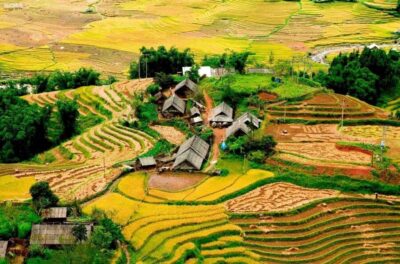
Sapa 3 Days 2 Nights Trekking Tour (1 Night In Ta Van Village, 1 Night In Hotel)
Read our review →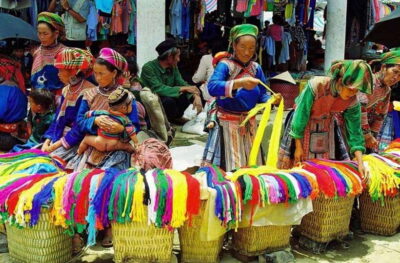
Eco Adventure Terrace Fields and Local Villages Trek
Read our review →
3-Day Trekking Adventure of Sapa from Hanoi – Stay Ta Van Village
Read our review →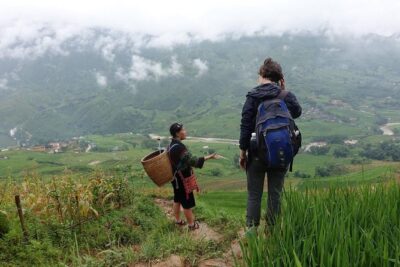
Number one top rated ethical cultural trekking and homestay by ETHOS
Read our review →Browse the lists this tour appears in