
Reviewed · SAPA TREKKING & HOMESTAYS
Sapa: Private The Most Beautiful Terraced Fields Trekking
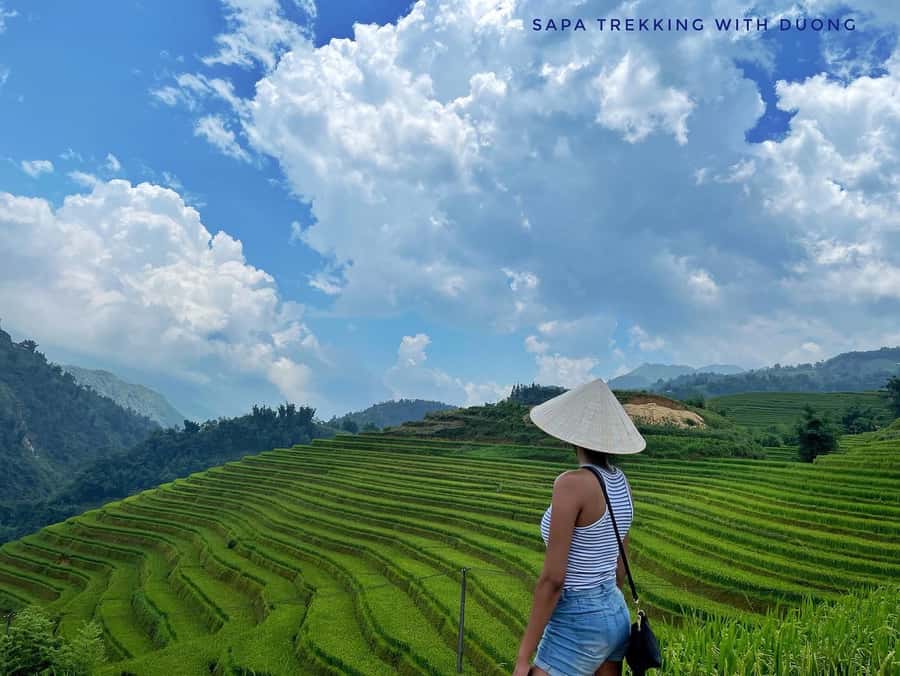
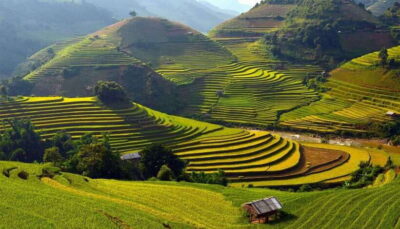
Terraced fields run along the villages. This Sapa private trek strings together Y Linh Ho, Lao Chai, and Ta Van with an English guide and classic mountain rice views. The timing is tight, but the experience feels full because you move through villages that still run on local rhythms, not just tour stops.
I especially like the way the guide connects what you see to daily life, including village traditions you can actually spot along the trail. In particular, I’m a fan of how guides like May Pham and Chu explain the cultures in plain English, while also adjusting pace when needed. I also love that lunch is included and it’s set up for vegetarian and vegan eaters, which makes planning in Sapa much easier.
One real consideration is the selling pressure that can show up on walking paths and at lunch. Some guides do it well, but you may still meet locals trying to sell items in a way that feels pushy, so decide your comfort level before you go.
In This Review
- Key Things to Know Before You Walk the Terraces
- Where This Trek Shines: Terraces Plus Real Village Life
- Pickup at 9:30 and the Short Safety Brief
- The Drive from Sapa Into the Terrace Country
- Y Linh Ho, Black Hmong Traditions, and the Terrace Walk
- Lao Chai Village: Walking Time, Lunch Reset, and Terrace Views
- Ta Van: Photo Stops and Giay Culture Differences
- Price and Value: Is $34 a Fair Deal for a Private Trek?
- Guides, Pacing, and How the Day Feels
- The Selling on the Trail Problem, and How to Handle It
- What to Bring for a Rainy Terrace Walk
- Who This Trek Best Fits (and Who Might Want Another Option)
- Should You Book This Private Terraced Fields Trek?
- FAQ
- What time does the trekking tour start in Sapa?
- How long is the tour?
- What does the $34 price include?
- Is lunch included, and is it vegetarian or vegan?
- What should I bring for the trek?
- Is the tour suitable for wheelchair users or people with back problems?
Key Things to Know Before You Walk the Terraces
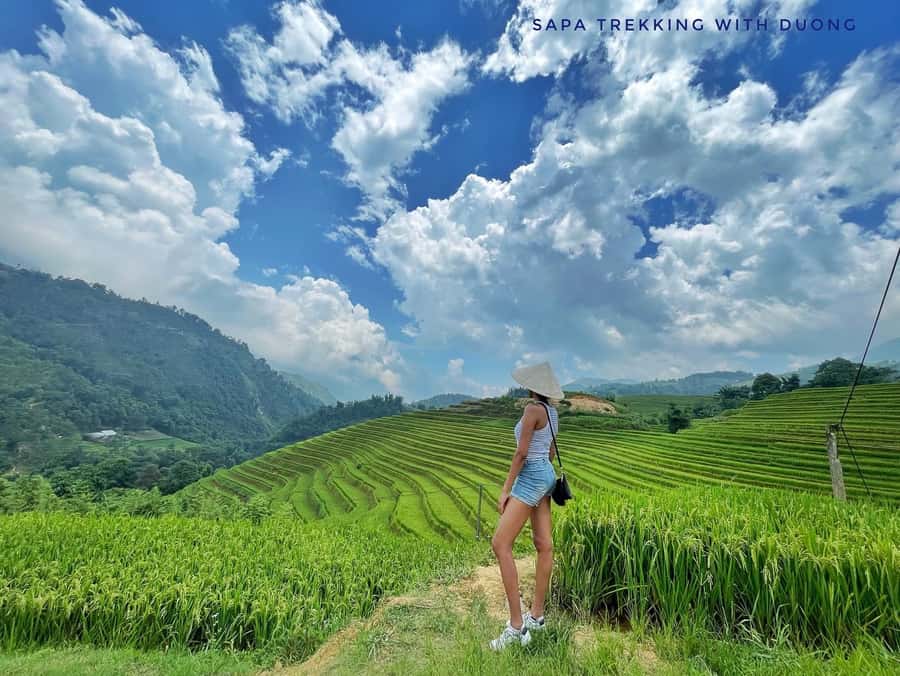
- Three village stops, one continuous trail feel: Y Linh Ho, Lao Chai, and Ta Van are connected by winding lanes that lead you straight into the fields locals watch every day.
- Black Hmong and Giay culture side by side: You’ll learn traditions tied to daily routines, then compare how those traditions differ from village to village.
- Lunch in the village, not at a tourist factory: Vegetarian and vegan meals are provided, so you do not have to scramble for food halfway through.
- You get practical extras for the trek: Water (1.5L per person per day) and raincoats are included, which matters in Sapa’s fast-changing weather.
- A private-group setup with an English guide: Reviews mention guides like May Pham and Chu, with explanations that are easy to follow.
Where This Trek Shines: Terraces Plus Real Village Life
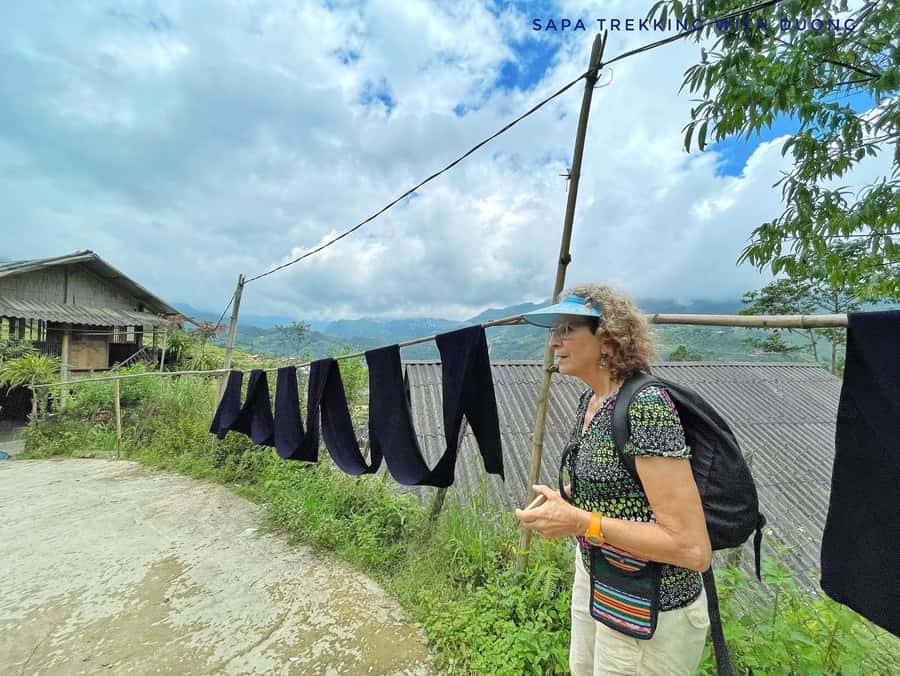
This trekking route is built around a simple idea: the best views in Sapa are tied to people living there. You are not just walking between photo angles. You’re moving from village to village while terraces, fields, and homes stay in the frame.
The highlights are very direct. You see the most beautiful rice terraces, visit three famous ethnic minority villages, and learn about traditional life and customs. That matters because the terraced fields can look similar from far away, but the details change up close, and the guide’s explanations help you notice those differences.
And you’ll feel the “private” side of it. Even with a shared region, private means your guide can keep things moving and answer your questions without repeating the same speech every ten minutes.
More Sapa treks and homestays:
- Sa Pa: Muong Hoa Valley Trek and Local Ethnic Villages
★ 4.6 · 864 reviews - Sapa: Eco Adventure Terrace Fields and Local Villages Trek
★ 4.9 · 636 reviews - From Sapa: 1-Day Guided Trek to Lao Chai & Ta Van with Lunch
★ 4.9 · 416 reviews
Pickup at 9:30 and the Short Safety Brief
Your day typically starts at 9:30 AM. The guide meets you in Sapa center at your hotel. If your place is farther out, you meet at Sapa Church, which acts as the clear rendezvous point.
Once you’re gathered, there’s a short safety briefing, about 15 minutes. It’s not complicated, but it helps you understand how the route works and what to expect in terms of walking conditions. Then you’re off toward the smaller roads that lead away from the main town center and into village paths.
This matters for two reasons. First, Sapa weather can turn fast. Second, the terraces are what you came for, so you want to get out there while your energy is still high.
The Drive from Sapa Into the Terrace Country
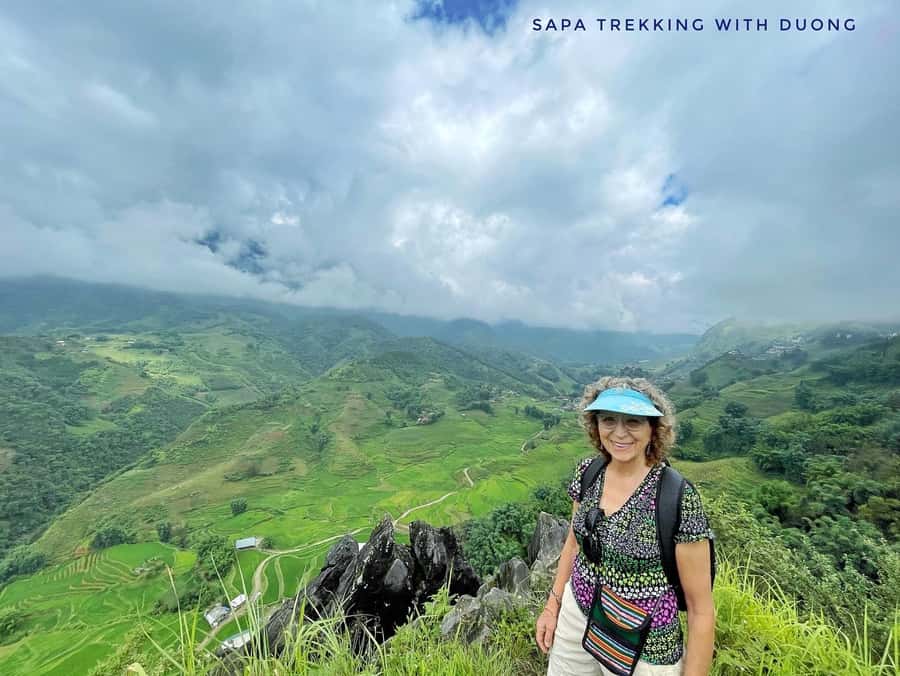
From Sapa town, you travel along small winding roads to reach the villages and their surrounding fields. This is one of those parts that is easy to underestimate. When the car ride is short but focused, you lose less daylight and you arrive on foot while the morning air is still comfortable.
The tour also includes village entry fees. That sounds like a small line item, but it often changes how smoothly the day runs. When entry is handled, you spend less time sorting paperwork and more time walking the paths you actually paid to see.
Y Linh Ho, Black Hmong Traditions, and the Terrace Walk
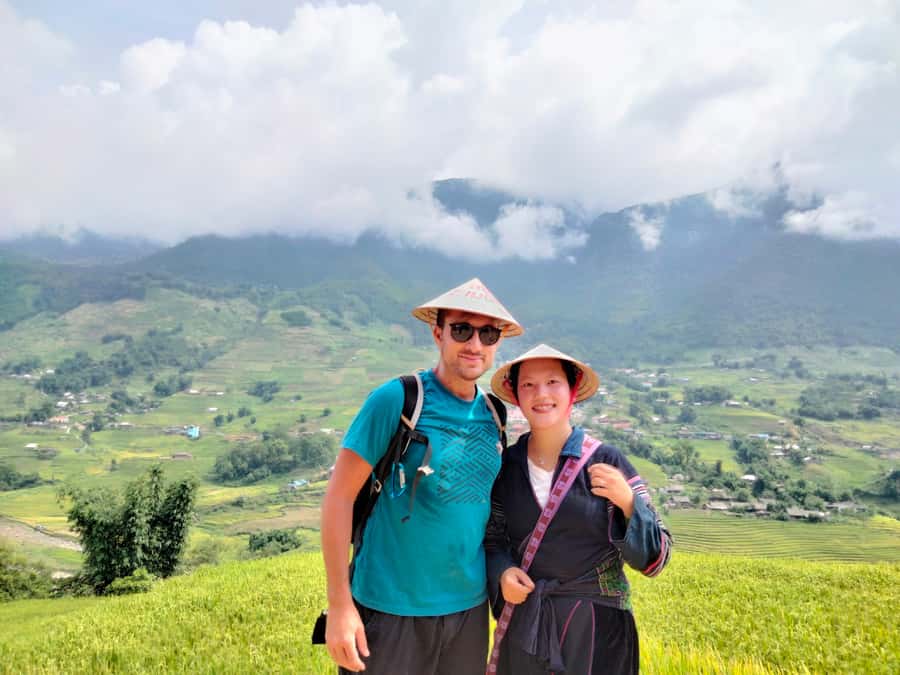
Your first village stop is Y Linh Ho, described as a small, simple village on the mountainside with the Black Hmong community. This is where the trek starts feeling personal because you begin walking along the terraces and seeing how they sit against houses and roadside footpaths.
What makes Y Linh Ho useful is the balance of scenery and culture. You are admiring the rice terraces, but your guide is also pointing out traditional details and explaining what life looks like here. In practical terms, that means you’re not just guessing what you’re seeing. You have a story to attach to the view.
This is also a good moment to take photos, but not in a frantic way. You’ll have plenty of chances later, so use the first stop to get oriented: where the fields stretch, where people cross the lanes, and how the villages relate to the terrace lines.
More treks around Sa Pa:
- Sapa 1 Day Long Trek: Trek to Hau Thao and Sa Seng Villages
★ 4.6 · 344 reviews - EXPLORE SAPA: 2D1N TREKKING & HMONG CULTURE WITH DINH
★ 4.9 · 191 reviews - Sa Pa: 6-Hours Muong Hoa Valley Trek with Local Ethnic guide
★ 4.5 · 178 reviews - Sa Pa: 2-Day Trekking Trip with Ethnic Minority Homestay
★ 4.7 · 145 reviews
Lao Chai Village: Walking Time, Lunch Reset, and Terrace Views
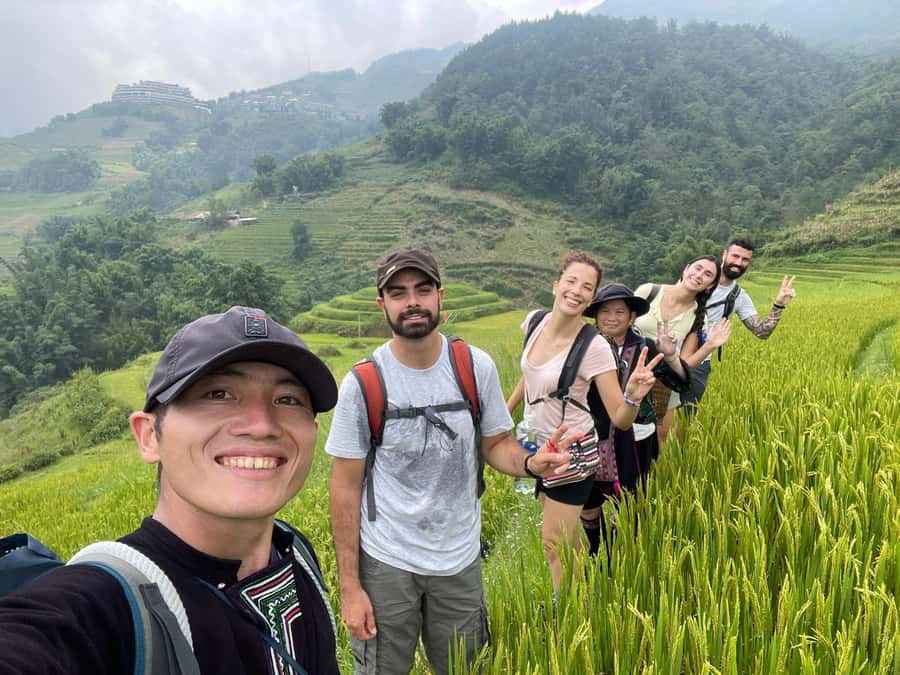
After Y Linh Ho, you continue on to Lao Chai. This part of the trek is built for walking and scenic stops on the way, with time set aside for sightseeing and hiking through the terrace corridors.
Lao Chai is the “workhorse” village on this route, meaning it’s where the day’s rhythm really settles in. You’ll spend substantial time moving through the area, not just stepping off the road for quick pictures. If you like steady progress rather than constant stops, this middle stretch is your sweet spot.
Then comes lunch at a local restaurant in the village area. Vegetarian and vegan meals are provided. In Sapa, that’s genuinely helpful because finding a good non-meat option can take more effort than you expect, especially once you’re already on a trek schedule.
One thing to keep in mind while eating: you may see more selling activity around lunch. Some people are comfortable browsing, others find it distracting. If you want to avoid the stress, set a simple rule for yourself ahead of time: what you’re willing to engage with, and what you’ll politely decline.
Ta Van: Photo Stops and Giay Culture Differences
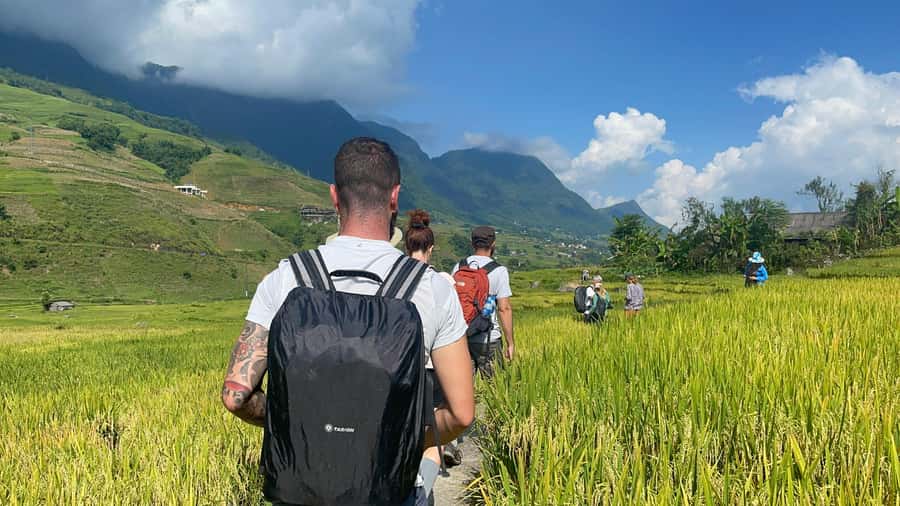
After lunch, the tour moves toward Ta Van. Here, you get a mix of guided sightseeing and time for photos. You’ll also get a more explicit cultural comparison, because Ta Van is associated with Giay culture in the tour description.
This is a smart choice for a half-day trek. Visiting one village is interesting. Visiting multiple villages helps you see how terrace farming and daily life look slightly different depending on the community. It turns the experience from scenery into learning you can carry home.
At Ta Van, you also get the kind of walking that fits most fitness levels, because the focus is on guided exploration and views rather than a single big challenge. The goal is a good mix of photos, context, and a sense of place.
And around 3:00 PM, you head back to Sapa by car. If you’re trying to keep your Sapa schedule tight, this ending time is useful.
Price and Value: Is $34 a Fair Deal for a Private Trek?
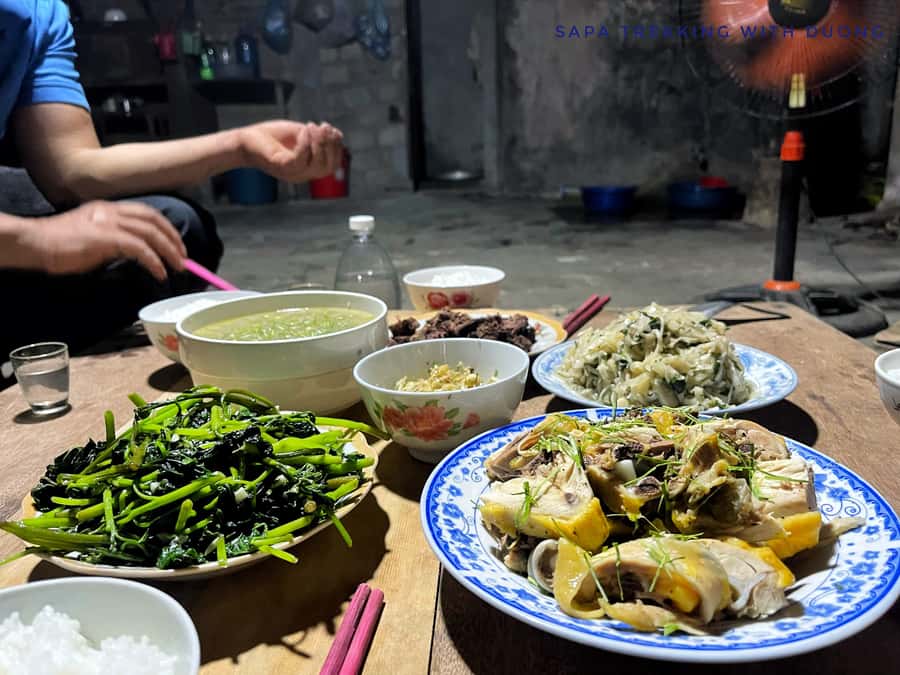
At $34 per person for a private-group experience, the value depends on what you compare it to. This price includes a lot of the day’s cost drivers: pickup and drop-off in Sapa center (or Sapa Church if you’re farther out), village entry fees, a local English-speaking guide, lunch, water, a raincoat, and the vehicle back from the last village.
What you are not paying for in that $34 is also clear: tips for guide and driver, travel insurance, and extra drinks like soda or coffee. That helps you plan your budget without surprise add-ons.
In my view, this price makes sense if you care about two things: (1) getting an English guide who can explain what you’re seeing, and (2) avoiding logistics headaches. The included lunch and water do most of the heavy lifting for you, so you’re not hunting for supplies mid-trek.
If you already have your own driver, lunch plans, and a guide who can explain culture well, then the value drops a bit. But most people booking a terrace trek want exactly that guidance.
Guides, Pacing, and How the Day Feels
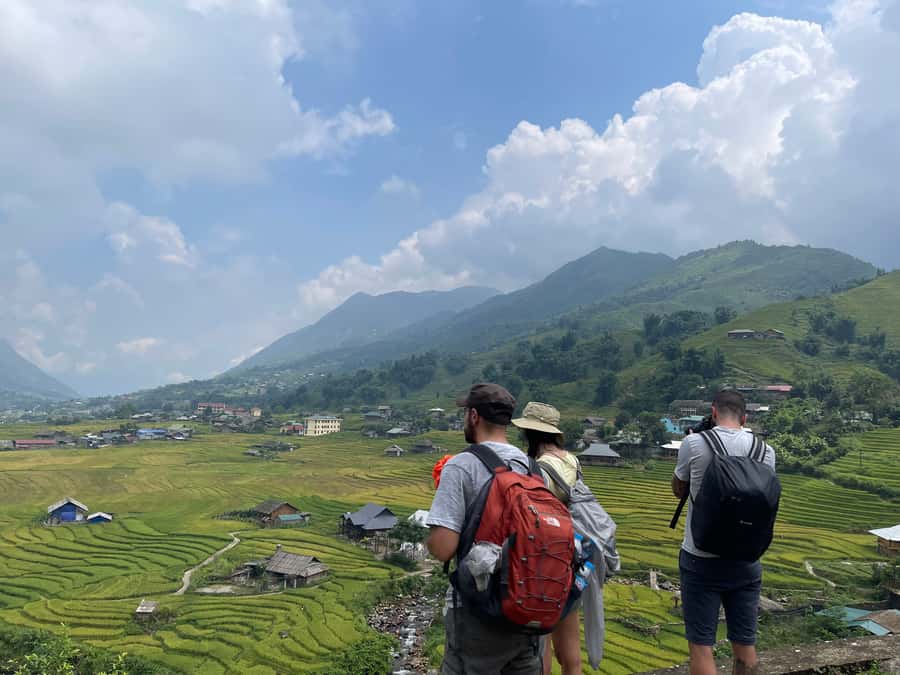
Guide quality can make or break a village trek, especially when walking time is limited. The experience here is consistently praised for friendliness and clarity, with specific guide names showing up in bookings.
For example, May Pham is described as warm and knowledgeable, with explanations that help you understand local life. Chu and Choo also come up as strong guides with excellent English, and one guide even tailored the route pace to match your group’s comfort level.
Pacing is a big deal on a terrace trail. Too slow and you lose the best light. Too fast and you spend the whole time trying to catch up. The guides you’ll meet on this route tend to aim for a brisk but manageable pace, and they adjust when needed.
That matters if you’re traveling with a child. One booking mentions a 3-year-old joining at the family’s slower pace, and the guide helped during the hardest stretch. Officially, children under 5 are listed as not suitable, so if that applies to you, I’d treat it as a “check first” situation rather than something to assume.
The Selling on the Trail Problem, and How to Handle It
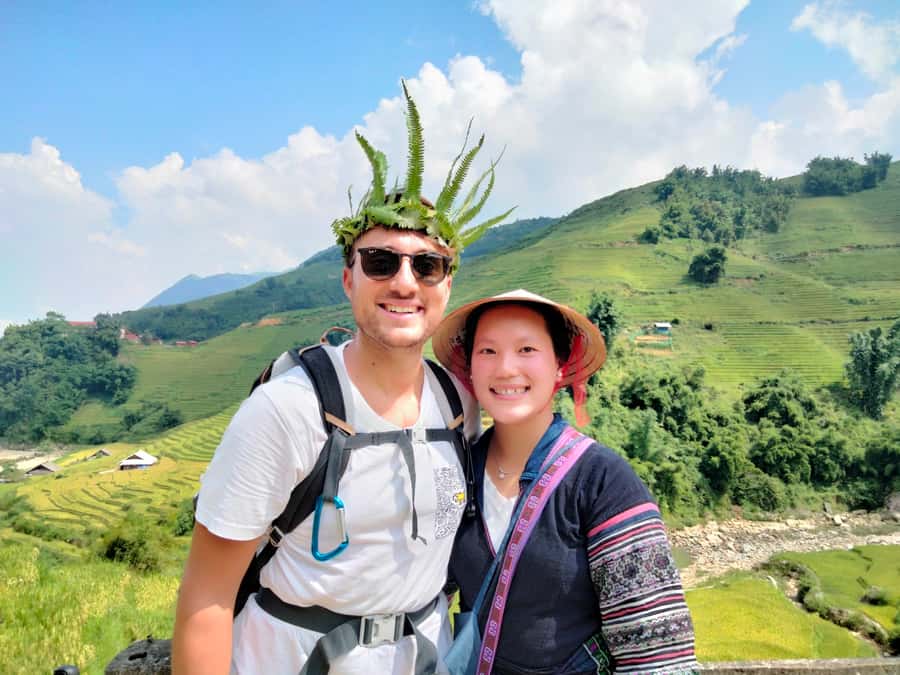
Let’s talk about the thing that can turn a great cultural trek sour: on-path selling. One booking specifically calls out intrusive pressure, including guilt and statements that suggest you’ll have bad luck if you don’t buy. Another mentions lots of women selling items along the way and even at lunch.
Here’s the practical part. You do not have to engage. You can be kind and firm: a short no, a smile, and you keep walking. If you want to support local artisans, consider doing it on your terms. The tour experience itself suggests that the better way to support is through stores and restaurants where you can buy without feeling cornered.
I also recommend a quick mindset shift. Selling is part of the economy in many places around Sapa. The goal of your trek is not shopping. Your goal is terraces and understanding the villages. If selling pressure starts to distract you, protect your day.
What to Bring for a Rainy Terrace Walk
The tour gives you some essentials, but you still need to show up ready. The recommended packing list includes:
- Comfortable clothes
- Sports shoes and/or hiking shoes
- Sunscreen
- Hat
- Passport or ID card
You’re also given a raincoat per person, plus 1.5L of water per person. That’s great because Sapa conditions can change quickly, and dehydration can sneak up on you when you’re walking and staring at fields.
If you run warm easily, dress in layers. If you hate soggy shoes, double-check your footwear. This trek mixes walking lanes and paths near terraces, so your shoes matter more than you might think.
Who This Trek Best Fits (and Who Might Want Another Option)
This trek fits best if you want:
- A half-day plan that covers multiple terrace villages
- An English guide who explains culture, not just history facts
- A schedule that returns you to Sapa around 3:00 PM
It may not fit if you have mobility limitations. The tour is listed as not suitable for wheelchair users, people with back problems, children under 5, and people with mobility impairments. If any of those apply, ask the operator before booking and see whether an alternative route is possible.
If you’re generally healthy and comfortable walking at a steady pace, you should be fine with the included guidance and the route style. Reviews also suggest the guide can adjust the route to match your group’s tempo, which is a big plus.
Should You Book This Private Terraced Fields Trek?
Book it if you want the classic Sapa experience, terraced fields plus village culture, in a schedule that is tight and practical. The included lunch, water, raincoat, and pickup make it a low-stress way to see Y Linh Ho, Lao Chai, and Ta Van with an English-speaking guide. Guides like May Pham and Chu get singled out for friendly, clear explanations, and that’s the kind of value that lasts longer than the photos.
Skip it or ask lots of questions if you dislike selling pressure or you’re not comfortable with constant requests during walking and meals. Also take the physical suitability notes seriously if mobility or back issues are part of your reality.
If you want a trek that feels like a real village visit rather than a rushed circuit, this one is a solid choice, especially at a price level that keeps logistics and meals handled for you.
FAQ
What time does the trekking tour start in Sapa?
The local guide comes to pick you up at 9:30 AM in Sapa center. If you stay far away, the meeting point is Sapa Church, the main church in the center.
How long is the tour?
The duration is 330 minutes, which is about 5.5 hours total, and the plan returns you to Sapa at around 3:00 PM.
What does the $34 price include?
It includes hotel pickup and drop-off (at Sapa center), villages entry fees, a local English-speaking guide, lunch in the village (vegetarian and vegan meal options), water (1.5L per person per day), a raincoat per person, and transportation back to Sapa from the last village.
Is lunch included, and is it vegetarian or vegan?
Yes. Lunch is included, and the tour states it provides vegetarian and vegan meals.
What should I bring for the trek?
Bring comfortable clothes, sports shoes or hiking shoes, sunscreen, a hat, and your passport or ID card. The tour also recommends comfortable shoes for walking.
Is the tour suitable for wheelchair users or people with back problems?
No. The tour is listed as not suitable for wheelchair users, people with back problems, children under 5, and people with mobility impairments.
More Hiking & Trekking in Sa Pa
- SAPA: 2-DAY 1-NIGHT TREKKING & CULTURE WITH HMONG GUIDE LINH
★ 4.9 · 126 reviews - Half Day Sapa Trekking to Visit Lao Chai – Ta Van
★ 4.7 · 126 reviews - From Sapa: Waterfalls, Trekking and Tribal Villages Tour
★ 4.6 · 91 reviews - From Sapa: Guided Full-Day Trekking with Lunch and Drop-Off
★ 4.2 · 86 reviews
New listings around Sa Pa
- Sapa: Trekking Sapa One Day With Group Tour★ 4.7 · 55 reviews
- Sapa3D2N TrekkingAdventures,Valleys,Bambooforest,Waterfall★ 4.8 · 24 reviews
- Sapa: Y Linh Ho – Lao Chai, and Ta Van Trekking Day Tour★ 5.0 · 25 reviews
- From Sapa: Guided Full-Day Trekking with Lunch and Drop-Off★ 4.2 · 86 reviews
- Sapa: Ta Phin Village Trek with Lunch and Bathing Experience★ 4.7 · 13 reviews
- Sapa Trekking Private Tour With Ethnic Female Tour Guide★ 4.9 · 24 reviews
- Sapa: Ta Phin Village Trek & Red Dao Herbal Bath★ 5.0 · 22 reviews
- Sapa One Day Motorbike Tour★ 4.8 · 13 reviews
Sapa Trekking & Homestays, compared.
Sapa 2 Days 1 Night From Hanoi – Overnight in Ta Van Village
Read our review →
Muong Hoa Valley Trek and Local Ethnic Villages
Read our review →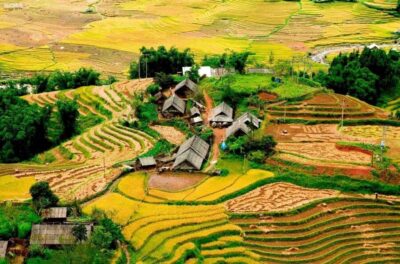
Sapa 3 Days 2 Nights Trekking Tour (1 Night In Ta Van Village, 1 Night In Hotel)
Read our review →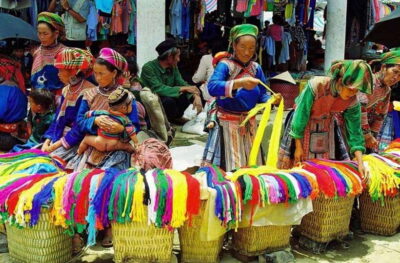
Eco Adventure Terrace Fields and Local Villages Trek
Read our review →
3-Day Trekking Adventure of Sapa from Hanoi – Stay Ta Van Village
Read our review →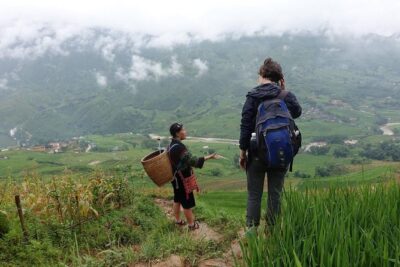
Number one top rated ethical cultural trekking and homestay by ETHOS
Read our review →Browse the lists this tour appears in