
Reviewed · SAPA TREKKING & HOMESTAYS
Sapa 1 Day Long Trek: Trek to Hau Thao and Sa Seng Villages
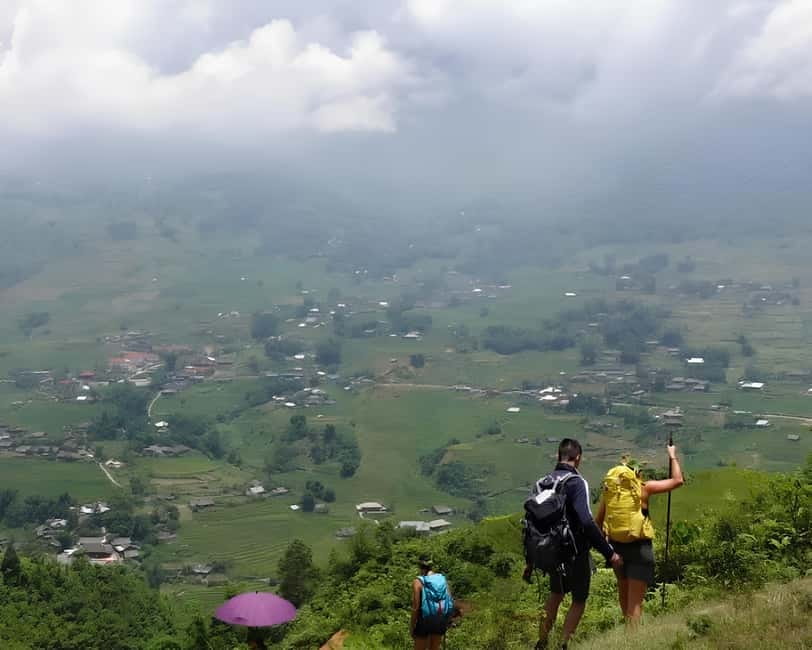
A day hike in Sapa that feels like you left town. This route takes you from the Sa Seng viewpoints down through village trails, to Black Hmong communities, with big valley views when the weather cooperates. My favorite part is the summit panorama on Mount Fansipan’s side of the world, and the second is the home-style lunch that actually fills you up. The main drawback to plan for is that fog and rain can erase distance views and make the trails slippery.
What makes this trek worth your time is the mix of walking effort and real village contact. You start with an uphill climb, then you meet Hang Da and Hau Thao communities, where your guide explains daily life, farming, and house-building. It’s long enough that good shoes matter, and it’s cultural enough that you’ll want to keep your attitude respectful and calm around souvenir moments.
In This Review
- Key highlights at a glance
- Sa Seng to Hau Thao in one day, why this route works
- Your day, step by step: Sa Seng to Hang Da to Hau Thao to Giang Ta Chai
- Sa Seng Mountain: the view stop that defines the day
- Hang Da Village: warm welcome and trail-life details
- Lunch around noon: a family-run meal in the middle of the hike
- Hau Thao Village: seasonal farming and guided cultural talk
- Finish at Giang Ta Chai around 3:30 PM
- Muong Hoa Valley and Mount Fansipan: what you can realistically expect
- Hang Da and Hau Thao: seeing village life the right way
- Lunch at a family-run restaurant: why this stop feels different
- Guide energy and English explanations: the real secret ingredient
- Terrain, timing, and how to not slip on muddy sections
- What $24 gets you, and why it can be good value
- Souvenir moments at the end: expect sales pressure, manage it calmly
- Who should book this trek, and who should skip it
- Should you book the Sapa Sa Seng, Hang Da and Hau Thao trek?
- FAQ
- How long does the trek take?
- Is hotel pickup included?
- Which villages does the trek visit?
- Is lunch included?
- What language is the guide?
- What should I bring?
- What is the difficulty level?
- Is cancellation possible if my plans change?
- Is this trek suitable for kids and older adults?
Key highlights at a glance
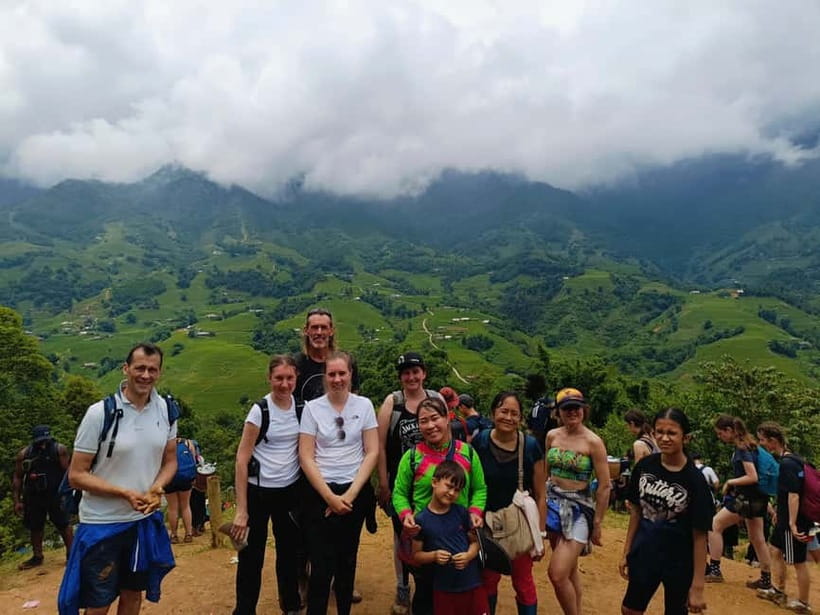
- Sa Seng summit panorama for distant views of Mount Fansipan and a wide Sapa Valley sweep
- Muong Hoa Valley from above with rice-terrace scenery and the big valley setting
- Black Hmong village visits in Hang Da and Hau Thao, plus explanations of traditions
- Animals on the trail like buffaloes, pigs, and horses you may see as you walk
- A family-run lunch at a cozy local restaurant, included and meant to be restorative
- Small-group feel with an English-speaking local guide shaping the day
Sa Seng to Hau Thao in one day, why this route works
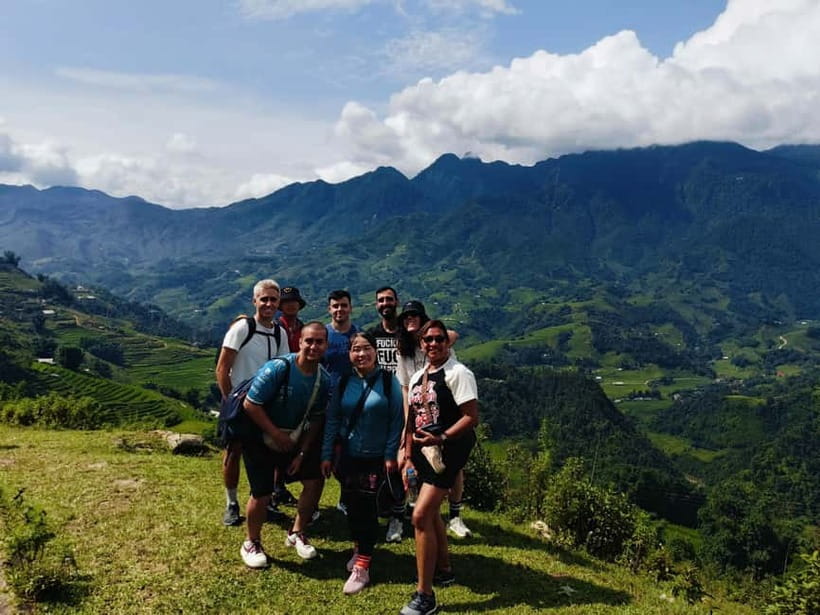
This 1-day trek is built for people who want more than one pretty photo. You get a hard-working first climb up to Sa Seng, then a long, village-to-village day that slows down enough to learn something, not just pass through.
The prize is altitude plus culture. From the top you’re looking down at the Sapa region from a height that makes the valleys and terraces feel enormous. Then you go into Hang Da and Hau Thao, where your guide talks about how Black Hmong families live, farm, and build homes.
More Sapa treks and homestays:
- Sa Pa: Muong Hoa Valley Trek and Local Ethnic Villages
★ 4.6 · 864 reviews - Sapa: Eco Adventure Terrace Fields and Local Villages Trek
★ 4.9 · 636 reviews - From Sapa: 1-Day Guided Trek to Lao Chai & Ta Van with Lunch
★ 4.9 · 416 reviews
Your day, step by step: Sa Seng to Hang Da to Hau Thao to Giang Ta Chai
You’ll start around 9:00 AM with pickup in Sapa Town and a short briefing from your English-speaking local trekking guide. After that, the hike begins with about a 1 km uphill walk along a scenic mountain trail. In roughly an hour, you reach the top of Sa Seng Mountain.
Sa Seng Mountain: the view stop that defines the day
Once you get up there, the goal is big perspective. You’ll take in distant Mount Fansipan (3,143 m, the highest peak in Indochina) and the Sapa Valley spread below you. Your guide will point out what you’re seeing, including the Muong Hoa Valley and the iconic rice terraces.
If the morning is foggy, don’t panic. You might still catch breaks in visibility, and even partial views can help you understand why this area is so famous.
Hang Da Village: warm welcome and trail-life details
After Sa Seng, the route continues downhill toward Hang Da Village. Around lunchtime, this is where the trek becomes more human scale. Expect a warm welcome from the Black Hmong community, and keep your eyes open for free-roaming animals like buffaloes, pigs, and horses.
This part of the day is less about distance and more about movement. You’ll walk through terrain that can feel uneven underfoot, especially after rain, so slow your pace and watch where you place your feet.
More treks around Sa Pa:
- EXPLORE SAPA: 2D1N TREKKING & HMONG CULTURE WITH DINH
★ 4.9 · 191 reviews - Sa Pa: 6-Hours Muong Hoa Valley Trek with Local Ethnic guide
★ 4.5 · 178 reviews - Sa Pa: 2-Day Trekking Trip with Ethnic Minority Homestay
★ 4.7 · 145 reviews - SAPA: 2-DAY 1-NIGHT TREKKING & CULTURE WITH HMONG GUIDE LINH
★ 4.9 · 126 reviews
Lunch around noon: a family-run meal in the middle of the hike
Around noon, you’ll stop for lunch at a family-run local restaurant. This is described as a traditional, home-style meal, and it’s included in the price. I like that it’s timed when you actually need energy, not at some random early stop.
You’ll usually have time to eat, reset, and listen to your guide while the day transitions from climbing to cultural walking.
Hau Thao Village: seasonal farming and guided cultural talk
After lunch, you head to Hau Thao Village, another Black Hmong community in the mountains. Depending on the season, you might see farmers planting or harvesting rice, which makes the cultural stories feel grounded in what you can actually observe.
Your guide also shares how Black Hmong customs work, including marriage rituals, house-building techniques, and rice cultivation. This is one of the most valuable parts of the trek because you’re not just seeing villages, you’re getting context for what you see.
Finish at Giang Ta Chai around 3:30 PM
The trek wraps up around 3:30 PM in Giang Ta Chai village. At that point, a vehicle picks you up and transfers you back to Sapa Town. The timing is long enough to feel like a full day outdoors, but it also keeps you from being stuck walking in the dark.
Muong Hoa Valley and Mount Fansipan: what you can realistically expect
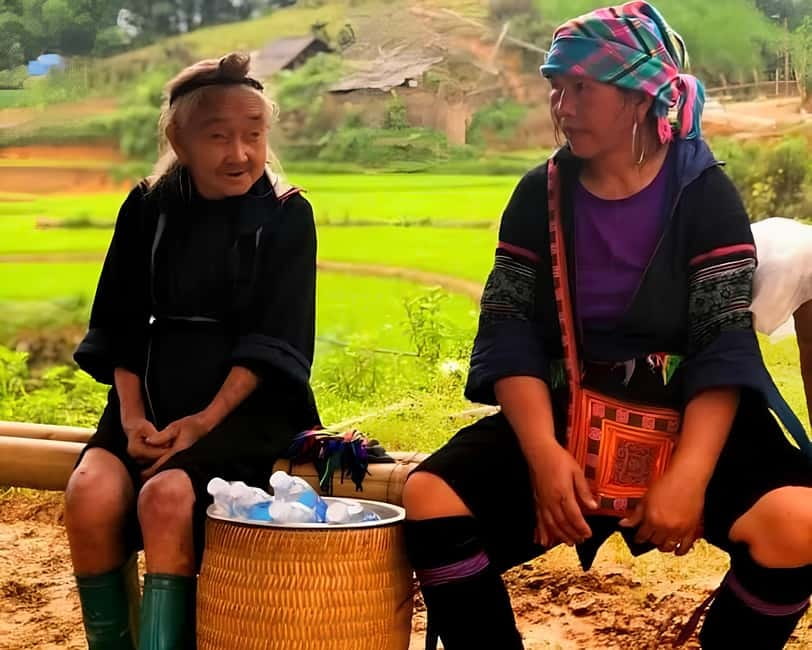
This trek promises distant views of Mount Fansipan from Sa Seng, plus an “above the valley” perspective of the Muong Hoa area. That means weather matters. On clear days, your views can be breathtaking; on foggy mornings, the view can shrink to what you can see through the mist.
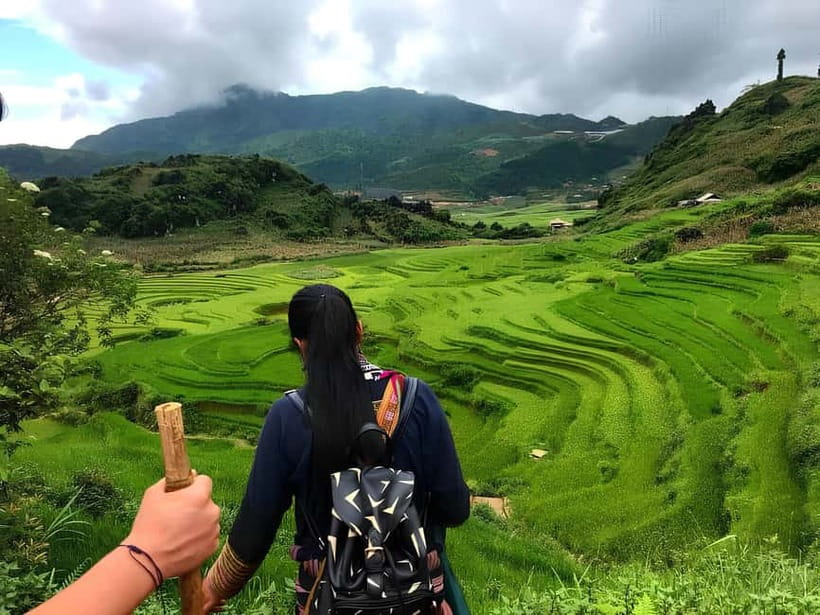
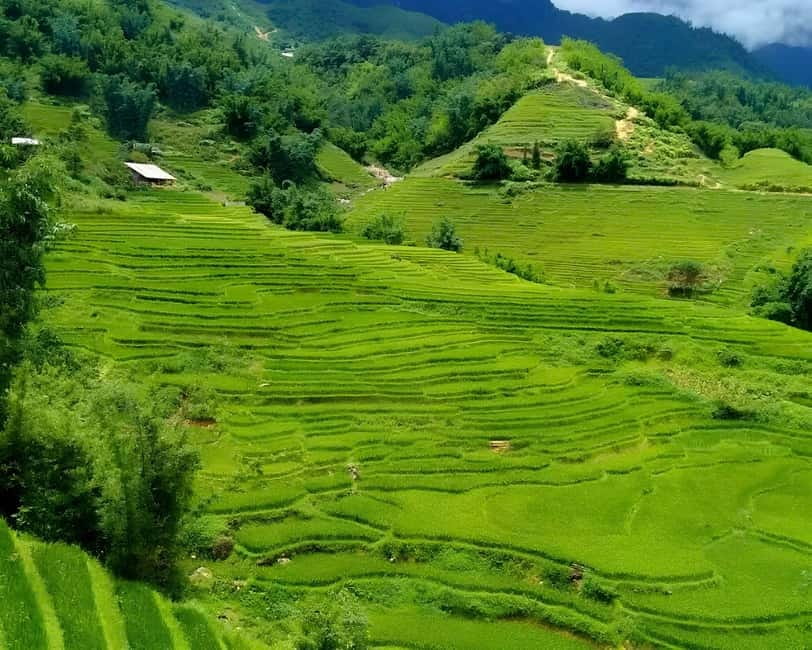
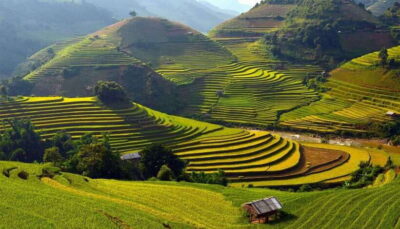
Even if visibility isn’t perfect, you’re still walking through a dramatic river-valley setting. From higher points along the route, rice terraces look like layered patterns carved into the hillsides.
Two practical tips help your odds:
- Go slowly at the top. People rush and miss how the terrain and terraces “stack” together.
- Keep your camera ready, but also look with your eyes for the big shapes first.
Hang Da and Hau Thao: seeing village life the right way
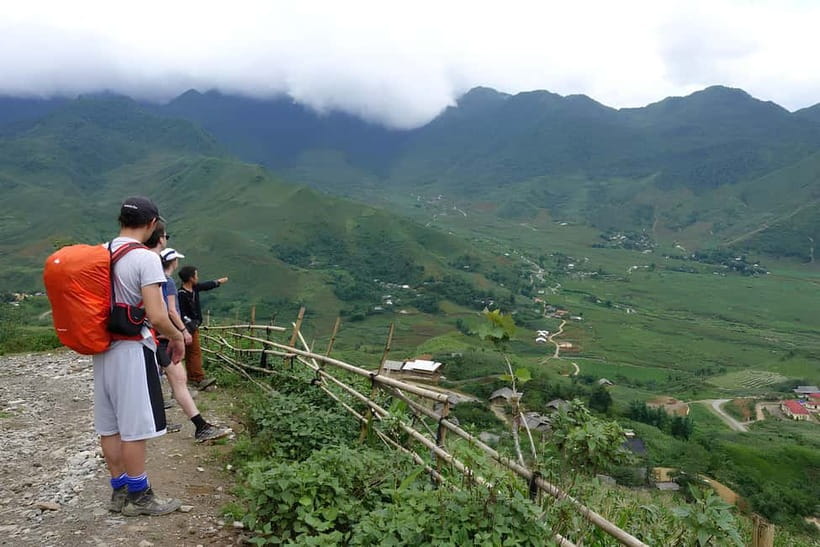
You’ll visit Black Hmong communities in Hang Da and Hau Thao, and your guide explains day-to-day life as you walk. That cultural layer is the reason this doesn’t feel like a simple sightseeing walk.
Your guide’s topics can include farming, house-building, and community customs. This matters because Sapa can turn into a photo circuit fast. Here, the explanation helps you notice small details you’d otherwise miss, like how agricultural work shapes daily routines.
Also, you may see farm animals around the trail. It’s not a zoo moment, it’s just how life runs in this part of the mountains.
Lunch at a family-run restaurant: why this stop feels different
The included lunch is one of the anchors of the day. It’s described as home-style, served at a family-run local restaurant, and placed around noon so you’re not starving when the cultural walking begins.
In the experience notes, the lunch gets repeated praise for being enjoyable and substantial. I take that as a signal that you shouldn’t treat lunch like a snack. Plan on it being your main meal for the hike, and consider saving your energy for the afternoon segment after you eat.
If you have dietary needs, you’ll want to check with the operator before you go. The tour data doesn’t list menu options, so assumptions are risky.
Guide energy and English explanations: the real secret ingredient
This is a “guide-led” trek, not a self-guided path with a phone app. You’ll have an English-speaking local trekking guide (English and Vietnamese language support is listed), and the experience is shaped by how your guide tells the story of the villages.
From the provided guide-name examples like Mao, Su, Zo Zo, Tung, Vang, La, Pang, and Chili, a pattern shows up: guides tend to be upbeat, funny, and patient, and they’re willing to answer questions as you walk. That matters because weather and terrain can make a long day feel stressful if you’re left to guess.
If you’re the type who likes learning on the move, this is a big plus. The guide isn’t just pointing out scenery, they’re explaining what you’re looking at, from rice farming to the logic behind house-building.
Terrain, timing, and how to not slip on muddy sections
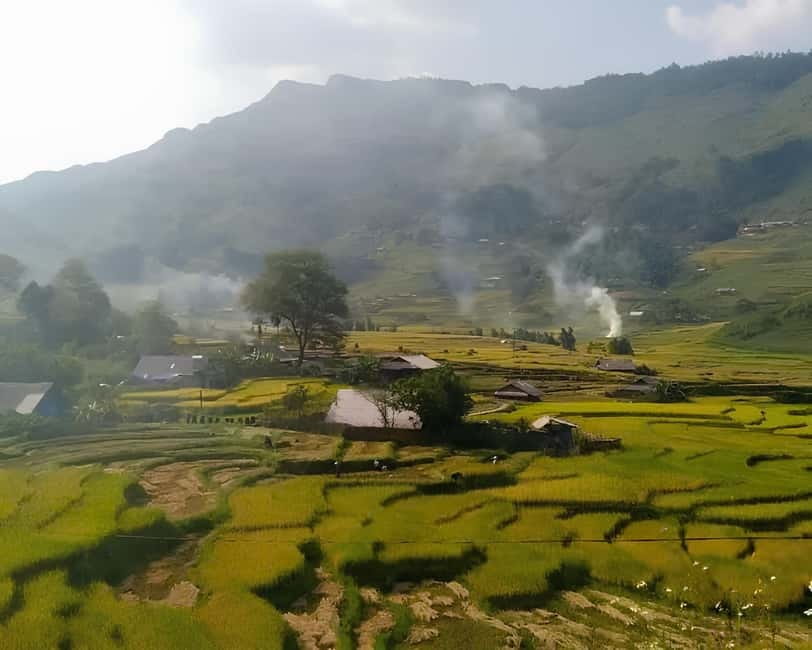
The trek is described as moderate with some challenging parts. The itinerary starts with uphill effort, and the route includes mixed terrain along with downhills afterward.
A few things to expect:
- The start includes a steady uphill climb, about an hour to reach the top after the initial 1 km walk.
- In wetter conditions, bamboo and forest sections can get muddy and slippery.
- The day can feel physically demanding even when the pace is steady, especially if you’re not used to elevation gain.
If it rains, you may still go, but traction becomes your priority. The trek notes list what to bring, like sunglasses and a sun hat, but footwear choice is just as important. Based on the experience examples, some guides may provide gum boots in rain, but I still recommend proper hiking shoes you trust on wet ground.
Also watch the trail edges in downhill stretches. A few reviews described steep or slippery walking near the end, which is exactly when fatigue starts messing with your balance.
What $24 gets you, and why it can be good value
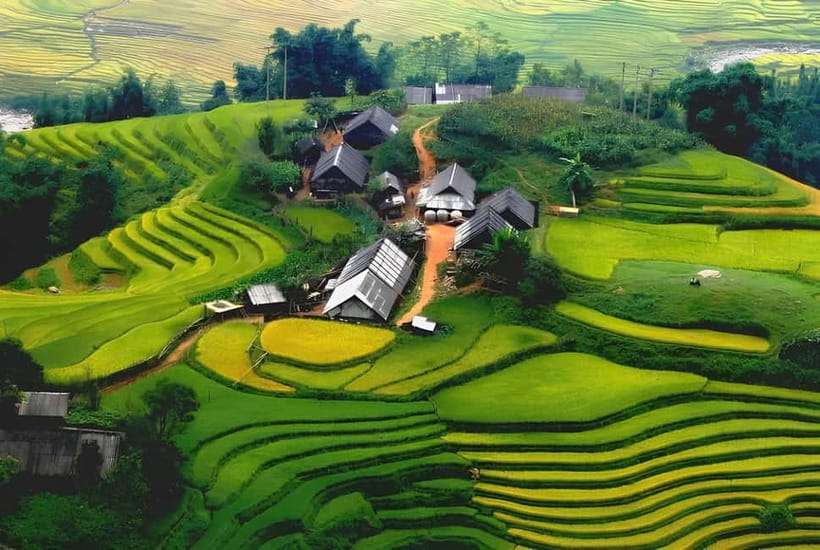
At $24 per person, this trek is positioned as a budget-friendly way to get a full day of guiding, transportation, village access, and lunch. And that’s the key point about value here, it’s not only about the walk.
Your included basics are important:
- Hotel pickup and drop-off in Sapa Town
- Private transportation back after the trek
- An English-speaking local trekking guide
- Village and trekking route entrance fees
- Traditional lunch at a local family-run restaurant
- Bottled water during the trek
If you only have limited time in Sapa and want a structured day with cultural explanations, this can be a strong deal. You’re paying to bundle logistics so you spend your energy on the hike and the villages.
Souvenir moments at the end: expect sales pressure, manage it calmly
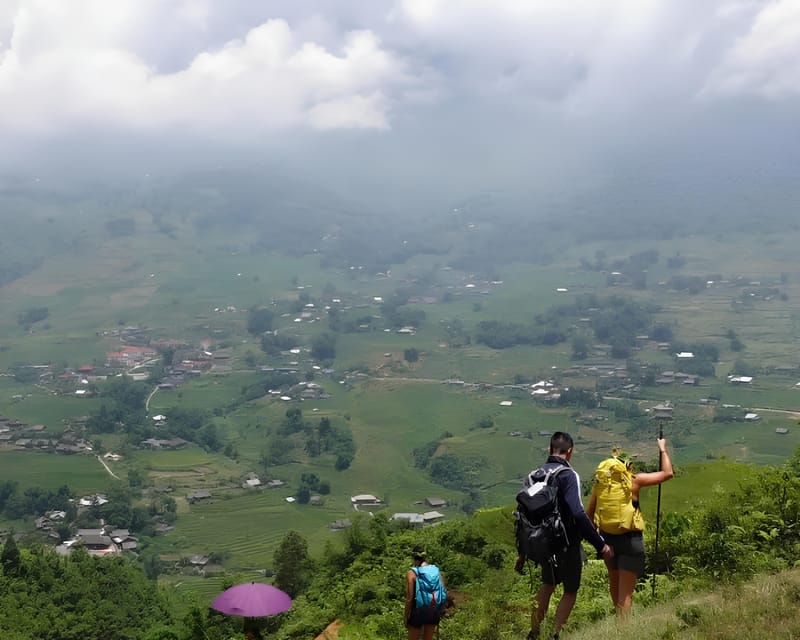
One caution that comes up is that local women may follow trekking groups and then ask to buy items at the end of the walk. This seems to happen often enough that it’s worth building in a mental plan.
My advice is simple:
- Decide ahead of time whether you want to buy something.
- If you do, bring small cash so you can be fair and quick.
- If you do not, be polite and firm, then move forward.
This is one of those “cultural contact” realities in tourist trekking areas. Your best approach is respectful, not reactive.
Who should book this trek, and who should skip it
This is a great match for you if you like active days, want valley viewpoints, and also care about learning village life. It’s also a smart choice if you can only do one day of hiking in Sapa.
It may not be for you if you have mobility limits or significant health risks. The tour data lists that it’s not suitable for people with mobility impairments, wheelchair users, people with heart problems, and those with altitude sickness. It also sets age limits, including not suitable for people over 80, and not suitable for children under 2, under 3, and under 4 (separate listed categories).
If you’re sensitive to long uphill starts and slippery trails in rain, take that seriously. The day can be fun, but it’s still a hike.
Should you book the Sapa Sa Seng, Hang Da and Hau Thao trek?
I’d book it if you want a real one-day mountain experience with views, village visits, and an included lunch that keeps you going. The fact that the guide work gets repeated praise, including energetic guiding and clear cultural explanations, is a strong signal that you’ll come away with more than photos.
Skip it or choose another option if weather has you nervous and you’re not comfortable with muddy, slippery trail conditions. Also be realistic about effort, this is not a flat stroll.
If you go, bring cash, plan for weather shifts, and wear shoes you trust. Then enjoy the ride as the day moves from Sa Seng’s height to the quieter life of Hang Da and Hau Thao.
FAQ
How long does the trek take?
The duration is listed as 7 to 10 hours.
Is hotel pickup included?
Yes, hotel pickup and drop-off in Sapa Town are included, as long as your location is in Sapa Town.
Which villages does the trek visit?
You’ll trek through Sa Seng, then visit Hang Da and Hau Thao villages, and the trek finishes in Giang Ta Chai.
Is lunch included?
Yes. You get a traditional lunch at a family-run local restaurant.
What language is the guide?
The tour lists guides in English and Vietnamese.
What should I bring?
Bring sunglasses, a sun hat (and an additional hat is listed), and cash.
What is the difficulty level?
The hike includes a moderate uphill section at the start and uneven terrain. In some conditions, sections like bamboo forest can become muddy and slippery.
Is cancellation possible if my plans change?
The tour offers free cancellation up to 24 hours in advance for a full refund.
Is this trek suitable for kids and older adults?
It is listed as not suitable for children under 2, under 3, and under 4, and also not suitable for people over 80. It also lists several health and mobility exclusions.
More Hiking & Trekking in Sa Pa
- Half Day Sapa Trekking to Visit Lao Chai – Ta Van
★ 4.7 · 126 reviews - From Sapa: Waterfalls, Trekking and Tribal Villages Tour
★ 4.6 · 91 reviews - From Sapa: Guided Full-Day Trekking with Lunch and Drop-Off
★ 4.2 · 86 reviews - From Sapa: Terrace Fields and Local Villages Trek with Lunch
★ 4.3 · 77 reviews
New listings around Sa Pa
- Sapa: Private The Most Beautiful Terraced Fields Trekking★ 4.8 · 42 reviews
- Sapa: Trekking Sapa One Day With Group Tour★ 4.7 · 55 reviews
- Sapa3D2N TrekkingAdventures,Valleys,Bambooforest,Waterfall★ 4.8 · 24 reviews
- Sapa: Y Linh Ho – Lao Chai, and Ta Van Trekking Day Tour★ 5.0 · 25 reviews
- From Sapa: Guided Full-Day Trekking with Lunch and Drop-Off★ 4.2 · 86 reviews
- Sapa: Ta Phin Village Trek with Lunch and Bathing Experience★ 4.7 · 13 reviews
- Sapa Trekking Private Tour With Ethnic Female Tour Guide★ 4.9 · 24 reviews
- Sapa: Ta Phin Village Trek & Red Dao Herbal Bath★ 5.0 · 22 reviews
Sapa Trekking & Homestays, compared.
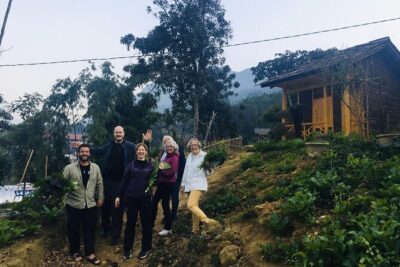
Sapa 2 Days 1 Night From Hanoi – Overnight in Ta Van Village
Read our review →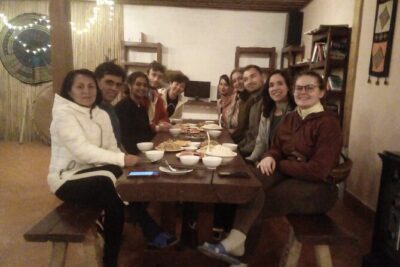
Muong Hoa Valley Trek and Local Ethnic Villages
Read our review →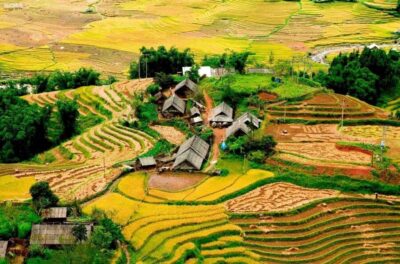
Sapa 3 Days 2 Nights Trekking Tour (1 Night In Ta Van Village, 1 Night In Hotel)
Read our review →
Eco Adventure Terrace Fields and Local Villages Trek
Read our review →
3-Day Trekking Adventure of Sapa from Hanoi – Stay Ta Van Village
Read our review →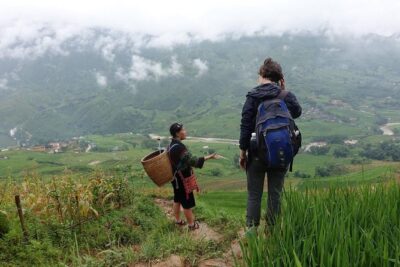
Number one top rated ethical cultural trekking and homestay by ETHOS
Read our review →Browse the lists this tour appears in