
Reviewed · SAPA TREKKING & HOMESTAYS
From Sapa: Waterfalls, Trekking and Tribal Villages Tour
Two waterfalls, then real village trails.
This half-day loop out of Sapa blends Silver Waterfall and Love Waterfall with Tram Ton Pass scenery, then moves into a trekking day through rice paddies and tribal villages where you get to meet the Hmong and Red Dzao people. I like how the day stays human-scale, with time to slow down for photos, plus a picnic lunch shared with locals. One thing to plan for, though, is that the walking time can run longer or feel steeper than the headline 4-hour trek, depending on route and conditions.
The biggest win for me is the mix: big sights early, then an on-foot cultural route instead of a drive-by. You get an English-speaking guide and a small group (up to 15 people), which helps the day feel calmer and more conversational. If you hate uneven paths or tight timing, this is still doable, but you’ll want solid hiking shoes and an easy mindset for Sapa trails.
In This Review
- Key highlights to keep in mind
- Silver and Love Waterfalls: The Hoang Lien National Park start
- Tram Ton Pass: Why that stop matters more than it sounds
- Ban Khoan to the tribal trails: Rice paddies, corn fields, and steady climbing
- Meeting the Hmong and Red Dzao: What you’re really learning on the trail
- Ta Phin Village and the Red Dzao home visit
- Picnic lunch with locals: The meal that makes the day
- Pace and difficulty: Plan for hills, photos, and variable weather
- Price and value: Is $72 a fair deal?
- Guides, small-group energy, and why it matters for your day
- Tips for getting the most out of your waterfall and village day
- Should you book this Sapa waterfalls and tribal villages tour?
- FAQ
- What waterfalls and pass are included in the tour?
- How long is the whole experience?
- How much trekking will I do?
- Which tribes or villages will we meet?
- What is included in the $72 price?
- What should I bring for the trek?
- Is this a small-group tour?
Key highlights to keep in mind
- Hoang Lien National Park waterfalls: Two classic stops, Silver Waterfall first, then Love Waterfall
- Tram Ton Pass views: A scenic reset before the trek starts
- A real village hike: About 4 hours on foot and roughly 15 km through rice paddies and mountain trails
- Ban Khoan to Ta Phin: Walking through Hmong and Red Dzao areas, ending with a Red Dzao home visit in Ta Phin
- Picnic lunch with locals: A chance to eat together and learn daily life details
- English guidance and photo help: Guides like Lisa, Cu, Lan, Sue, and A are known for friendly explanations
Silver and Love Waterfalls: The Hoang Lien National Park start
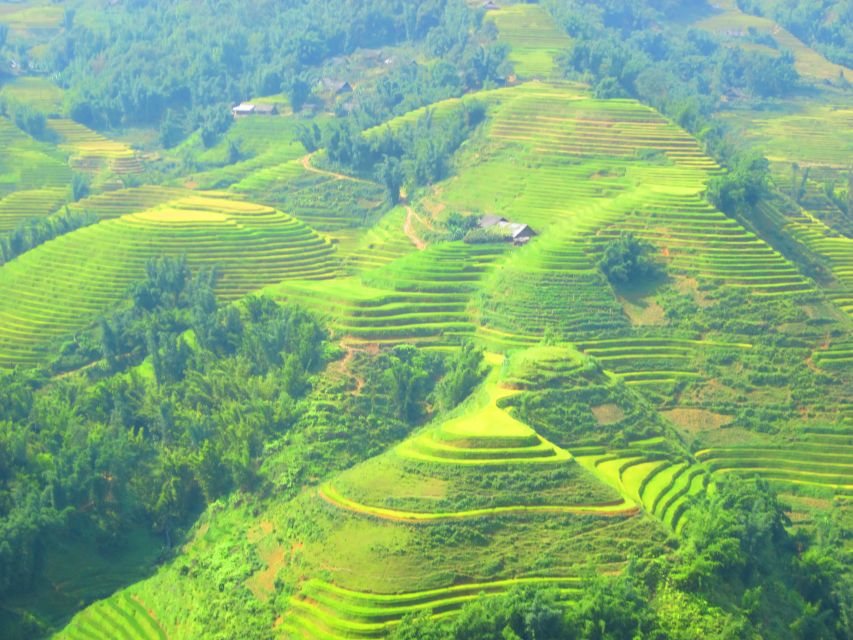
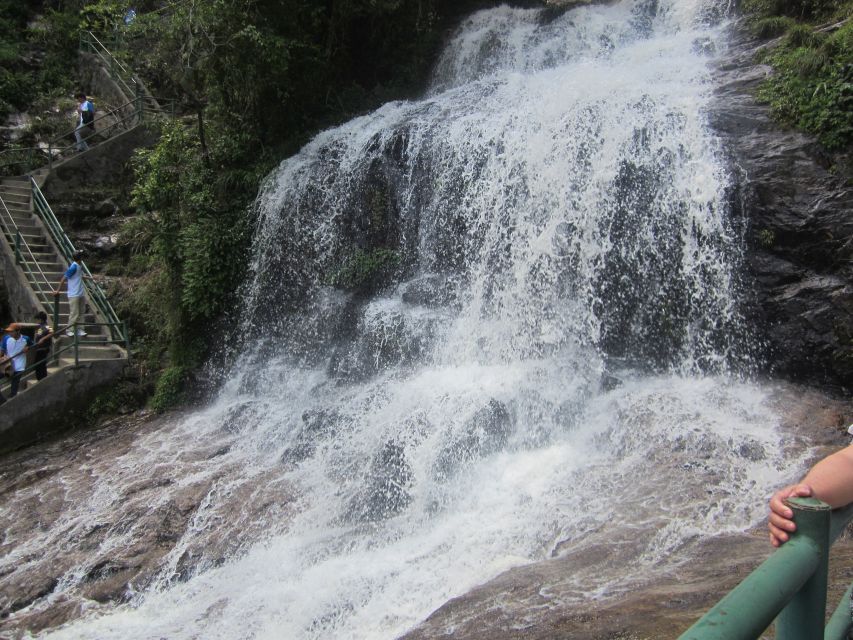
Sapa’s waterfalls can be hit-or-miss depending on weather, so I love that this tour treats the day as a nature-and-community combo, not just waterfall boxes to tick. You start with a drive of about 30 minutes from Sapa Town, then head into Hoang Lien National Park for two stops: Silver Waterfall and Love Waterfall.
Silver Waterfall is often the first big “wow” moment. Even when visibility is hazy, the sheer drop and surrounding greenery can still feel dramatic. On wetter days, the falls can look much more forceful, and one guide-led day was specifically described as huge after a period of rain. That’s a useful mental note: if you get cloudy skies, the shapes can look softer, but water volume can still make the experience memorable.
Love Waterfall is the second highlight, and it’s typically where the scenery turns more photogenic. The trail and viewpoints between stops are part of the experience, not just the waterfall itself. One key thing to know is that waterfall legs can include extra climbing up and down, and while the total trek later is the main workout, those early climbs can warm you up quickly.
If your idea of a “waterfall visit” is mostly flat walking, adjust your expectations. This is outdoors time, with steps and slopes. The tradeoff is you get closer to the waterfalls and their surroundings, not just a quick lookout from a distance.
More Sapa treks and homestays:
- Sa Pa: Muong Hoa Valley Trek and Local Ethnic Villages
★ 4.6 · 864 reviews - Sapa: Eco Adventure Terrace Fields and Local Villages Trek
★ 4.9 · 636 reviews - From Sapa: 1-Day Guided Trek to Lao Chai & Ta Van with Lunch
★ 4.9 · 416 reviews
Tram Ton Pass: Why that stop matters more than it sounds
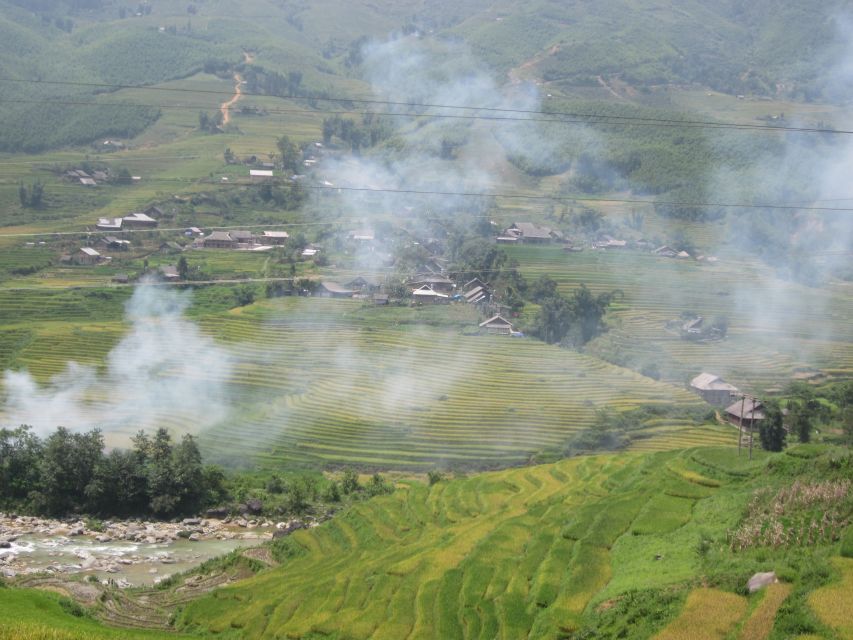
Between the waterfalls and the village trek, you’ll also pass through Tram Ton Pass. On paper, it’s just a location name. In practice, it’s a breathing space that helps you reset mentally before the 4-hour hike.
Think of Tram Ton Pass as the visual warmup. You’re moving from valley waterfalls into a mountain-trail day, and a pass stop usually means higher viewpoints and broader sightlines. When conditions are clear, you’ll get that classic northern Vietnam mountain panorama. When weather turns foggy, it can still be atmospheric, just less crisp for distant rice-field views.
Either way, the pass helps with logistics too. You’re not thrown straight onto rough trails immediately. It’s a chance to take a few photos, get your bearings, and make sure you’re dressed for the next part of the day.
Ban Khoan to the tribal trails: Rice paddies, corn fields, and steady climbing
After exploring the waterfall area and the pass, the route heads toward Ban Khoan Village, where the trek begins. From there, you can expect about 4 hours of walking and a distance around 15 km (about 9.3 miles). That distance matters less than the reality of mountain paths: uphill sections, downhill sections, and uneven ground.
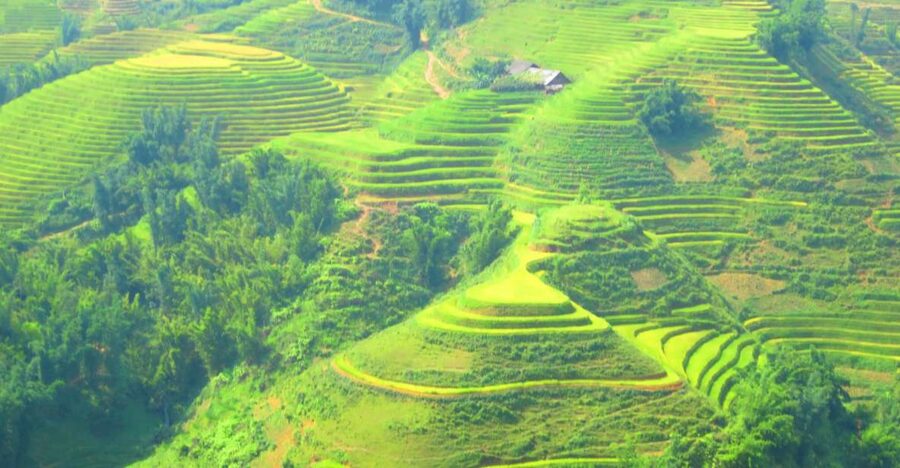
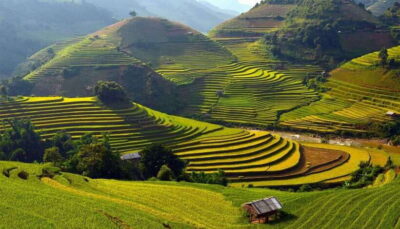
The most praised part of this trek is how it balances scenery with culture. You don’t just walk past fields. You walk through them, watching rice paddies and seasonal crops change the colors of the hillsides as you move. One description called out a bamboo forest and corn fields as part of the route between villages, which matches the way the area often changes from patch to patch as elevation shifts.
You’ll also be walking through remote-feeling village areas rather than only the most tourist-developed spots. That matters if you want authentic contact and a chance to ask questions, not just purchase souvenirs on a loop.
How hard is it, really? Reviews point to a moderate difficulty overall, but there’s an important nuance: some days the timing and energy demand don’t match the brochure wording. One account suggested the trekking route between villages could feel like it takes longer than advertised, with significant climbing and descending. My practical take for you: treat this as an active half-day hike with real elevation, not a gentle countryside stroll.
What helps most is pace. With a group limited to about 15 people and an experienced guide, you usually get stops for photos and explanations. Guides are also known for making small route choices feel personal, including letting you pick among routes when possible. If your group wants a slightly different balance of views versus walking, ask early and go with your guide’s recommendation based on conditions that day.
Meeting the Hmong and Red Dzao: What you’re really learning on the trail
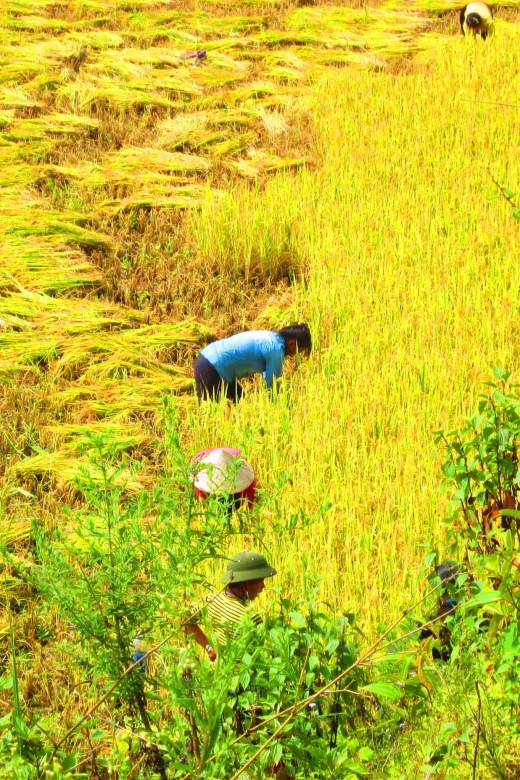
This tour is built around meeting and understanding local ethnic communities, especially the Hmong and Red Dzao. You’re not just looking at houses. You’re walking into day-to-day rhythms and then sitting with people at lunch to hear how culture shows up in daily choices, including textiles.
One of the most glowing parts in the guide stories is how they connect visual details to lived tradition. People noted explanations about cultural traditions passed down over generations, and they also highlighted textile work as something they came away remembering. That’s the difference between a sightseeing stop and a guided human conversation: the guide provides context so what you see makes sense.
A good sign for your day is whether your guide encourages respectful curiosity. Guides you might hear about by name include Lisa, Cu, Lan, Sue, and A. Across those accounts, the common thread is that they’re friendly, story-based, and happy to answer questions in English. That makes a difference if your Vietnamese is limited and you want to avoid feeling like you’re just passively following.
One consideration: you should plan to be a guest, not a spectacle. Wear modest, clean clothes, keep your phone use respectful, and ask before taking close-up pictures. The more you slow down and ask simple questions, the more likely you’ll get a meaningful exchange.
More treks around Sa Pa:
- Sapa 1 Day Long Trek: Trek to Hau Thao and Sa Seng Villages
★ 4.6 · 344 reviews - EXPLORE SAPA: 2D1N TREKKING & HMONG CULTURE WITH DINH
★ 4.9 · 191 reviews - Sa Pa: 6-Hours Muong Hoa Valley Trek with Local Ethnic guide
★ 4.5 · 178 reviews - Sa Pa: 2-Day Trekking Trip with Ethnic Minority Homestay
★ 4.7 · 145 reviews
Ta Phin Village and the Red Dzao home visit
After trekking through village areas and fields, you’ll reach the home of the Red Dzao tribe in Ta Phin Village. This is the final village focal point before you head back toward Sapa.
Why this stop works: it gives your day a clear narrative arc. You start in nature with waterfalls, transition at Tram Ton Pass into mountain terrain, and then end with a community setting where you can compare what you saw on the trail with how people live.
What to expect here is not a scripted performance. It’s more about seeing daily life and learning from the guide’s explanations while you stand in real domestic space. The tour format supports a calm vibe, and one description said the village walk felt relaxed, with lunch as the main built-in activity rather than a long list of forced experiences.
If you’re sensitive to crowds or very touristy interaction, this end portion can feel more grounded, especially when your guide keeps the pace human and doesn’t rush you through.
Picnic lunch with locals: The meal that makes the day
The included picnic lunch is one of the biggest value boosters on this tour. It’s not just food, it’s a moment to slow down and learn. You break from walking and eat in a village setting, often prepared by locals with your guide coordinating.
A few practical notes based on what you might encounter:
- Lunch typically includes a spread that was described as delicious and substantial.
- Vegan dietary needs were accommodated for at least one participant, which is a strong sign. If you have a dietary preference, tell your guide or booking contact in advance if the operator allows it.
- The meal can be sandwiches or a local spread, depending on how the day’s pacing and lunch timing falls.
Also, water is covered. You’ll receive two bottles of mineral water per person, which matters on a day where you’re out in sun, mist, and hills.
If you’re the type who usually skips lunch on tours, don’t. This is the part that turns the day from a hike into a cultural exchange. You can still get photos during the meal breaks, but the best use of time is to listen, ask questions, and let the guide connect the dots for you.
Pace and difficulty: Plan for hills, photos, and variable weather
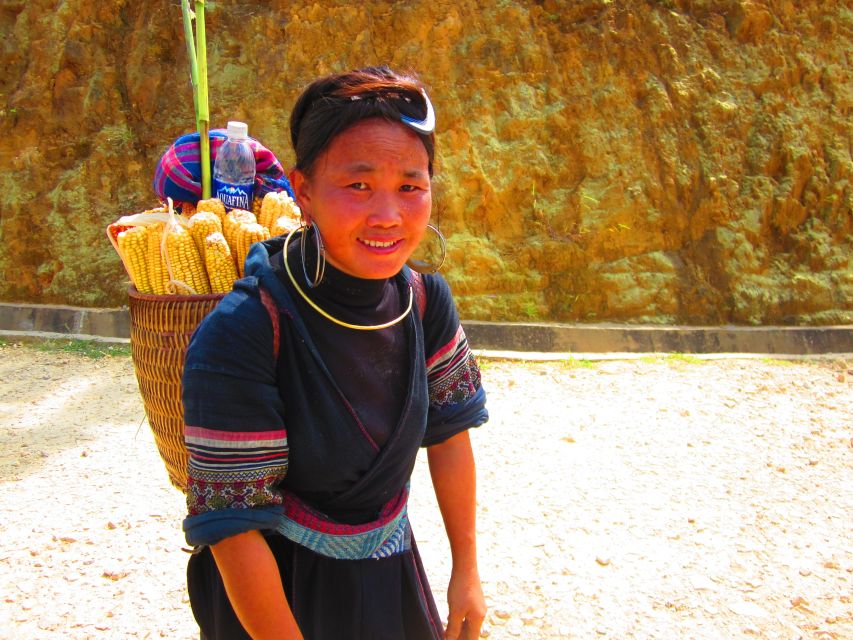
Sapa can surprise you. Even on a “simple” half-day schedule, fog and rain can change visibility fast. One day was described as foggy, affecting rice-field views, but the guide adapted by keeping the day interesting and still getting great photos when the weather cleared even slightly.
Here’s how to plan your body:
- Wear comfortable clothes you don’t mind getting dusty. You’ll be on mountain paths.
- Use hiking shoes with grip. Some parts can feel slippery after damp weather.
- Bring layers. In cold months (November to March), warm clothing is recommended.
- Expect sweat even if it’s cool at first. Several guides and hikers point out that you warm up once you start climbing.
Weather gear to pack is spelled out clearly: insect repellent, sunscreen, a raincoat, a sun hat, and a small daypack. I’d treat that as a checklist, not suggestions. In the north, you can get sun bursts, then cloud cover, then drizzle.
Finally, timing is worth respecting. Some accounts said the tour was longer in practice, especially the trekking segment. The route length may not always match a perfect clock. So if you’re trying to catch a strict dinner reservation or a specific train, leave a little cushion. Use the tour as the focus of your morning or afternoon, not a quick add-on.
Price and value: Is $72 a fair deal?
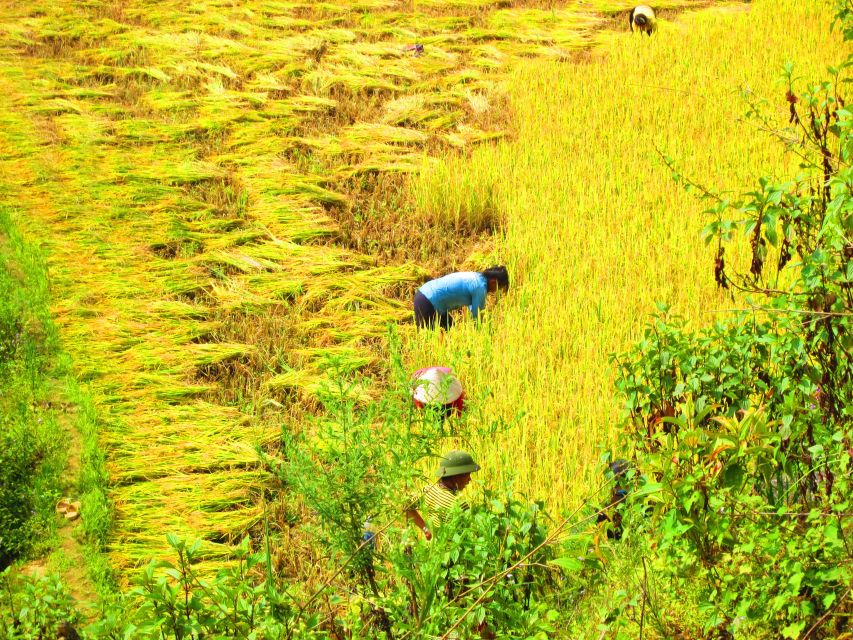
At $72 per person, this tour lands in the “you’re paying for convenience plus guidance” category. The price is easier to justify when you look at what’s included.
You get:
- An English-speaking guide
- All entrance fees
- Private car transfer from your hotel area
- Picnic lunch
- Two bottles of mineral water
- A small group limit of up to 15 participants
- A skip-the-ticket-line benefit
What that means for you: you’re not scrambling for transport, you’re not arranging paid entrances, and you’re not handling village navigation alone. For an experience that combines waterfalls, pass viewpoints, and a long walking section, that guidance saves time and stress.
Also, a lot of the “value” here is intangible. Guides can explain what you’re seeing as you walk. They can help pace the group. They can also tweak the route when possible, like letting you choose between route options early on. That flexibility turns the $72 from a fixed itinerary into a more adjustable outing.
If you’re traveling with your own private driver and you’re comfortable mapping village paths yourself, you could probably DIY some of this. But if you want the cultural context plus a structured day with lunch handled, the price feels fair.
Guides, small-group energy, and why it matters for your day
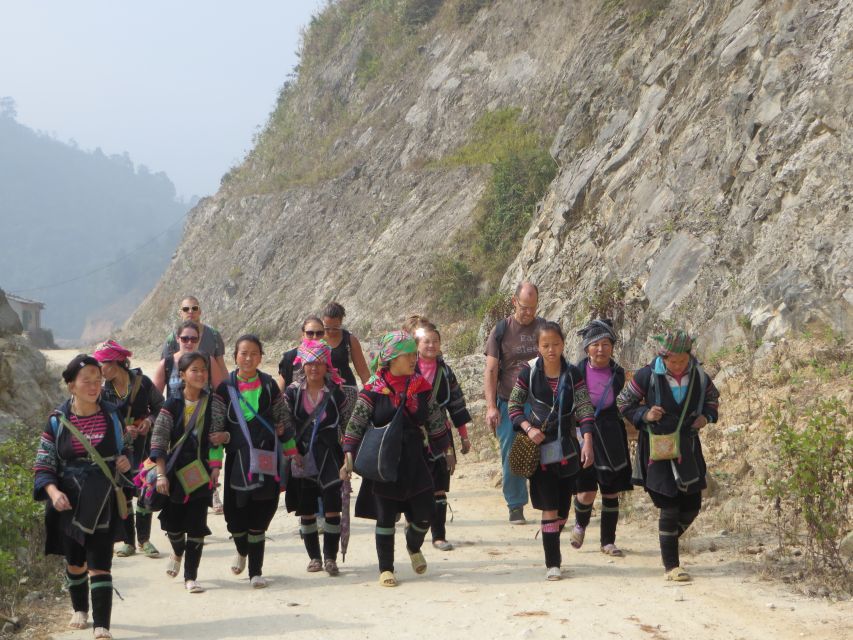
Small-group touring is not just a comfort perk. On this route, it directly affects the pace and the quality of interaction. With a max of 15 participants, your guide has more time to answer questions and spend a little longer at viewpoints or during village explanations.
You’ll likely meet guides such as Lisa, Cu, Lan, Sue, or A, each noted for strong English and story-driven explanations. People repeatedly praised guide friendliness and the ability to customize the day, including route choice and adapting to what the group wants.
There’s another side benefit: small group means you can move as a unit without feeling lost. You get photo stops and fewer moments of “wait, where did everyone go?”
One practical caution though. Organization quality can vary day to day with any local operator. In at least one account, there was a confusion about booking recognition until the day before. I can’t promise your experience will mirror that. My advice is simple: confirm details a day in advance and keep your confirmation info handy.
Tips for getting the most out of your waterfall and village day
If you do this tour, your best results come from doing a few small things well.
First, treat footwear like it’s the main item. The trek is long enough and hilly enough that cheap shoes can ruin your mood fast.
Second, pack for both sun and mist. Sunscreen and a raincoat are non-negotiable here. A sun hat helps even when clouds roll in. Insect repellent is also worth it, since you’re walking through rural areas.
Third, ask questions at the right moments. The most useful learning tends to happen while you’re walking or eating, not when everyone is rushing. If you’re curious about textiles, daily work, or how seasons affect farming, ask your guide when the group slows down.
Fourth, go with a flexible timeline mindset. Even if it’s marketed as a 4-hour trek, your day can stretch based on route, photo stops, and weather.
And lastly, respect the village setting. Dress comfortably but modestly, keep camera behavior gentle, and remember that you’re there to learn about real lives, not just take pictures.
Should you book this Sapa waterfalls and tribal villages tour?
Book it if you want a guided Sapa outing that mixes two famous waterfalls, a pass viewpoint at Tram Ton Pass, and a long village trek where you meet Hmong and Red Dzao communities. The included lunch and entrance fees are big value, and the small-group size should keep the day friendly.
Skip it or reconsider if you want a light, flat walk only, or if you must be back in Sapa at a strict time because the trekking segment can run longer on some days. Also, if fog or rain would completely ruin the experience for you, understand that visibility can vary, though the waterfall volume and the village conversations can still carry the day.
If you’re coming to Sapa for the real feel of mountain life and you’re ready for some hills, this is a strong choice. Just show up prepared, listen closely, and let your guide help you turn scenery into understanding.
FAQ
What waterfalls and pass are included in the tour?
You visit Silver Waterfall and Love Waterfall, and you also stop at Tram Ton Pass as part of the day before the trek.
How long is the whole experience?
The tour duration is listed as 5 hours total, with additional walking time during the day.
How much trekking will I do?
The trek is described as about 4 hours, covering around 15 kilometers (about 9.3 miles), along mountain trails and through rice paddies and villages.
Which tribes or villages will we meet?
You’ll meet the Hmong and Red Dzao people during the trek, with a picnic lunch in the village areas and a visit to the home of the Red Dzao in Ta Phin Village.
What is included in the $72 price?
The price includes an English-speaking guide, all entrance fees, private car transfer, picnic lunch, and two bottles of mineral water per person.
What should I bring for the trek?
Wear comfortable clothes and hiking shoes. Bring insect repellent, sunscreen, a raincoat, sun hat, and a small daypack with personal belongings.
Is this a small-group tour?
Yes. It’s listed as a small group limited to 15 participants, with an English live tour guide. Pickup is included at your hotel lobby in Sapa Town.
More Hiking & Trekking in Sa Pa
- SAPA: 2-DAY 1-NIGHT TREKKING & CULTURE WITH HMONG GUIDE LINH
★ 4.9 · 126 reviews - Half Day Sapa Trekking to Visit Lao Chai – Ta Van
★ 4.7 · 126 reviews - From Sapa: Guided Full-Day Trekking with Lunch and Drop-Off
★ 4.2 · 86 reviews - From Sapa: Terrace Fields and Local Villages Trek with Lunch
★ 4.3 · 77 reviews
New listings around Sa Pa
- Sapa: Private The Most Beautiful Terraced Fields Trekking★ 4.8 · 42 reviews
- Sapa: Trekking Sapa One Day With Group Tour★ 4.7 · 55 reviews
- Sapa3D2N TrekkingAdventures,Valleys,Bambooforest,Waterfall★ 4.8 · 24 reviews
- Sapa: Y Linh Ho – Lao Chai, and Ta Van Trekking Day Tour★ 5.0 · 25 reviews
- From Sapa: Guided Full-Day Trekking with Lunch and Drop-Off★ 4.2 · 86 reviews
- Sapa: Ta Phin Village Trek with Lunch and Bathing Experience★ 4.7 · 13 reviews
- Sapa Trekking Private Tour With Ethnic Female Tour Guide★ 4.9 · 24 reviews
- Sapa: Ta Phin Village Trek & Red Dao Herbal Bath★ 5.0 · 22 reviews
Sapa Trekking & Homestays, compared.
Sapa 2 Days 1 Night From Hanoi – Overnight in Ta Van Village
Read our review →
Muong Hoa Valley Trek and Local Ethnic Villages
Read our review →

Sapa 3 Days 2 Nights Trekking Tour (1 Night In Ta Van Village, 1 Night In Hotel)
Read our review →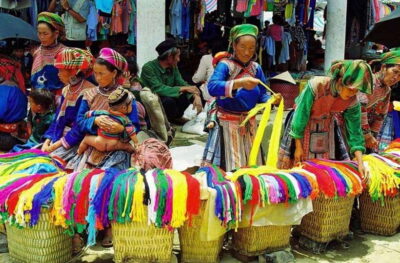
Eco Adventure Terrace Fields and Local Villages Trek
Read our review →
3-Day Trekking Adventure of Sapa from Hanoi – Stay Ta Van Village
Read our review →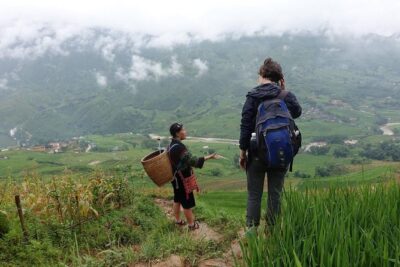
Number one top rated ethical cultural trekking and homestay by ETHOS
Read our review →Browse the lists this tour appears in