
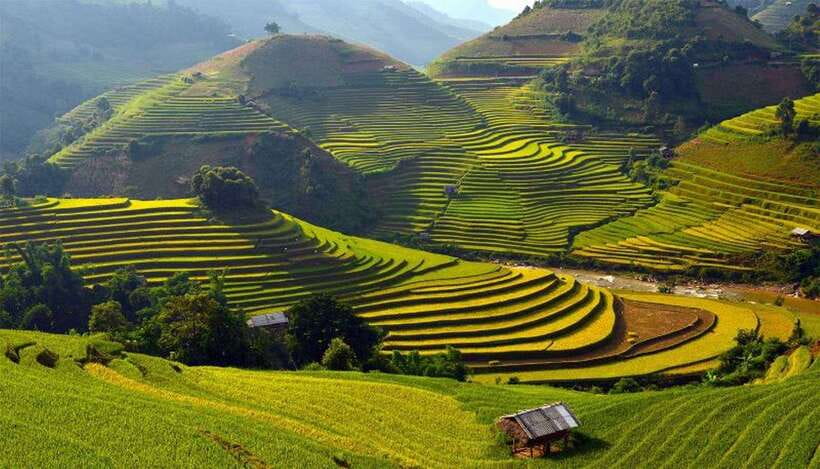
Reviewed · SAPA TREKKING & HOMESTAYS
Sa Pa: Muong Hoa Valley Trek and Local Ethnic Villages
Foggy terraces and real village life in one day. This is a 10-kilometer walk through Sa Pa’s Muong Hoa Valley, with stops in traditional ethnic communities and misty views that feel like you stepped into the valley’s daily rhythm. You’ll cross the Muong Hoa River, pause for ancient rock carvings, eat lunch in a local home, then hike through a bamboo forest before heading back to town.
I love how the day mixes big scenery with human-scale details, like how people actually live and work in villages such as Lao Chai and Ta Van Giay. I also like the practicality of the food stop, because lunch is served at a village house (and at least some departures can accommodate dietary needs like vegan meals). The main drawback is that this is a mud-focused hike when weather turns wet, so go in ready for slippery footing and bring shoes with real grip.
In This Review
- Key Highlights You’ll Care About
- From Sapa Pickup to Muong Hoa Valley Trails
- The 10-Kilometer Walk: Rice Terraces, Mud, and River-Crossing Reality
- Lao Chai Village Stop: Seeing Life of the Black Hmong
- Ta Van Giay and the Suspension Bridge Near the River
- Ancient Rock Carvings: The Details You’ll Actually Notice
- Lunch at a Local Home: Why This Stop Is the Best Piece
- Bamboo Forest Walking Toward Giang Ta Chai (Red Dao)
- Waterfall Rest and the Uphill Finish Back to Sapa
- Guide Quality, Safety, and Small-Group Advantage
- What to Pack for a Trek That Can Get Muddy Fast
- Price and Value: Is $23 Really Fair?
- Who Should Book This Trek, and Who Should Skip It
- Should You Book This Muong Hoa Valley Trek?
- FAQ
- How long is the trek and the full tour?
- Is hotel pickup included, and where does pickup happen?
- What is included in the $23 price?
- What should I bring for this trek?
- Is the tour suitable for children or people with mobility issues?
- Can I cancel for a full refund?
Key Highlights You’ll Care About

- Small group size (up to 11) makes it easier to move safely on narrow, wet trails
- A 10-kilometer route hits rice terraces, villages, the river corridor, bamboo, and viewpoints
- Black Hmong and Red Dao village visits give you context for daily life and customs
- Ancient rock carvings include men, stilt houses, and decorative patterns
- Lunch at a local home turns the day from sightseeing into shared mealtime
- Local helping hands often matter most on steep, muddy sections
From Sapa Pickup to Muong Hoa Valley Trails
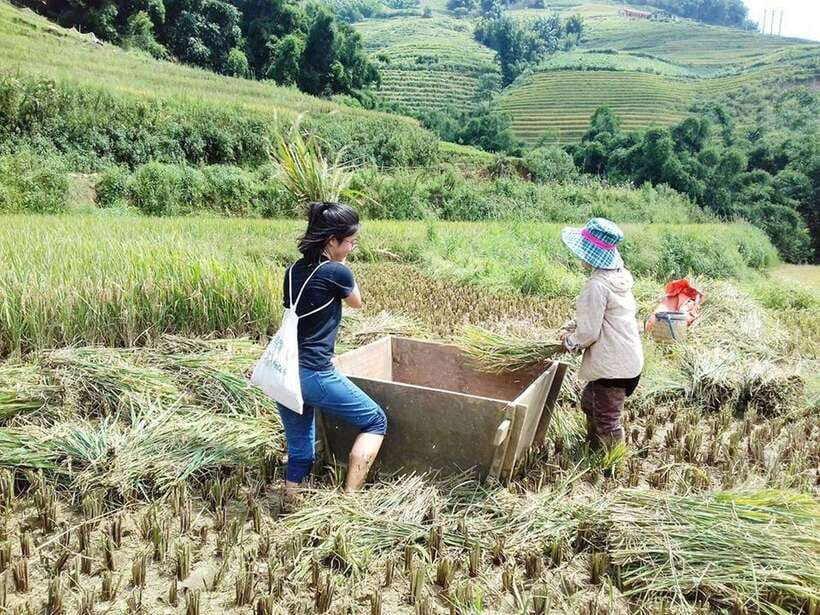
Most half-day treks in Sapa feel like a quick bus ride plus a walk. This one starts calmer, with hotel pickup from the Sapa center area (or from the operator office in town), then a transfer that sets you up for a full valley morning.
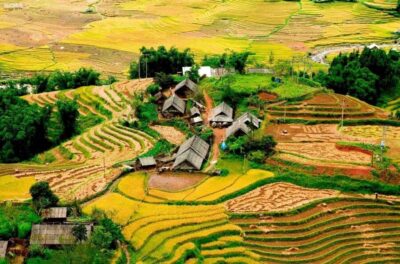
The trek begins right away, following trails that curve around the valley. If you’re lucky with morning mist, the rice terraces look softer, almost dreamlike, but still very real once you’re stepping between them. Either way, you’re moving through the Muong Hoa landscape at human speed, not tour-bus speed.
A good way to set expectations: your “rest stops” happen, but you’re still walking much of the time. This is why the day feels worth it, and why the shoe choice matters.
More Sapa treks and homestays:
- Sapa: Eco Adventure Terrace Fields and Local Villages Trek
★ 4.9 · 636 reviews - From Sapa: 1-Day Guided Trek to Lao Chai & Ta Van with Lunch
★ 4.9 · 416 reviews - Sapa 1 Day Long Trek: Trek to Hau Thao and Sa Seng Villages
★ 4.6 · 344 reviews
The 10-Kilometer Walk: Rice Terraces, Mud, and River-Crossing Reality
You’ll cover a 10-kilometer route on mostly footpaths, with a mix of terraced rice fields, village routes, and river-side sections. Early on, you’ll find a small trail that leads you to cross the Muong Hoa River, which is one of those moments that makes the whole day feel like a true valley route instead of a staged loop.
After that first crossing, the walking rhythm becomes the show. You pass terraced rice fields that people actively tend, then continue toward the village of Lao Chai. The photos will look great, but your eyes are better used for noticing how the paths thread through working fields, not just posing for views.
Wet weather is the big variable. Multiple guide-and-group experiences point to heavy mud and slippery patches, especially on steeper ground and in bamboo areas. If it rained recently, plan to take smaller steps and let your guide and local helpers show you safer footing.
Lao Chai Village Stop: Seeing Life of the Black Hmong
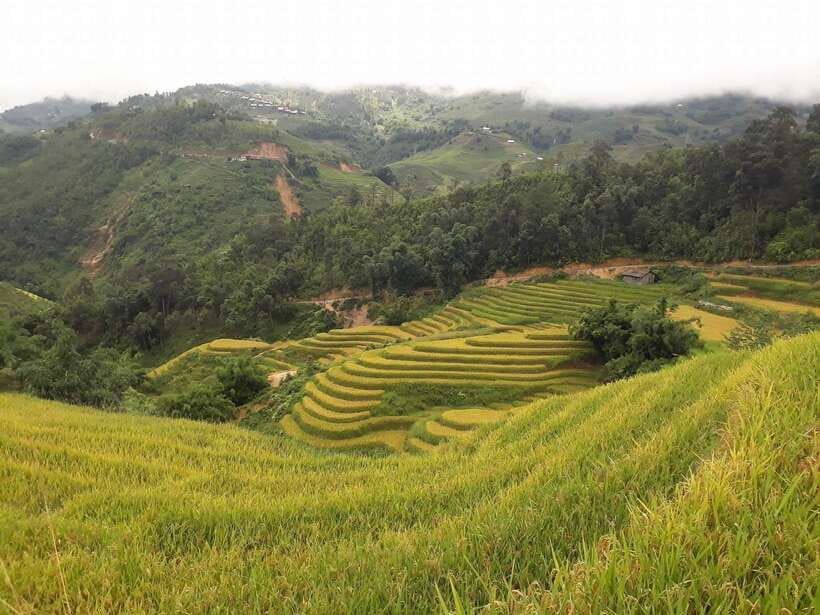
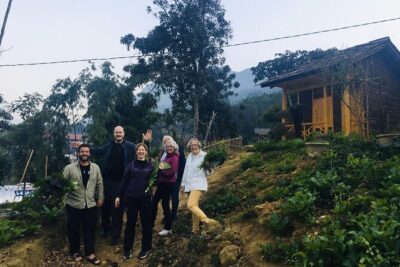
One of the best parts of the day is getting out of the “viewpoint mindset” and into the “village is the destination” mindset. Lao Chai is where the trek route brings you near the homes and daily routines of the Black Hmong community.
This stop is valuable because you’re not just looking at architecture from a distance. You’re walking into a living place, where the landscape of the valley includes the people who maintain it. Your guide typically explains what you’re seeing as you move through the area, so the village doesn’t feel like a quick photo stop.
Practical tip: keep your pace steady. Village paths can be narrow, and when ground is damp, even short sections can feel tougher than you expect. Good traction beats speed every time.
Ta Van Giay and the Suspension Bridge Near the River
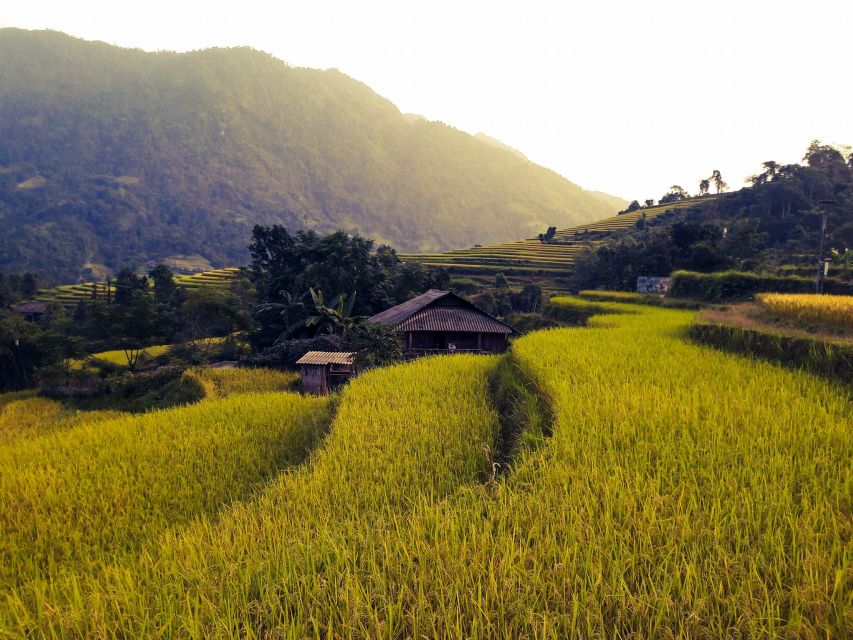
Next comes the walk toward Ta Van Giay, plus a river route that adds variety. The route includes a crossing via a small suspension bridge, located roughly 2 kilometers from the settlement.
That bridge moment is a turning point in the hike. It’s where the day shifts from rice-terrace visuals to river-valley character, with the sound and feel of moving water in the background. It’s also a great place to slow down for a breath, because the next sections can demand more focus.
When the trail is wet, the bridge and approach paths can feel slippery. In the best experiences, your guide coordinates help from local women who know the ground well, and they stay close where traction is worst. Even if you consider yourself a confident hiker, go slowly here, because the terrain can be uneven.
More treks around Sa Pa:
- EXPLORE SAPA: 2D1N TREKKING & HMONG CULTURE WITH DINH
★ 4.9 · 191 reviews - Sa Pa: 6-Hours Muong Hoa Valley Trek with Local Ethnic guide
★ 4.5 · 178 reviews - Sa Pa: 2-Day Trekking Trip with Ethnic Minority Homestay
★ 4.7 · 145 reviews - SAPA: 2-DAY 1-NIGHT TREKKING & CULTURE WITH HMONG GUIDE LINH
★ 4.9 · 126 reviews
Ancient Rock Carvings: The Details You’ll Actually Notice
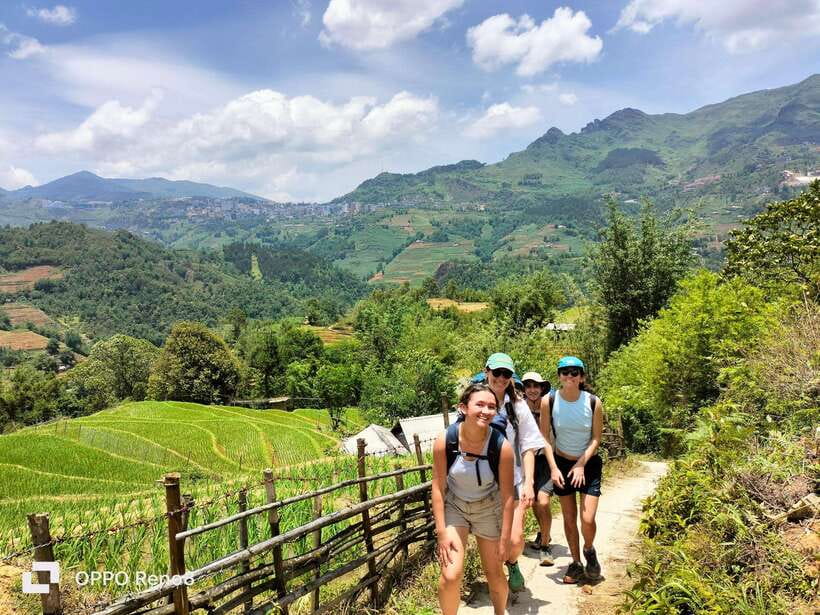
This trek has one of the more memorable “take your time and look” stops: ancient rock carvings. The carvings depict images of men, stilt houses, and decorative patterns, and they give the day a longer time depth.
I like this part because it breaks the pattern of only moving and only viewing. It asks you to focus on small, specific details, which is exactly what you want after hours of walking through fog, fields, and vegetation.
If you’re someone who loves culture but doesn’t want museum-style explanations, this works well. You can stand, look, and ask questions on the spot, and your guide can tie the carvings to what you’re seeing around you in the valley.
Lunch at a Local Home: Why This Stop Is the Best Piece
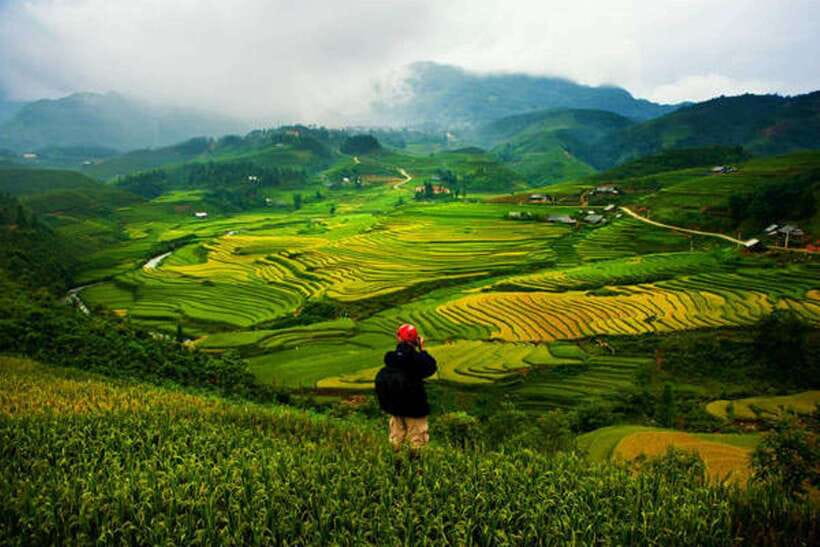
By the time lunch arrives, you’ve earned it. Lunch is served at a local house in the village, and it’s one of the highlights of the whole day because it’s not a restaurant experience with the same set menus for everyone.
I also like that lunch is treated as part of the visit, not a separate transfer-and-eat moment. Some experiences include dietary flexibility such as vegan meals, so if you have food needs, it’s worth mentioning ahead of time.
What to expect from the lunch break: it resets your energy for the next phase, which includes bamboo forest walking and a climb back toward the main road. Also, it keeps the day balanced. Without lunch, a half-day trek can feel like nonstop strain.
Bamboo Forest Walking Toward Giang Ta Chai (Red Dao)
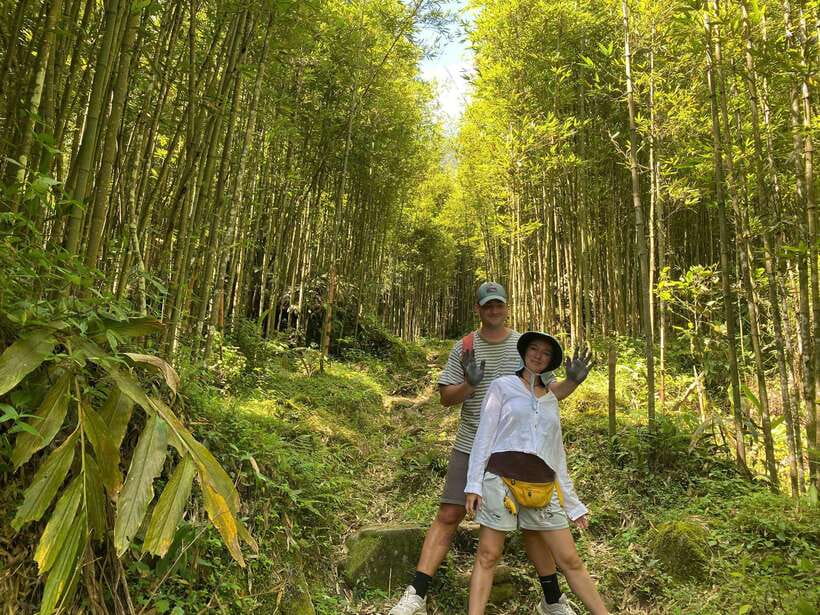
After lunch, the route pushes through a bamboo forest section and then continues toward the Red Dao ethnic minority village of Giang Ta Chai. This part of the day is where many people feel the hike turn from scenic to physical.
The bamboo forest can get slick. In wet conditions, the trail texture changes, and you may find yourself walking on muddy, narrow paths where slipping is easy. This is exactly why trekking shoes matter more than looks. Grip and ankle support help you stay confident even when the ground surprises you.
When the route reaches Giang Ta Chai, the focus shifts back to people and place. You’ll see how the community lives in the valley setting and learn about local customs as you move through the village area.
Waterfall Rest and the Uphill Finish Back to Sapa
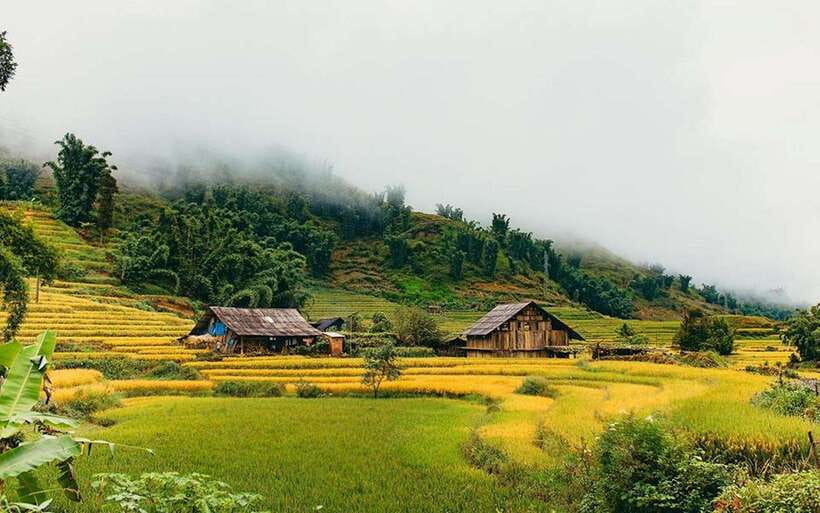
Near the end of the trek, there’s a short rest by a nearby waterfall. It’s not a long “tour of the falls,” but it’s a meaningful pause, especially after muddy sections and forest walking.
Then you start the uphill push toward the main road, where the driver is waiting to take you back to Sa Pa. The whole tour runs about 6 hours, and it ends around 3:30 PM, which makes it easy to build the rest of your day without stress.
Even with fatigue, this final leg feels rewarding because you’re transitioning from the valley trails back to town, with your feet still carrying the memory of each village path.
Guide Quality, Safety, and Small-Group Advantage

The English-speaking guide is a core part of the value here, but what really matters is how guidance shows up on the trail. Many experiences highlight guides such as Khu, Su, Chai, Sunny, Minh, and Thao as people who care about safety and keep the group moving through slippery areas.
The best thing you’ll notice during the walk is that the tour often relies on local knowledge when conditions are tough. Several experiences describe local women from the village stepping in to help with steep or muddy parts, sometimes walking close by and literally offering hand support so you don’t slip.
With a small group (up to 11), you get more attention. In big groups, one slow person can stretch a schedule and create bottlenecks. Here, the pacing feels more human, which is important when trails get slippery.
What to Pack for a Trek That Can Get Muddy Fast
This is not the time for fashion footwear. You should bring hiking shoes with good grip. Even in good weather, the terrain can be rough, and during wet weather, it can get very muddy.
Beyond shoes, pack:
- Sunglasses and sunscreen
- Insect repellent
- Warm clothes from October to March
- Keep sunglasses and sun protection handy even on foggy mornings, because light can still bounce off the valley
Also, don’t bring oversize luggage. The trek is more about moving than hauling, and oversized items make it harder for everyone.
One more practical tip: consider bringing cash. Some experiences describe a polite expectation that you buy a small item from village helpers who guide or escort you during the muddy sections. Even if you’re not shopping, having small bills helps you respond kindly.
Price and Value: Is $23 Really Fair?
At $23 per person for a 6-hour small-group trek, this is good value if you care about culture plus active walking. The price includes English-speaking guide, entry tickets, lunch at a local house, mineral water (500ml per person), plus transport as mentioned and hotel pickup if your hotel is in central Sa Pa.
What’s not included is pretty standard: beverages, personal purchases, and soft drinks. You should also plan for optional costs like a French-speaking guide surcharge of 19 USD per person (payable upon confirmation), and a Lunar New Year surcharge of 30 USD per person for departures from 14 Feb to 21 Feb 2026.
Here’s how I’d judge value: you’re paying for more than walking. You’re paying for local guidance, village context, a meal in a village house, and a route that covers different parts of the Muong Hoa valley, including bamboo forest and rock carvings. If you only wanted scenery, you could do a shorter trek or viewpoints. This one is for people who want the day to feel structured around local life.
Who Should Book This Trek, and Who Should Skip It
Book it if you want an active half-day that balances rice terraces, villages, and cultural details with real physical effort. You should have decent fitness for a 10-kilometer hike, and you should be comfortable with uneven ground.
Skip it if you have mobility impairments. The tour isn’t suitable for people with mobility limitations, and it’s not suitable for children under 6 years old. Also, if you know you hate slippery mud or you don’t have proper shoes, you’ll likely find the wet-weather version frustrating.
For the best fit, go if you:
- like guided cultural context with actual walking
- don’t mind getting dirty
- can handle a route that can be challenging in wet conditions
If you’re recovering from a big travel day, you can still do it, but plan your footwear and pace carefully.
Should You Book This Muong Hoa Valley Trek?
I think this is worth booking if you want a day that feels authentic, not just scenic. The combination of village visits (Black Hmong in Lao Chai, Red Dao in Giang Ta Chai), ancient rock carvings, and a lunch at a local home gives the hike more meaning than a typical walk in nature.
The one reason to hesitate is conditions. When it’s wet, expect mud and slippery steps, including bamboo forest sections. If you’re going, show up with sturdy hiking shoes and a flexible attitude about footing.
If you want a cultural trek that stays human-sized, moves through the Muong Hoa valley properly, and gives you a meal with locals at the center of the day, this is a strong choice.
FAQ
How long is the trek and the full tour?
The trek is about 10 kilometers long, and the full tour lasts around 6 hours. The tour ends at approximately 3:30 PM.
Is hotel pickup included, and where does pickup happen?
Hotel pickup is included if your hotel is located in Sa Pa center town. Pickup is also available from the operator office in Sa Pa, and pickup outside the Sa Pa area is not available.
What is included in the $23 price?
The included items are hotel pickup (if in Sa Pa center), an English-speaking guide, entry tickets, lunch, mineral water (500ml per person), and transport as mentioned.
What should I bring for this trek?
Bring hiking shoes. It’s also recommended to pack sunglasses, sunscreen, and insect repellent. Warm clothes are recommended from October to March.
Is the tour suitable for children or people with mobility issues?
The tour is not suitable for children under 6 years old and is not suitable for people with mobility impairments.
Can I cancel for a full refund?
Yes. You can cancel up to 24 hours in advance for a full refund.
More Hiking & Trekking in Sa Pa
- Half Day Sapa Trekking to Visit Lao Chai – Ta Van
★ 4.7 · 126 reviews - From Sapa: Waterfalls, Trekking and Tribal Villages Tour
★ 4.6 · 91 reviews - From Sapa: Guided Full-Day Trekking with Lunch and Drop-Off
★ 4.2 · 86 reviews - From Sapa: Terrace Fields and Local Villages Trek with Lunch
★ 4.3 · 77 reviews
New listings around Sa Pa
- Sapa: Private The Most Beautiful Terraced Fields Trekking★ 4.8 · 42 reviews
- Sapa: Trekking Sapa One Day With Group Tour★ 4.7 · 55 reviews
- Sapa3D2N TrekkingAdventures,Valleys,Bambooforest,Waterfall★ 4.8 · 24 reviews
- Sapa: Y Linh Ho – Lao Chai, and Ta Van Trekking Day Tour★ 5.0 · 25 reviews
- From Sapa: Guided Full-Day Trekking with Lunch and Drop-Off★ 4.2 · 86 reviews
- Sapa: Ta Phin Village Trek with Lunch and Bathing Experience★ 4.7 · 13 reviews
- Sapa Trekking Private Tour With Ethnic Female Tour Guide★ 4.9 · 24 reviews
- Sapa: Ta Phin Village Trek & Red Dao Herbal Bath★ 5.0 · 22 reviews
Sapa Trekking & Homestays, compared.
Sapa 2 Days 1 Night From Hanoi – Overnight in Ta Van Village
Read our review →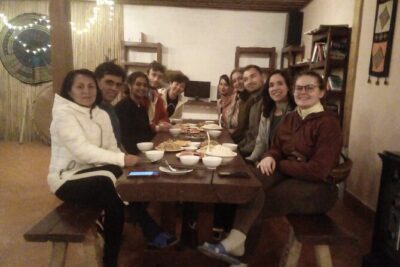

Sapa 3 Days 2 Nights Trekking Tour (1 Night In Ta Van Village, 1 Night In Hotel)
Read our review →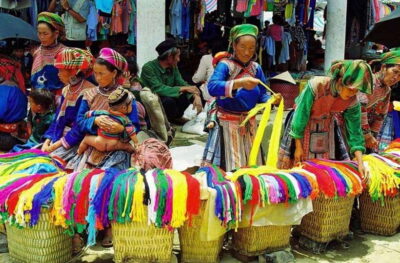
Eco Adventure Terrace Fields and Local Villages Trek
Read our review →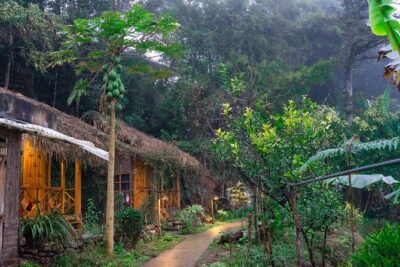
3-Day Trekking Adventure of Sapa from Hanoi – Stay Ta Van Village
Read our review →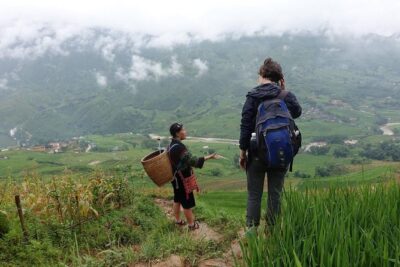
Number one top rated ethical cultural trekking and homestay by ETHOS
Read our review →
Sapa 2 Days 1 Night From Hanoi – Overnight in Hotel
Read our review →Browse the lists this tour appears in