
Reviewed · SAPA TREKKING & HOMESTAYS
Sapa3D2N TrekkingAdventures,Valleys,Bambooforest,Waterfall
Three days, one family, and big mountain views. This Sapa trek is interesting because you start with Dragon Mountain views over Sapa, then you end each day inside a Hmong homestay with family-style meals. It also mixes rice terraces, village visits, and real talk with local guides who explain daily life instead of rushing you through.
The only watch-out is the daily hiking time, about 5.5 to 6 hours on trails and hanging bridges, so you will want a steady pace and solid footwear. If you are hoping for mostly flat walking, this is not that kind of trip.
In This Review
- Key things you will remember
- First contact in Sapa, and why the meet-up matters
- Dragon Mountain views over Sapa and Fansipan
- Day 1 walk: Sa Seng to Hang Da, then Hau Thao homestay nights
- Ta Van and the homestay rhythm, with Dinh and Mama May energy
- Day 2 trek: Ta Van to Su Pan views, then Giang Ta Chai waterfalls
- Bamboo forest, rice terraces, and the photo rhythm that keeps you moving
- Day 3: Lao Chai, Y Linh Ho, and the Muong Hoa hanging bridge to Sapa
- Price and value: how $80 turns into a full 3-day package
- Practical tips so the hiking feels good, not grim
- Who should book this Sapa trekking adventure
- Should you book it?
- FAQ
- Where does the trek start on Day 1?
- How long are the daily walks?
- What homestay meals and nights are included?
- What does the $80 price include?
- Is there a local guide, and what language do they speak?
- What should I bring?
- Is this tour suitable for everyone?
Key things you will remember
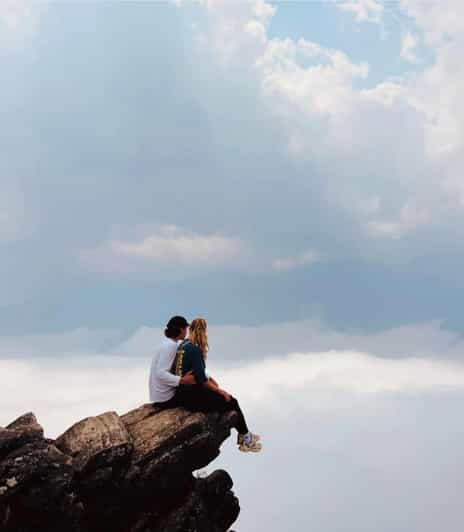
- Dragon Mountain at about 1,900m gives sweeping views, including Fansipan at 3,143m on clear days.
- Eight-village entry fees are covered, so you can focus on the walks and not the paperwork.
- Homestay with Dinh and her family includes 2 nights on-site plus time to rest and shower before dinner.
- Giang Ta Chai waterfalls day includes hanging-bridge crossings and an alternate route back.
- Bamboo forest and rice terraces show up between villages, giving you variety for photos.
First contact in Sapa, and why the meet-up matters
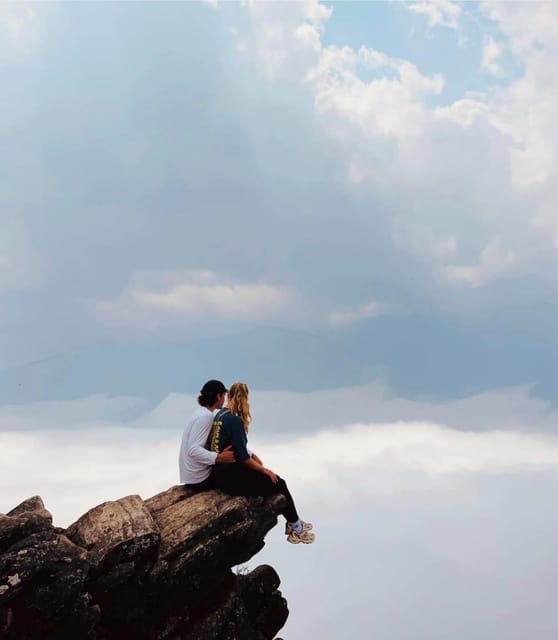
The tour starts at 9:00 am, with pickup either at your Sapa hotel or in front of Sapa’s main church. That sounds simple, but it matters on a trekking trip, because you avoid the stress of trying to match the right start time once you are already tired.
Your guide is Dinh, a Hmong guide, and she may also have support from her sister. The tour runs with English-speaking guidance (also Vietnamese), which helps a lot when you want to ask about rice planting, village life, and what you are actually seeing on the trail.
More Sapa treks and homestays:
- Sa Pa: Muong Hoa Valley Trek and Local Ethnic Villages
★ 4.6 · 864 reviews - Sapa: Eco Adventure Terrace Fields and Local Villages Trek
★ 4.9 · 636 reviews - From Sapa: 1-Day Guided Trek to Lao Chai & Ta Van with Lunch
★ 4.9 · 416 reviews
Dragon Mountain views over Sapa and Fansipan
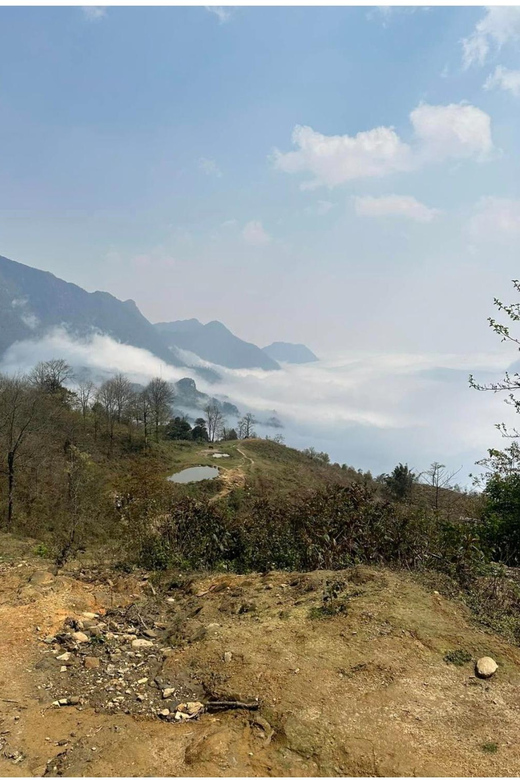
Day 1 begins with a climb of about 1km uphill on a small trail to the Dragon Mountain viewpoint. From here, you look over Sapa town and the surrounding valleys, and you get the big-name payoff: Fansipan, listed here at 3,143m, the highest mountain in Indochina.
This first viewpoint does two useful things. It gives you a mental map for the next days, and it helps you understand why Sapa exists as a trekking destination at all. Once you see the scale from above, the rice terraces and valley routes feel less random and more intentional.
Day 1 walk: Sa Seng to Hang Da, then Hau Thao homestay nights
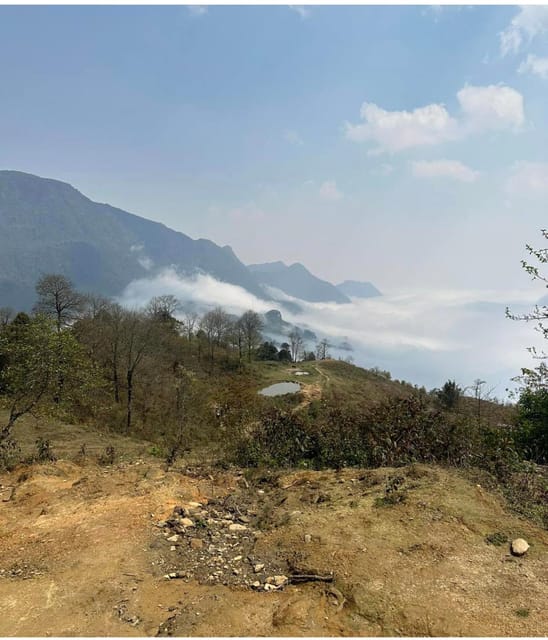
Day 1 is listed at about 10 to 15km and around 6 hours total. You walk Sapa toward Sa Seng, then to Hang Da, and down to Hau Thao, with a mix of uphill effort and mountain downhill.
In Hang Da, you visit a Black Hmong village. This is where you can spot everyday village scenes and you might even see farm animals, including buffalos, pigs, and other animals around the fields. Lunch is at a small restaurant run by a local family, which keeps this day grounded in real food rather than tourist-style convenience.
After lunch, you continue down to Hau Thao, another Black Hmong village. This is where you are looking for daily life details: people working in the fields, like harvesting or planting rice depending on timing. It is the kind of stop where you see that agriculture is not a photo prop, it is the rhythm of the place.
Then you settle in for your homestay. You get a welcome from the family, 2 nights on-site, and time to rest before dinner. The packing list even points to bringing swimwear, and while the trip is hiking-focused, you will be happy you have the option to change if you get close to water and cool off after walking.
Ta Van and the homestay rhythm, with Dinh and Mama May energy
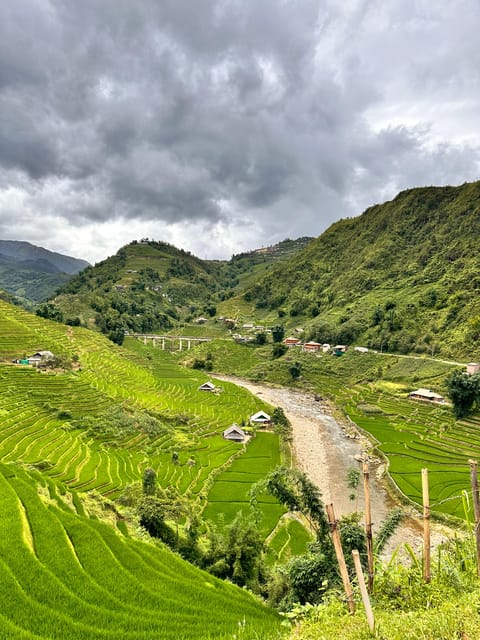
The homestay is one of the best reasons to pick this tour, because it is not just a place to sleep between treks. You are hosted for 2 nights, you have breaks built in, and you get your meals as part of the schedule.
In the experiences shared with this company, Dinh and her family are described as warm and welcoming, and Mama May in particular gets praised as both a guide and an easy person to be around. Some groups also mention the homestay vibe includes playful moments like singing and dancing, plus stories and local explanations that make the evening feel like more than a check-in.
Practical note: homestays are still homestays. You should expect simple basics rather than hotel-style predictability. The good news is you do get time to rest and there is mention of a hot shower, which makes the end of a hiking day much more comfortable.
Same region, different pace:
- Sapa 1 Day Long Trek: Trek to Hau Thao and Sa Seng Villages
★ 4.6 · 344 reviews - Sapa: Fansipan Cable, Cat Cat Village, Moana Instagram Tour
★ 4.8 · 294 reviews - Explore Sapa by TrekkingAdventures, Mountain,Rice fields
★ 4.9 · 229 reviews - From Sapa: 3 Day Ha Giang Loop Motorbike Tour With Rider
★ 4.9 · 209 reviews
Day 2 trek: Ta Van to Su Pan views, then Giang Ta Chai waterfalls
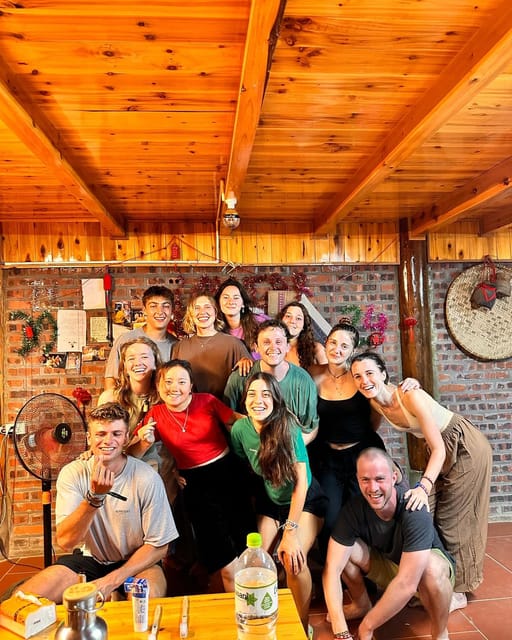
Day 2 is listed around 9 to 11km and about 5.5 hours. You start after breakfast, and the route works in a loop: you head from the homestay area down toward Hau Thao, then toward Su Pan, and finally up to the waterfalls of Giang Ta Chai before returning.
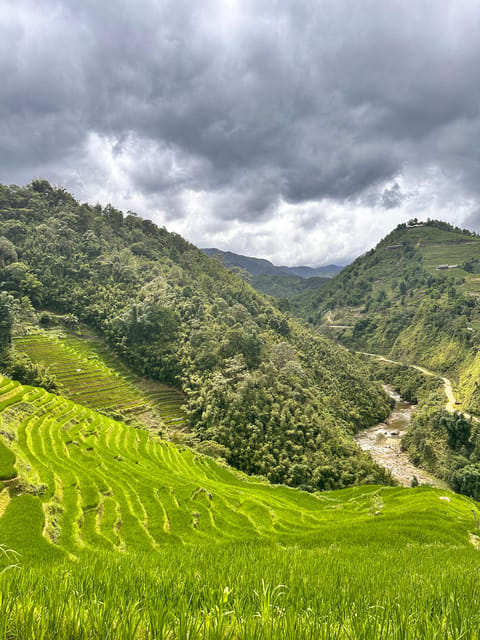
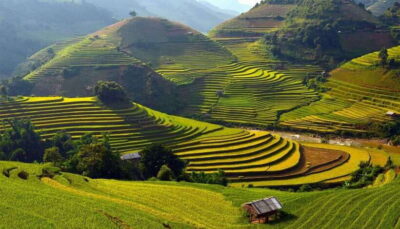
Su Pan is a photography-friendly stop. You get panorama views over rice fields, and you see locals living in traditional-style houses. The goal here is not a museum visit, it is a slower look at how the village sits against the mountains and the fields that feed it.
Then you climb up again into the mountains to reach Giang Ta Chai. This is where the trip adds variety. You enter the Red Dao area, and with your local guide you learn about culture and daily life through the lens of a local family visit.
After that, you head back to the waterfalls by an alternate trail and across a second hanging bridge. If you like variety in routes, this is a smart design, because you are not doing the same out-and-back trail twice. Lunch is in Giang Ta Chai village at a small local restaurant run by a Hmong family, and afterward you return to Ta Van for your second homestay night.
Bamboo forest, rice terraces, and the photo rhythm that keeps you moving
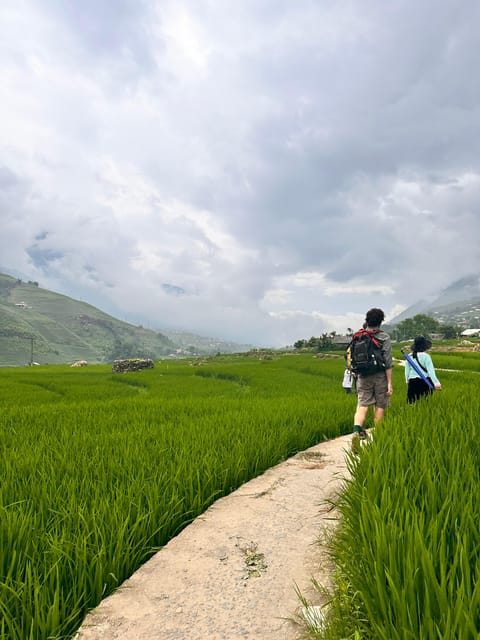
This tour mixes a few major natural themes that you would struggle to connect on your own in one shot. You start with the Dragon Mountain viewpoint, you walk through village-to-village terrain, and you hit rice terraces in the Muong Hoa valley area. On top of that, the program name and experiences around it point to bamboo forest walking between village sections.
The practical win is timing and spacing. Instead of one long straight hike, you get repeated “checkpoints” where the terrain changes and the views refresh. That keeps energy from draining early and gives you multiple chances for clear photos, especially if you are traveling with a camera or want smartphone shots without constantly stopping.
The other win is that the rice terrace focus actually connects to what you learn. When you see the terraces from above and then watch people work in the fields from the villages below, the whole system makes more sense.
Day 3: Lao Chai, Y Linh Ho, and the Muong Hoa hanging bridge to Sapa
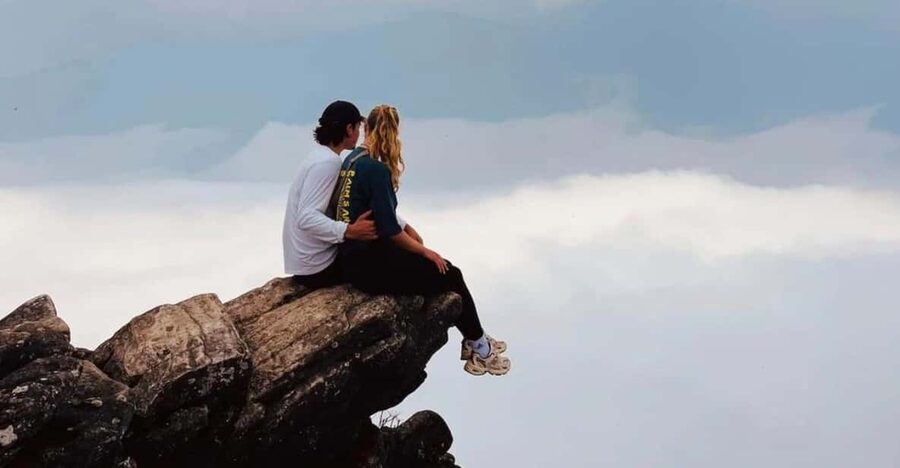
Day 3 is listed at about 9 to 13km and around 5.5 hours. Breakfast comes first, then you trek toward Lao Chai and Y Linh Ho, finishing back in Sapa.
Lao Chai is a key viewpoint area. You cross the hanging bridge of the Muong Hoa river, then continue uphill into the mountains. This part is where the “big view” reward shows up again: you admire some of the biggest and most beautiful rice terraces described in the itinerary, plus mountain views from high ground near Hoang Lien Son.
After that, you head on to Sapa. One helpful logistics detail is that you do not have to carry your entire big bag for the whole trek. You keep what you need for the day and they help move your big bags to the guide’s house where you stay, so the walking load feels more manageable.
Price and value: how $80 turns into a full 3-day package
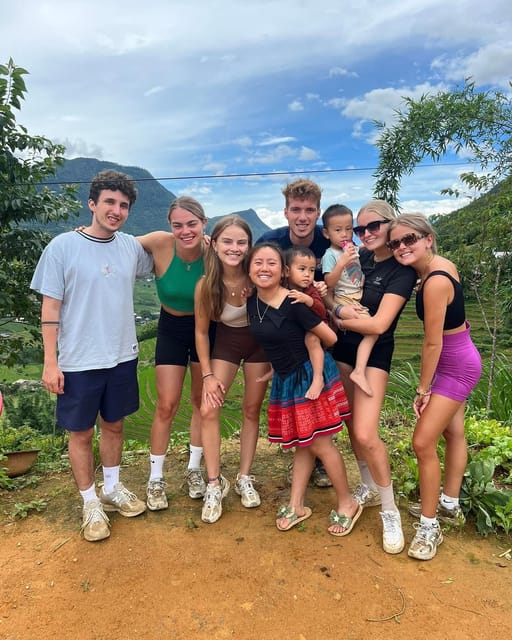
This tour is priced at $80 per person for 3 days and 2 nights. On paper, that is a bargain compared to trekking trips that only cover a guide and a basic walking plan.
Here is where the value comes from, specifically:
- A local English guide for the full 3 days
- Village entry fees across 8 villages
- 3 lunches and 2 dinners, plus 2 breakfasts
- 2 nights homestay included
- 1 water per person per day included
- Transportation back to Sapa after the trek ends
What is not included is personal travel insurance and extra drinks during hiking, like bottled water or beer. In other words, if you drink more than average, budget a little extra cash so you are not forced to compromise mid-day.
For me, the best part of the value is that meals and homestay are not treated like an afterthought. You eat where you stop, and you stay in the community you walk toward. That is how you get a trip that feels like it has an off-trail heart, not just a route.
Practical tips so the hiking feels good, not grim
The tour suggests packing sunglasses, a sun hat, sunscreen, comfortable clothes, and change of clothes. Swimwear is also listed, which tells you the route can include water moments like waterfall proximity where a quick rinse or change might feel nice.
A few smart choices based on the route design:
- Wear shoes you trust on uneven mountain paths and hanging-bridge crossings
- Bring sun protection, because terrace and valley routes can expose you for long stretches
- Keep your day bag light, since big bags are handled separately
- Plan for water needs beyond the included bottle per day, if you tend to drink a lot
Also, the tour is not for people over 95 years old, so if age or mobility is an issue, you should pick a shorter, gentler option.
Who should book this Sapa trekking adventure
This is a great match if you want:
- Real village access, not a quick roadside photo
- Rice terrace views paired with explanations about daily life
- A homestay that includes dinners with the family and time to rest between hikes
- Variety across bamboo forest sections, waterfall scenery, and multiple hanging-bridge moments
It is likely not a good match if you want an easy walk, predictable hotel comforts, or you strongly dislike moderate hiking for around 5.5 to 6 hours a day.
Should you book it?
Yes, book it if you like treks that connect views with people, and if you are comfortable trading hotel convenience for a homestay experience with Dinh and her family. The price works well because meals, entry fees, and guiding are covered, and the route hits the highlights most people come to Sapa for, including Dragon Mountain views and Giang Ta Chai waterfall scenery.
Hold off if you are not ready for daily hiking, or if bridges and uneven trails make you anxious. If you can handle a steady walking pace and you want authentic village time, this is the kind of Sapa trip that gives you more than just photos.
FAQ
Where does the trek start on Day 1?
Day 1 starts at 9:00 am, with pickup at your hotel in Sapa or in front of Sapa’s main church.
How long are the daily walks?
Day 1 is about 10 to 15km for around 6 hours. Day 2 is about 9 to 11km for around 5.5 hours. Day 3 is about 9 to 13km for around 5.5 hours.
What homestay meals and nights are included?
You get 2 nights in a homestay, plus 2 breakfasts, 3 lunches, and 2 dinners.
What does the $80 price include?
It includes a local English guide for 3 days, village entry fees (8 villages), meals listed above, 1 water per person per day, and transportation back to Sapa after the tour ends.
Is there a local guide, and what language do they speak?
Yes. The guide provides live support in English and Vietnamese.
What should I bring?
Bring sunglasses, a sun hat, swimwear, change of clothes, sunscreen, and comfortable clothes.
Is this tour suitable for everyone?
It is not suitable for people over 95 years old. The days include mountain walking and hanging bridges, so you should be comfortable with that kind of activity.
New listings around Sa Pa
- Sapa: Private The Most Beautiful Terraced Fields Trekking★ 4.8 · 42 reviews
- Sapa: Trekking Sapa One Day With Group Tour★ 4.7 · 55 reviews
- Sapa: Y Linh Ho – Lao Chai, and Ta Van Trekking Day Tour★ 5.0 · 25 reviews
- From Sapa: Guided Full-Day Trekking with Lunch and Drop-Off★ 4.2 · 86 reviews
- Sapa Trekking Private Tour With Ethnic Female Tour Guide★ 4.9 · 24 reviews
- Sapa: Ta Phin Village Trek & Red Dao Herbal Bath★ 5.0 · 22 reviews
- Sapa: Ta Phin Village Trek with Lunch and Bathing Experience★ 4.7 · 13 reviews
- Sapa One Day Motorbike Tour★ 4.8 · 13 reviews
Sapa Trekking & Homestays, compared.
Sapa 2 Days 1 Night From Hanoi – Overnight in Ta Van Village
Read our review →
Muong Hoa Valley Trek and Local Ethnic Villages
Read our review →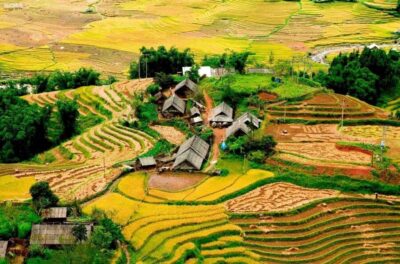
Sapa 3 Days 2 Nights Trekking Tour (1 Night In Ta Van Village, 1 Night In Hotel)
Read our review →
Eco Adventure Terrace Fields and Local Villages Trek
Read our review →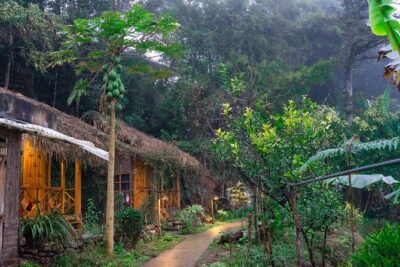
3-Day Trekking Adventure of Sapa from Hanoi – Stay Ta Van Village
Read our review →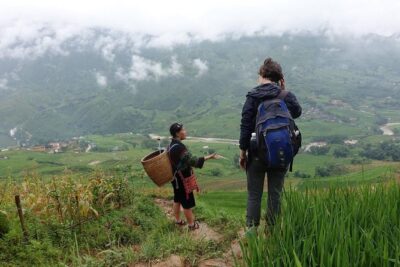
Number one top rated ethical cultural trekking and homestay by ETHOS
Read our review →Browse the lists this tour appears in