
Reviewed · SAPA TREKKING & HOMESTAYS
Sapa: Y Linh Ho – Lao Chai, and Ta Van Trekking Day Tour
Rice terraces in Sapa pull you in fast. On this day trip, you walk from Sapa town down into the Muong Hoa Valley, visiting Y Linh Ho for Black Hmong village life and Lao Chai and Ta Van for more ethnic-minority culture, led by Su, a local guide who explains what you are seeing in clear English. What I like most is the combination of big views and small, human moments, like learning about daily life and weaving while you are still lacing up your shoes.
One thing to consider first: this is a moderate trek, roughly 10 to 12 km, about 5 to 7 hours total, and the weather can change quickly. If you have low fitness, or any mobility limits, this one may not fit.
In This Review
- Key highlights at a glance
- Sapa’s Muong Hoa Valley, the “walk it” way
- Morning meeting: timing that keeps you ahead of the crowds
- Y Linh Ho Village: Black Hmong life and weaving you can actually see
- Lao Chai: village interaction and handicrafts along the valley trail
- Ta Van Village: Giay community, architecture changes, and a snack break
- Food and pace: what the included lunch really means
- Your guide Su: clear English, village context, and real personal stories
- What to bring for a comfortable Sapa day
- Who should book this tour, and who should skip it
- Should you book the Y Linh Ho, Lao Chai, and Ta Van day trek?
- FAQ
- How long is the trek on this Sapa day tour?
- What activity level is this tour?
- Where do I meet my guide in Sapa?
- What time does the tour start?
- Which villages are visited during the day?
- Is lunch included?
- Are transfers back to Sapa included?
- What should I bring, and who should not join?
Key highlights at a glance
- Muong Hoa Valley rice-terrace scenery during a straightforward, guided day walk
- Y Linh Ho Village (Black Hmong), with customs and weaving techniques explained on the ground
- Lao Chai Village stops for local interaction and a chance to see handicrafts
- Ta Van Village (Giay community) and a change in architecture as you move through the valley
- Guide Su’s local perspective, including questions about life topics like marriage, education, and daily routines
- Lunch included at a local house or riverside restaurant, plus a short rest at a homestay or café
Sapa’s Muong Hoa Valley, the “walk it” way
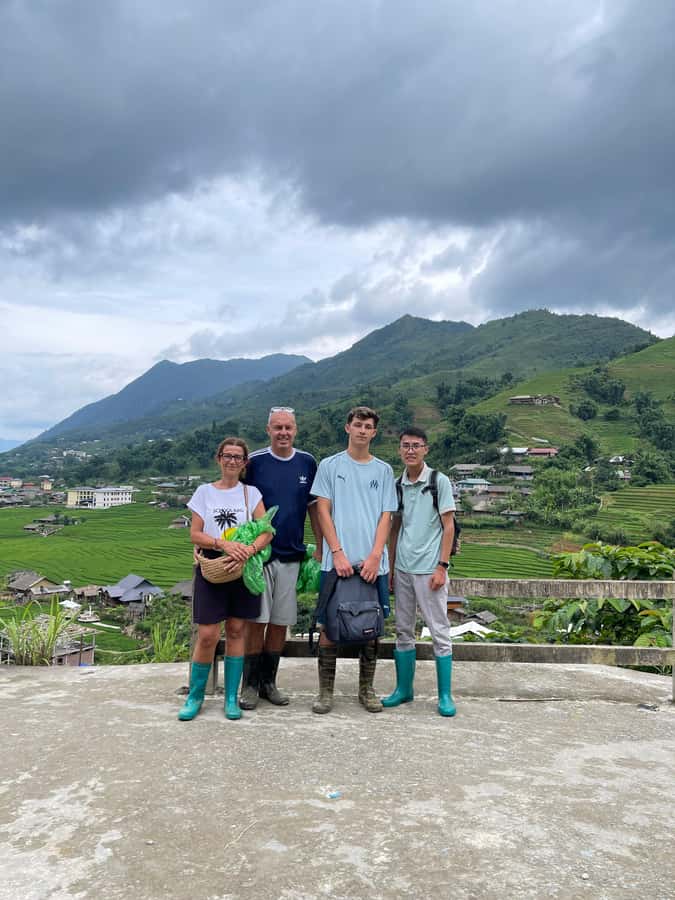
This is the kind of Sapa trip that makes sense because it is built around motion. You start in Sapa town, then head into the Muong Hoa Valley, where rice terraces and valley paths turn a simple day out into something you actually remember. Instead of just snapping photos from a roadside viewpoint, you walk through the same areas people move through every day.
What makes this route special is the balance. You get the scenery people come for, but the stops are also about people, not performance. Y Linh Ho is your first cultural anchor, with the Black Hmong community and its everyday life, including weaving. Then Lao Chai and Ta Van add two more layers of ethnic-minority presence, with local crafts and village architecture changes that you can spot as you keep walking.
At $19 per person, the value is hard to ignore. You are paying for a live guide, village visits, a full-day half-baked schedule that still feels organized, plus an included lunch and round-trip transfer back to town. It is a lot of structure for a small price tag.
More Sapa treks and homestays:
- Sa Pa: Muong Hoa Valley Trek and Local Ethnic Villages
★ 4.6 · 864 reviews - Sapa: Eco Adventure Terrace Fields and Local Villages Trek
★ 4.9 · 636 reviews - From Sapa: 1-Day Guided Trek to Lao Chai & Ta Van with Lunch
★ 4.9 · 416 reviews
Morning meeting: timing that keeps you ahead of the crowds
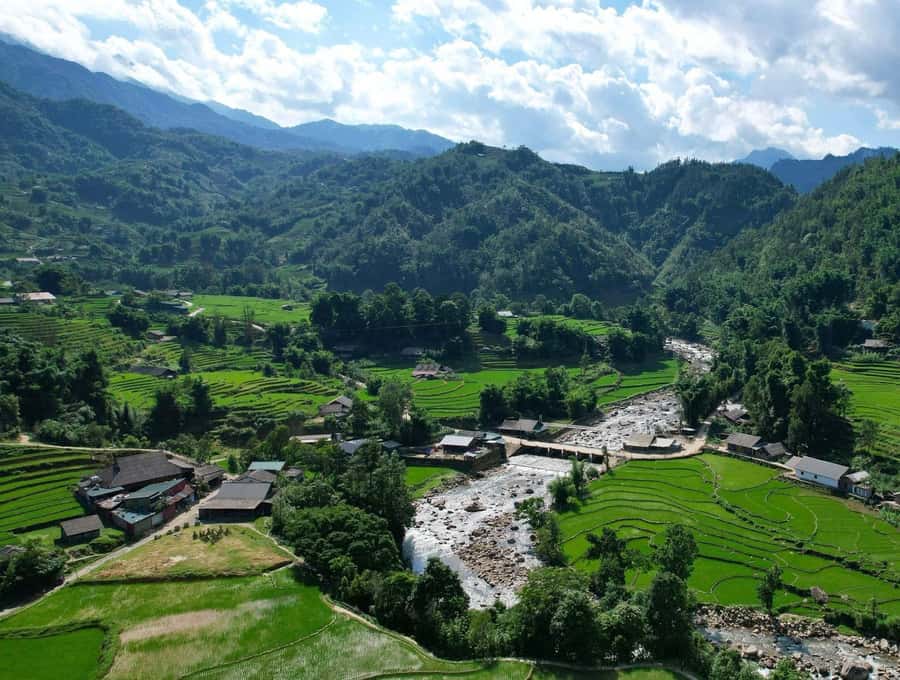
Plan for a morning start around 8:30 AM. You meet your guide at Sapa church or a designated meeting point in Sapa, then get quick orientation and safety tips before you begin walking. This matters more than it sounds. When you start early, you have better light for photos and more energy to handle the downhill sections.
The day runs about 5 to 7 hours, with transfers by car at the beginning and the end. That is a big deal in Sapa because the valley roads can be slow. Here, the car does the job of getting you there and back, and your legs do the job of making the scenery feel real.
One small practical tip: bring your essentials up top in your daypack. The tour recommends comfortable shoes, a hat, camera, sunscreen, and water. If you keep those easy to grab, you will not lose time when you want to stop for a photo or a quick rest.
Y Linh Ho Village: Black Hmong life and weaving you can actually see
Y Linh Ho is where the trip “clicks” for most people. You begin descending into the valley, and the pace naturally slows as views open up across rice terraces and hillside paths.
Once you arrive in Y Linh Ho Village, you are not just touring a viewpoint. You learn about the Black Hmong ethnic group and their traditional customs. The big standout here is the attention to weaving techniques and daily life. When a guide links a craft to the routine that supports it, the craft stops being a souvenir moment and becomes context you can carry with you.
Also, expect the experience to feel conversational. Guide Su is known for explaining details and answering questions in English, so you can ask what you are noticing, like how people live with the seasons and how traditions show up in everyday work. If you like travel that answers your curiosity instead of only pointing at things, this stop delivers.
Lao Chai: village interaction and handicrafts along the valley trail
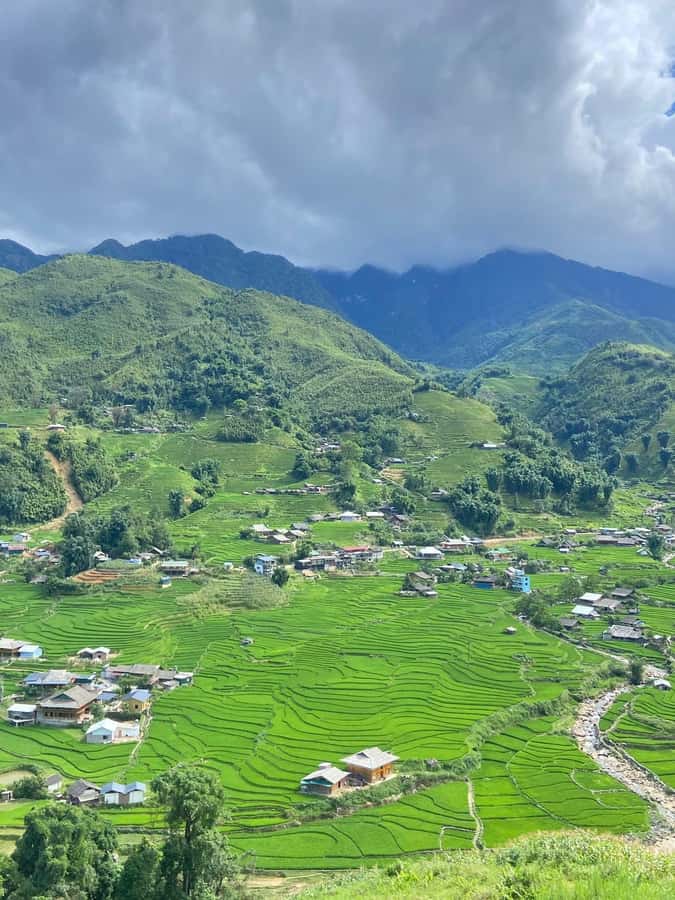
From Y Linh Ho, you keep moving along winding trails toward Lao Chai Village. This section is a good reminder that part of the value is the walking itself. The route gives you repeated chances to look up at rice terraces and down toward streams and paths connecting homes.
In Lao Chai, the focus shifts to local interaction and handicrafts. You will have time to stop for photos, then spend a bit of time meeting people and seeing what they make. That crafting element is important because it is tied to the village economy and the day-to-day skills of the community, not just a display for visitors.
One practical consideration: you might find your time on each stop depends on pace and weather. This is a day tour, not a multi-day trek. So if you want the most out of Lao Chai, stay curious and ask questions when your guide offers context. Su’s style, based on what people highlight, is to keep the story going as you walk, so you are not left standing around wondering what comes next.
Lunch also fits in around this area. You may eat at a local house or a riverside restaurant, depending on the day’s flow. In either case, the point is that your break is built into the route, not tacked on as an afterthought.
More treks around Sa Pa:
- Sapa 1 Day Long Trek: Trek to Hau Thao and Sa Seng Villages
★ 4.6 · 344 reviews - EXPLORE SAPA: 2D1N TREKKING & HMONG CULTURE WITH DINH
★ 4.9 · 191 reviews - Sa Pa: 6-Hours Muong Hoa Valley Trek with Local Ethnic guide
★ 4.5 · 178 reviews - Sa Pa: 2-Day Trekking Trip with Ethnic Minority Homestay
★ 4.7 · 145 reviews
Ta Van Village: Giay community, architecture changes, and a snack break
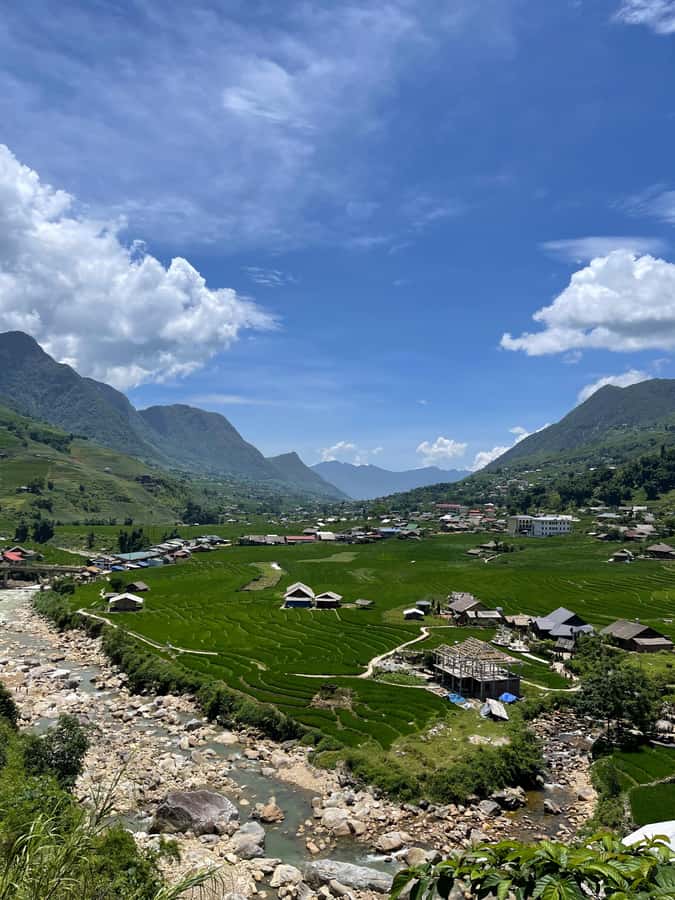
After Lao Chai, you continue deeper into the valley toward Ta Van. This is where the trek feels like a progression, not a checklist. As you move, the village environment changes, and you start noticing different architectural styles tied to the Giay ethnic minority community.
Ta Van is also where the tour gives you a short rest. You can stop at a local homestay or a café, then enjoy traditional snacks. That break does more than prevent fatigue. It gives you a calm moment to reset before the final leg and lets you feel the village rhythm without constantly looking for the next photo angle.
If you like cultural travel that includes food, this is one of the best moments in the day. Even with a short snack stop, it changes how you remember the trek. You are not just walking between locations. You are taking in small sensory details, like what people eat and how they host.
Food and pace: what the included lunch really means
This tour includes lunch at a local house or riverside restaurant. That included meal is part of the value equation at $19, because it prevents the usual Sapa problem of trying to find a workable meal mid-walk. You also avoid the time sink of hunting for change, menus, and prices while your legs are already doing their job.
The lunch itself tends to be framed as part of the day’s cultural flow. You are eating close to where you are walking, and you are likely sharing the moment with your guide and small group. That matters because your guide can keep explaining what you saw earlier, then connect it to what you see next.
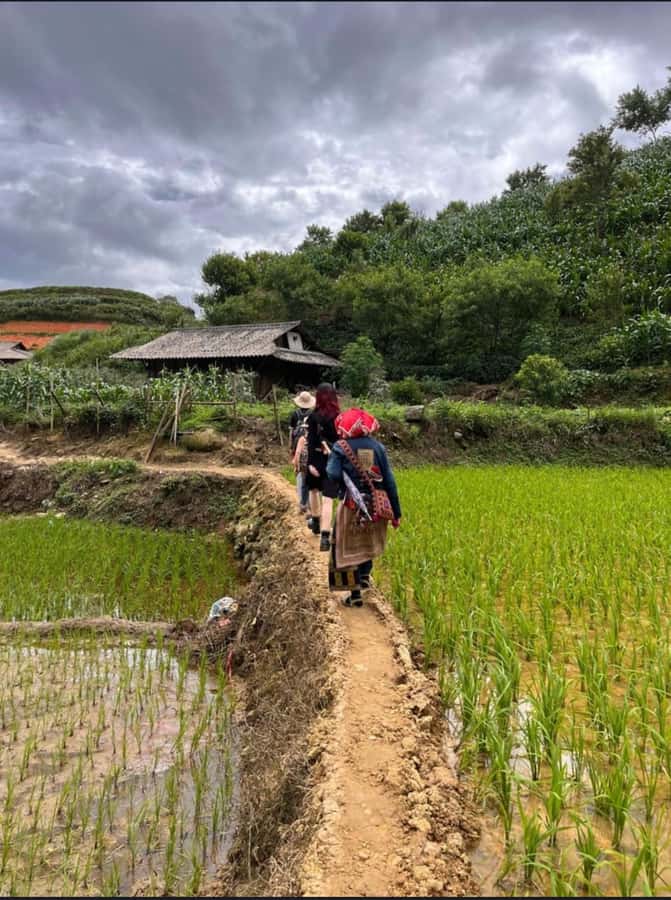
Pace-wise, this is labeled moderate. In real terms, that usually means you should expect steady walking rather than a casual stroll. You will be on trails, and the schedule expects you to keep moving for about 5 to 7 hours total. If you take your time during photo stops, plan to keep a steady effort the rest of the way.
Your guide Su: clear English, village context, and real personal stories
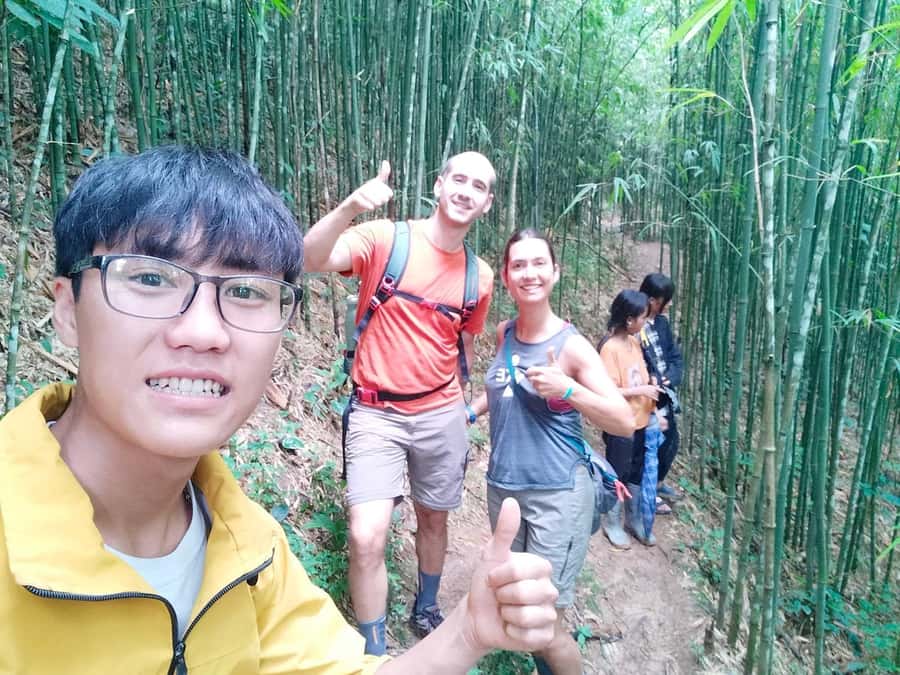
A good trekking guide can make or break your day. For this tour, Su is repeatedly singled out for a reason: he is local, speaks English well, and gives context you can use instead of vague statements.
In particular, people highlight that Su answers lots of questions and provides a human layer to the walk. He shares personal experience living in the area as a farmer, and you may hear his reflections on community topics like marriage, education, and daily life. That kind of conversation changes the whole tone. It turns the trek into a dialogue, not a guided lecture.
Su also appears to keep the group feeling relaxed. There are mentions of small group experiences, which usually means you are not stuck with a slow-moving pack or waiting too long to ask a question. If you want travel where you can talk as you walk, this is a strong match.
Finally, there is something practical about guides who live nearby. You are not just learning facts. You are learning what matters for people who work the land and raise families here. That local perspective is part of why the cultural stops feel grounded.
What to bring for a comfortable Sapa day
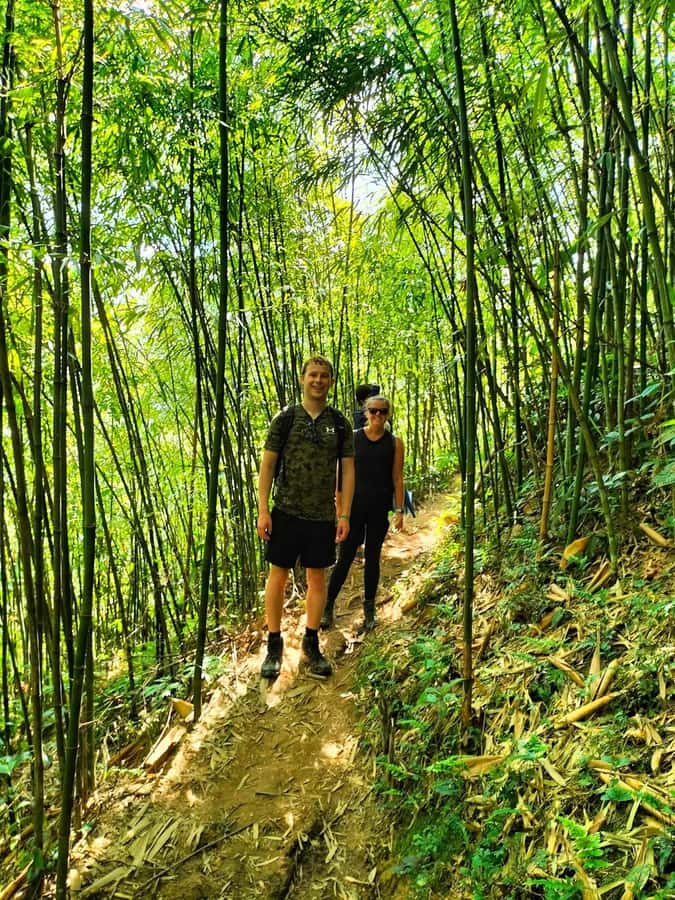
The essentials are simple, and the tour gives you a clear list. Bring comfortable shoes, a hat, camera, sunscreen, and water. Those items cover the big issues on a valley day: foot comfort, sun, heat, and staying hydrated.
Also remember the weather note: conditions can change quickly. The tour asks you to dress accordingly. Since you do not want to lose time dealing with cold or rain mid-walk, I suggest keeping your outfit choices flexible, then adjusting as conditions shift. Layers help, but even without overthinking it, just follow the weather advice and keep your basics ready.
If you carry a daypack, keep it lightweight. You are walking 10 to 12 km, and the best day out is the one where you are not fighting your own gear.
Who should book this tour, and who should skip it
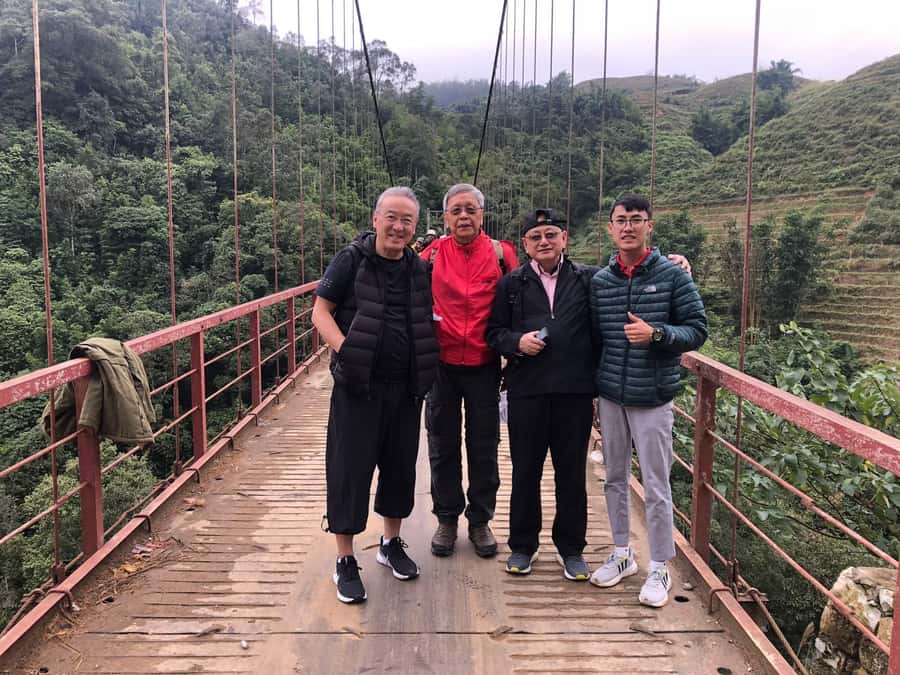
This tour is a good fit if you want a moderate trekking day that mixes scenery with direct cultural contact. You should enjoy village walks, asking questions, and learning what daily life looks like in Sapa beyond the main town.
You are also likely to appreciate this more if you like guided explanations in English and you want a conversational experience. Su’s approach, as described by visitors, centers on answering questions and sharing personal stories rather than just pointing out highlights.
Skip it if you have mobility impairments or low fitness. The trek is not listed as gentle, and it is not designed for wheelchairs or limited walking ability. If you are unsure about your stamina, pick your pace on the trail and be honest with your guide from the start. It is better to manage expectations than to push through discomfort.
Should you book the Y Linh Ho, Lao Chai, and Ta Van day trek?
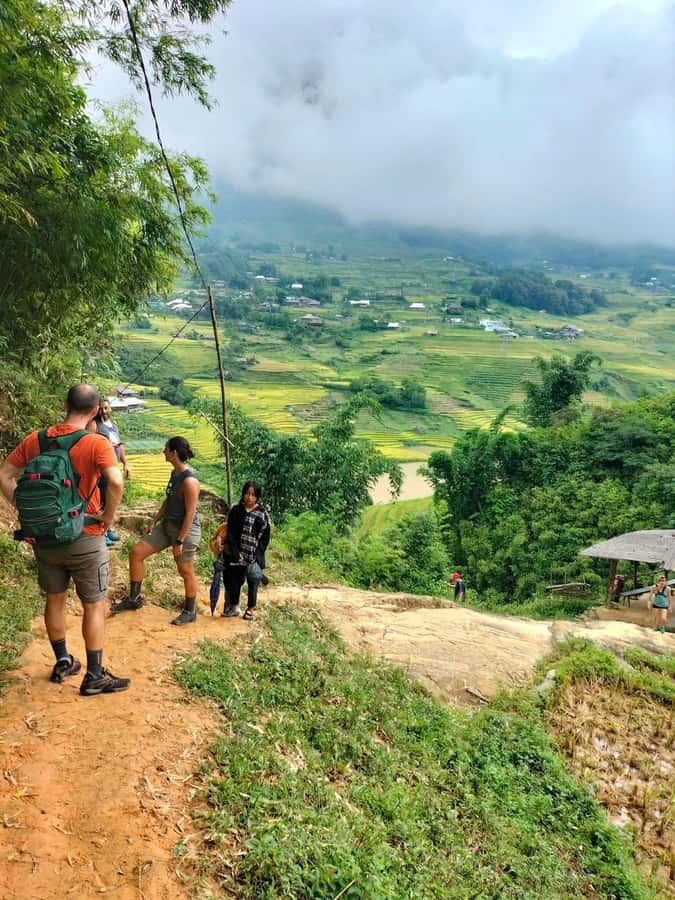
If you want a straightforward way to see Sapa’s rice terraces and meet people in Y Linh Ho, Lao Chai, and Ta Van, this is one of the more value-packed options at $19. The included guide, included lunch, and round-trip transfer back to Sapa remove the usual headaches, so you can focus on the walk and the conversations.
I would book it if you can handle a moderate day on foot and you are comfortable with changing weather. I would also book it if you like the idea of learning from a guide who lives in the area and can answer questions beyond surface-level sightseeing.
A practical note for decision-making: there is a reserve and pay later setup, and cancellations are allowed up to 24 hours in advance for a full refund. That makes it easier to choose based on conditions, not guesswork.
FAQ
How long is the trek on this Sapa day tour?
The trek is about 5 to 7 hours in total.
What activity level is this tour?
It is listed as moderate trekking. It is suitable for people with a moderate fitness level.
Where do I meet my guide in Sapa?
You meet your guide at Sapa church or another designated meeting point in Sapa.
What time does the tour start?
The departure is in the morning, around 8:30 AM.
Which villages are visited during the day?
The tour includes visits to Y Linh Ho Village, Lao Chai Village, and Ta Van Village.
Is lunch included?
Yes. Lunch is included, served at a local house or a riverside restaurant.
Are transfers back to Sapa included?
Yes. You get transfer back to Sapa town by car at the end of the tour.
What should I bring, and who should not join?
Bring comfortable shoes, a hat, a camera, sunscreen, and water. This tour is not suitable for people with mobility impairments or low fitness.
More Hiking & Trekking in Sa Pa
- SAPA: 2-DAY 1-NIGHT TREKKING & CULTURE WITH HMONG GUIDE LINH
★ 4.9 · 126 reviews - Half Day Sapa Trekking to Visit Lao Chai – Ta Van
★ 4.7 · 126 reviews - From Sapa: Waterfalls, Trekking and Tribal Villages Tour
★ 4.6 · 91 reviews - From Sapa: Guided Full-Day Trekking with Lunch and Drop-Off
★ 4.2 · 86 reviews
New listings around Sa Pa
- Sapa: Private The Most Beautiful Terraced Fields Trekking★ 4.8 · 42 reviews
- Sapa: Trekking Sapa One Day With Group Tour★ 4.7 · 55 reviews
- Sapa3D2N TrekkingAdventures,Valleys,Bambooforest,Waterfall★ 4.8 · 24 reviews
- From Sapa: Guided Full-Day Trekking with Lunch and Drop-Off★ 4.2 · 86 reviews
- Sapa: Ta Phin Village Trek with Lunch and Bathing Experience★ 4.7 · 13 reviews
- Sapa Trekking Private Tour With Ethnic Female Tour Guide★ 4.9 · 24 reviews
- Sapa: Ta Phin Village Trek & Red Dao Herbal Bath★ 5.0 · 22 reviews
- Sapa One Day Motorbike Tour★ 4.8 · 13 reviews
Sapa Trekking & Homestays, compared.
Sapa 2 Days 1 Night From Hanoi – Overnight in Ta Van Village
Read our review →

Muong Hoa Valley Trek and Local Ethnic Villages
Read our review →

Sapa 3 Days 2 Nights Trekking Tour (1 Night In Ta Van Village, 1 Night In Hotel)
Read our review →
Eco Adventure Terrace Fields and Local Villages Trek
Read our review →
3-Day Trekking Adventure of Sapa from Hanoi – Stay Ta Van Village
Read our review →
Number one top rated ethical cultural trekking and homestay by ETHOS
Read our review →Browse the lists this tour appears in