
Reviewed · SAPA TREKKING & HOMESTAYS
Sa Pa: 2-Day Trekking Trip with Ethnic Minority Homestay
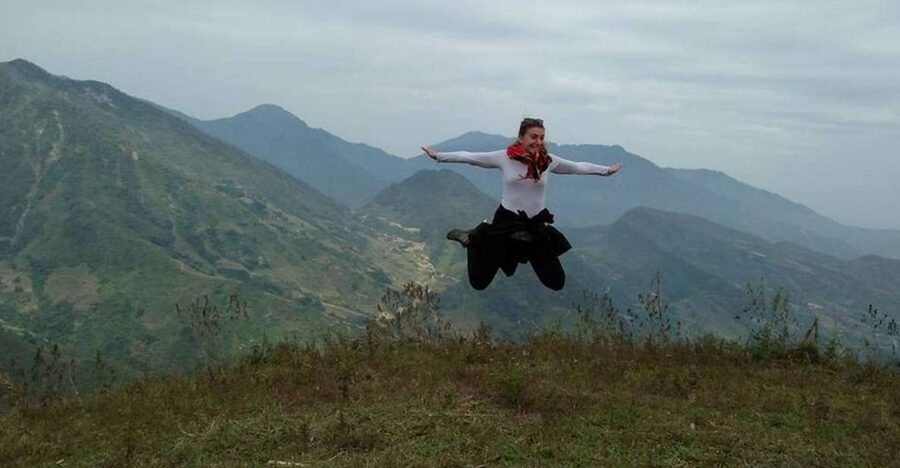
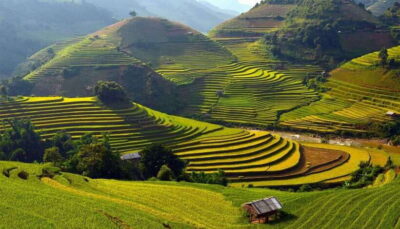
Rice terraces and village stories, in two hiking days. This Sa Pa trek puts you in the Muong Hoa Valley for mountain views, ethnic minority villages, and a real overnight at a Dzay homestay.
I especially like two things here: the small-group feel, with an English-speaking guide and a pace that stays manageable, and the cultural payoff of sleeping in a Dzay home, with a hosted dinner and a look at daily customs.
One possible drawback: it is walking on dirt paths, so rain can mean slippery mud, longer effort, and less comfort at the end of the day.
In This Review
- Key things to know before you go
- Where Sa Pa starts your Muong Hoa Valley trek
- Day 1: Y Linh Ho, Lao Chai, Ta Van, plus Black H’mong village time
- Sleeping with the Dzay: dinner, customs, and a real homestay night
- Day 2: Bamboo forest, Giang Ta Chai, waterfall break, and a river swim
- Pace, footwear, and why muddy weather is the real boss
- Cultural value: how to interact with the villages respectfully
- Price and what $55 actually covers
- Who should book this trek, and who should pass
- Should you book this 2-day homestay trek?
- FAQ
- How much does the Sa Pa 2-day trekking trip cost?
- What is included in the price?
- What is not included?
- How far do you trek each day?
- Do you get pickup from your hotel?
- What should I bring?
- Is this trek suitable for kids or people with mobility issues?
Key things to know before you go
- Small group (up to 14) keeps the experience more human and easier to manage on narrow paths
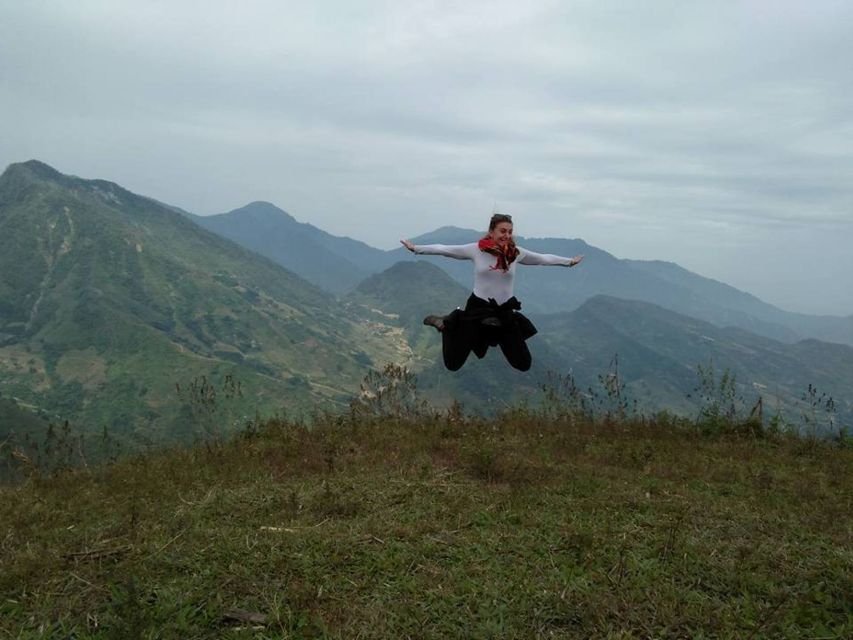
- Muong Hoa Valley viewpoints plus rice terraces around Fan Si Pan make the hike feel like a living photo
- Village visits along the way connect you with Black H’mong and H’mong settlements
- Dzay homestay night includes a hosted dinner and homestay breakfast, not just a place to sleep
- Day 2 extras include a bamboo forest, a waterfall break, and a swim in the Muong Hoa River
- Bring the right gear because the trek can get muddy, and comfort at the homestay varies
Where Sa Pa starts your Muong Hoa Valley trek
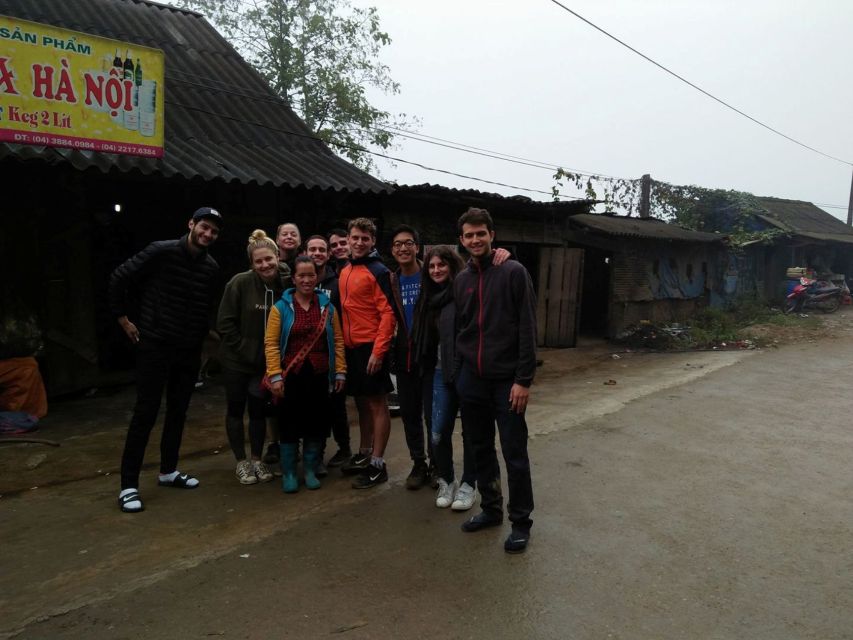
This trip is based out of Sa Pa, with hotel pickup in the town center. You are then set up for two days of trekking through the Muong Hoa Valley, with village stops along the way and a return drive by bus to Sa Pa.
The best part is how the route flows. You go from village paths and wooden house life, to wide valley views, then into quieter stretches like the bamboo forest. It feels like you are walking through the region, not just checking boxes.
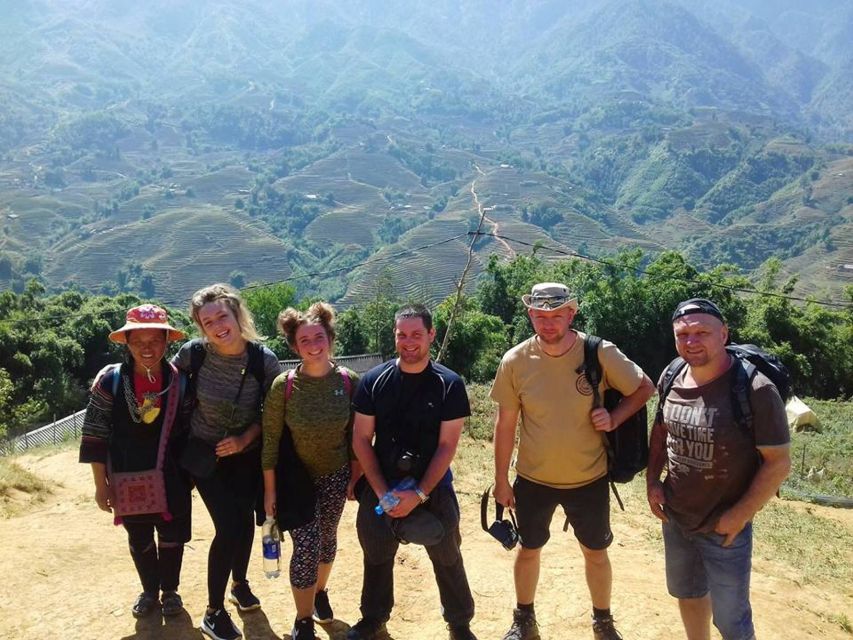
Also, the group size matters. With a limit of 14 participants, you are less likely to get lost in the crowd, and your guide can keep an eye on the pace and footing.
More Sapa treks and homestays:
- Sa Pa: Muong Hoa Valley Trek and Local Ethnic Villages
★ 4.6 · 864 reviews - Sapa: Eco Adventure Terrace Fields and Local Villages Trek
★ 4.9 · 636 reviews - From Sapa: 1-Day Guided Trek to Lao Chai & Ta Van with Lunch
★ 4.9 · 416 reviews
Day 1: Y Linh Ho, Lao Chai, Ta Van, plus Black H’mong village time
Your first day centers on a 11 km trek through the Muong Hoa Valley. After pickup, you start toward Y Linh Ho, where you meet the Black H’mong community and take in the surrounding rice paddies. Fansipan shows up in the mix on clear stretches, and the valley views can be eye-catching even when the light changes fast.
From there, you pass through areas that feel like they belong to different parts of the same cultural mosaic. The route takes you past places like Lao Chai as you head onward to Ta Van. The trekking itself is not just a corridor between villages, either. You are moving through small settlements and looking at how everyday life is built around the terrain.
One practical note: Day 1 is also when weather can change everything. If it is raining, expect slippery sections and more need for careful steps. The good news is that you are not alone out there. Some local women help support the group on the tougher stretches, so you can keep moving without panicking.
Sleeping with the Dzay: dinner, customs, and a real homestay night
You will spend the night in a Dzay ethnic minority homestay in Ta Van. This is the cultural heart of the whole trip, and it is why the overnight matters. You are not just touring villages from the outside. You are eating, resting, and seeing the homestay rhythm from inside.
Meals are built into the experience. You get a hosted dinner in the village and a breakfast at the homestay. Many people also say the food is genuinely tasty, which is a big deal after a day of walking and shifting focus from scenery to hunger.
If your guide is named Lan or Khu, you may hear extra context while you walk and while you sit down to eat. Several groups note excellent English and a warm, helpful teaching style. That can turn the homestay from a quick stop into a story you can actually repeat later.
Comfort varies by homestay, though. Some stays include helpful extras like internet access and outlets, but you should not plan on having modern comforts. A few travelers also mentioned bedbugs in some beds in the homestay, so bring a lightweight sleep sheet or at least take a moment to check the bedding before you settle in.
Evenings can be quiet. The upside is you get a slower pace and real conversations, plus time to dry out your layers if the weather turned.
Day 2: Bamboo forest, Giang Ta Chai, waterfall break, and a river swim
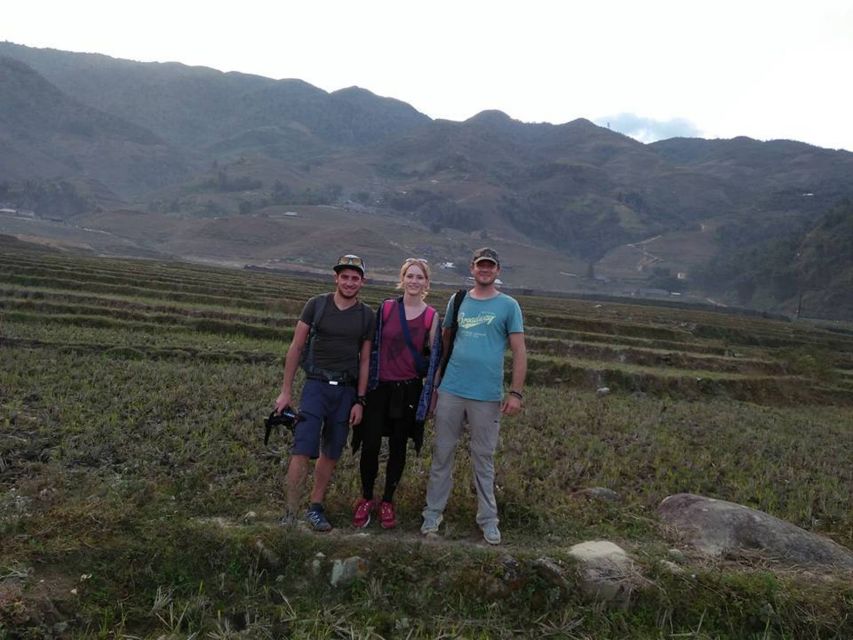
Day 2 starts with breakfast at the homestay, then moves into an 8 km trek with more nature and fewer village-only moments. The path is along a dirt trail, with a stretch that includes a small H’mong settlement before the bamboo forest opens up.
The bamboo forest is one of those areas where the air feels cooler and the walking becomes more focused. It is not just scenery. It changes your pace and attention, so you feel the trek shift from village-to-village to trail and landscape.
After that, you reach a waterfall break. This is where you can cool off, and then the program includes a swim in the Muong Hoa River. If you want to actually do it, bring a quick-dry layer and something to keep your things secure.
You also get lunch at a local restaurant before you drive back to Sa Pa. That meal is a good reset after the river and the final trekking sections. By the time you reach Sa Pa, you will feel like you finished a full mini-adventure, not just a light hike.
More treks around Sa Pa:
- Sapa 1 Day Long Trek: Trek to Hau Thao and Sa Seng Villages
★ 4.6 · 344 reviews - EXPLORE SAPA: 2D1N TREKKING & HMONG CULTURE WITH DINH
★ 4.9 · 191 reviews - Sa Pa: 6-Hours Muong Hoa Valley Trek with Local Ethnic guide
★ 4.5 · 178 reviews - SAPA: 2-DAY 1-NIGHT TREKKING & CULTURE WITH HMONG GUIDE LINH
★ 4.9 · 126 reviews
Pace, footwear, and why muddy weather is the real boss
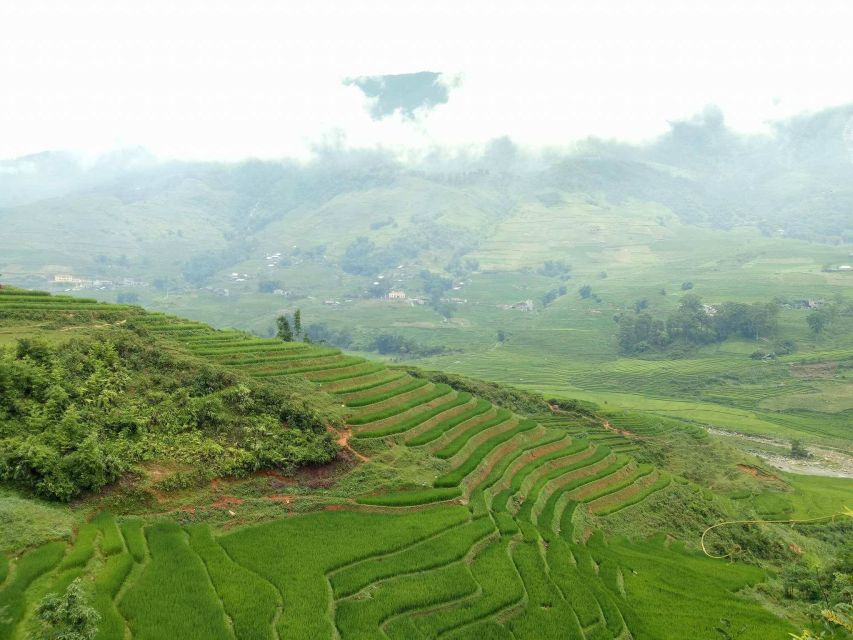
This trek is not described as extreme, but it is still meaningful walking. You cover 11 km on Day 1 and 8 km on Day 2, and most of it is on dirt paths through mountain villages and terraced areas.
Footwear is the make-or-break item. Wear comfortable trekking shoes with grip. You can have the right attitude and still slip on wet ground, especially when you are stepping down into valley areas.
Clothing matters too. From October to March, warm layers are recommended because nights and mornings can feel chilly. Even in warmer months, bring a light layer. The weather in the mountains can change quickly, and that affects how your muscles feel at the end of the day.
Sunglasses and sunscreen are not optional if the sun breaks through. And bring insect repellent, because you are in rural areas where bugs are part of the deal.
One more reality check: the trek is not suitable for people with mobility impairments, back problems, or anyone who is pregnant. It is also not appropriate for disabled travelers and children under 6. If any of those apply, you will be better served by a gentler option in Sa Pa.
Cultural value: how to interact with the villages respectfully
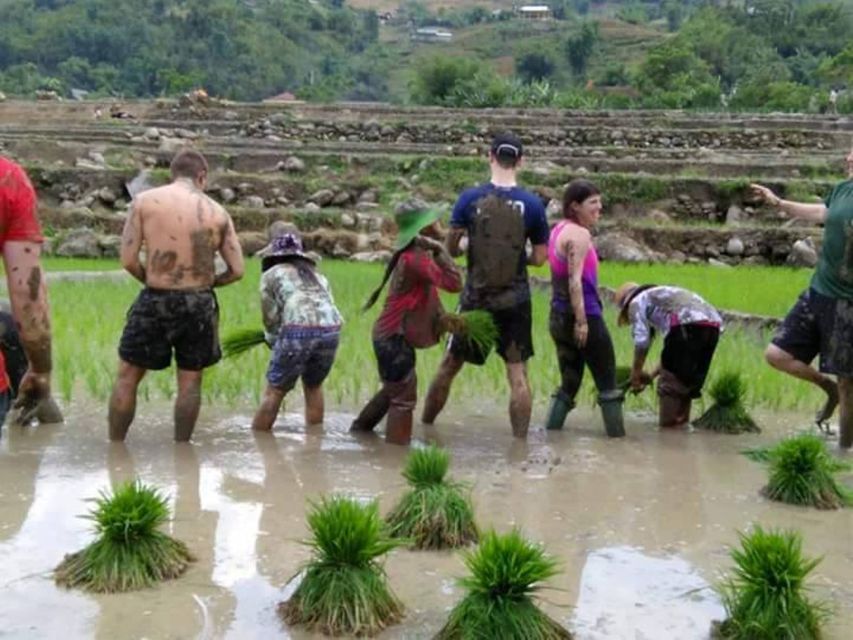
The cultural value here comes from the structure. You meet ethnic minority communities, you see typical wooden houses, and you stay overnight in a Dzay homestay. That combination gives you more than photos. It gives you context for how people live around the valley.
To keep it respectful, follow the trip’s core instruction: respect local culture. That means dressing appropriately, staying polite in conversations, and remembering that you are a visitor in someone’s home and community.
You might also run into people along the route who hope you buy something. In one account, this felt pushy to a traveler. You can avoid stress by going with a calm mindset, setting your expectations, and deciding in advance whether you want to budget for small purchases. A small plan helps you stay confident and courteous.
Finally, let your guide do the interpreting. When guides like Lan or Khu explain what you are seeing, the trip becomes easier to understand. It also makes your interactions feel more natural rather than random.
Price and what $55 actually covers
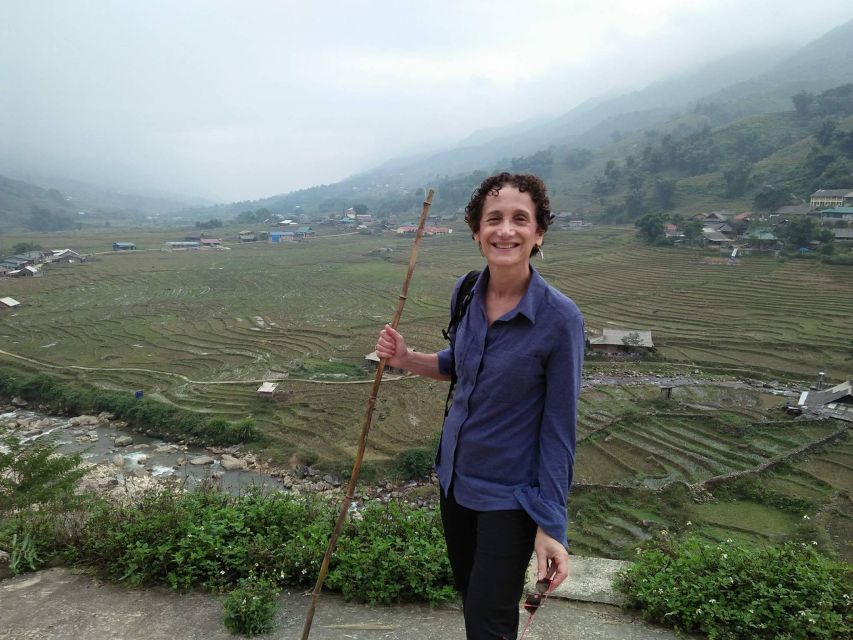
At $55 per person, this trek can be great value if you compare it to the cost of doing similar experiences independently. Here is what you typically get for that price:
- An English-speaking guide
- Entrance tickets to the sites indicated by the guide
- Two lunches at a local restaurant
- One hosted dinner at the village homestay
- One breakfast at the homestay
- Mineral water
- Return transfer by bus, plus pickup from hotels in central Sa Pa
What is not included is simpler: drinks are extra. There is also a USD 30 per person surcharge for Lunar New Year, running from January 26 to February 2, 2025, paid at the meeting point.
For value, the overnight is the big piece. Many day treks skip the full home experience. Here, you get an actual Dzay homestay night plus meals that connect to the community setting. If you care about food and cultural time as much as views, the price starts to make a lot more sense.
Who should book this trek, and who should pass
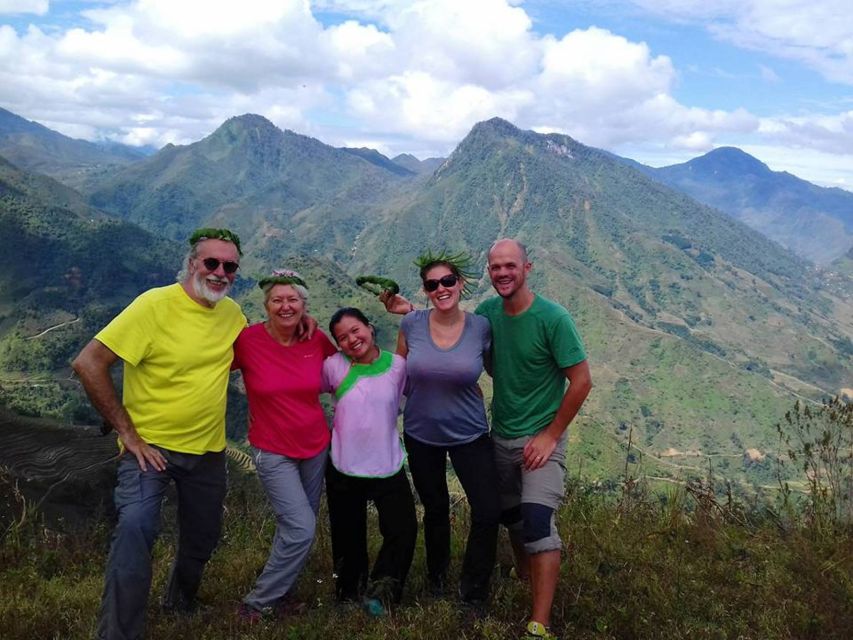
You should seriously consider this if you want a balanced mix of hiking and culture. It is a good match if you like meeting people, learning through guided explanations, and spending one night in a homestay setting. The small group size also helps if you want a more personal feel.
It also fits well if you enjoy moderate effort. Many people say the hikes are not too difficult, but the terrain is still real, and rain makes it tougher. If you have decent walking ability and you pack well, you are in the sweet spot.
Pass on it if you need fully accessible options or you have medical limitations like back problems. It is also not a fit for pregnant travelers, kids under 6, or anyone who struggles with muddy, uneven ground.
Should you book this 2-day homestay trek?
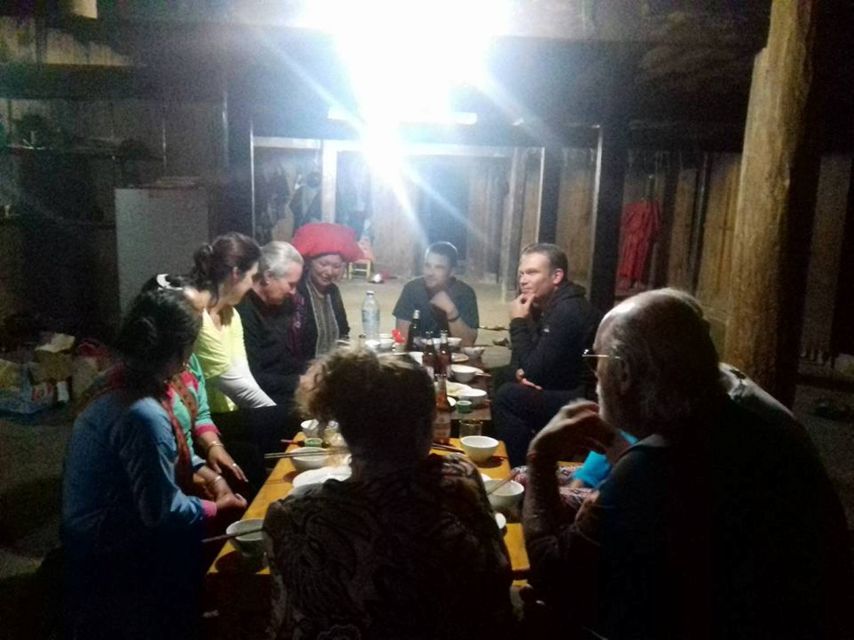
Book it if you want a guided walk through rice terraces and ethnic minority villages, with the key cultural moment of a Dzay homestay dinner and breakfast. The small group size, English guidance, and the natural extras on Day 2, like the bamboo forest and river swim, make it feel like a complete 2-day experience rather than a quick tour.
Hold off if weather and footing are your biggest concerns, or if you cannot handle muddy trails. Also, if you are sensitive about sleep environments, plan ahead with a sleep sheet and take a close look at bedding.
If you match the physical and comfort reality, this is one of those Sa Pa trips that leaves you with stories you can actually tell, not just pictures you forgot a week later.
FAQ
How much does the Sa Pa 2-day trekking trip cost?
It costs $55 per person.
What is included in the price?
The price includes an English-speaking guide, entrance tickets to the sites indicated, two lunches at local restaurants, one hosted dinner in the village, one breakfast at the homestay, mineral water, and return transfer by bus.
What is not included?
Drinks are not included. There is also a Lunar New Year surcharge of 30 USD per person, paid at the meeting point, for January 26 to February 2, 2025.
How far do you trek each day?
Day 1 includes about 11 kilometers of trekking. Day 2 includes about 8 kilometers of trekking.
Do you get pickup from your hotel?
Yes. Pickup is available at hotels in Sa Pa’s town center.
What should I bring?
Bring comfortable shoes, warm clothing, sunglasses, trekking shoes, sunscreen, and insect repellent.
Is this trek suitable for kids or people with mobility issues?
No. It is not suitable for disabled people and children under 6 years old, and it is also not suitable for pregnant women or people with back problems or mobility impairments.
More Hiking & Trekking in Sa Pa
- Half Day Sapa Trekking to Visit Lao Chai – Ta Van
★ 4.7 · 126 reviews - From Sapa: Waterfalls, Trekking and Tribal Villages Tour
★ 4.6 · 91 reviews - From Sapa: Guided Full-Day Trekking with Lunch and Drop-Off
★ 4.2 · 86 reviews - From Sapa: Terrace Fields and Local Villages Trek with Lunch
★ 4.3 · 77 reviews
New listings around Sa Pa
- Sapa: Private The Most Beautiful Terraced Fields Trekking★ 4.8 · 42 reviews
- Sapa: Trekking Sapa One Day With Group Tour★ 4.7 · 55 reviews
- Sapa3D2N TrekkingAdventures,Valleys,Bambooforest,Waterfall★ 4.8 · 24 reviews
- Sapa: Y Linh Ho – Lao Chai, and Ta Van Trekking Day Tour★ 5.0 · 25 reviews
- From Sapa: Guided Full-Day Trekking with Lunch and Drop-Off★ 4.2 · 86 reviews
- Sapa: Ta Phin Village Trek with Lunch and Bathing Experience★ 4.7 · 13 reviews
- Sapa Trekking Private Tour With Ethnic Female Tour Guide★ 4.9 · 24 reviews
- Sapa: Ta Phin Village Trek & Red Dao Herbal Bath★ 5.0 · 22 reviews
Sapa Trekking & Homestays, compared.
Sapa 2 Days 1 Night From Hanoi – Overnight in Ta Van Village
Read our review →
Muong Hoa Valley Trek and Local Ethnic Villages
Read our review →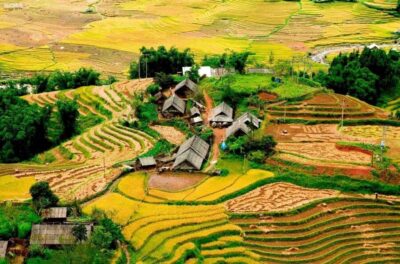
Sapa 3 Days 2 Nights Trekking Tour (1 Night In Ta Van Village, 1 Night In Hotel)
Read our review →
Eco Adventure Terrace Fields and Local Villages Trek
Read our review →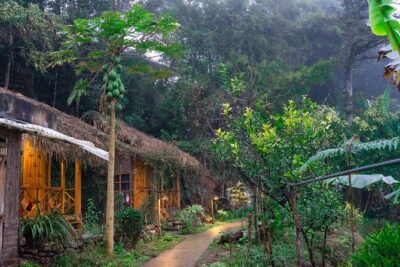
3-Day Trekking Adventure of Sapa from Hanoi – Stay Ta Van Village
Read our review →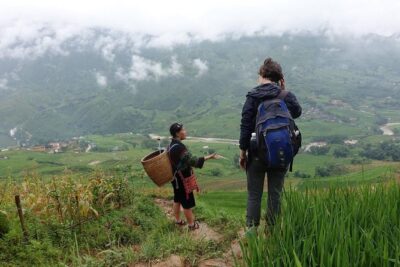
Number one top rated ethical cultural trekking and homestay by ETHOS
Read our review →Browse the lists this tour appears in