
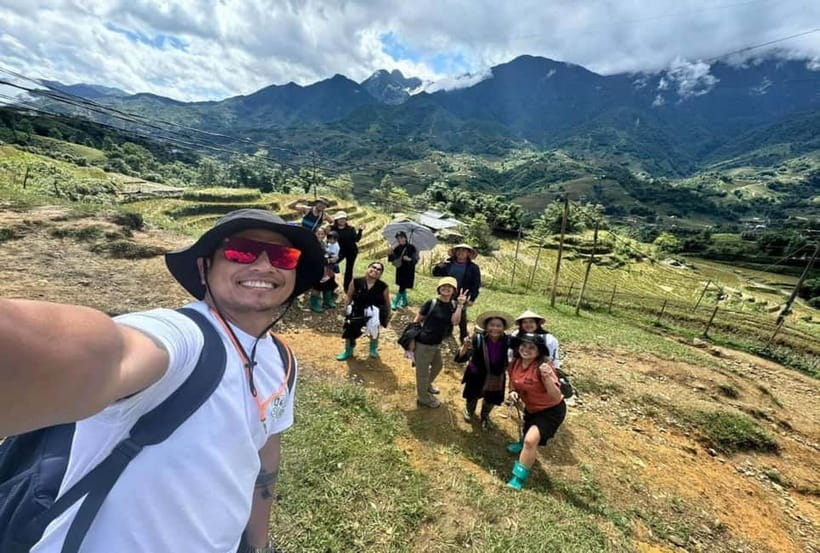
Reviewed · SAPA TREKKING & HOMESTAYS
SAPA: 2-DAY 1-NIGHT TREKKING & CULTURE WITH HMONG GUIDE LINH
Sapa’s mountain trails feel like a moving photo album. This 2-day, 1-night trek takes you through Muong Hoa Valley and into hill-tribe villages with Black H’mong, Giay, and Red Dao communities, plus an overnight family homestay. I like that it’s built for small groups, so you can ask questions and adjust your pace without the tour feeling rushed.
You also get hands-on culture time, from crossing suspension bridges to a cooking class making spring rolls and an evening in the family setting. One drawback to plan for: the trekking is moderately challenging with uneven paths, and the homestay setup is simple, not hotel-style luxury.
In This Review
- Key things I’d watch for before you go
- Why this Sapa trek is more than just scenery
- Meeting at Sapa Stone Church, then heading into the valley
- Day 1: Y Linh Ho, Lao Chai, Ta Van, and spring rolls at night
- Y Linh Ho: Black H’mong village life
- Lao Chai: bigger H’mong community and old stone carvings
- Ta Van: Giay and H’mong, suspension bridges, and homestay check-in
- Evening: spring rolls cooking class and dinner
- Where each village stop changes the way you see Sapa
- Black H’mong viewpoints are about farmland and daily rhythm
- Lao Chai adds depth with older stone details
- Ta Van and its bridges make the valley feel close
- Overnight homestay: simple, cozy, and genuinely social
- Food is part of the experience, not an afterthought
- Evening fun: happy water, games, and karaoke
- Day 2: Red Dao herbal traditions, bamboo forests, and a return by 14:30
- Giang Ta Chai: Red Dao culture and waterfall-and-bamboo walking
- Supan village: hilltop views and lunch
- Difficulty and weather: how to handle Sapa reality
- What to bring (and what to prioritize)
- Weather can change the route
- Price and value: why this one costs so little
- What you’re paying for (besides the views)
- Who this trek fits best, and who should reconsider
- Should you book this Sapa 2-day trek with Linh?
- FAQ
- What time does the trek start, and where do we meet?
- How long is the trek, and how far do you walk?
- Is this trek easy or moderately challenging?
- What meals are included?
- What kind of accommodation is the homestay?
- What should I bring for the hike?
- Is there a guide, and do they speak English?
- How do transfers work on this tour?
- What happens if the weather is bad?
Key things I’d watch for before you go
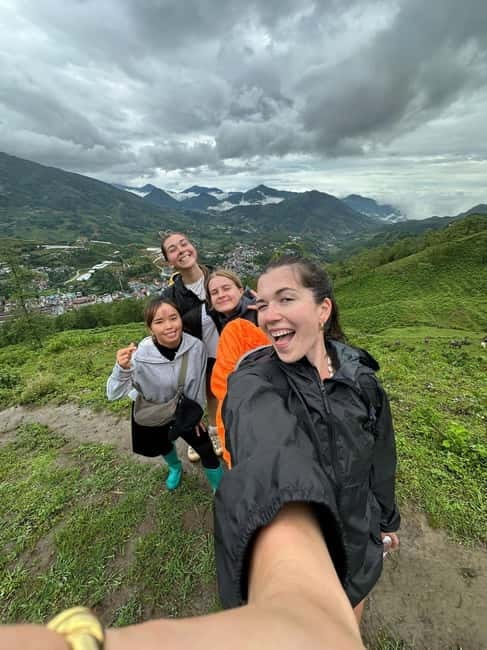
- Muong Hoa Valley rice terraces: Expect big views, terraced fields, bamboo areas, and misty mountain scenery.
- Three ethnic communities in one trip: Black H’mong (Y Linh Ho and Lao Chai), Giay and H’mong (Ta Van), and Red Dao (Giang Ta Chai).
- Overnight in a family-run homestay: Cozy rooms, family meals, and evening games, often including karaoke.
- Trail time adds up: Around 19 km total, with steep, uneven village paths and natural terrain.
- Route may adjust if weather turns: If conditions are unsafe, your guide may change the plan.
- Bring the right trekking gear: Shoes matter most here, plus sunscreen, insect repellent, and a change of clothes.
Why this Sapa trek is more than just scenery
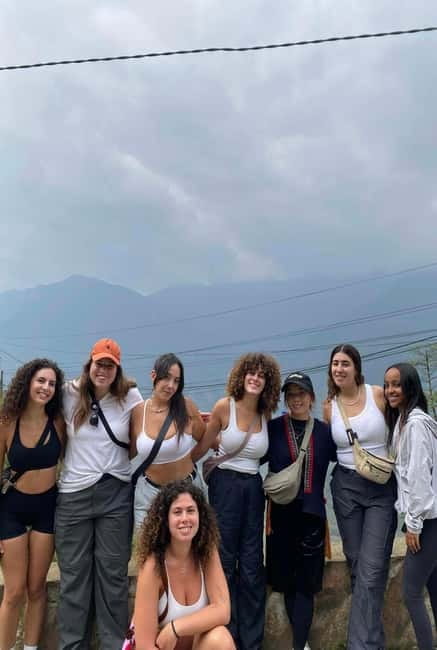
Sapa gets romantic fast. The problem is, some tours turn it into a checklist of viewpoints and then hurry you along. This one slows down just enough to feel human: you walk the valley trails, step into working village life, and sleep where the family actually lives.
What makes it especially good value is how many “days worth” of moments you pack in for a low price point. You’re not only hiking rice terraces, you’re also eating together, learning local food habits, and hearing stories from your guide as you go. If you like travel that’s active but still warm and social, you’ll probably enjoy this format.
More Sapa treks and homestays:
- Sa Pa: Muong Hoa Valley Trek and Local Ethnic Villages
★ 4.6 · 864 reviews - Sapa: Eco Adventure Terrace Fields and Local Villages Trek
★ 4.9 · 636 reviews - From Sapa: 1-Day Guided Trek to Lao Chai & Ta Van with Lunch
★ 4.9 · 416 reviews
Meeting at Sapa Stone Church, then heading into the valley
The tour starts at Sapa Stone Church (Nhà Thờ Đá Sapa) in central Sapa. Aim to arrive by 9:00 AM so everyone can leave promptly. Your guide meets you at the entrance with a sign or name tag, and the trek begins southeast from town.
This part matters because Sapa is busy in the morning. Getting an early start helps you avoid the day’s hottest stretch and gives you more chances to see the valley before fog thickens or crowds increase.
Also, if you already have a hotel in Sapa, you’re encouraged to leave most of your luggage there. The highlight here is light trekking with less dragging bags around steep stairs and footpaths.
Day 1: Y Linh Ho, Lao Chai, Ta Van, and spring rolls at night
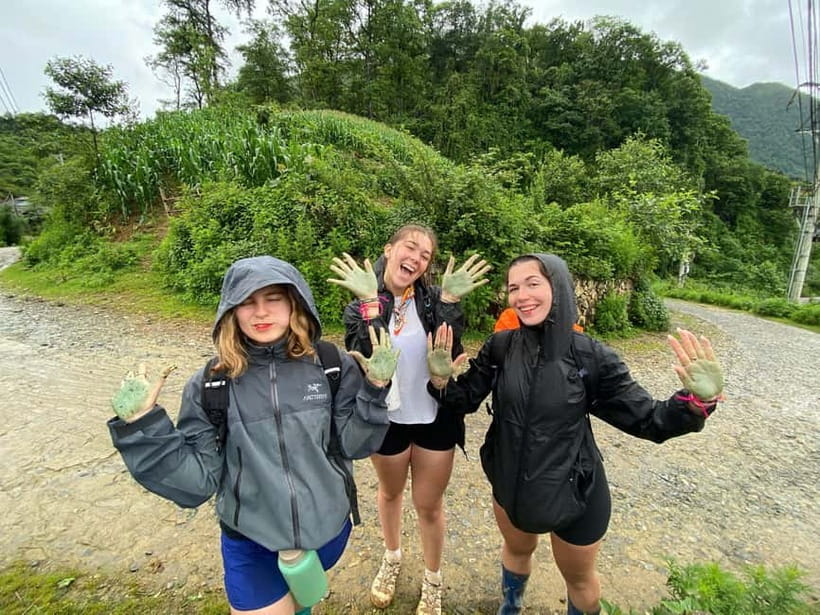
Day 1 covers about 12 km and takes roughly 5 to 6 hours. You’ll start with a big “valley opening” trek from town into Muong Hoa Valley, where the views can feel endless, especially when terraced fields step down toward misty mountains.
Y Linh Ho: Black H’mong village life
You’ll visit Y Linh Ho, home of the Black H’mong. The village scene is wooden and bamboo houses tucked around rice terraces. This is one of those stops where you’ll quickly understand that these aren’t “sets” for tourists. People live here year-round, and the fields you’re walking through are connected to their farming cycle.
More treks around Sa Pa:
- Sapa 1 Day Long Trek: Trek to Hau Thao and Sa Seng Villages
★ 4.6 · 344 reviews - EXPLORE SAPA: 2D1N TREKKING & HMONG CULTURE WITH DINH
★ 4.9 · 191 reviews - Sa Pa: 6-Hours Muong Hoa Valley Trek with Local Ethnic guide
★ 4.5 · 178 reviews - Sa Pa: 2-Day Trekking Trip with Ethnic Minority Homestay
★ 4.7 · 145 reviews
Lao Chai: bigger H’mong community and old stone carvings
Next comes Lao Chai, one of the largest H’mong communities in the area. You can see ancient stone carvings, and the valley energy feels more active here, with more day-to-day village movement.
One practical note: these days often include short uphill sections and uneven ground. Even when it looks like “just a path,” your feet will thank you for wearing real hiking shoes.
Ta Van: Giay and H’mong, suspension bridges, and homestay check-in
Then you reach Ta Van, home of the Giay and H’mong communities. This area is known for beautiful valley views, and you’ll cross suspension bridges during your walk. It’s a fun break from steady uphill hiking because it forces you to slow down and look around.
After trekking, you check into a family homestay. The important part isn’t fancy furniture, it’s the welcome and the sense that dinner happens because you’re there, not because a schedule demands it.
Evening: spring rolls cooking class and dinner
Night falls, and you get a cooking class where you make spring rolls (then eat a hearty dinner). Many groups also spend time chatting and playing games afterward, and karaoke shows up at some homestays. It’s informal, good-natured, and a strong contrast to the “only take photos” style of travel.
Where each village stop changes the way you see Sapa
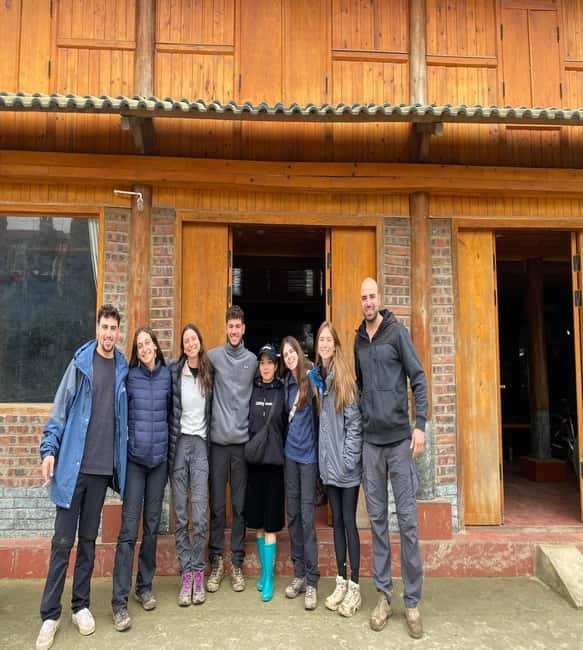
This trek stands out because it moves through different communities instead of repeating the same kind of viewpoint. Here’s how the stops feel in real time.
Black H’mong viewpoints are about farmland and daily rhythm
When you’re near the Black H’mong area, the focus tends to be on rice terraces and the way homes connect to the fields. You’ll often get a mix of scenery and conversation, with your guide explaining what you’re seeing and why it matters.
Lao Chai adds depth with older stone details
At Lao Chai, the presence of ancient stone carvings adds a layer that’s not just scenery. It helps you understand that this region isn’t only “pretty mountains,” it also has long-standing cultural markers in daily spaces.
Ta Van and its bridges make the valley feel close
Ta Van is where the valley feels closest. Bridges create natural pauses in the walking flow. You get moments to breathe, take photos, and realize you’re traveling through a lived-in geography, not a theme park.
Overnight homestay: simple, cozy, and genuinely social
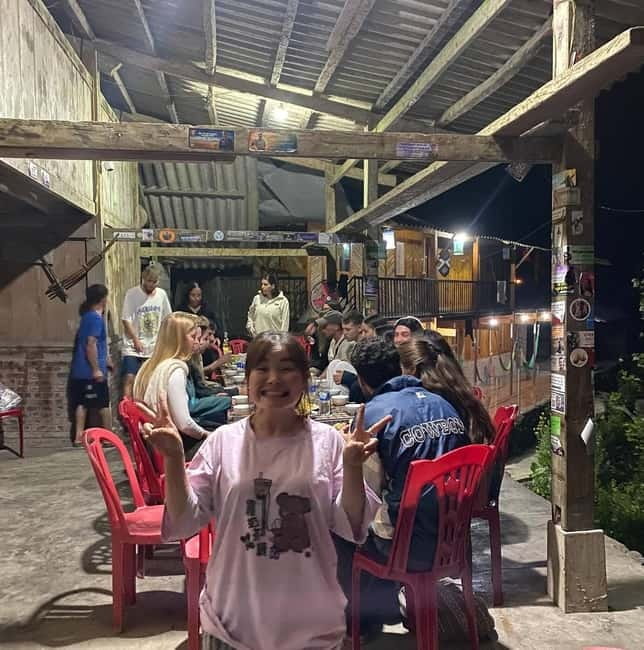
Your night is in a traditional family homestay. In plain terms, expect basic comfort. This is not a resort experience. Beds are simple, rooms may be modest, and the real upgrade is your access to family meals, shared stories, and an environment that feels lived-in.
That said, many people report that rooms are clean and that there is access to showers and toilets. The homestay can also be a good spot to catch views if the weather clears a bit, since mornings in the valley often bring dramatic light.
Food is part of the experience, not an afterthought
All meals are included on the tour: lunch and dinner on Day 1, plus breakfast and lunch on Day 2. On top of that, the homestay dinner is a big part of why people come back smiling. You can expect homemade cooking, and some groups note vegetarian options as well, so if you have dietary needs, it’s worth telling your guide.
Evening fun: happy water, games, and karaoke
Many groups describe evening entertainment like happy water, games, and karaoke. It’s not staged. It’s just the family inviting you into their downtime. If you’re shy, you might feel awkward for ten minutes. Then the atmosphere usually does what it always does on homestays: it turns strangers into people.
Day 2: Red Dao herbal traditions, bamboo forests, and a return by 14:30
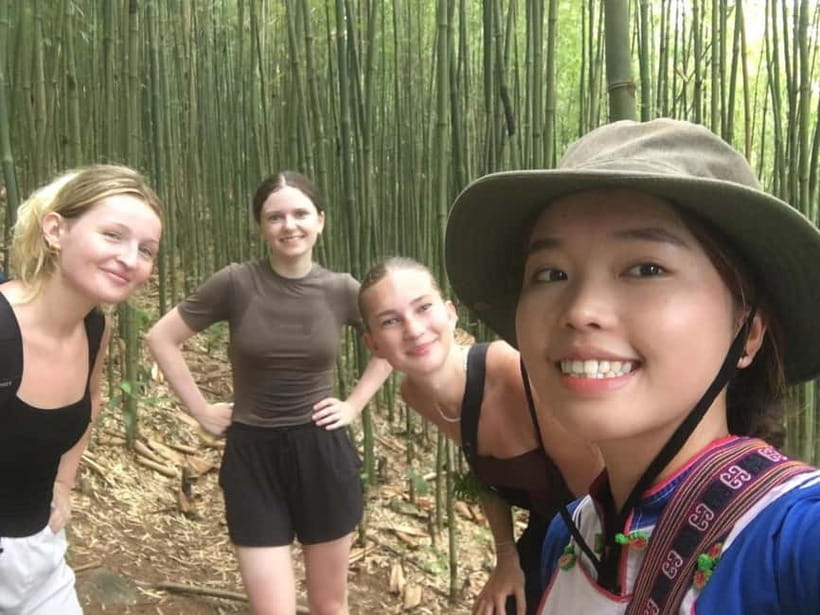
Day 2 is shorter at about 6 km and 3 to 4 hours. You start in the morning with a homemade breakfast and then head out again through village paths and valley scenery.
Giang Ta Chai: Red Dao culture and waterfall-and-bamboo walking
You’ll visit Giang Ta Chai to meet the Red Dao, known for their red headdresses and traditions such as herbal bath practices. The walk here is often the “wow” day because you’re likely to pass waterfalls, cross suspension bridges, and spend time in bamboo forests.
This is also one of the more visually fun segments, because bamboo shade and waterfall sounds break up long sun exposure. Still, it can get slippery near water. Go slow on rocks and roots.
Supan village: hilltop views and lunch
Then comes Supan, a quieter hilltop community with valley views. Lunch is typically at a small family restaurant. It’s usually a lighter, calmer-feeling stop compared with the earlier village visits.
At around 14:30, you take a bus transfer back to Sapa Church, which keeps the day from turning into an exhausting end-to-end hike. You still get hiking time, just not a full-day grind.
Difficulty and weather: how to handle Sapa reality
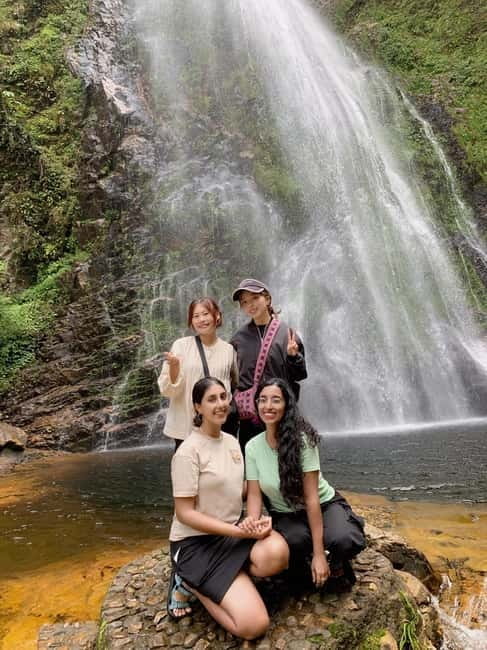
This trek is moderately challenging. You’re covering about 19 km over two days, and you should expect uneven paths and steep sections. If you don’t usually hike, the distance can surprise you more than you’d think. The good news is that it’s split into two days with a homestay stop in the middle.
What to bring (and what to prioritize)
Based on what the tour lists and what people run into most often, pack:
- Hiking shoes with grip (most important)
- Sunscreen, hat, and sunglasses
- Insect repellent
- A change of clothes for the evening
- Water
- Comfortable clothes for sun and dust
A few extra tips from lived experience: bring a swimsuit if you like the idea of cooling off in case the route includes a waterfall stop where people get in the water. Also, if you run warm, plan for heat, especially on clear days when there’s less cloud cover.
Weather can change the route
The guide may adjust the route if conditions are unsafe due to weather. That’s not a red flag. It’s actually a good sign of responsible guiding. Cloudy or rainy conditions can still make the valley feel atmospheric, but you’ll want grippy shoes and a light rain layer.
Price and value: why this one costs so little
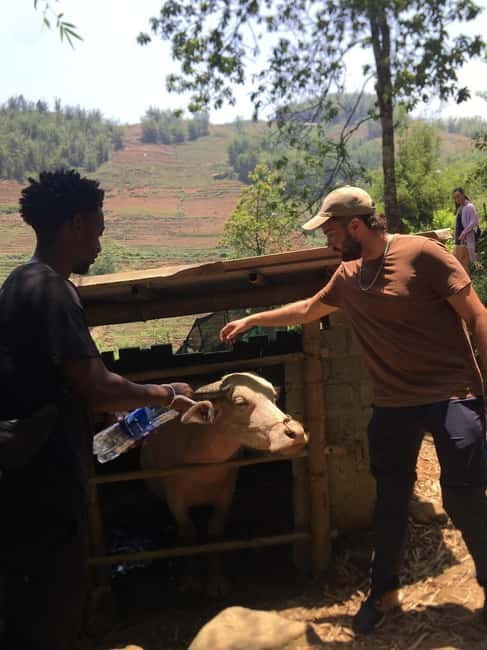
The advertised price is about $6 per person, which sounds almost too low until you look at what’s included. You get an English-speaking local guide, entry fees to villages and attractions, all key meals, and a 1-night homestay. You also get a car transfer into and out of Sapa.
Then there’s the practical payment detail: there is a final payment of ₫700,000 per person due after the tour, while the booking fee is ₫160,000 if weather or unexpected issues prevent the trip. So the “cheap price” framing is real, but keep in mind the rest is collected after you complete the trek.
What you’re paying for (besides the views)
This price structure is mostly about labor and local access. You’re paying for:
- A local guide to navigate paths and explain village life in context
- Village entry costs
- The family homestay dinner and breakfast
- Transportation support around your hiking schedule
If your goal is big scenery for the least money, this can work well. If your goal is a fully managed luxury comfort bubble, you might feel the missing amenities more.
Who this trek fits best, and who should reconsider
This is a great fit if you:
- Want a hands-on village experience, not just a bus-to-viewpoint day
- Like learning from local people, with day-to-day explanations along the way
- Are comfortable with moderate hiking and uneven ground
- Prefer small-group energy with flexibility
You should think twice if you:
- Struggle with steep, uneven terrain
- Expect a resort-style overnight stay
- Are sensitive to basic facilities, insects, or shared communal evening activities
- Are traveling with very small kids or have mobility concerns, since the tour is not designed for that (and it explicitly notes limitations for very young babies and very elderly travelers)
Should you book this Sapa 2-day trek with Linh?
If you want Sapa that feels like it belongs to the people who live there, I think this is worth booking. The combination of rice terraces, multiple ethnic villages, an overnight family homestay, and included meals gives you a complete, two-day story instead of a half-day photo stop.
Book it if you’re excited by walking trails, suspension bridges, and learning village life in real context. Skip it if you need smooth paths and hotel-level comfort. If you’re somewhere in the middle, this trek is a strong value choice that trades luxury for closeness, and closeness is what most first-time Sapa hikers end up remembering.
FAQ
What time does the trek start, and where do we meet?
You meet at Sapa Stone Church (Nhà Thờ Đá Sapa). The tour asks you to arrive by 9:00 AM for a prompt departure.
How long is the trek, and how far do you walk?
It’s 2 days and 1 night, with about 19 km total. Day 1 is about 12 km (5 to 6 hours) and Day 2 is about 6 km (3 to 4 hours).
Is this trek easy or moderately challenging?
It’s listed as moderately challenging because of uneven paths and natural terrain, including some steep sections.
What meals are included?
All meals are included: lunch and dinner on Day 1, plus breakfast and lunch on Day 2.
What kind of accommodation is the homestay?
You stay 1 night in a traditional family homestay. Expect simple, authentic, cozy accommodations with basic facilities.
What should I bring for the hike?
Bring hiking shoes, comfortable clothes, sunscreen, hat, sunglasses, insect repellent, water, and a change of clothes for the evening. A light raincoat can also help.
Is there a guide, and do they speak English?
Yes. The tour includes an English-speaking local guide.
How do transfers work on this tour?
The tour includes car transfer to and from Sapa Town. The activity ends back at the meeting point at Sapa Stone Church.
What happens if the weather is bad?
If conditions are unsafe, your guide may adjust the route for safety. In that case, the tour notes that you would only pay the ₫160,000 booking fee instead of the rest of the final payment.
More Evening Experiences in Sa Pa
- From Hanoi: 2-Day 2-Night Sapa Tour by Overnight Train
★ 4.4 · 96 reviews - Sapa: 2-Day Local Guided Valley Trek with Night Homestay
★ 5.0 · 27 reviews - Hanoi: Sapa Trekking 2 Days 1 Night – Sleeper Bus from Hanoi
★ 4.6 · 18 reviews - SAPA: 2 DAYS Walking & 1 night at Homestay with LOCAL GUIDE
★ 5.0 · 14 reviews
More Hiking & Trekking in Sa Pa
- Half Day Sapa Trekking to Visit Lao Chai – Ta Van
★ 4.7 · 126 reviews - From Sapa: Waterfalls, Trekking and Tribal Villages Tour
★ 4.6 · 91 reviews - From Sapa: Guided Full-Day Trekking with Lunch and Drop-Off
★ 4.2 · 86 reviews - From Sapa: Terrace Fields and Local Villages Trek with Lunch
★ 4.3 · 77 reviews
New listings around Sa Pa
- Sapa: Private The Most Beautiful Terraced Fields Trekking★ 4.8 · 42 reviews
- Sapa: Trekking Sapa One Day With Group Tour★ 4.7 · 55 reviews
- Sapa3D2N TrekkingAdventures,Valleys,Bambooforest,Waterfall★ 4.8 · 24 reviews
- Sapa: Y Linh Ho – Lao Chai, and Ta Van Trekking Day Tour★ 5.0 · 25 reviews
- From Sapa: Guided Full-Day Trekking with Lunch and Drop-Off★ 4.2 · 86 reviews
- Sapa Trekking Private Tour With Ethnic Female Tour Guide★ 4.9 · 24 reviews
- Sapa: Ta Phin Village Trek & Red Dao Herbal Bath★ 5.0 · 22 reviews
- Sapa: Ta Phin Village Trek with Lunch and Bathing Experience★ 4.7 · 13 reviews
Sapa Trekking & Homestays, compared.
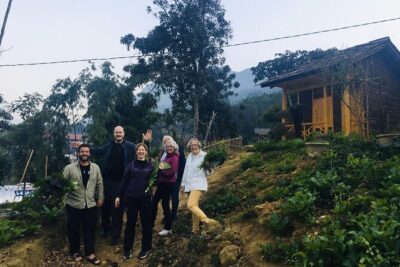
Sapa 2 Days 1 Night From Hanoi – Overnight in Ta Van Village
Read our review →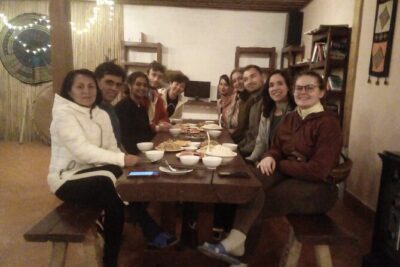
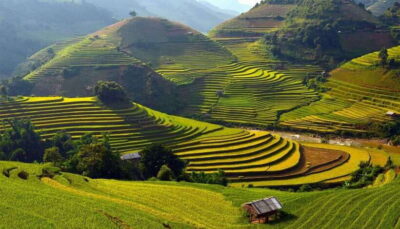
Muong Hoa Valley Trek and Local Ethnic Villages
Read our review →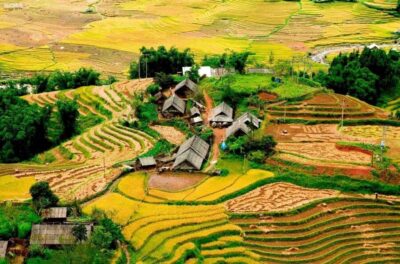

Sapa 3 Days 2 Nights Trekking Tour (1 Night In Ta Van Village, 1 Night In Hotel)
Read our review →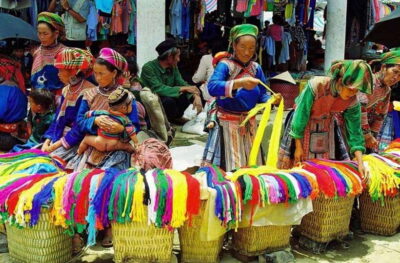
Eco Adventure Terrace Fields and Local Villages Trek
Read our review →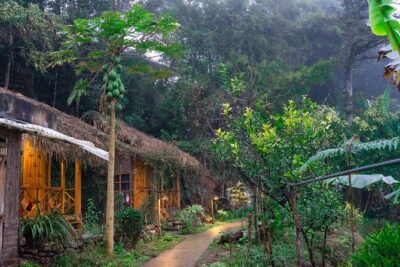
3-Day Trekking Adventure of Sapa from Hanoi – Stay Ta Van Village
Read our review →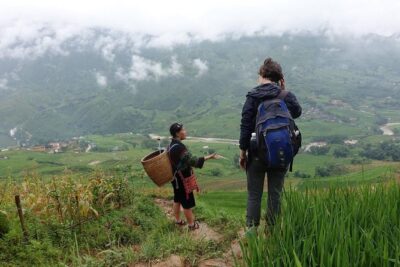
Number one top rated ethical cultural trekking and homestay by ETHOS
Read our review →Browse the lists this tour appears in