
Reviewed · SAPA TREKKING & HOMESTAYS
Sapa: Eco Adventure Terrace Fields and Local Villages Trek
Rice terraces start talking the moment you hike. This Sapa day trek blends terrace views with village encounters with the Hmong and Dzay communities, and I like that you get a home-cooked lunch built into the route. The main catch is the trail can be muddy and slippery, especially early on, so your shoes matter.
You start in Sapa town at 9:00 AM, meet your English-speaking local guide in front of Sapa Church, and then spend the day moving through Muong Hoa Valley, past streams and working fields, and into multiple villages. Expect about 10 to 12 km on foot, with the longest stretch at the beginning before the path eases.
Bring warm layers, solid hiking shoes, and insect repellent. If you have mobility limits or you’re traveling with kids under 5, pregnancy, or you’re over 75, this one is not a great match for safety and comfort.
In This Review
- Key things I’d plan around before you go
- Meet at Sapa Church and set your sights on Fansipan
- Muong Hoa Valley terraces: beautiful views, muddy boots
- Y Linh Ho and the walk toward Lao Chai Sang
- 12:30 lunch with a Hmong family, and why it works
- Lao Chai Village and Hmong clothing-making
- Ta Van Village: meeting the Dzay minority before heading back
- Price and value: why $27 can be a smart deal
- Logistics you’ll feel on the ground: group size, pace, and weather
- What to pack for Sapa terrace trekking
- Who should book this trek, and who should skip it
- Should you book the Sapa eco terrace fields and villages trek?
- FAQ
- Where is the meeting point for the trek?
- What time does the trek start and when does it finish?
- How long is the experience?
- How far will I walk?
- What’s included in the price?
- Is hotel transfer included?
- What should I bring?
- Is this tour in English, and is the group small?
Key things I’d plan around before you go
- 10 to 12 km on foot: it is a real hike, not a casual stroll, and there is no vehicle support during the trek.
- Small group, up to 10: you can actually ask questions and get attention on slippery spots.
- Muddy early miles are common: gumboots can be a lifesaver, and local helpers may assist on tricky climbs.
- Hmong and Dzay village time: you get cultural context, not just photos from the roadside.
- A home-cooked lunch stop: the meal break is built into the itinerary and helps reset your energy.
Meet at Sapa Church and set your sights on Fansipan
The day begins at 9:00 AM in the center of Sapa, with your guide meeting you in front of Sapa Church. This matters more than it sounds. It keeps things simple and avoids the stress of figuring out where to go first, especially in foggy mornings when Sapa can feel like a gray blur.
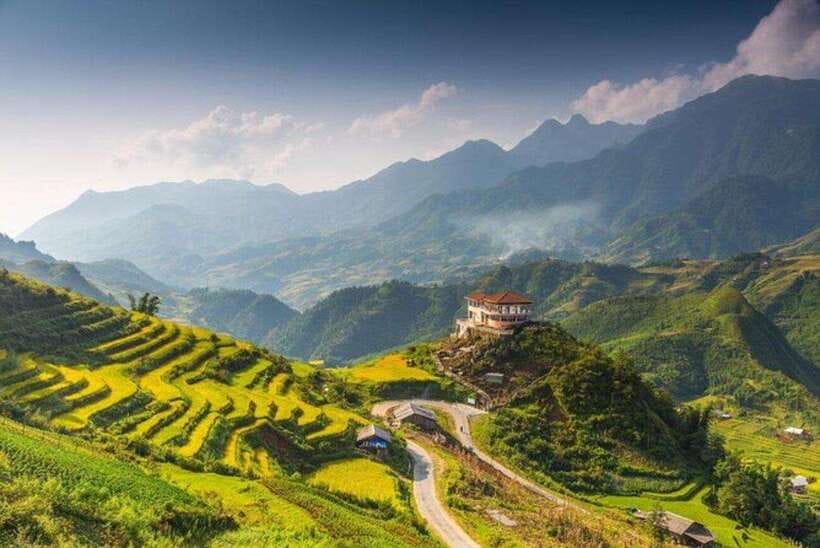
Right after the start, you’ll head to a small hill viewpoint. On clear days, you’ll get wide views toward Fansipan Peak, the big mountain symbol of the area. If the morning is misty, your best lesson is to be patient. Visibility often improves later in the day, and the route keeps rewarding you even when the valley looks washed-out at first.
This tour also includes entrance tickets and skips the ticket line, which saves you time that you can spend walking. Your guide is English-speaking, and the vibe stays friendly and practical, with lots of time for questions as you move between village stops.
More Sapa treks and homestays:
- Sa Pa: Muong Hoa Valley Trek and Local Ethnic Villages
★ 4.6 · 864 reviews - From Sapa: 1-Day Guided Trek to Lao Chai & Ta Van with Lunch
★ 4.9 · 416 reviews - Sapa 1 Day Long Trek: Trek to Hau Thao and Sa Seng Villages
★ 4.6 · 344 reviews
Muong Hoa Valley terraces: beautiful views, muddy boots
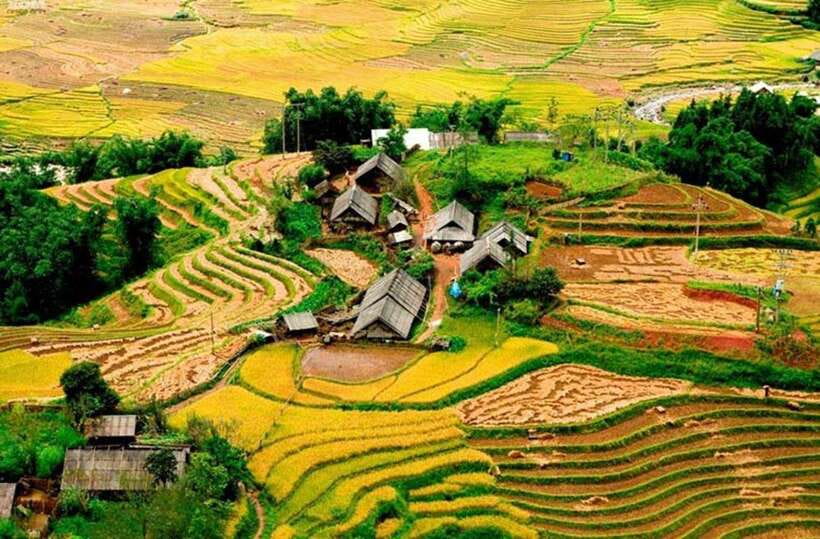
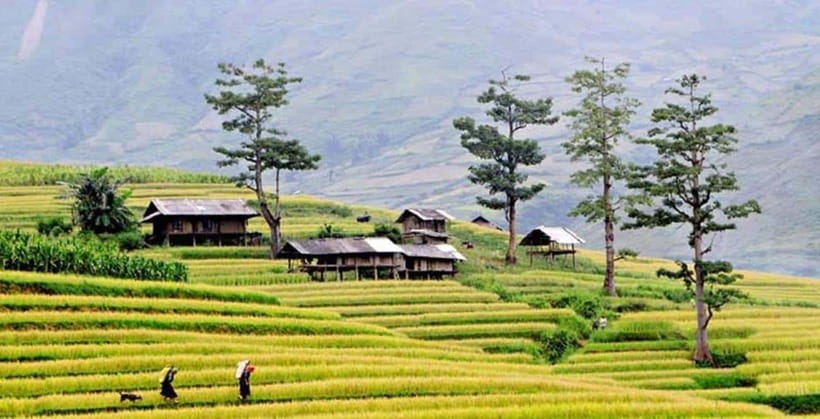
After the viewpoint, the trek follows the rhythm of Muong Hoa Valley: layered rice terraces, meandering streams, and mountain views that shift with every turn. You also pass everyday details that make Sapa feel lived-in, not staged. Think farmers working in the fields, wooden houses along the route, and water channels that keep the whole valley going.
Here is the part I’d take seriously. The start can be muddy and slippery. Even on days that are not raining hard, the first stretch can be wet from earlier weather. Several guides use a similar approach: they keep the group moving but help people manage the tricky parts. In a few cases, local women or village kids may step in to guide you on downhills where footing is uncertain.
If you want a smoother experience, plan footwear like it is your main tool for enjoying the day. Hiking shoes with good grip are a must, and gumboots or wellies can make the difference between feeling stressed and feeling steady. Some people even rent boots right before the hardest muddy portion. If you want to protect your feet and your day, I recommend you treat muddy conditions as normal, not as bad luck.
Also note that it is not a forest hike. You are mostly on trails through villages, fields, and paths that connect settlements. That means you get wide views often, but it also means you are exposed to weather and slippery ground when conditions turn damp.
Y Linh Ho and the walk toward Lao Chai Sang
Around late morning you reach Y Linh Ho Village, home to the Hmong ethnic minority. Before you go deeper into the valley paths, you cross a small bridge over a scenic river. That bridge moment helps reset your attention. You stop, you look, and you understand why this trek is so popular for people who want more than just scenery.
From Y Linh Ho, the route continues toward Lao Chai Sang. Expect more time alongside rivers and near traditional wooden houses. This is where your guide’s storytelling becomes part of the walking. The best thing about this section is how questions naturally come up: how daily life works here, what changes by season, and how the villages relate to the valley’s farming cycles.
You’ll also see the mountain backdrop close enough to feel it. Even when clouds blur the peaks, the terrain still does its job. You can read the valley’s shape through ridges, terrace lines, and the direction water runs.
12:30 lunch with a Hmong family, and why it works
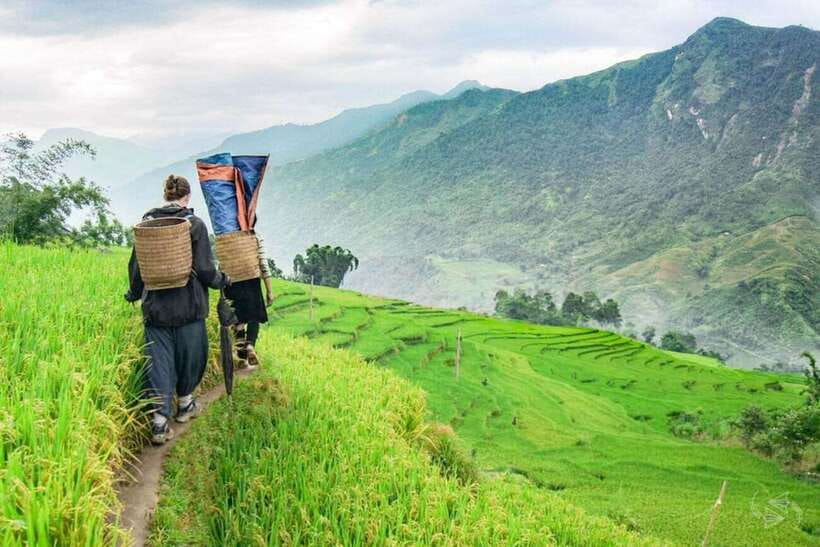
Around 12:30 PM, the tour breaks for home-cooked lunch with a local Hmong family in Lao Chai Sang. This is one of the most valuable parts of the entire day, because it gives you a pause that is tied to the community stops, not just a random restaurant break.
The meal itself is traditional, and you’ll usually get time to sit, eat, and ask questions in a calmer setting than the trail. Several people also mention vegetarian-friendly options, which is a good sign if you eat that way.
What I like about a home meal on a trek is the way it slows the day down. You stop rushing to get photos. You start noticing the simple things, like how people share food, how hospitality works in daily life, and how the guide connects what you see outside with what you taste inside. It’s a practical cultural moment, not a performance.
One more small tip: eat like you plan to walk again after lunch. The lunch break helps, but you still have multiple village sections ahead.
More treks around Sa Pa:
- EXPLORE SAPA: 2D1N TREKKING & HMONG CULTURE WITH DINH
★ 4.9 · 191 reviews - Sa Pa: 6-Hours Muong Hoa Valley Trek with Local Ethnic guide
★ 4.5 · 178 reviews - Sa Pa: 2-Day Trekking Trip with Ethnic Minority Homestay
★ 4.7 · 145 reviews - SAPA: 2-DAY 1-NIGHT TREKKING & CULTURE WITH HMONG GUIDE LINH
★ 4.9 · 126 reviews
Lao Chai Village and Hmong clothing-making
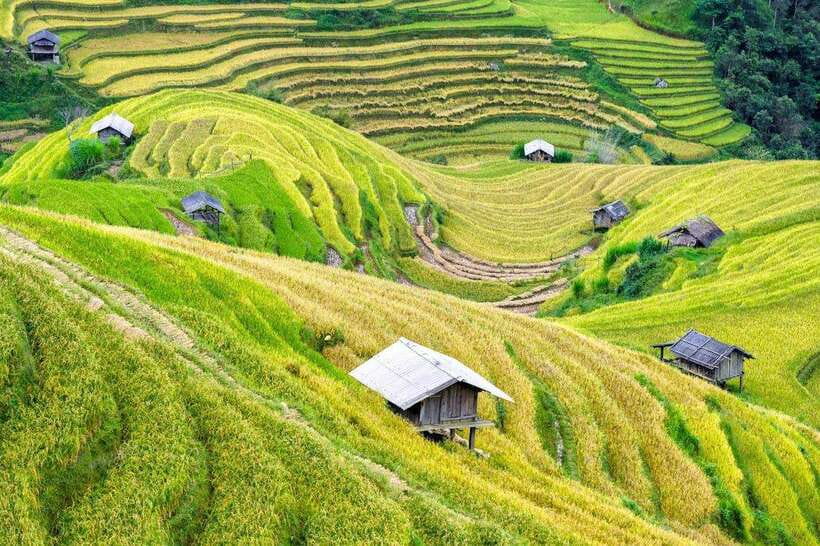
After lunch, you keep trekking toward Lao Chai Village. Depending on the season, you may see planting or harvesting in the terraces and fields. That seasonal detail matters, because it turns a photo stop into a snapshot of work in motion.
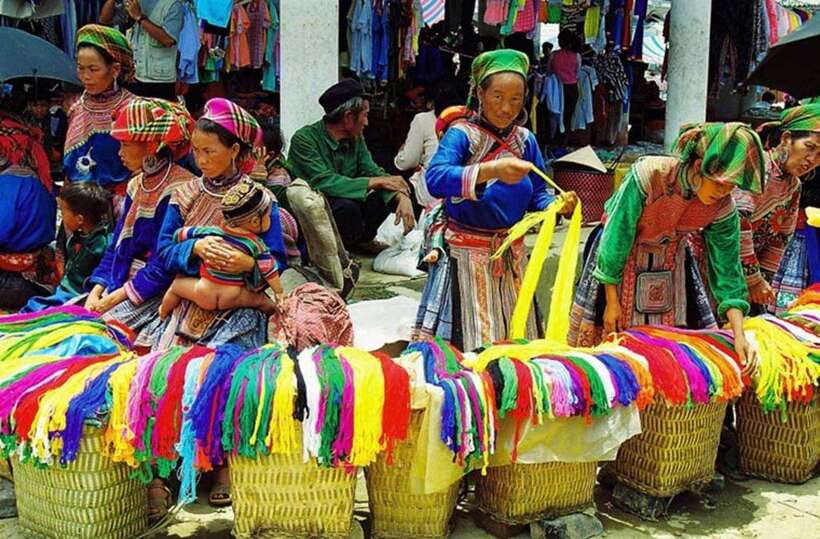
This is also where the tour adds a cultural learning segment focused on Hmong daily life and traditional clothing-making. You’re not just watching a craft from far away. You’re learning why clothing style matters, how it connects to identity, and how daily routines connect to what people wear.
If you notice villagers selling handmade clothes or bags during the walk, this is part of the local economy you are stepping through. Multiple guides and previous participants describe the selling as not pushy, and the best way to approach it is with respect and a small plan. If you can afford a purchase, bring some cash and use it to support the people whose time and skills are being shown. If you cannot, that’s okay too. You can simply browse and keep your focus on the walk and the conversation.
Ta Van Village: meeting the Dzay minority before heading back
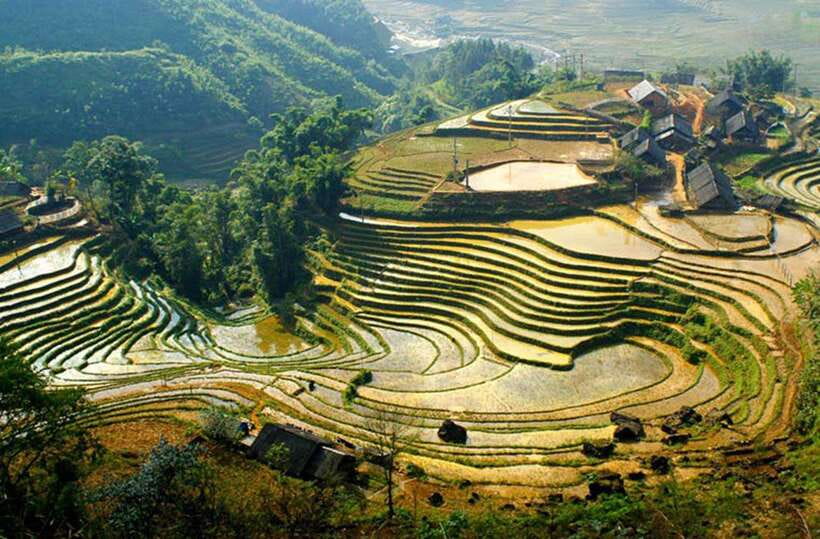
In the afternoon, you continue to Ta Van Village, home to the Dzay minority. This is the second big cultural anchor of the day, after the Hmong village sections earlier.
The trek into Ta Van keeps the rhythm of the day: moving along trails with views of terraces and mountains, with your guide tying together what you see with how communities live here. The payoff is that you experience more than one ethnic group’s daily reality, rather than treating Sapa as one uniform backdrop.
From Ta Van Village, you return to Sapa around 3:30 PM. Some routes finish closer to 4 PM depending on the pace and conditions, then you’re taken back to town. Either way, you end the day with that post-hike calm. The kind where you’re dusty, you’re tired, and you actually remember what you learned, because it happened in steps, not in a lecture.
Price and value: why $27 can be a smart deal
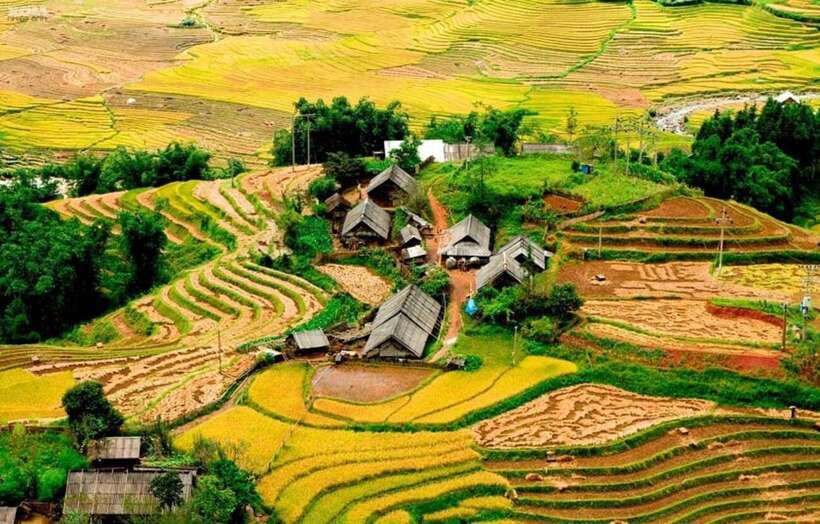
The price is listed at about $27 per person. At first glance, that sounds low for a full guided trek with lunch. Here’s what makes it feel reasonable if you want this specific style of tour.
You get an English-speaking local guide for a long day, a local lunch, and entrance tickets included. You also get a small group capped at around 10 participants, which improves the experience because you spend less time waiting and more time actually walking and talking.
The parts not included are also clear, so you can plan around them. Hotel transfers are not included, and drinks are not included. You should also budget for small extras like water or any purchases from villagers, if you choose to support them.
If you’re comparing against tours that only drive to lookouts and give you a short photo walk, this trek is a better value for people who want physical effort plus cultural context in the same day.
Logistics you’ll feel on the ground: group size, pace, and weather
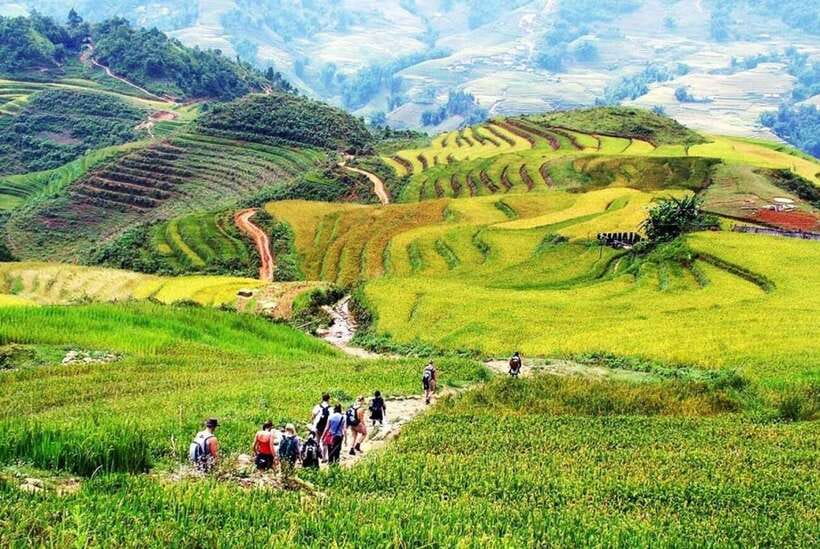
This is a small group experience with limited spots, so you should expect more interaction and less crowding. Your pace is typically described as well-paced for the distance, but it is still 10 to 12 km, and the route includes slippery downhills and muddy ground at the start.
Weather can shape the day. Mist and fog can reduce morning visibility, but the afternoon often improves. If it rained heavily earlier, roads and trails can get extra slick. That’s why the guide support and proper footwear matter.
Also keep in mind that there is no vehicle support during the trek. You walk all the way through the route, then you ride back into Sapa at the end. If you want a day that feels active and outdoorsy, this works. If you want to minimize time on your feet, it will feel like a lot.
What to pack for Sapa terrace trekking
Plan for cold air, wet ground, and insects. Your packing list from the tour info is simple and important:
- Warm clothing, because Sapa can feel chilly even when the sun is out
- Hiking shoes, because slippery clay and mud are real risks
- Insect repellent, because you’re moving through rural areas
If you want an extra safety buffer, pack socks you don’t mind getting wet. Several people mention renting gumboots or wellies for the muddy portion, and it’s an easy way to protect your shoes.
Finally, bring a small amount of cash. If you decide to buy handmade items, you’ll be glad you can say yes without scrambling for an ATM at the wrong time.
Who should book this trek, and who should skip it
This tour fits best if you want a mix of walking, village culture, and rice terrace scenery in one compact day. It is a strong choice for first-time Sapa visitors who don’t want to miss the ethnic village side of the region.
The trek is not suitable for children under 5, pregnant women, people with mobility impairments, wheelchair users, or people over 75, based on the tour’s safety guidance.
If you’re an older traveler, you might think about a shorter or less technical option instead. And if you have knee issues, test your comfort with downhills and uneven ground before committing.
Should you book the Sapa eco terrace fields and villages trek?
I’d book this trek if you want a day in Sapa that feels real. You get terrace views, river crossings, multiple village stops, and a home-cooked lunch that slows the pace just enough for you to learn what you’re seeing. The small group setup helps, and the guide experience often makes or breaks a day like this, especially when the ground turns slippery.
I would pause before booking if you cannot handle muddy, uneven walking. If your weather tolerance is low, you might end up with limited views early on and a tougher first stretch than you expected. In that case, spend extra time choosing your footwear and embrace that the afternoon may be more visible.
If you want flexibility, this tour offers free cancellation up to 24 hours in advance for a full refund, and it uses a reserve now, pay later style so you can keep plans fluid.
Overall, this is one of those Sapa experiences that makes the town worth visiting, because you don’t just look at the mountains. You walk into the farming world and the village routines that shape life there.
FAQ
Where is the meeting point for the trek?
Your guide meets you in front of Sapa Church.
What time does the trek start and when does it finish?
The trek starts at 9:00 AM and returns to Sapa at around 3:30 PM.
How long is the experience?
The duration is listed as 390 minutes, which is about 6.5 hours.
How far will I walk?
The trek involves 10 to 12 kilometers of walking and hiking.
What’s included in the price?
Included are a local English-speaking guide, entrance tickets, and a local lunch.
Is hotel transfer included?
No, the tour does not include hotel transfer service.
What should I bring?
You should bring warm clothing, hiking shoes, and insect repellent.
Is this tour in English, and is the group small?
Yes, the guide is English-speaking. The group is small, limited to 10 participants.
More Hiking & Trekking in Sa Pa
- Half Day Sapa Trekking to Visit Lao Chai – Ta Van
★ 4.7 · 126 reviews - From Sapa: Waterfalls, Trekking and Tribal Villages Tour
★ 4.6 · 91 reviews - From Sapa: Guided Full-Day Trekking with Lunch and Drop-Off
★ 4.2 · 86 reviews - From Sapa: Terrace Fields and Local Villages Trek with Lunch
★ 4.3 · 77 reviews
New listings around Sa Pa
- Sapa: Private The Most Beautiful Terraced Fields Trekking★ 4.8 · 42 reviews
- Sapa: Trekking Sapa One Day With Group Tour★ 4.7 · 55 reviews
- Sapa3D2N TrekkingAdventures,Valleys,Bambooforest,Waterfall★ 4.8 · 24 reviews
- Sapa: Y Linh Ho – Lao Chai, and Ta Van Trekking Day Tour★ 5.0 · 25 reviews
- From Sapa: Guided Full-Day Trekking with Lunch and Drop-Off★ 4.2 · 86 reviews
- Sapa: Ta Phin Village Trek with Lunch and Bathing Experience★ 4.7 · 13 reviews
- Sapa Trekking Private Tour With Ethnic Female Tour Guide★ 4.9 · 24 reviews
- Sapa: Ta Phin Village Trek & Red Dao Herbal Bath★ 5.0 · 22 reviews
Sapa Trekking & Homestays, compared.
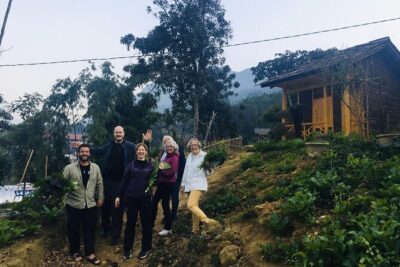
Sapa 2 Days 1 Night From Hanoi – Overnight in Ta Van Village
Read our review →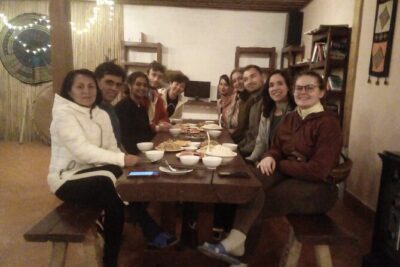
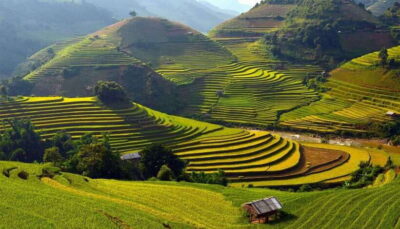
Muong Hoa Valley Trek and Local Ethnic Villages
Read our review →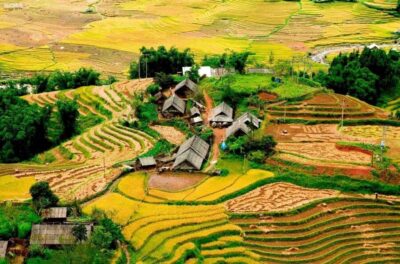

Sapa 3 Days 2 Nights Trekking Tour (1 Night In Ta Van Village, 1 Night In Hotel)
Read our review →
3-Day Trekking Adventure of Sapa from Hanoi – Stay Ta Van Village
Read our review →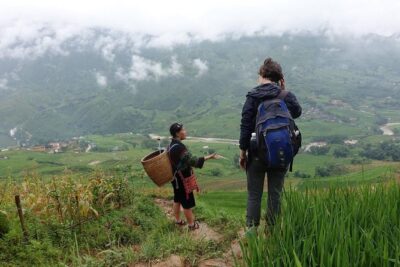
Number one top rated ethical cultural trekking and homestay by ETHOS
Read our review →
Sapa 2 Days 1 Night From Hanoi – Overnight in Hotel
Read our review →Browse the lists this tour appears in