
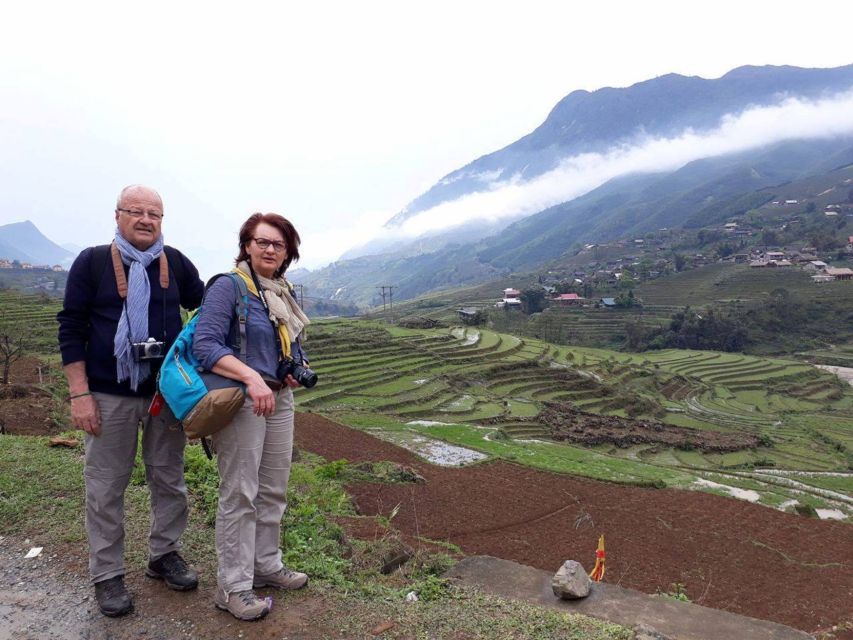
Reviewed · SAPA TREKKING & HOMESTAYS
Sa Pa: 6-Hours Muong Hoa Valley Trek with Local Ethnic guide
Some trails in Sapa feel short, and this one lands.
This 6-hour Muong Hoa Valley trek mixes mountain walks with real village visits, so you see rice terraces and meet ethnic communities instead of just taking photos at viewpoints. I really love how the route moves through multiple areas, from Y Linh Ho and Lao Chai to Ta Van, with craft experiences like indigo dyeing and weaving. The other highlight for me is the guide plus local helpers, including names like Sang/Sàng, Sai, Su, Bao, and Dong that show up in how people describe the day, because they genuinely help you keep going on slippery ground. One drawback to plan for: the walking can be slick and steep, so if you are not comfortable on uneven trails, you might find it more challenging than the time sounds.
If you like cultural travel where you earn the story by walking through it, this fits well. You should still know this is not a lazy stroll, and wet-weather footing can mean extra time and extra caution.
In This Review
- Key highlights at a glance
- Why this 6-hour Muong Hoa Valley trek feels like real Sapa
- Sapa to Y Linh Ho: Black Hmong village life, not just a photo stop
- Lao Chai rice terraces plus craft stops you can understand on the spot
- Lunch on your terms, and why that matters here
- Ta Van village: weaving and rice cultivation you can actually see
- Dzay tribe encounters: costume differences make customs easier to spot
- The walking reality: muddy slopes, bamboo, and why shoes matter
- Small group pace: the difference between a tiring trek and a good day
- Price and value: what you get for $18 (and what you should budget)
- Who this trek is best for, and who should skip it
- How to be a good guest in Muong Hoa villages
- Should you book this Sapa trek?
- FAQ
- How long is the Muong Hoa Valley trek?
- What is the price per person?
- Is lunch included in the tour price?
- What does the tour include?
- What should I bring with me?
- Is pickup included, and where does it start?
- How big is the group?
- Is the trek suitable for children or seniors?
- Are pets allowed on this tour?
- Are there any extra charges?
Key highlights at a glance
- Y Linh Ho village walk-in, with Black Hmong daily life right at the village center
- Lao Chai rice terraces and big panoramic views across stepped paddies
- Craft demos that connect the dots between cloth, plants, and mountain farming
- Ta Van homes where you can see weaving and rice work up close
- Dzay tribe encounters that are easy to spot through costume and custom differences
- Local support on muddy sections, often the difference between a tough day and a great one
Why this 6-hour Muong Hoa Valley trek feels like real Sapa
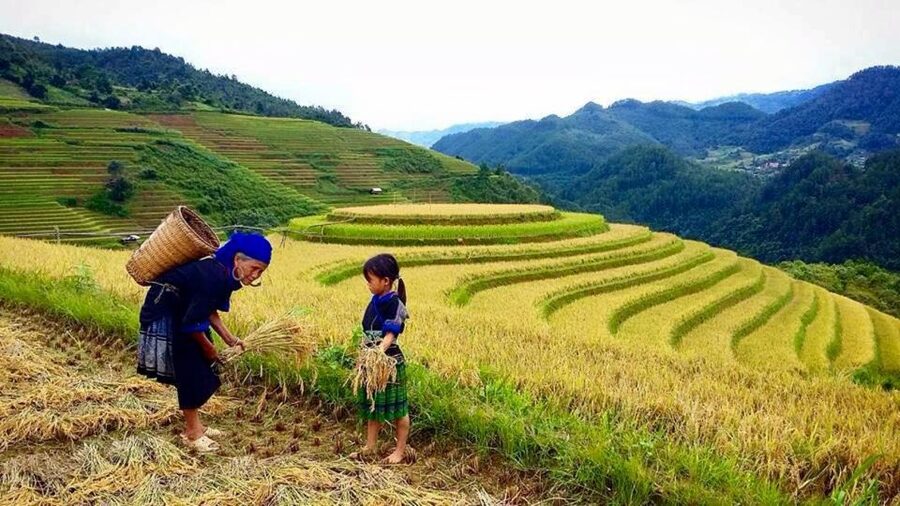
Sapa has a way of tempting you into repeat viewpoints, then back to town. This trek gives you something different: you spend your time in motion, passing through villages and farming areas that actually run the show in the valley.
The schedule also helps. With a total 6 hours, you get a meaningful taste of the Muong Hoa Valley without sacrificing your whole day to transit. And at a small group size, capped around 11 participants, you are less likely to feel like you are being herded.
More Sapa treks and homestays:
- Sa Pa: Muong Hoa Valley Trek and Local Ethnic Villages
★ 4.6 · 864 reviews - Sapa: Eco Adventure Terrace Fields and Local Villages Trek
★ 4.9 · 636 reviews - From Sapa: 1-Day Guided Trek to Lao Chai & Ta Van with Lunch
★ 4.9 · 416 reviews
Sapa to Y Linh Ho: Black Hmong village life, not just a photo stop
Your day starts with a short transfer and then a scenic 20-minute walk along the road to Y Linh Ho village. This first stretch matters, because it warms you up and puts you in the rhythm of the valley before the trail work begins.
At Y Linh Ho, you are there to interact with people and understand daily life, not just pass by. The village center is part of what makes this stage work: you can see how community spaces function when farming is the backdrop and the houses are close. If you are the type who likes asking basic questions and listening, this is usually where the day starts to click.
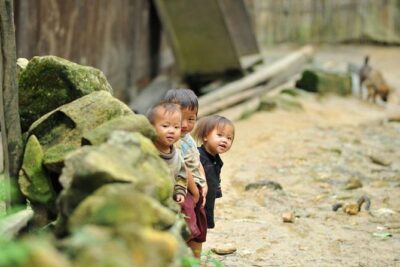
Practical tip: keep your phone away unless your guide tells you where photography is comfortable. Also, follow local guidance about children, meaning you should not take pictures of kids without permission from parents.
Lao Chai rice terraces plus craft stops you can understand on the spot
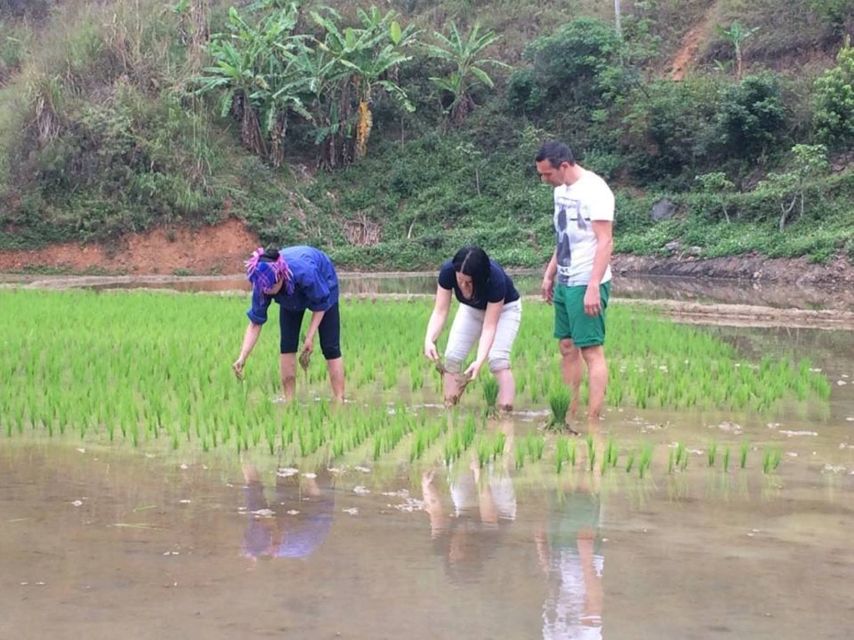
Next comes Lao Chai village, and this is the part most people remember for the views. From here, you get panoramic looks across some of the most beautiful rice terraces in Vietnam, with the stepped paddies shaped by the mountain terrain.
But the craft experiences are what turn the scenery into something more useful. You get hands-on-style exposure to things like indigo dyeing, batik making, and hemp weaving. Even if you do not become an expert cloth maker by the end, you come away with the logic: dyes come from plants and processing takes time, and weaving ties directly to village routines.
This is also where a good guide earns their pay. Guides named Sang/Sàng and Bao are repeatedly praised for clear English and for setting a pace that keeps the group together on uneven ground. If your guide is careful with timing, the craft stops feel less rushed and more like learning.
Lunch on your terms, and why that matters here
Food is one of those places where a trek can feel either thoughtful or transactional. Here, lunch is at a local restaurant, but it is at your own expense, meaning you should budget a bit beyond the base price.
The advantage is choice. You can eat what you want, skip what you do not, and adjust if you feel tired after wet or steep sections. The downside is that you do not get a guaranteed western-style meal included. If you have a sensitive stomach, stick to simple dishes and drink water carefully.
Also, be ready for shopping moments around lunch. Many people enjoy buying handmade items because it supports the families who help along the trail. But you should know some selling can feel pushy, especially when locals are trying to make the most of tourist time. My advice is simple: treat shopping as optional, decide calmly, and if you buy, buy something you truly want, not something you feel rushed into.
More treks around Sa Pa:
- Sapa 1 Day Long Trek: Trek to Hau Thao and Sa Seng Villages
★ 4.6 · 344 reviews - EXPLORE SAPA: 2D1N TREKKING & HMONG CULTURE WITH DINH
★ 4.9 · 191 reviews - Sa Pa: 2-Day Trekking Trip with Ethnic Minority Homestay
★ 4.7 · 145 reviews - SAPA: 2-DAY 1-NIGHT TREKKING & CULTURE WITH HMONG GUIDE LINH
★ 4.9 · 126 reviews
Ta Van village: weaving and rice cultivation you can actually see
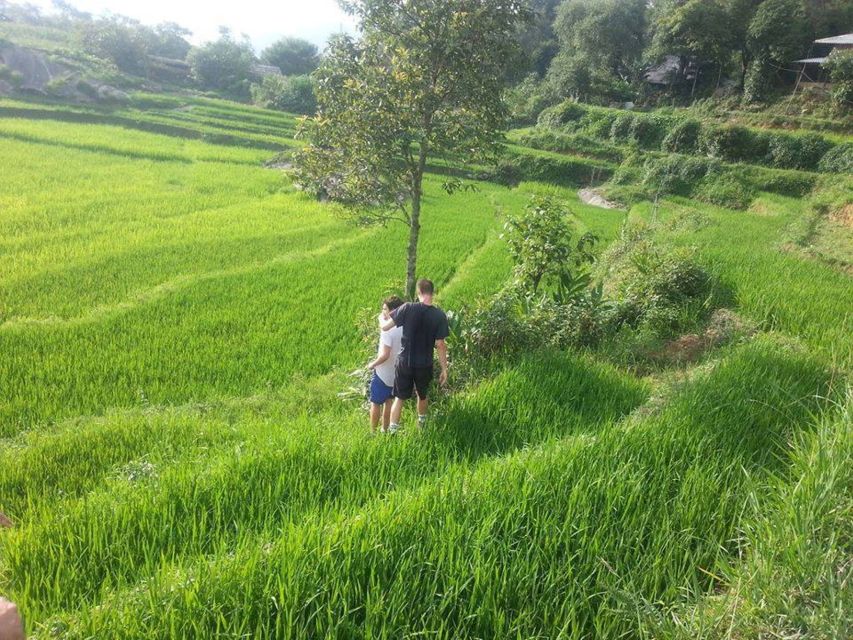
After lunch, the trek continues to Ta Van village, where the day shifts from terraces and crafts into something more home-based. You visit traditional local homes, which gives you a better sense of how the valley’s work fits into daily life.
This part often stands out because it is practical. You are not just hearing about weaving and farming, you are seeing how those skills connect to the household. Rice cultivation shows up as more than a scenic backdrop, because the way people talk about planting and harvesting is tied to the steep terrain and seasonal weather.
If you are traveling with teens or curious adults, this stage tends to land well, because it turns culture into something you can point to with your eyes. You can also ask your guide how different families manage work schedules during busy periods.
Dzay tribe encounters: costume differences make customs easier to spot
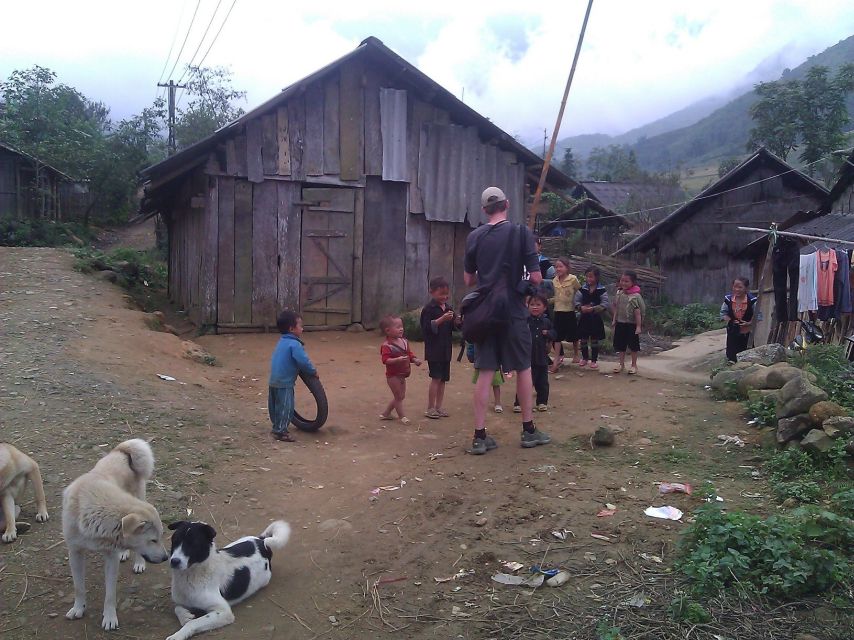
One of the most interesting moments is meeting members of the Dzay tribe later in the walk. The day is designed so you get contrasts, especially through customs and costumes.
This matters because it makes identity visible in a way that is easier to understand than just a verbal description. You start noticing details like clothing color and style, then your guide can explain what those choices mean in everyday life. It is one of those experiences where the cultural lesson becomes concrete.
Keep respect in mind here. Dress standards in villages can be different from city norms, and how you behave matters. If someone allows you to ask questions, take the chance. If someone looks busy or not in the mood for interaction, move on politely.
The walking reality: muddy slopes, bamboo, and why shoes matter
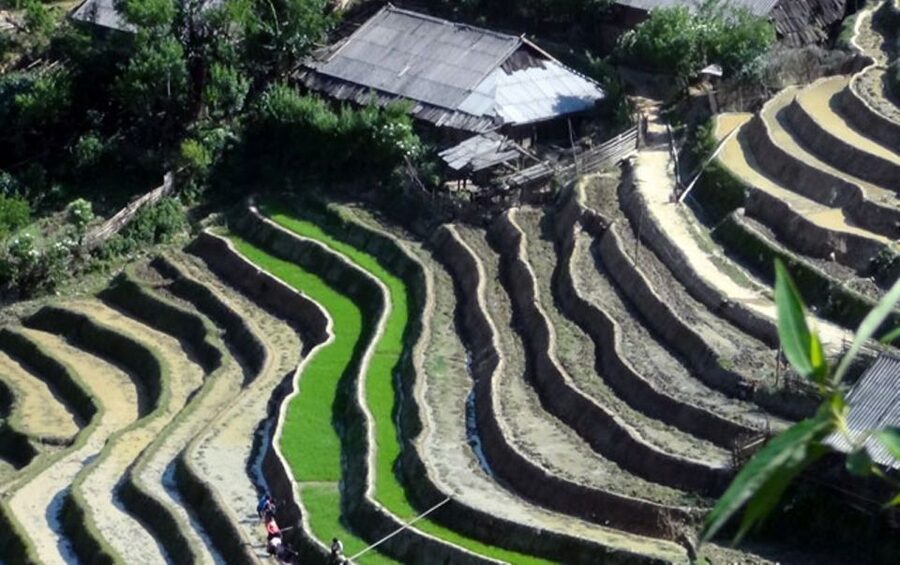
Even though the duration is only 6 hours, the trek can feel like more. The route includes steep sections, dirt and uneven roads, and stretches that can be slippery in wet weather. People also describe trekking paths through areas like bamboo forests, with uneven footpaths and occasional bridges.
A common theme is downhill time. That sounds easier until you realize downhill on slick terrain asks more of your knees and balance than flat walking. One reason local women often help on the tougher descents is that they know the footing and they can guide you across muddy spots without panic.
If you want this to feel fun instead of stressful, come prepared:
- Trekking shoes with grip are a must
- Insect repellent and sun cream are smart even on cloudy days
- Sunglasses help if the sun breaks through terraces and ridgelines
- Bring a change of socks if you are returning to town after
Weather note: in the winter season, fog can be thick in the morning. It can still be enjoyable, but you need to listen to your guide and accept that visibility may change how the views look.
Small group pace: the difference between a tiring trek and a good day
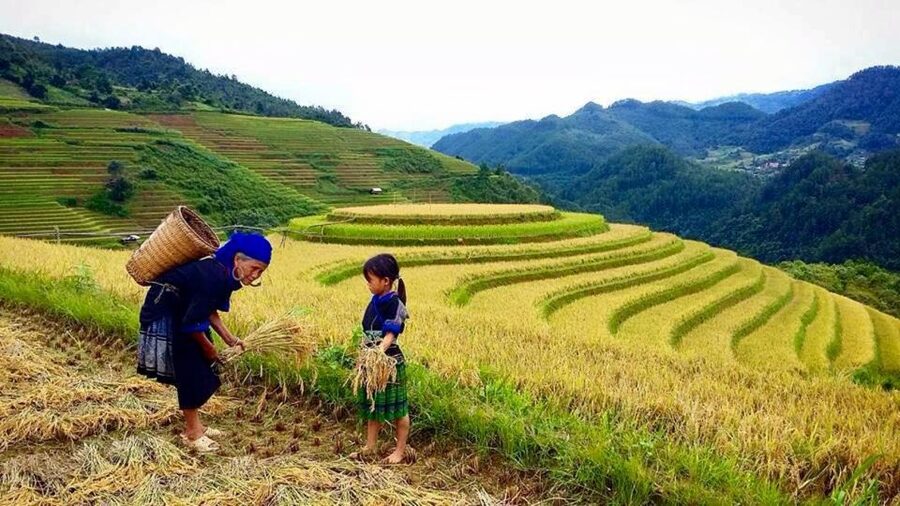
A small group size, around 11 people, changes the experience in a practical way. You get more attention, and you are less likely to feel separated from the guide when the terrain gets tricky.
You should also plan for a non-loop route. You go out along the trek path, then the day ends with a comfortable bus transfer back to Sapa, dropping you at the office near the Sapa center. That means your energy is focused on walking, not on navigating or finding your way back.
Price and value: what you get for $18 (and what you should budget)
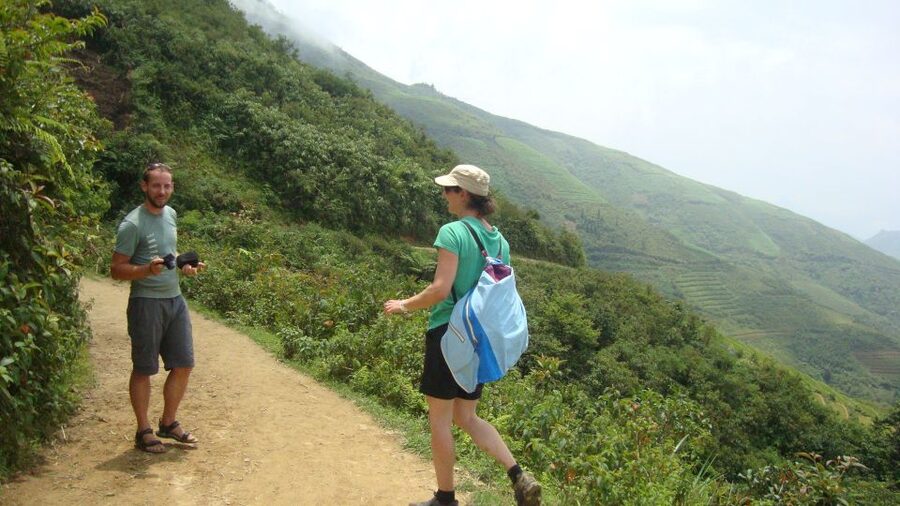
At $18 per person, this tour is very good value for what it includes. Transportation by bus is covered, you get an English-speaking guide, entrance tickets to the included sites, and 1 bottle of 500ml water.
Where you should plan extra spending is straightforward:
- Lunch and soft drinks are not included
- You may want to buy handmade items, especially if you enjoyed the craft and village visits
- During Lunar New Year, there can be a surcharge paid directly on the trip (the listed 2025 rate is 20 USD/person, and an earlier note listed 2024 at 30 USD/person)
- If you specifically request a French-speaking guide, there is a 20 USD/person surcharge paid directly on the trip
So the real question is fit, not cost. If you like active travel and cultural visits, $18 gets you a structured day with local guidance. If you prefer a scenic bus ride with minimal walking, you would likely feel disappointed.
Who this trek is best for, and who should skip it
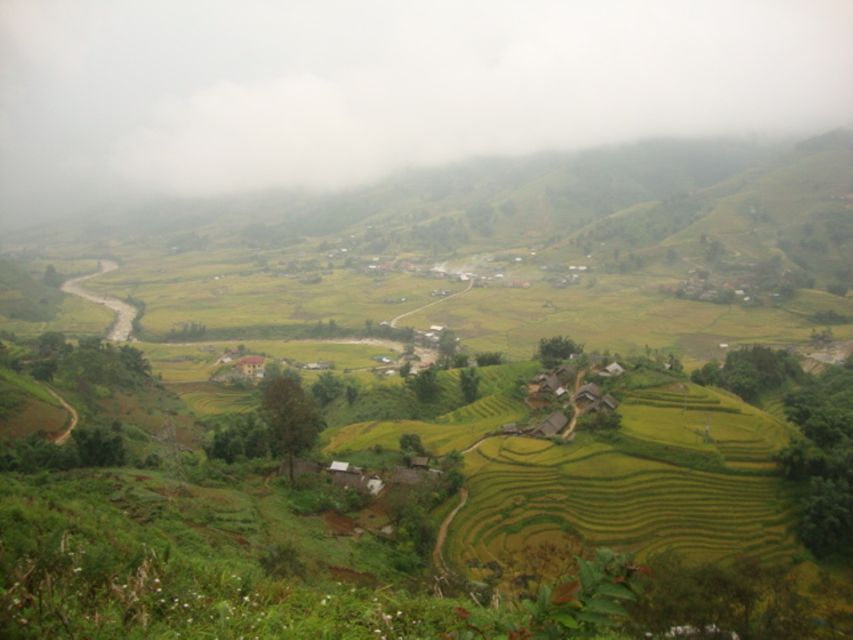
This is best for people who can handle about a 10 km trek, uneven trails, and wet-season slipperiness. It is described as challenging enough that senior citizens are advised not to do this 10 km trek, especially in wet weather.
It also is not suitable for:
- Pregnant women
- People with mobility impairments and wheelchair users
- Children under 6 years old
If you are in your 30s to 60s with decent balance and you can walk steep, this can be a strong half-day adventure. One reason it works for many groups is local help along muddy parts, but you still need a base level of fitness and caution.
If you are unsure, lean conservative. A good day comes from matching your pace to the terrain.
How to be a good guest in Muong Hoa villages
This kind of tour depends on respect and small behavior choices. Two rules will take you far:
- Ask before photographing, especially around kids
- Do not touch children’s heads, even if it seems like a friendly gesture
Also, remember you are walking through homes and working areas. Stay on the paths your guide indicates, keep your voice calm in village spaces, and treat the craft stops as learning opportunities, not just shopping stops.
If you want to show appreciation, buying handmade items can be meaningful. Just keep it pressure-free on your side, because some lunch-time sales can feel intense.
Should you book this Sapa trek?
I would book this if you want a short, active day in Sapa that goes beyond viewpoints. The mix of rice terraces, Black Hmong and Dzay encounters, and craft moments like indigo dyeing, batik, and hemp weaving is a strong combination for the money, especially because you travel in a small group with an English guide and you get support on difficult footing.
Skip it if you need step-free travel, if steep muddy trails stress you out, or if you are in a situation where balance and mobility are limited. Also skip it if you hate the idea of walking downhill on uneven ground for hours.
If you do book, plan your clothing and shoes around mud and slip risk, and treat the cultural interactions with patience. Get that right, and this 6-hour walk can feel like the most grounded part of your Sapa trip.
FAQ
How long is the Muong Hoa Valley trek?
The trek lasts about 6 hours.
What is the price per person?
The price is listed as $18 per person.
Is lunch included in the tour price?
Lunch is not included in the price. You can taste local specialties at a local restaurant, but it is at your own expense.
What does the tour include?
It includes bus transportation, an English-speaking guide, entrance tickets to the indicated sites, and water (1 bottle of 500ml per person).
What should I bring with me?
Bring trekking shoes, sunglasses, sun cream, and insect repellent. Warm clothes are recommended between October and March.
Is pickup included, and where does it start?
Pickup is available from hotels in Sapa town only. If your hotel is outside Sapa town, you may need to go to the meeting point, so you should share your hotel name and address.
How big is the group?
The group is small, limited to 11 participants.
Is the trek suitable for children or seniors?
It is not suitable for children under 6 years old. Senior citizens are advised not to do the 10 km trek because it can be challenging and risky in wet weather.
Are pets allowed on this tour?
Pets are not allowed.
Are there any extra charges?
A Lunar New Year surcharge can apply and is paid directly on the trip (for the 2025 period, it is listed as 20 USD per person). There is also a 20 USD per person surcharge if you need a French-speaking guide.
More Hiking & Trekking in Sa Pa
- Half Day Sapa Trekking to Visit Lao Chai – Ta Van
★ 4.7 · 126 reviews - From Sapa: Waterfalls, Trekking and Tribal Villages Tour
★ 4.6 · 91 reviews - From Sapa: Guided Full-Day Trekking with Lunch and Drop-Off
★ 4.2 · 86 reviews - From Sapa: Terrace Fields and Local Villages Trek with Lunch
★ 4.3 · 77 reviews
New listings around Sa Pa
- Sapa: Private The Most Beautiful Terraced Fields Trekking★ 4.8 · 42 reviews
- Sapa: Trekking Sapa One Day With Group Tour★ 4.7 · 55 reviews
- Sapa3D2N TrekkingAdventures,Valleys,Bambooforest,Waterfall★ 4.8 · 24 reviews
- Sapa: Y Linh Ho – Lao Chai, and Ta Van Trekking Day Tour★ 5.0 · 25 reviews
- From Sapa: Guided Full-Day Trekking with Lunch and Drop-Off★ 4.2 · 86 reviews
- Sapa: Ta Phin Village Trek with Lunch and Bathing Experience★ 4.7 · 13 reviews
- Sapa Trekking Private Tour With Ethnic Female Tour Guide★ 4.9 · 24 reviews
- Sapa: Ta Phin Village Trek & Red Dao Herbal Bath★ 5.0 · 22 reviews
Sapa Trekking & Homestays, compared.
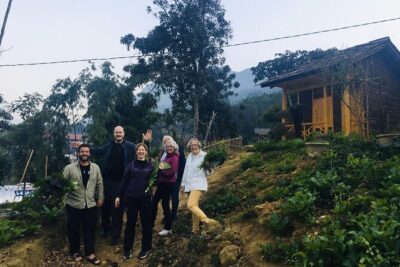
Sapa 2 Days 1 Night From Hanoi – Overnight in Ta Van Village
Read our review →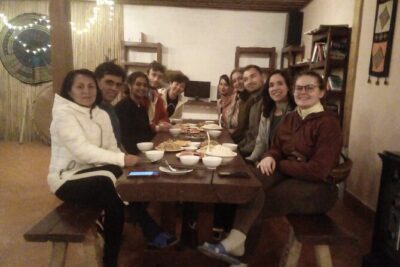
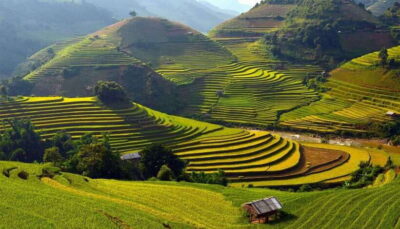
Muong Hoa Valley Trek and Local Ethnic Villages
Read our review →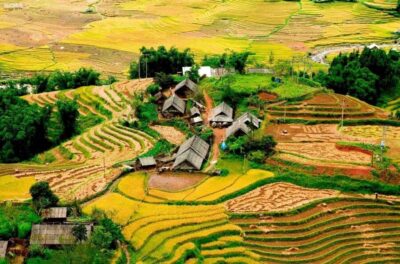
Sapa 3 Days 2 Nights Trekking Tour (1 Night In Ta Van Village, 1 Night In Hotel)
Read our review →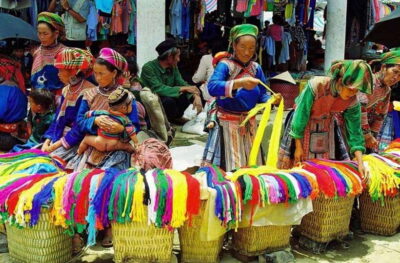
Eco Adventure Terrace Fields and Local Villages Trek
Read our review →
3-Day Trekking Adventure of Sapa from Hanoi – Stay Ta Van Village
Read our review →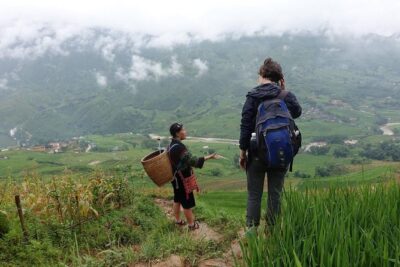
Number one top rated ethical cultural trekking and homestay by ETHOS
Read our review →Browse the lists this tour appears in