
Reviewed · SAPA TREKKING & HOMESTAYS
Sapa: Muong Hoa Valley View & Villages Trek with Local Guide
Sapa can feel like a stop on the way, unless you walk it. This Muong Hoa Valley village trek turns the day into real village rhythms, with Fansipan viewpoints and Black Hmong communities along the way. I love how the guide, Su, keeps you moving at a human pace while explaining what you’re seeing, not just naming places.
Two things I especially like: the rice terraces in Muong Hoa Valley, and the lunch with a local family after you’ve worked up an appetite. One drawback to plan for: the route is long and can get slippery if it’s wet, especially on the downhills.
In This Review
- Key Things I’d Watch For Before You Go
- Why This Sapa Trek Feels Worth the Money
- Meeting at Sapa’s Main Church and Getting Set Up
- The Early Climb: Fansipan and Sapa Town Views
- Muong Hoa Valley Rice Terraces: More Than a Photo Stop
- Hang Da Village: Black Hmong Life and Farm Animals
- Lunch With a Local Family: The Best Kind of Break
- Hau Thao to Muong Hoa Village: Daily Work and Real Streets
- The Pace, Terrain, and Rain Rule: This Is a Leg Day
- What You’re Likely to See, Step by Step (Without the Rush)
- Respect on the Trail: How to Handle Child Asking and Local Rules
- Price and Value: $19 for a Full Village-Connected Day
- Who This Trek Suits Best (And Who Should Skip It)
- A Few Practical Tips to Make the Day Smoother
- Should You Book This Sapa Muong Hoa Valley Trek?
- FAQ
- Where do we meet for the trek?
- How long is the trek, and when does it end?
- What is included in the price?
- What should I bring?
- Do I need WhatsApp for this tour?
- Is the tour suitable for everyone?
- What rules should I follow during the trek?
Key Things I’d Watch For Before You Go
- Trek length and effort: Expect about 12 to 14 km, and also described as 14 to 16 km, with medium-hard stretches.
- Views are worth it: You start with a climb to see Fansipan and Sapa town, then continue through terrace country.
- Rain changes everything: Use non-slip, muddy-proof shoes if conditions are wet.
- You’ll meet village life up close: Hang Da, Hau Thao, and Muong Hoa Village show daily work and farming patterns.
- Lunch is part of the point: You eat at a small restaurant run by a local family, not a tourist buffet.
- Bring the basics: You’ll want sun protection, snacks, and a camera.
Why This Sapa Trek Feels Worth the Money
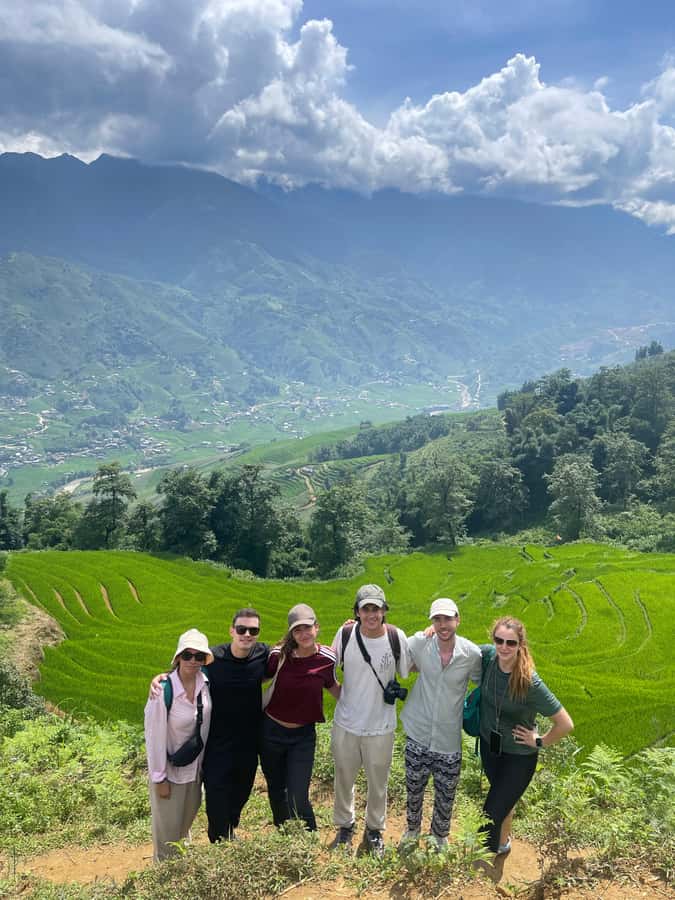
For $19 per person, you’re not buying a ticket to a viewpoint. You’re buying a guided, village-connected day that includes an English-speaking guide, entrance fees to the villages, a local family lunch, and even a 500 ml water bottle.
That value comes from how the day is built. Most Sapa “sightseeing” days are short and car-heavy, with you seeing terraces from a distance. Here, you actually move through the Muong Hoa area on foot, with stops that help you understand how people live, farm, and move between villages. It’s the kind of outing where the scenery matters, but context matters more.
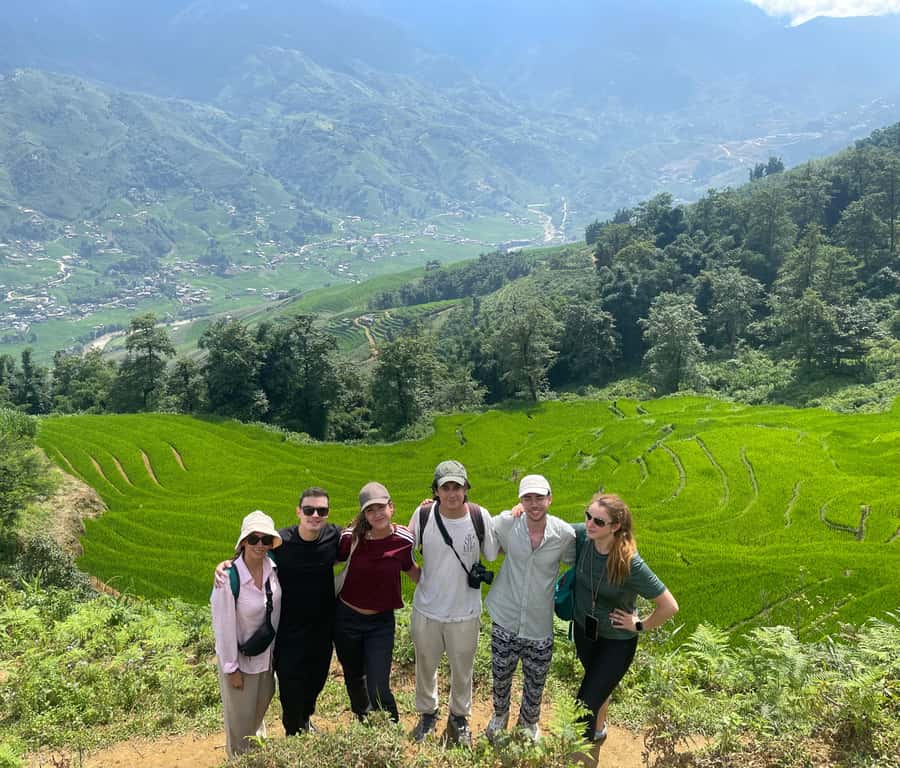
The other strong point is guidance. Su’s approach shows up repeatedly, with him adjusting the pace to the group and the weather. If you’ve ever felt rushed on a trek, this is the opposite. You get encouragement, explanation, and steady care, especially when paths get tough.
More Sapa treks and homestays:
- Sa Pa: Muong Hoa Valley Trek and Local Ethnic Villages
★ 4.6 · 864 reviews - Sapa: Eco Adventure Terrace Fields and Local Villages Trek
★ 4.9 · 636 reviews - From Sapa: 1-Day Guided Trek to Lao Chai & Ta Van with Lunch
★ 4.9 · 416 reviews
Meeting at Sapa’s Main Church and Getting Set Up
The day starts where you can easily orient yourself: in front of Sapa’s main church. The guide messages you before you arrive so you know where to meet, and they also ask that you leave your WhatsApp number during booking for updates and confirmation.
Once you meet, you get a short introduction, then you begin walking. This first stretch is important because it sets expectations. You’ll hear what you’re heading toward (Sa Seng Mountain area viewpoints), and you’ll get practical context on what kind of terrain to expect.
If you’re the type who likes to travel light and fast, remember this is not that day. Comfort beats speed. Plan on comfortable walking shoes, and bring snacks and sunscreen even if the sky looks changeable.
The Early Climb: Fansipan and Sapa Town Views
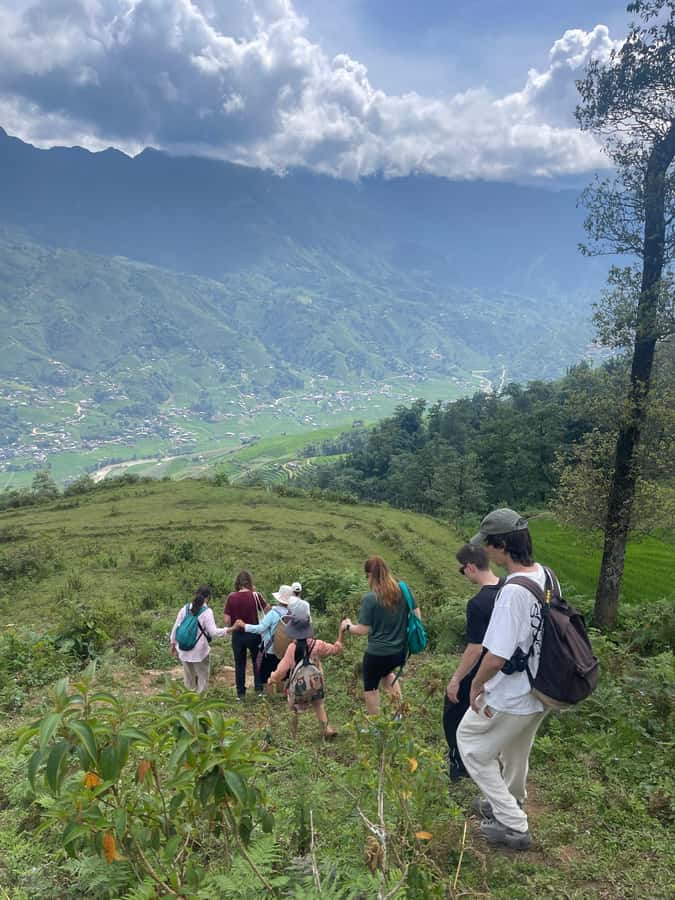
Right away, the trek includes an uphill walk of about 2.5 km to reach mountain views. This is where the day first “lands” for most people, because you can see Fansipan, described as the highest mountain in Indochina, plus all of Sapa town from above.
Even if clouds roll in, this early section still helps you appreciate the region’s vertical nature. Sapa is all about elevation shifts, and that first climb gives you a sense of scale: where the villages sit, where the valley opens, and how the terrain guides daily life.
Practical tip: take your time on this upward segment. If you go hard too early, the downhills later will feel like punishment instead of part of the adventure. And if it’s wet, you’ll be grateful for non-slip shoes. People also mention that rainy conditions can make descents genuinely slippery.
Muong Hoa Valley Rice Terraces: More Than a Photo Stop
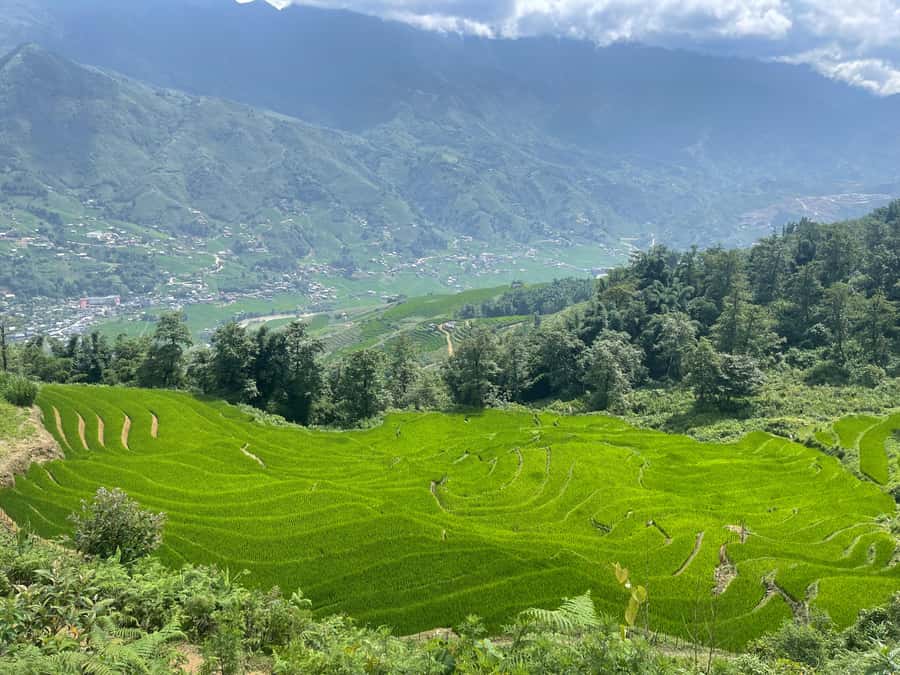
After the views, you transition toward the Muong Hoa Valley rice terraces, described as the most significant terrace fields in Vietnam. This is the part of the day where the walk starts to feel like you’re moving through a working system, not a postcard.
You’ll see the terraces laid out across the valley slopes and catch glimpses of the river and valley that shape the farmland below. The guide helps connect what you’re seeing with how the area works, including what locals pay attention to seasonally.
This is also one of the best stretches to slow down with your camera. The terraces aren’t just pretty, they’re structured. When you walk through them, you can better understand why they’ve been shaped this way and how the land supports rice cultivation.
If you catch the timing right, you may even see people working in the fields. In the best moments, you’ll spot harvesting or planting, which turns terraces from scenery into a living calendar.
More treks around Sa Pa:
- Sapa 1 Day Long Trek: Trek to Hau Thao and Sa Seng Villages
★ 4.6 · 344 reviews - EXPLORE SAPA: 2D1N TREKKING & HMONG CULTURE WITH DINH
★ 4.9 · 191 reviews - Sa Pa: 6-Hours Muong Hoa Valley Trek with Local Ethnic guide
★ 4.5 · 178 reviews - Sa Pa: 2-Day Trekking Trip with Ethnic Minority Homestay
★ 4.7 · 145 reviews
Hang Da Village: Black Hmong Life and Farm Animals
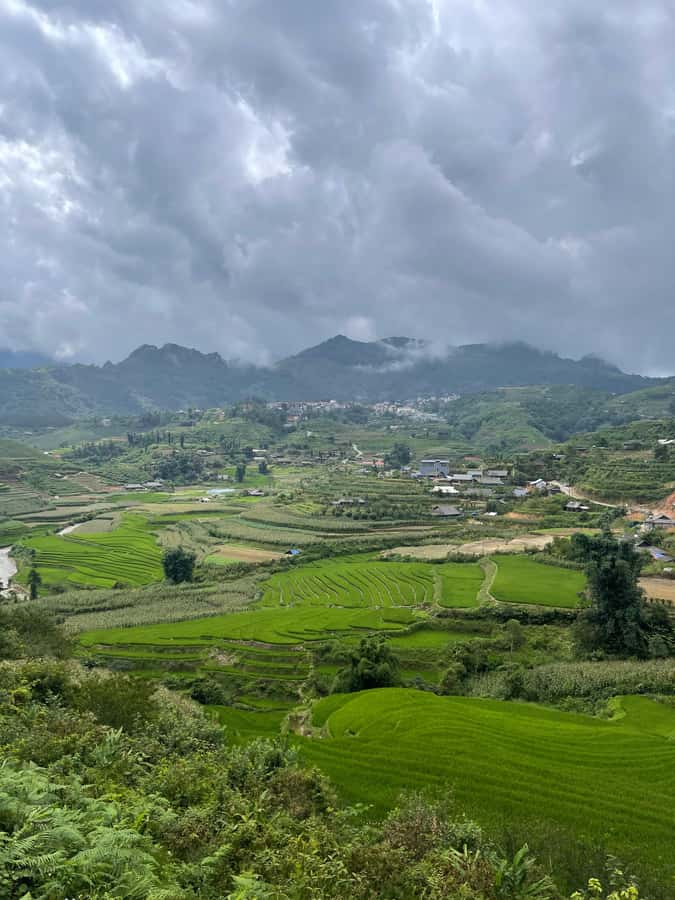
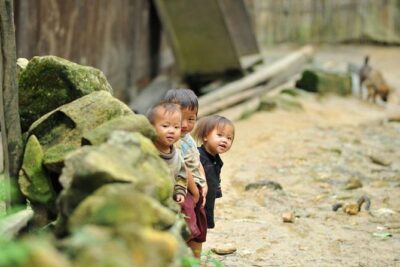
Next, the route heads down to Hang Da, a village of the Black Hmong minority. The shift from valley views into village paths is one of the most rewarding parts of the day, because you move from big-picture scenery into human scale.
Here, you’ll also get a closer look at the day-to-day setting. The trek includes chances to see farm animals such as buffalos, cows, and pigs. It’s a small detail, but it helps you picture how the valley supports households beyond just rice terraces.
What I like about arriving at Hang Da on foot is that it doesn’t feel like you’re dropping in for a photo. You’re walking in the same direction people move, and the guide’s explanations help you connect what you see to community life and traditions.
Lunch With a Local Family: The Best Kind of Break
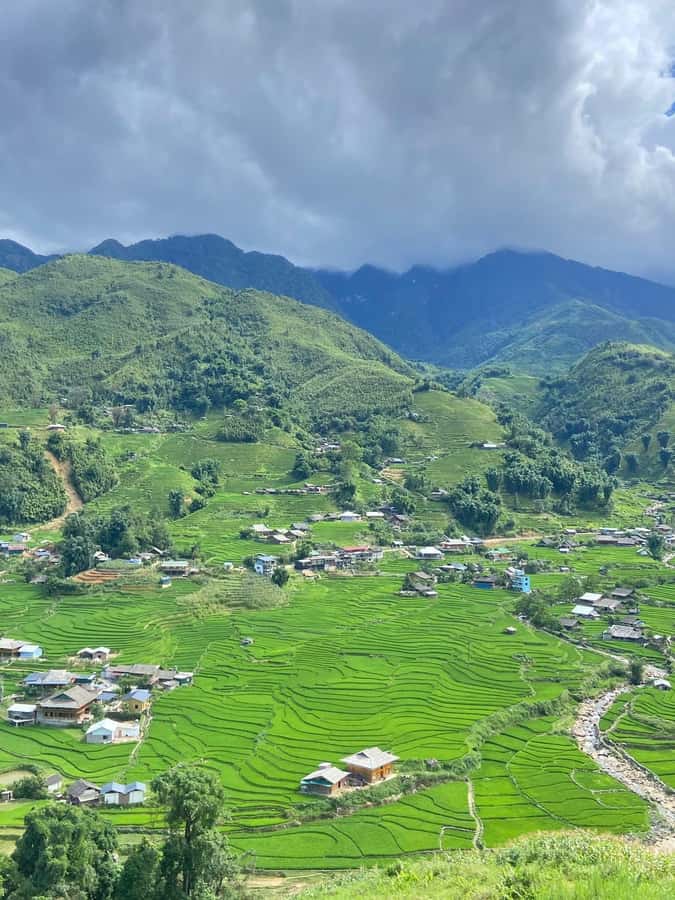
After village walking, you stop for lunch at a small restaurant run by a local family. This matters because it’s not positioned as a tourist performance. It’s a pause in the rhythm of the day, with food that fits the setting.
You’ll have a proper break, which is crucial on a trek this long. Even with a guided day, hunger and fatigue can sneak up on you. Lunch is part of the reason the day feels manageable despite the distance.
A practical point: eat like you’ll need energy for the rest of the walk. Bring snacks if you’re the type who likes a steady rhythm, especially because the trek can be described as 12 to 14 km in one place and 14 to 16 km in another, depending on how the route lands for the group.
Hau Thao to Muong Hoa Village: Daily Work and Real Streets
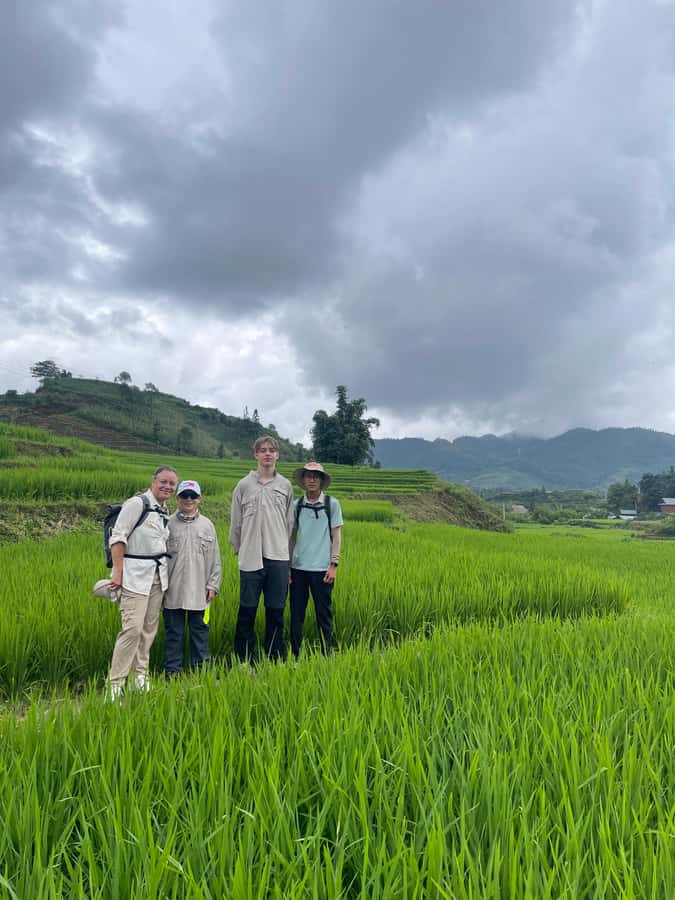
After lunch, you continue on quieter paths and small roads down toward Hau Thao, another Black Hmong village, and then toward Muong Hoa village.
This portion is where the trek becomes more clearly about community life. You’re not just moving through terrain, you’re seeing daily routines. If the timing is right, you might witness locals working in the fields again, including planting or harvesting activities.
I also like that the day keeps introducing villages in a sequence rather than bouncing randomly. You start higher for views, then you descend into the valley, and the walking gradually connects you to the farmland and household patterns.
You may notice how the walk passes points that feel like real neighborhood edges, not curated tourist boundaries. That’s the tradeoff and the reward: you get a grounded feel, and you also need to stay present and respectful.
The Pace, Terrain, and Rain Rule: This Is a Leg Day
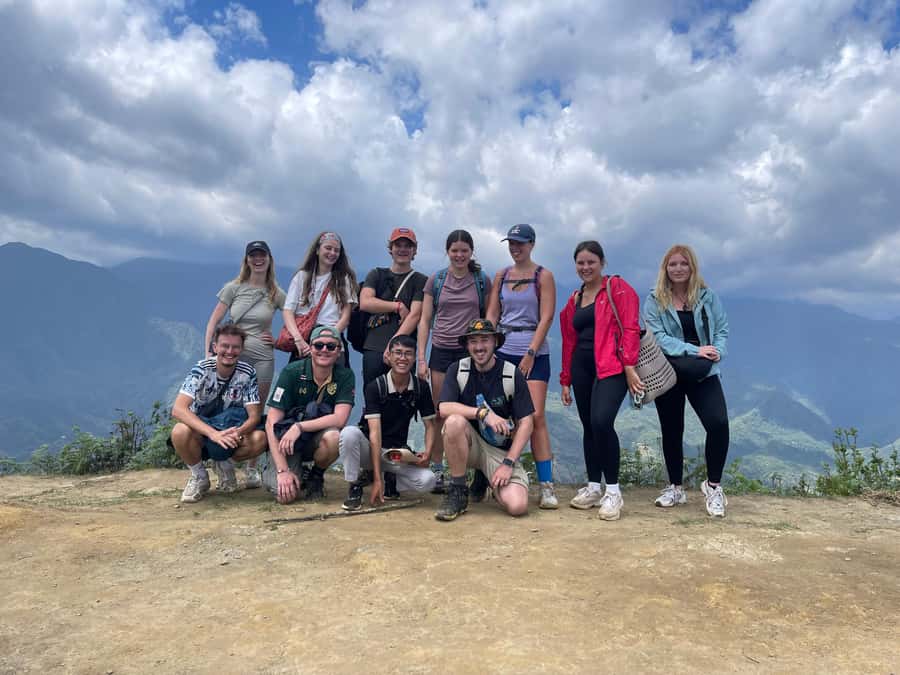
This trek is described as medium-hard, and the difficulty is mostly about distance and footing. It can feel especially tough after rain, when trails and downhills turn slippery.
Here’s how to make it easier on yourself:
- Wear non-slip shoes that can handle mud.
- Take downhills slower than you think you need to.
- Bring snacks so you can avoid the slump that comes mid-afternoon.
- Use sunscreen and a hat, because even in cool weather, you can still get sun when you’re walking.
The guide’s role matters here. People highlight that Su adapts the pace to group needs and weather conditions, and that he’s patient and encouraging during tougher parts. That support can make the difference between finishing feeling proud or finishing feeling wiped.
What You’re Likely to See, Step by Step (Without the Rush)
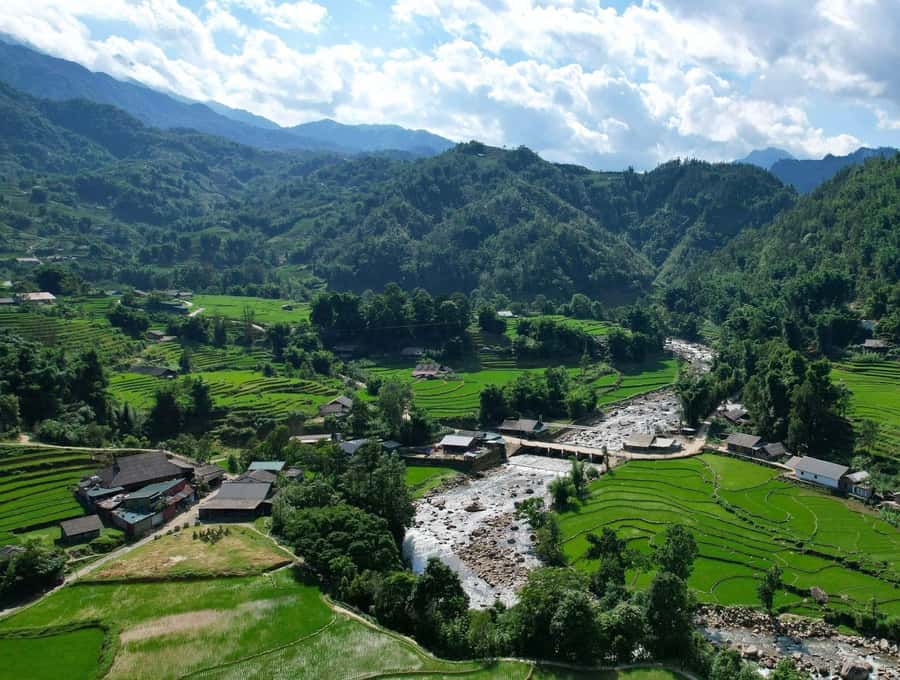
You can think of the day in phases:
- Orientation and climb: meet near the church, then start with an uphill path to big views.
- Terraces and valley walking: see the Muong Hoa Valley rice terraces and the river setting.
- Hang Da village segment: descend into Hang Da, see daily life cues and farm animals.
- Lunch reset: eat at a local family-run spot.
- Hau Thao and Muong Hoa villages: continue through village paths, with chances to see farming work if timing matches.
A fun note from the experience vibe: after lunch, you may be accompanied by local kids or adults along some portions of the return. It’s a real community feel, not staged entertainment.
Just remember, that also means you might run into the common tourist-village dynamic of sales or asking. Stay kind, stay firm, and use your judgment.
Respect on the Trail: How to Handle Child Asking and Local Rules
This day is built around visiting villages and learning about life of the Black Hmong communities. That means basic respect rules matter, and they’re clearly stated: no smoking, no plastic bottles, and no littering.
One more respect issue is money. A specific concern came up in feedback about children asking for money for long stretches, tied to child labor concerns in Sapa. I agree with the practical takeaway: if you encounter children asking, I think it’s best not to hand over cash to kids. It can worsen the situation, and it pulls attention in the wrong direction.
If you want to support the area, focus on appropriate, adult-led exchanges you see running as part of normal village life. During the trek, your main job is to be a good visitor: observe, ask thoughtful questions, and keep the day clean.
Price and Value: $19 for a Full Village-Connected Day
Let’s talk value honestly. At $19, you’re getting more than a guide walking you to terraces. You get:
- An English-speaking guide (Su)
- Entrance fees for village visits
- Lunch at a local family-run place
- Transport to Sapa after the end of the trek in the village area
- A 500 ml water bottle
For many budget experiences in Vietnam, you pay extra for guide time, entry fees, and meals. Here, the structure includes key pieces, which helps the day feel “covered.”
What you still need to plan:
- Bring your own comfort gear: shoes, hat, sunscreen, and personal snacks.
- Expect a long day on foot, so energy management matters.
- If you drink more than average, consider that one bottle is not enough for everyone on a warm or wet day.
Timing also helps your planning. The trek ends around 3:30 PM, and you return to the meeting area, with transport back to Sapa.
Who This Trek Suits Best (And Who Should Skip It)
This is an outdoor day with walking and some uneven village paths. It’s a great match if you want:
- A guided walk where explanations are part of the experience
- Real contact with village life in the Muong Hoa Valley area
- Rice terrace views plus an actual descent through communities, not just a viewpoint
It’s not a match for everyone. It’s listed as not suitable for:
- Pregnant women
- People with back problems
- People with mobility impairments
- People afraid of heights
- People with a cold
- People with altitude sickness
If you fall into any of those categories, I’d treat this as a strong “no” based on the stated guidance.
Also consider weather. If you know you struggle with wet, slippery footing, plan extra-careful footwear or ask your guide how the route might change based on conditions.
A Few Practical Tips to Make the Day Smoother
These are small choices that pay off:
- Bring a hat and sunscreen, because you’ll be outside for hours.
- Carry snacks, because it’s a long route and hunger can hit before lunch.
- Pack a camera, because the terrace views and Fansipan sightlines are the kind you’ll want to remember.
- Go slow on descents. Your knees will thank you.
And one mindset tip: don’t treat villages like a checklist. Ask questions, watch how farming and daily routines flow, and let the day unfold. That’s when you get the most out of the explanations your guide provides.
Should You Book This Sapa Muong Hoa Valley Trek?
If you want more than a quick photo stop, this is an easy yes. The combination of Muong Hoa rice terraces, Black Hmong villages like Hang Da and Hau Thao, big Fansipan views, and a local family lunch makes it a strong value for the price.
Book it if you can handle a long walk and you’re comfortable with changing weather. Skip it if you have health limitations listed for the tour, or if slippery terrain scares you too much.
If you do book it, send your WhatsApp number, wear the right shoes, and follow the local rules. You’ll end the day with a much fuller sense of Sapa than you’d get from staying in town.
FAQ
Where do we meet for the trek?
You meet your guide in front of Sapa’s main church. The guide will message you in advance with the meeting details.
How long is the trek, and when does it end?
The trek is described as about 12 to 14 km, and also as 14 to 16 km depending on the route and conditions. The activity ends back at the meeting point at approximately 3:30 PM.
What is included in the price?
The tour includes an English-speaking guide, lunch at a local family setup, entrance fees to the villages, transport back to Sapa after the end of the tour, and one 500 ml water bottle per person.
What should I bring?
Bring comfortable shoes, a hat, a camera, snacks, sunscreen, and water. The tour involves a lot of walking.
Do I need WhatsApp for this tour?
Yes. You’re asked to leave your WhatsApp number when booking so the guide can contact you prior to the tour to confirm details and share updates.
Is the tour suitable for everyone?
No. It is not suitable for pregnant women, people with back problems, people with mobility impairments, people afraid of heights, people with a cold, or people with altitude sickness.
What rules should I follow during the trek?
Smoking is not allowed. You should not use plastic bottles, and you should not litter.
More Hiking & Trekking in Sa Pa
- SAPA: 2-DAY 1-NIGHT TREKKING & CULTURE WITH HMONG GUIDE LINH
★ 4.9 · 126 reviews - Half Day Sapa Trekking to Visit Lao Chai – Ta Van
★ 4.7 · 126 reviews - From Sapa: Waterfalls, Trekking and Tribal Villages Tour
★ 4.6 · 91 reviews - From Sapa: Guided Full-Day Trekking with Lunch and Drop-Off
★ 4.2 · 86 reviews
New listings around Sa Pa
- Sapa: Private The Most Beautiful Terraced Fields Trekking★ 4.8 · 42 reviews
- Sapa: Trekking Sapa One Day With Group Tour★ 4.7 · 55 reviews
- Sapa3D2N TrekkingAdventures,Valleys,Bambooforest,Waterfall★ 4.8 · 24 reviews
- Sapa: Y Linh Ho – Lao Chai, and Ta Van Trekking Day Tour★ 5.0 · 25 reviews
- From Sapa: Guided Full-Day Trekking with Lunch and Drop-Off★ 4.2 · 86 reviews
- Sapa: Ta Phin Village Trek with Lunch and Bathing Experience★ 4.7 · 13 reviews
- Sapa Trekking Private Tour With Ethnic Female Tour Guide★ 4.9 · 24 reviews
- Sapa: Ta Phin Village Trek & Red Dao Herbal Bath★ 5.0 · 22 reviews
Sapa Trekking & Homestays, compared.
Sapa 2 Days 1 Night From Hanoi – Overnight in Ta Van Village
Read our review →
Muong Hoa Valley Trek and Local Ethnic Villages
Read our review →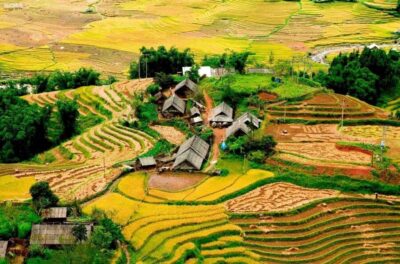
Sapa 3 Days 2 Nights Trekking Tour (1 Night In Ta Van Village, 1 Night In Hotel)
Read our review →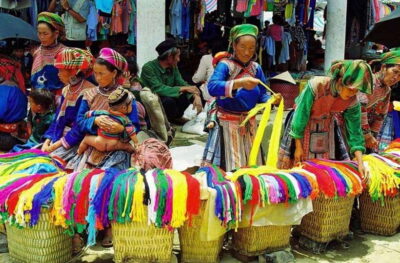
Eco Adventure Terrace Fields and Local Villages Trek
Read our review →
3-Day Trekking Adventure of Sapa from Hanoi – Stay Ta Van Village
Read our review →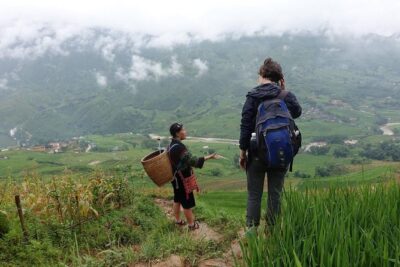
Number one top rated ethical cultural trekking and homestay by ETHOS
Read our review →Browse the lists this tour appears in