
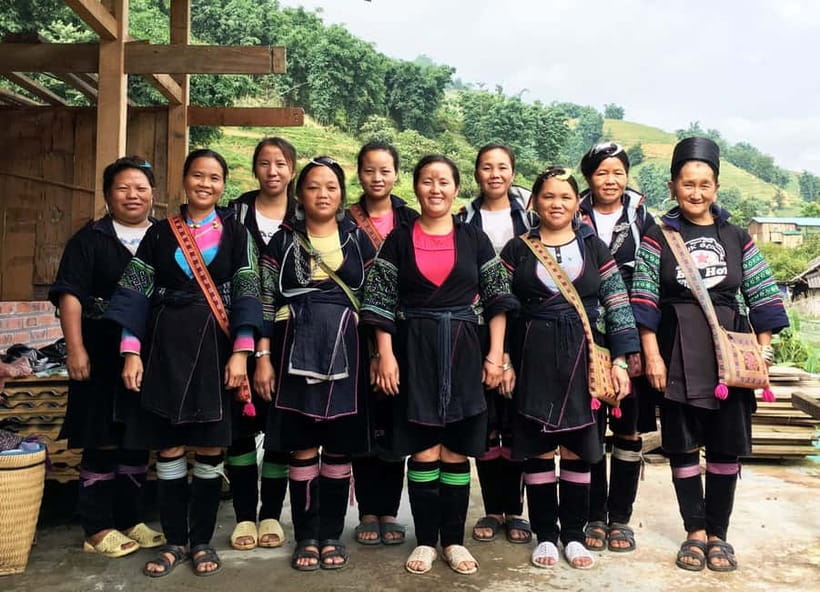
Reviewed · SAPA TREKKING & HOMESTAYS
Sapa: Muong Hoa Mountain Views and Villages Trek with Lunch
Rice terraces, mountains, and village life in one day. This trek gives you panoramic Sa Seng summit views and a real window into Black Hmong village culture. The catch is the day includes steep uphill and downhill, so it is not the best fit if you are prone to vertigo or fear heights.
I like that the route is organized around viewpoints plus community visits, not just getting photos. You also get a family-run lunch and a massage discount voucher at the end, which makes the whole day feel worth the effort. If your priority is a totally easy walk, this one will feel like work for about part of the day.
In This Review
- Key highlights to look for
- Sa Seng Summit: The View That Justifies the Trek
- The Full 9-Hour Route, From Hoàng Văn Thụ to Sa Pa
- Hang Da Village and the Black Hmong Life You Can Actually See
- Lunch With a Local Family: Included, and Usually the Best Break
- Hau Thao Village, Marriage Traditions, and House-Building Techniques
- Trek Difficulty: Steep Inclines, Uneven Ground, and Heights
- Value for Money: What $20 Really Includes
- Massage Lits Voucher: A Smart Way to Recover
- Practical Packing Tips for a Smooth Day in Sapa
- Should You Book This Muong Hoa Mountain Views and Villages Trek?
- FAQ
- What time does the tour start, and how long is it?
- Where is the meeting point?
- What is included in the price?
- Is lunch included, and when do you eat?
- Do you need to bring trekking gear?
- Is the guide English-speaking?
- Is this tour suitable for people afraid of heights or with vertigo?
Key highlights to look for
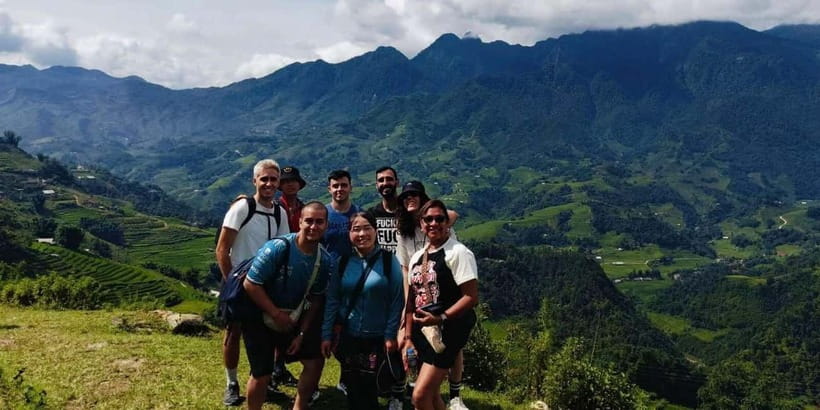
- Sa Seng summit viewpoint: Big panorama with Fansipan (3,143m) and Muong Hoa Valley rice terraces
- Two Black Hmong villages: Hang Da and Hau Thao, with daily life shown up close
- Hmong marriage traditions: You get guided context, not just a quick photo stop
- Farm animal sightings: Buffalo, pigs, and other working animals along the way
- Small family lunch: Included, with a local family restaurant stop
- Relaxation voucher: 20% off massage at Massage Lits, 01 Hoang Van Thu
Sa Seng Summit: The View That Justifies the Trek
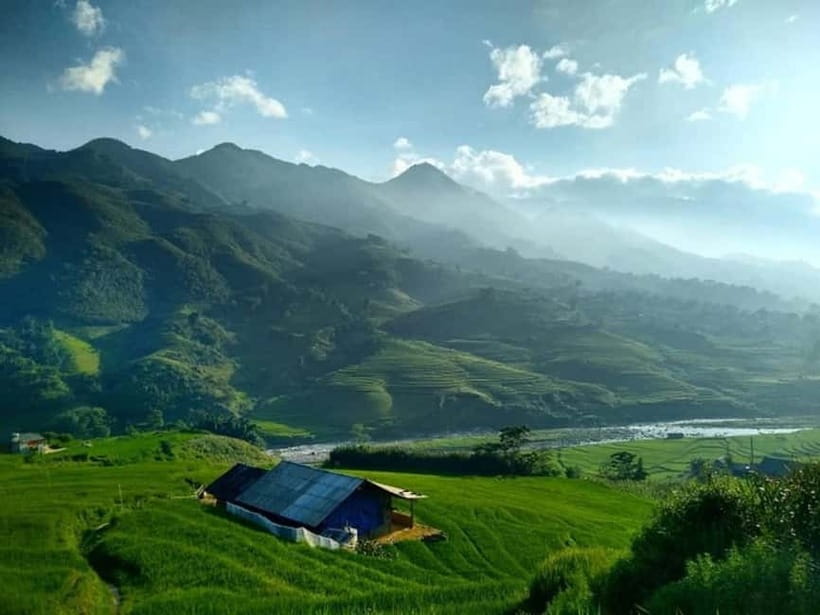
The star of the day is the climb to Sa Seng Mountain. After the van drops you near the start, you take a short uphill trail, about 1km, then you transition into a harder trekking stretch. After roughly an hour of steady effort, you reach the top.
At the summit, you get the kind of view that makes people stop talking and just look. The big landmark is Fansipan (listed here as 3,143m), the highest peak in Indochina. On a clear day, you can also see Sapa town spread out below.
Then the panorama shifts from peaks to farms. From Sa Seng, you look down toward the famous Muong Hoa Valley rice terraces. The view is also tied to the scale of the valley itself, including the biggest river and valley in Sapa (as described on the route). In other words, you are not just seeing a mountain, you are seeing the geography that shaped how people farm and live.
One practical note: views are weather-dependent. If clouds sit in, the trek still has value, but the “wow” factor may be muted. Bring a camera, but also bring patience, since the best moments can arrive after a slow climb.
More Sapa treks and homestays:
- Sa Pa: Muong Hoa Valley Trek and Local Ethnic Villages
★ 4.6 · 864 reviews - Sapa: Eco Adventure Terrace Fields and Local Villages Trek
★ 4.9 · 636 reviews - From Sapa: 1-Day Guided Trek to Lao Chai & Ta Van with Lunch
★ 4.9 · 416 reviews
The Full 9-Hour Route, From Hoàng Văn Thụ to Sa Pa
This is a structured, guided day with round-trip van transport. The plan runs about 9 hours, and the group stays small, limited to 10 participants. You are picked up and returned to the same area near the meeting point at Massage Lits, 01 Hoang Van Thu.
Here is how the day flows:
- Morning start: Meet at Hoàng Văn Thụ (near Massage Lits). After a quick intro, you start with a short uphill trail section.
- Trek to the top: You reach the top of Sa Seng after about an hour of hard trekking.
- Downhill to villages: After taking in the summit views, you continue along the mountainside down toward Hang Da.
- Animals and lunch: Along the way, you may see farm animals. Lunch happens at a small local family restaurant.
- Second village stop: After lunch, you move by small road to Hau Thao, where you see daily work if timing matches.
- Final walking segment: In the mid-afternoon, you walk to Giang Ta Chai village, where the transport waits on the main road.
- Return to Sapa: Back to Sa Pa by late afternoon.
Why this matters: you get variety without a car full of hours. But you also get limited control. The schedule is tight enough that you should not plan to wander off for long on your own.
If you love a day where you move steadily and check off meaningful stops, this itinerary fits. If you hate tight pacing, this might feel rushed during the transitions.
Hang Da Village and the Black Hmong Life You Can Actually See
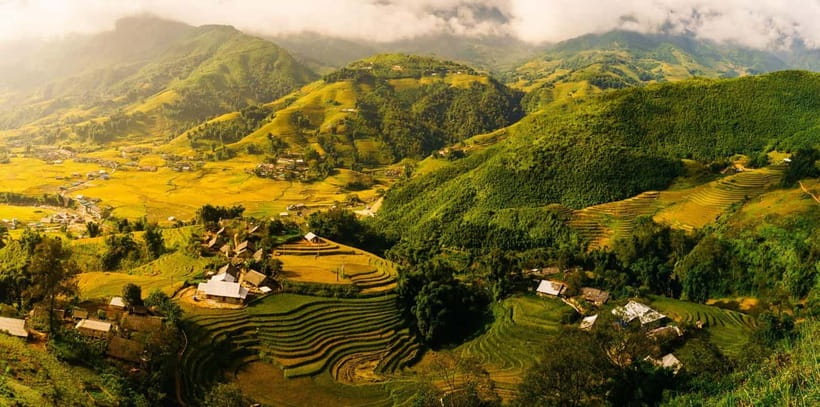
After the summit, you head toward Hang Da, described as a village of the Black Hmong minority. The route gives you time for downhill walking, which is often where your legs feel it the most.
Hang Da is not presented as a “show.” It is positioned as a place where you can observe daily life in a rural setting. Part of that includes the farm side of village living. The route notes you may see working animals such as buffalo, pigs, and other livestock.
This matters because the Hmong communities here are deeply connected to agriculture and household labor. Seeing animals up close gives context for what you later hear about in Hau Thao, especially about rice field work and how houses function within the farming cycle.
What you should do: keep your expectations grounded. You are there to learn, not to browse a museum. Ask your guide questions about what you are seeing, especially about why certain animals matter and how the terrain shapes daily routines.
A drawback to plan for: rural village visits can involve uneven ground and brief photo-stops. Wear shoes that can handle dirt paths and steps, and be ready to move even when you are not “twinning” viewpoints.
Lunch With a Local Family: Included, and Usually the Best Break
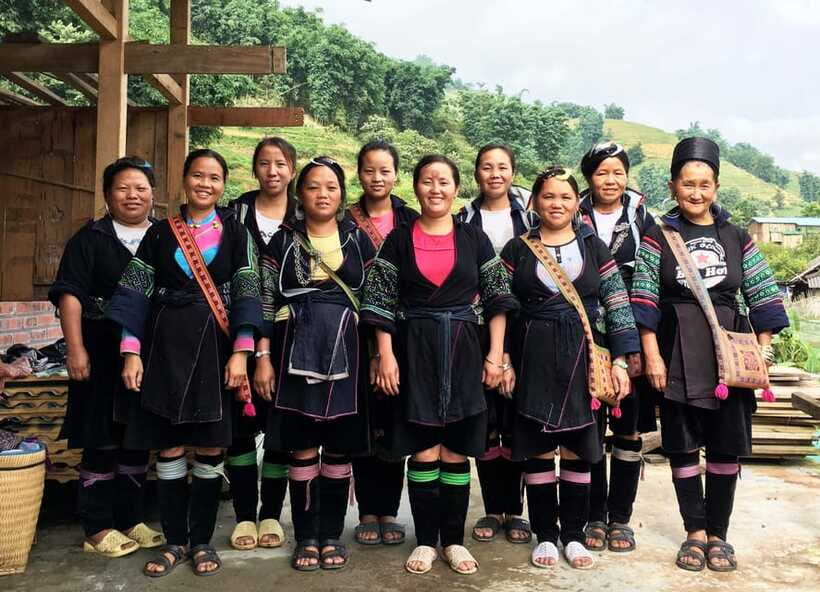
Lunch is one of the best value moments in this kind of trek. Here, it is included at a small restaurant run by a local family. That usually means the meal is simple, filling, and designed for people who are actually working and trekking, not for a tourist show menu.
The itinerary places lunch after you pass through Hang Da and before you head down toward Hau Thao. Practically, it is a smart timing choice. You have done the hardest climbing part already, and then you sit before the second village segment.
A couple of tips so lunch works for you:
- Plan to hydrate before and after, because trekking mornings can quietly drain you.
- If you have dietary needs, this is the part where you should confirm what is possible before your day starts, since the specifics of dishes are not listed here.
- If you tend to get chilly in the mountains late in the day, consider bringing something light in your pack for after lunch.
If your main goal is eating well without hunting, this stop does the job.
More treks around Sa Pa:
- Sapa 1 Day Long Trek: Trek to Hau Thao and Sa Seng Villages
★ 4.6 · 344 reviews - EXPLORE SAPA: 2D1N TREKKING & HMONG CULTURE WITH DINH
★ 4.9 · 191 reviews - Sa Pa: 6-Hours Muong Hoa Valley Trek with Local Ethnic guide
★ 4.5 · 178 reviews - Sa Pa: 2-Day Trekking Trip with Ethnic Minority Homestay
★ 4.7 · 145 reviews
Hau Thao Village, Marriage Traditions, and House-Building Techniques
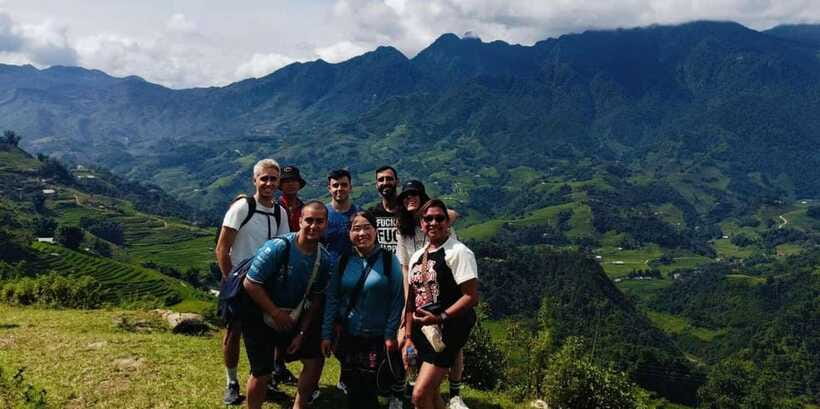
After lunch, you go to Hau Thao. The route notes that if it is the right time, you may see people working in rice fields, such as harvesting or planting. This is one of the reasons I like village-focused treks here. You are not only seeing homes, you are seeing how farming schedules shape what the village looks like day to day.
The guide then shares cultural context, including Hmong marriage traditions, rice field work, and house-building techniques. Those three topics tie together better than most generic village talks. Marriage traditions explain social ties. Rice field work explains how labor and time are organized. House-building techniques explain why homes look the way they do and how they function.
This is also where your questions matter most. If you want to understand what you see, ask your guide how the marriage traditions connect to farming cycles, or how house construction fits local materials and weather.
Potential drawback: cultural explanations happen on the move. If you like to linger and go deep at a single stop, you might wish you had more time in Hau Thao. But if you prefer a full day where each stop builds on the next, this structure works well.
If you are lucky with your guide, you may also get especially clear explanations. One guide name that comes up strongly in past experiences is Châu A Su, praised for being friendly and for explaining the local surroundings in a way that makes the day feel personal.
Trek Difficulty: Steep Inclines, Uneven Ground, and Heights
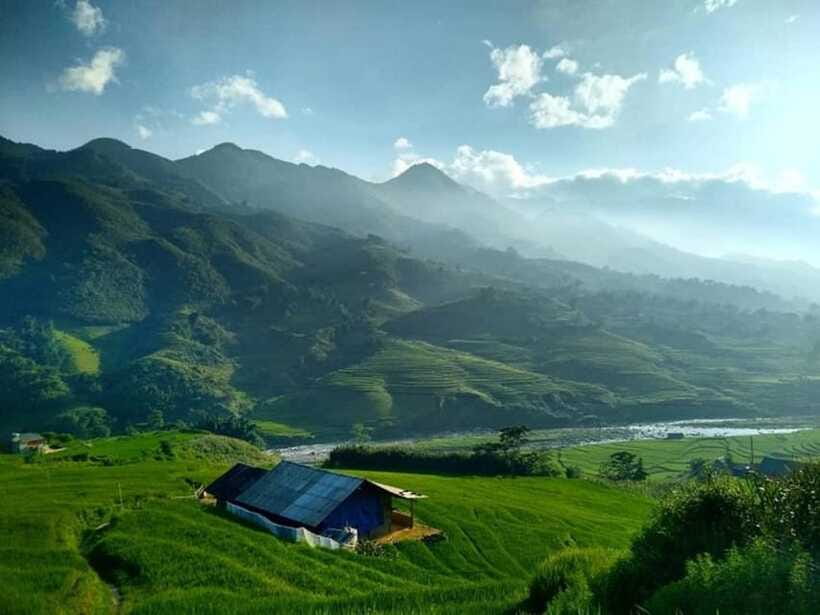
This tour is clearly labeled as challenging enough that it is not suitable for certain travelers: people who are pregnant, have back problems, have mobility impairments, fear heights, or have vertigo.
Even if you are generally fit, expect steep inclines and real effort. The schedule includes a hard trekking stretch to Sa Seng plus downhill sections afterward. That downhill matters. Many people underestimate how much impact it has on knees and ankles.
Here is what to do before you go:
- Wear comfortable shoes with good traction. Sandals are a no.
- Bring water. The itinerary specifically says to bring water and snacks to stay energized.
- Use a hat and sunscreen, since you are outside for hours and the sun can catch you when you stop moving.
- Bring a camera, but keep your hands free enough to steady yourself on uneven paths.
If you get anxious at heights, treat the summit as a situation to handle calmly, not a challenge to conquer. The views are worth it, but your comfort comes first. For vertigo-prone travelers, walking paths on slopes can be a problem even if you do not think you will mind.
This is one of those tours where preparation is not optional. It turns the day from stressful into manageable.
Value for Money: What $20 Really Includes
At $20 per person for about 9 hours, the price can look surprisingly low. Here is why it works: you get round-trip transportation by van, a driver, a guide, and a lunch at a local family restaurant.
You also get a massage voucher worth a 20% discount at Massage Lits, 01 Hoang Van Thu. That is not free, but it adds a practical “finish line” for sore legs.
For value, you are also paying for something harder to quantify: guided interpretation. The route includes explanation of Hmong marriage traditions, rice field work, and house-building techniques. That guidance can turn a walk through hills into a meaningful day.
The main value risk is logistics. There have been reports of pickup issues, including long waits at the meeting point. That does not mean it will happen to you, but it is a real reason to show up early and stay alert. Be at the meeting area at Hoàng Văn Thụ well before the stated start time and keep your confirmation details handy.
If you handle that and you want a full, active day with real cultural stops, this pricing looks like a good deal.
Massage Lits Voucher: A Smart Way to Recover
By the end of the day, your legs will probably want attention. That is exactly where the built-in voucher helps.
You get a 20% discount for massage at Massage Lits, 01 Hoang Van Thu. Since the meeting point is also at Massage Lits, you are basically ending near the place you started. That is convenient, and it makes it easier to plan recovery right away instead of trying to figure out where to go on your own.
Keep expectations practical. It is a discount, not a guaranteed free service. Still, for the way trekking days can leave you stiff, having an option lined up is a nice touch.
Practical Packing Tips for a Smooth Day in Sapa
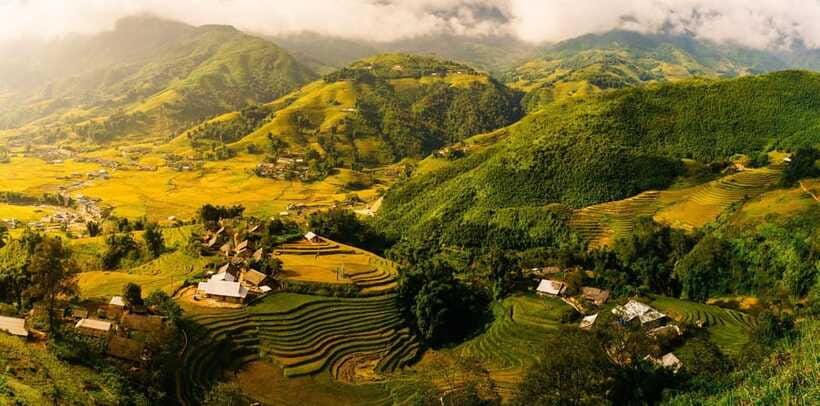
This tour asks you to bring the basics, and it is worth taking those suggestions seriously:
- Comfortable shoes for steep inclines and walking
- Hat and sunscreen to handle sun exposure
- Water and trekking gear
- Camera for summit and rice terrace views
Two more practical habits that help on days like this:
1) Keep your day bag simple. If you stop constantly to take photos, small quick-access pockets for water and sunscreen are gold.
2) Wear clothing you can adjust. Mountain weather can change, and you will sweat on the climb, then cool down as you move downhill.
Also note what is not allowed: smoking. It is best to follow that for comfort and respect in shared spaces.
Should You Book This Muong Hoa Mountain Views and Villages Trek?
I think you should book if you want a structured day that balances a real summit walk with two village visits and an included meal. The Sa Seng views, the Muong Hoa rice terraces, and the cultural explanations around Hmong traditions are the reason this feels worth doing.
I would skip it if you want an easy stroll. This is steep, and it is not suitable for people with back problems, mobility limits, pregnancy, heights fear, or vertigo.
Also, if logistics make or break your trip day, build in extra caution. Be at the meeting point area near Massage Lits early, and keep your booking details ready in case you need to follow up.
If you match the fitness and comfort requirements, this is the kind of Sapa day that leaves you with more than photos. You come away understanding how the mountains connect to farming, home life, and social traditions.
FAQ
What time does the tour start, and how long is it?
The tour runs for 9 hours. You should check starting times for your specific date.
Where is the meeting point?
The meeting point is Massage Lits, 01 Hoang Van Thu, Sapa.
What is included in the price?
Round-trip van transportation, a driver, a guide, lunch at a local family restaurant, and a voucher for a massage discount (20%) at Massage Lits.
Is lunch included, and when do you eat?
Yes. Lunch is included at a small restaurant run by a local family. It happens after visiting Hang Da and before heading to Hau Thao.
Do you need to bring trekking gear?
Yes. The tour suggests comfortable shoes, water, and trekking gear. It also recommends a hat, sunscreen, and a camera.
Is the guide English-speaking?
Yes. The tour includes a live English-speaking guide.
Is this tour suitable for people afraid of heights or with vertigo?
No. It is not suitable for people afraid of heights or for people with vertigo.
More Hiking & Trekking in Sa Pa
- SAPA: 2-DAY 1-NIGHT TREKKING & CULTURE WITH HMONG GUIDE LINH
★ 4.9 · 126 reviews - Half Day Sapa Trekking to Visit Lao Chai – Ta Van
★ 4.7 · 126 reviews - From Sapa: Waterfalls, Trekking and Tribal Villages Tour
★ 4.6 · 91 reviews - From Sapa: Guided Full-Day Trekking with Lunch and Drop-Off
★ 4.2 · 86 reviews
New listings around Sa Pa
- Sapa: Private The Most Beautiful Terraced Fields Trekking★ 4.8 · 42 reviews
- Sapa: Trekking Sapa One Day With Group Tour★ 4.7 · 55 reviews
- Sapa3D2N TrekkingAdventures,Valleys,Bambooforest,Waterfall★ 4.8 · 24 reviews
- Sapa: Y Linh Ho – Lao Chai, and Ta Van Trekking Day Tour★ 5.0 · 25 reviews
- From Sapa: Guided Full-Day Trekking with Lunch and Drop-Off★ 4.2 · 86 reviews
- Sapa: Ta Phin Village Trek with Lunch and Bathing Experience★ 4.7 · 13 reviews
- Sapa Trekking Private Tour With Ethnic Female Tour Guide★ 4.9 · 24 reviews
- Sapa: Ta Phin Village Trek & Red Dao Herbal Bath★ 5.0 · 22 reviews
Sapa Trekking & Homestays, compared.
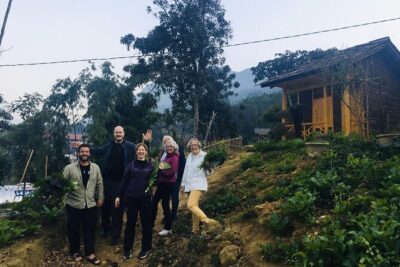
Sapa 2 Days 1 Night From Hanoi – Overnight in Ta Van Village
Read our review →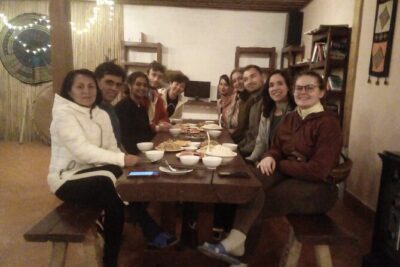
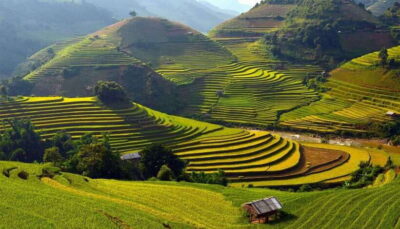
Muong Hoa Valley Trek and Local Ethnic Villages
Read our review →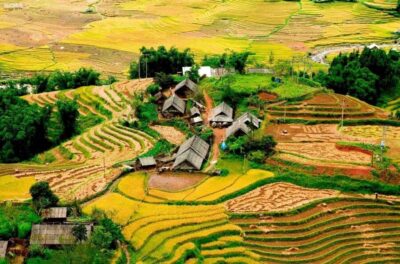
Sapa 3 Days 2 Nights Trekking Tour (1 Night In Ta Van Village, 1 Night In Hotel)
Read our review →
Eco Adventure Terrace Fields and Local Villages Trek
Read our review →
3-Day Trekking Adventure of Sapa from Hanoi – Stay Ta Van Village
Read our review →
Number one top rated ethical cultural trekking and homestay by ETHOS
Read our review →Browse the lists this tour appears in