
Reviewed · SAPA TREKKING & HOMESTAYS
SAPA: 1-DAY TREKKING TOUR WITH LOCALS, LUNCH & RICE FIELDS
Rice terraces and village life, with a side of mud. This one-day Sapa hike (with a homestay option depending on your booking) gets you walking through rice terraces and mountain valleys, meeting Black Hmong and Giay families, then sharing a homemade lunch near the Muong Hoa stream.
I especially like how hands-on the cultural stops feel, from learning about traditional Hmong textile techniques like indigo dyeing to watching everyday farm work on steep terraces. The other thing I like is the pacing, you hike for hours, then you actually sit down and rest with a real meal in a local home. One drawback to plan for up front: the terrain is steep and uneven, and rain can turn the trail into slip-and-slide mode, so pack accordingly.
In This Review
- What makes this Sapa trek special: Y Linh Ho to Lao Chai to Ta Van
- Key highlights to look forward to
- Sapa Stone Church start: the morning rhythm and drive into the valley
- Y Linh Ho rice terraces and Black Hmong textile traditions
- Lao Chai lunch: Muong Hoa stream views and a traditional stilt house
- Afternoon trek to Ta Van: fields, bamboo, and Giay village life
- Price and value: what $20 really buys you
- The one thing to verify: one-day vs the 2-day homestay option
- Difficulty and packing: steep, uneven trails and muddy surprises
- Small groups and local hosting: what to expect in real life
- Who this trek is best for, and who should skip it
- Should you book this Sapa rice terrace trek?
- FAQ
- Where is the meeting point and what time does the tour start?
- What villages are included on this route?
- What does the $20 price include?
- Is this a one-day tour or a 2-day trek?
- How difficult is the trek and what should I pack?
- Is the tour suitable for children and babies?
What makes this Sapa trek special: Y Linh Ho to Lao Chai to Ta Van
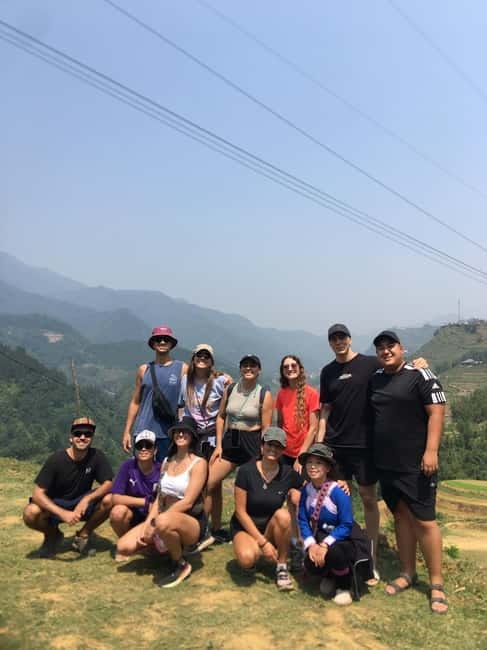
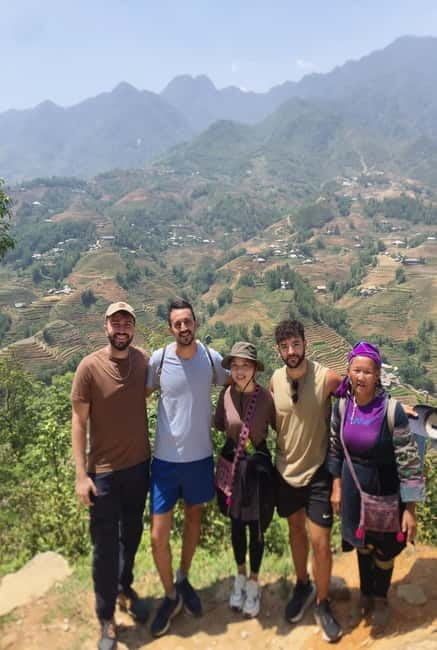
This is a classic Sapa “valley-to-village” route built around three real places: Y Linh Ho, Lao Chai, and Ta Van. You start in town at Sapa Stone Church, get transported into the valley, then spend the day moving through rice terraces, fields, and bamboo before finishing with a pickup back in Ta Van.
If you’re trying to choose between “pretty views” and “people you can talk to,” this route leans hard toward the second one. The walk puts you close to how people farm rice on steep hillsides, and your guide connects the scenery to the daily rhythm of ethnic minority communities.
Key highlights to look forward to
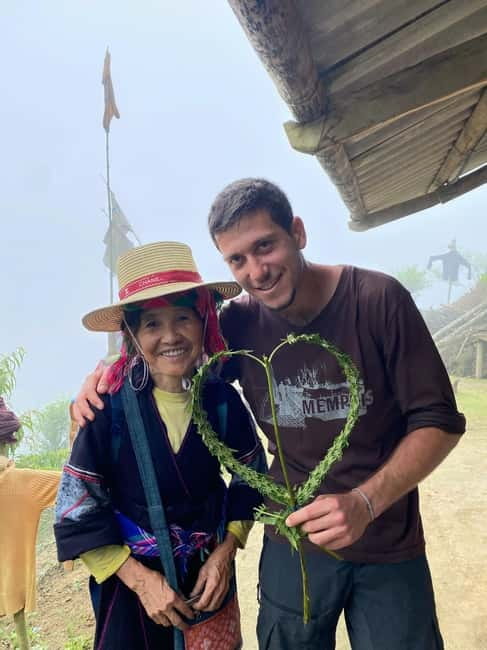
- Meeting Black Hmong families in Y Linh Ho and seeing how life fits into the terraced hills.
- Learning Hmong indigo dyeing techniques tied to traditional textiles.
- A homemade lunch in a traditional stilt house with views over the valley by the Muong Hoa stream.
- Walking to Giay village life in Ta Van, away from the busier feel of town.
- An English-speaking local guide who helps you understand what you are seeing.
- Mud-ready planning, including advice to bring rain gear and extra socks for wet conditions.
More Sapa treks and homestays:
- Sa Pa: Muong Hoa Valley Trek and Local Ethnic Villages
★ 4.6 · 864 reviews - Sapa: Eco Adventure Terrace Fields and Local Villages Trek
★ 4.9 · 636 reviews - From Sapa: 1-Day Guided Trek to Lao Chai & Ta Van with Lunch
★ 4.9 · 416 reviews
Sapa Stone Church start: the morning rhythm and drive into the valley
Your day begins at 9:00 AM with a guide meeting you at Sapa Stone Church in the town center. From there, there is a short drive of about 30 minutes that takes you out into the valley, where the real scenery starts.
This setup matters more than it sounds. Starting at a clear, easy meeting point means you waste less time guessing. And the drive is long enough to get you into the hills, without turning your morning into a long travel day.
In the van, you’ll usually get the basics from your English-speaking local guide, and you’ll get a sense of the route style. This tour is designed as an active day. You’re not just walking one scenic track. You’ll move through village paths and terrain that can be uneven, so comfortable shoes are not optional.
Y Linh Ho rice terraces and Black Hmong textile traditions
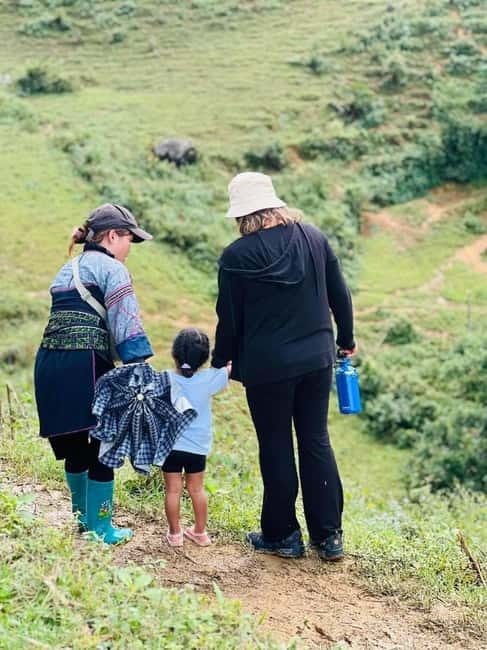
Y Linh Ho is the first village stop, and it’s known for both stunning terraced rice fields and Black Hmong culture. When you start walking, the terraces are not just “background.” You are literally stepping through the agricultural system that shapes daily life here.
This is where you can get two kinds of value from the trek:
- Scenery you can see clearly as the terraces spill down the hills.
- Context you understand, because your guide explains farming on steep, terraced hillsides rather than treating the area like one long photo shoot.
One of the most interesting cultural moments included on this route is learning about traditional Hmong indigo dyeing techniques. Even if you’ve seen dyed fabric in markets before, it hits different when you connect it to local methods and how textiles fit into community traditions.
Practically, expect a first push. The terrain can feel challenging early, especially if the ground is wet. Go slow and keep your eyes on your footing, because steep trails in Sapa punish fast walking with sore ankles.
Lao Chai lunch: Muong Hoa stream views and a traditional stilt house
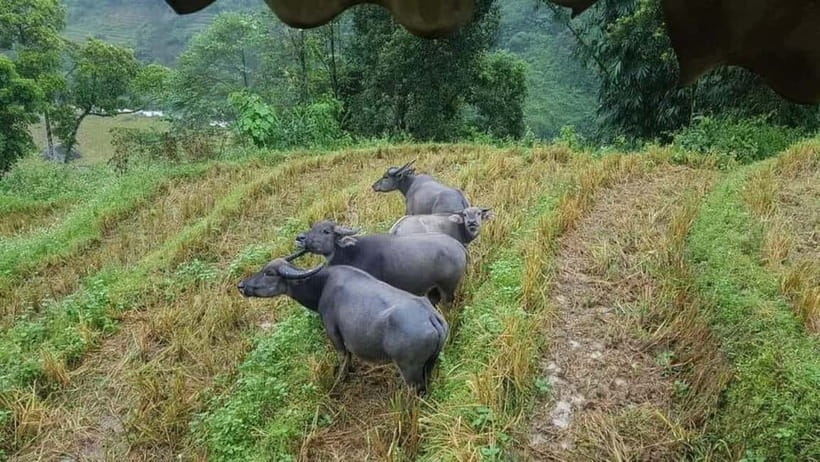
About three hours into the trek, you reach Lao Chai, a village set beside the Muong Hoa River. This is where the day shifts gears from walking to eating and breathing.
Lunch is one of the best parts of the experience because it is built around a real home setting. You enjoy a homemade lunch in a traditional stilt house, and the location gives you sweeping valley views. When the day has been muddy or foggy, this is exactly the kind of warm break you need. Food tastes better when you’ve earned it with your own legs.
Also, pay attention to the stilt-house layout. Even without an architecture lecture, you can usually feel what it’s for: living with the climate and the ground conditions. You’re not just visiting, you’re stepping into a daily-use space.
One more practical tip: bring the mindset that lunch is part of the trekking plan. The tour includes lunch, but drinks beyond that are not included, so if you’re a frequent sipper, budget for it or carry a little extra. On rainy days, the break can feel even more welcome because you’ll have time to dry off a bit.
More treks around Sa Pa:
- Sapa 1 Day Long Trek: Trek to Hau Thao and Sa Seng Villages
★ 4.6 · 344 reviews - EXPLORE SAPA: 2D1N TREKKING & HMONG CULTURE WITH DINH
★ 4.9 · 191 reviews - Sa Pa: 6-Hours Muong Hoa Valley Trek with Local Ethnic guide
★ 4.5 · 178 reviews - Sa Pa: 2-Day Trekking Trip with Ethnic Minority Homestay
★ 4.7 · 145 reviews
Afternoon trek to Ta Van: fields, bamboo, and Giay village life
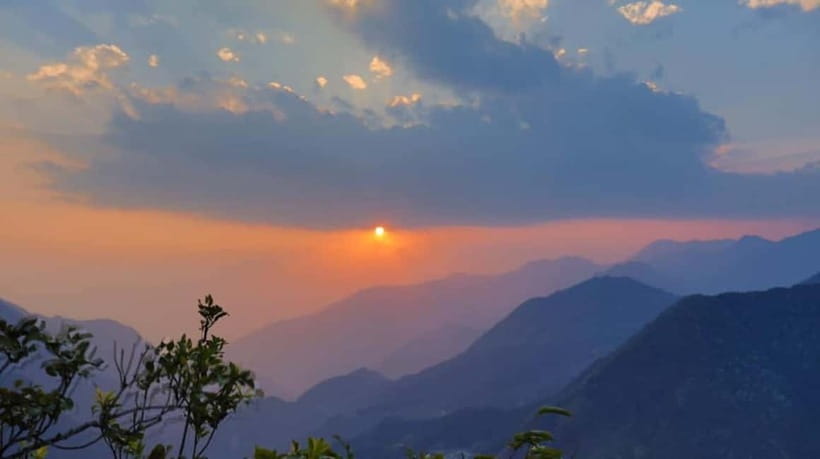
After lunch, you continue walking through quieter stretches of the valley, including peaceful fields and bamboo forests, before reaching Ta Van. Ta Van is home to the Giay people, and the appeal here is the sense of calm.
This part of the day is often where your experience shifts from “watching” to “noticing.” The route is still scenic, but it’s also a chance to slow down and understand village distance and daily movement. You see how people live with trails and paths as part of the landscape of ordinary life.
When you arrive in Ta Van, you explore the village’s way of life. The goal is not to turn people into a spectacle. It’s to learn what their days look like, from how they live to how their community holds on to traditions. Your local guide helps translate what you’re seeing into something you can actually picture back home.
When you finish in Ta Van, there is a pickup by car that brings you back to Sapa town. This end is convenient, especially after a day of steady walking.
Price and value: what $20 really buys you
At $20 per person, this tour sits in the “seriously good deal” category for Sapa. Why? Because it includes the stuff that usually costs you time and money if you try to DIY.
Included in your price:
- English-speaking local guide
- Transport back to Sapa from Ta Van
- Traditional lunch in a local house
- Entrance fees to villages
- The activities listed in the route
Not included:
- Personal expenses like souvenirs or snacks
- Travel insurance
- Additional drinks during lunch
So where’s the value? It’s in the access and the friction you avoid. Village entrance fees and guide time can add up fast. Transport out of town and back also removes the stress of figuring out pickups at the end of a hike.
One extra value note: the tour materials mention a discounted price for doing the next trip to Cat Ba Island or the Ha Giang Loop. If you are already thinking about chaining northern Vietnam experiences, that can make the overall trip feel more cost-effective.
The one thing to verify: one-day vs the 2-day homestay option
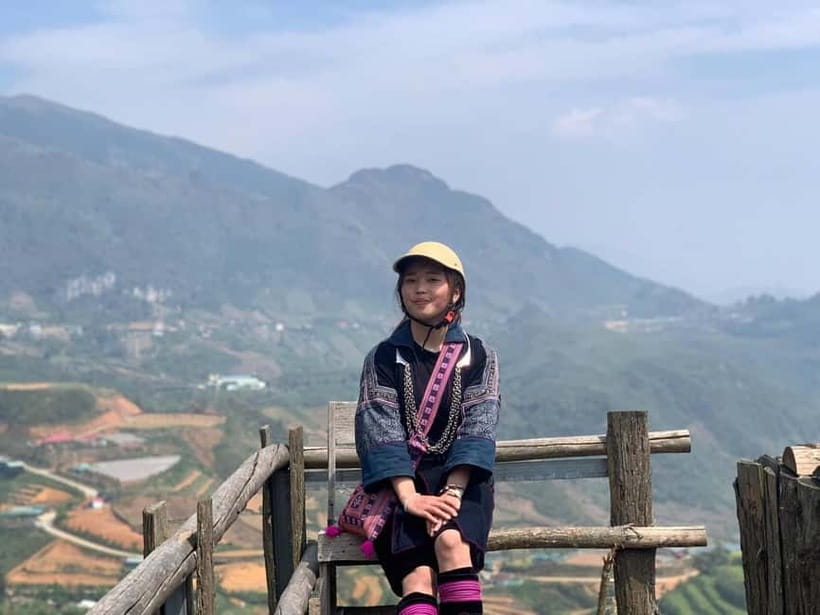
Here’s the practical catch you should double-check before you pay. The tour title frames this as a 1-day trekking experience, and the route description reads like a same-day Y Linh Ho to Lao Chai to Ta Van walk.
At the same time, the “Important Information” section talks about a 2 days, 1 night trek covering 19 km and mentions a homestay with basic facilities. That strongly suggests there are bookings that include an overnight stay, not just lunch.
What should you do? When you book, confirm which exact duration you are getting:
- The same-day version that ends after Ta Van pickup, or
- The multi-day version with the simple authentic homestay component
This matters because your packing changes. For an overnight, you’ll want a change of clothes and a better system for rain and mud management.
Difficulty and packing: steep, uneven trails and muddy surprises
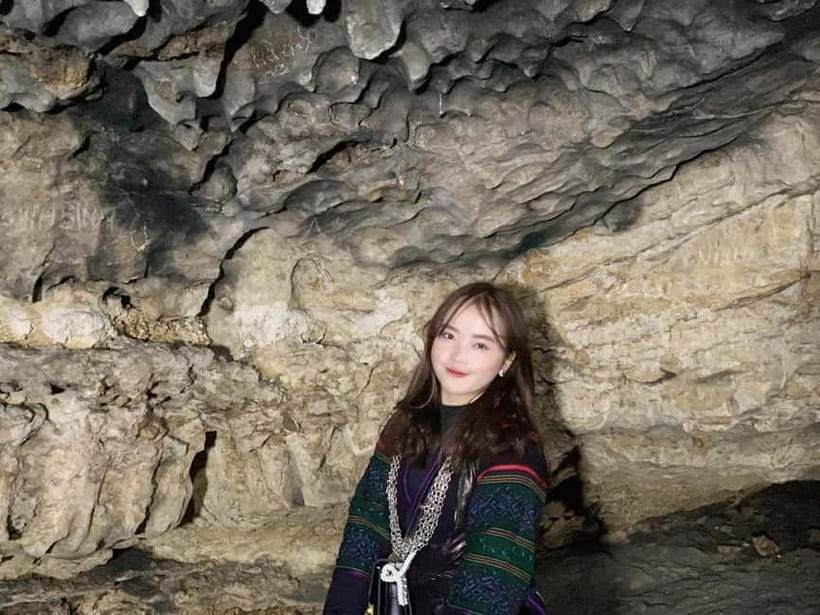
Fitness level is listed as moderate, with steep, uneven terrain. Even if you are fit, go in with respect for the hillside. It’s not just about endurance. It’s about balance and careful steps.
What to bring:
- Comfortable shoes and clothes for trekking
- Light raincoat or jacket
- Sunscreen, hat, sunglasses
- Mosquito repellent
- A change of clothes for evening (especially if your booking includes a homestay)
A smart add-on based on what actually happens on rainy days: plan for wet ground. One guest experience notes receiving Wellington boots because the trek became muddy after continuous rainfall. Even if boots aren’t guaranteed for your departure, it’s still smart to pack extra socks and keep your feet as dry as possible.
Also, don’t underestimate the first hour. If you start feeling your legs, slow down. A steady pace beats heroic speed on steep trails.
Small groups and local hosting: what to expect in real life
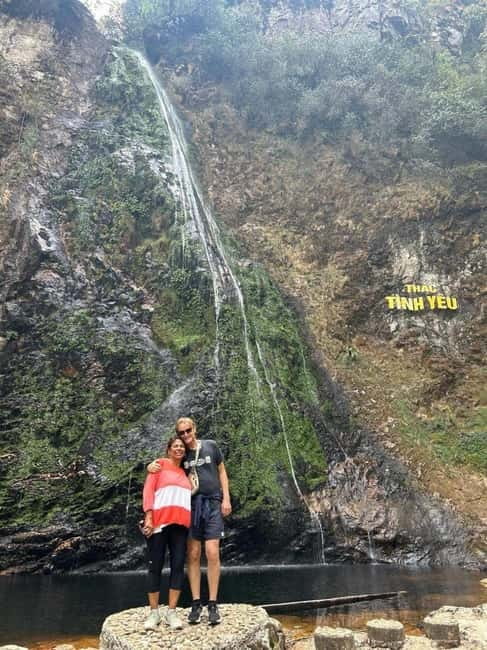
The tour is described as a small-group experience, which is exactly what you want for village treks. Small groups usually mean fewer people crowding the path and more flexibility with pacing.
You’ll likely walk with other travelers, but the structure aims to keep the group manageable, so your guide can answer questions and adjust if the trail conditions shift. In rain or fog, being able to adapt the route style can make the difference between a stressful slog and an enjoyable day.
Homestay hosting is also described as simple, authentic, and cozy with basic facilities when it applies to your booking. In that setting, you’re not going to a five-star hotel. You’re joining a family routine. That’s part of the charm, and it’s part of why the cultural pieces land.
Who this trek is best for, and who should skip it
This tour is a great match if you:
- Want an active day with culture built into the walk
- Prefer talking to local guides and learning village life, not just looking at views
- Are comfortable walking on uneven ground for multiple hours
You might want to skip or choose a gentler option if:
- You hate steep trails or you have mobility limits
- You’re traveling with very young babies, since it’s not suitable for babies under 1 year
- You want a fully comfortable day with minimal walking, because this is still a trekking route
There are also age suitability notes: it’s not suitable for people over 95 years, and children under 4 are listed as free.
Language support is English and Vietnamese, so you’ll be able to follow the key parts of the cultural explanation.
Should you book this Sapa rice terrace trek?
I think this is a strong booking if you want Sapa that feels lived-in, not staged. The combination of rice terraces, a village lunch in a traditional stilt house, and cultural context like Hmong indigo dyeing is a solid mix for the money. At $20, it’s hard to beat what you get in terms of access and guided time.
My main “think twice” point is the duration confusion. Before you go, confirm if you’re signing up for a true one-day walk or the 2 days, 1 night version with the homestay. Once that’s clear, you’re set.
If you come with good shoes, rain gear, and a calm pace, you’ll walk away with a day that feels both scenic and personal, the kind of Sapa experience that sticks longer than a single photo.
FAQ
Where is the meeting point and what time does the tour start?
You meet at Sapa Stone Church in the town center at 9:00 AM.
What villages are included on this route?
The route includes Y Linh Ho, Lao Chai, and Ta Van.
What does the $20 price include?
It includes an English-speaking local guide, transport back to Sapa from Ta Van, a traditional lunch in a local house, entrance fees to villages, and the activities listed in the itinerary.
Is this a one-day tour or a 2-day trek?
The route description reads like a same-day walk, but the important information also lists a 2 days, 1 night option covering 19 km with homestay. Confirm the exact duration when you book.
How difficult is the trek and what should I pack?
The trek is listed as moderate with steep, uneven terrain. Bring comfortable trekking shoes, a raincoat or jacket, sunscreen, a hat, sunglasses, mosquito repellent, and a change of clothes for evening.
Is the tour suitable for children and babies?
Children under 4 are listed as free. It is not suitable for babies under 1 year, and it is not suitable for people over 95 years.
More Hiking & Trekking in Sa Pa
- SAPA: 2-DAY 1-NIGHT TREKKING & CULTURE WITH HMONG GUIDE LINH
★ 4.9 · 126 reviews - Half Day Sapa Trekking to Visit Lao Chai – Ta Van
★ 4.7 · 126 reviews - From Sapa: Waterfalls, Trekking and Tribal Villages Tour
★ 4.6 · 91 reviews - From Sapa: Guided Full-Day Trekking with Lunch and Drop-Off
★ 4.2 · 86 reviews
New listings around Sa Pa
- Sapa: Private The Most Beautiful Terraced Fields Trekking★ 4.8 · 42 reviews
- Sapa: Trekking Sapa One Day With Group Tour★ 4.7 · 55 reviews
- Sapa3D2N TrekkingAdventures,Valleys,Bambooforest,Waterfall★ 4.8 · 24 reviews
- Sapa: Y Linh Ho – Lao Chai, and Ta Van Trekking Day Tour★ 5.0 · 25 reviews
- From Sapa: Guided Full-Day Trekking with Lunch and Drop-Off★ 4.2 · 86 reviews
- Sapa: Ta Phin Village Trek with Lunch and Bathing Experience★ 4.7 · 13 reviews
- Sapa Trekking Private Tour With Ethnic Female Tour Guide★ 4.9 · 24 reviews
- Sapa: Ta Phin Village Trek & Red Dao Herbal Bath★ 5.0 · 22 reviews
Sapa Trekking & Homestays, compared.
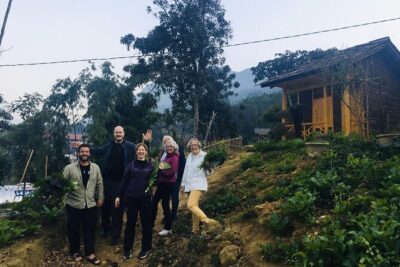
Sapa 2 Days 1 Night From Hanoi – Overnight in Ta Van Village
Read our review →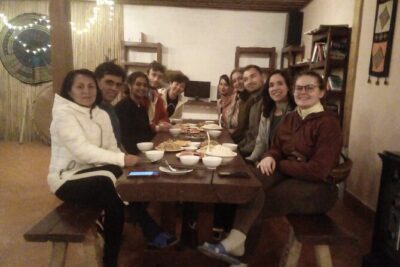
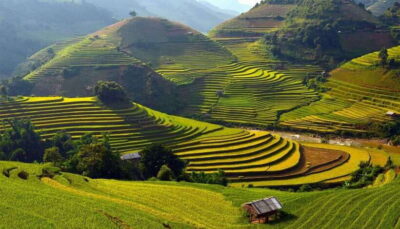
Muong Hoa Valley Trek and Local Ethnic Villages
Read our review →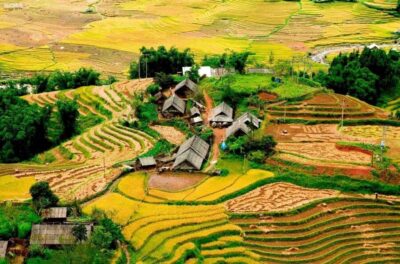

Sapa 3 Days 2 Nights Trekking Tour (1 Night In Ta Van Village, 1 Night In Hotel)
Read our review →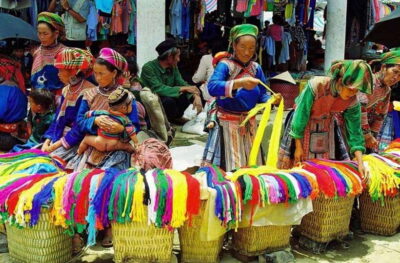
Eco Adventure Terrace Fields and Local Villages Trek
Read our review →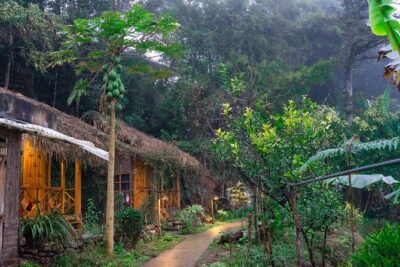
3-Day Trekking Adventure of Sapa from Hanoi – Stay Ta Van Village
Read our review →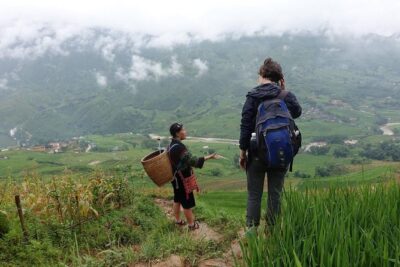
Number one top rated ethical cultural trekking and homestay by ETHOS
Read our review →Browse the lists this tour appears in