
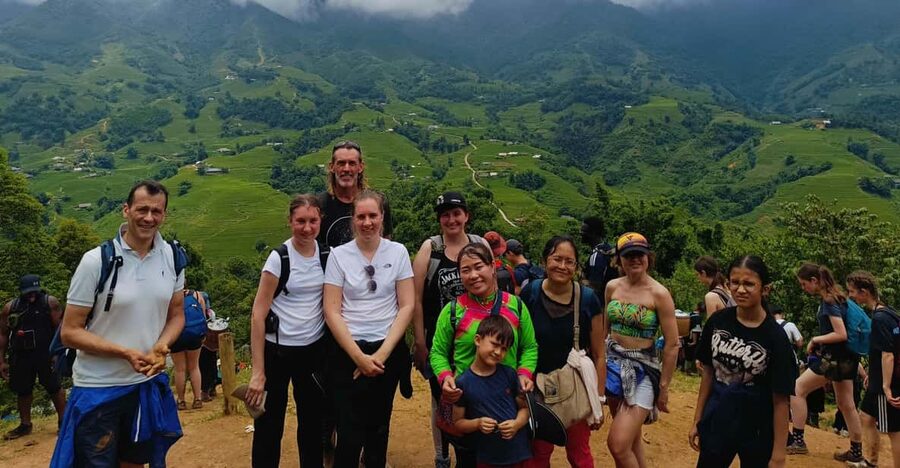
Reviewed · SAPA TREKKING & HOMESTAYS
In Sapa: 1 Day Mountain Trek, Visit beautiful villages
Fresh air beats city views any day. This 10-hour Sapa mountain trek pairs big scenery from Sa Seng with quiet village time in Hau Thao and Hang Da, guided in English by locals. You’ll also get a real taste of Black Hmong everyday life, with stories on marriage traditions and how rice fields and homes are built.
I love the way the day is paced around viewpoints first, then down into working villages, so you do not just “see” Sapa, you walk through how people live there. Another big plus is the small group size, limited to 10, which helps the guide keep everyone together and adjust pace when the paths get steep. The one drawback to plan for is that it is not a casual stroll, especially with rain, muddy steps, and steep sections that can feel slippery on the descent.
In This Review
- Key Points at a Glance
- Sa Seng Summit and Muong Hoa Valley Rice Terraces
- Hang Da Village Walk, Farm Animals, and Mong and Black Hmong Culture
- The Traditional Family Lunch in the Middle of the Trek
- Hau Thao Village, Daily Field Work, and Hmong Marriage Traditions
- Giang Ta Chai and the 15:30 Exit Back to Sapa
- How Hard Is This Trek, and What to Wear for Mud and Steps
- Price Value: What $24 Covers and Why It Adds Up
- Logistics in Real Life: Pickup, Small Groups, and English Guidance
- Who This Trek Suits Best
- Should You Book This Sapa 1-Day Mountain Trek to Hau Thao?
- FAQ
- How long is the Sapa 1-day mountain trek?
- What time does the tour start?
- What is included in the price?
- What should I bring?
- Is the trek suitable for wheelchair users or mobility impairments?
- How big is the group and what languages do guides speak?
Key Points at a Glance
- Sa Seng Summit Views: Fansipan, Sapa town, and Muong Hoa valley rice terraces in one dramatic stop
- Black Hmong Villages: Hang Da and Hau Thao, with daily farm work you can actually watch
- Culture, Not Just Photos: Hmong marriage traditions, rice-field work, and house-building techniques explained
- Family-Run Lunch: A traditional meal served at a local spot during the trek
- Small Group Experience: Up to 10 people, often feeling more personal with guides like Moa or Mao
Sa Seng Summit and Muong Hoa Valley Rice Terraces
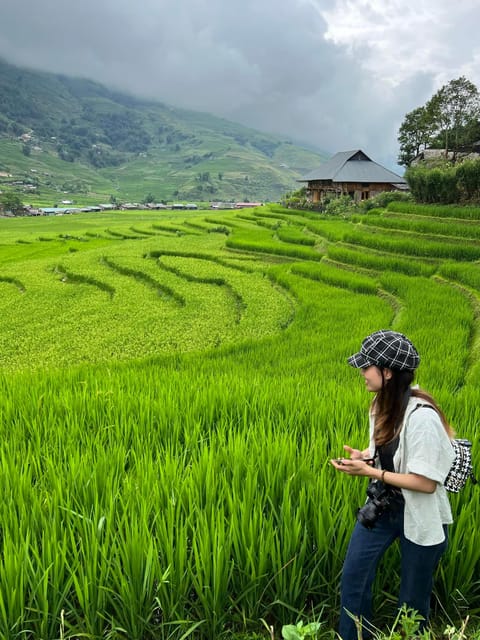
This trek starts with a climb that warms up your legs fast. Around 9:00, your guide and van pick you up from your accommodation, then you head to the trailhead and begin with a short uphill section. Expect that first push to feel like a “real start,” not a slow warm-up, because the route climbs for about an hour before you reach the top.
At Sa Seng mountain, the rewards hit immediately. From here, you get wide views across Sapa town and the dramatic outline of Fansipan, listed as 3,143 meters, the highest peak in Indochina. The viewpoint also shows what makes Muong Hoa valley so famous: the big patchwork of terraced rice fields stretching along the valley. The guide points out the valley and river views as you look down, so you can understand where you are in relation to the region instead of just snapping pictures.
This is one of the best parts of the day for value because it is included time with no extra costs. You are not paying to ride up to a viewpoint or doing a separate paid activity. You earn it by walking, and the view is the kind that makes people stop talking and just look.
A quick practical note: the summit views can change with weather. If it is cloudy, you may still see the terraces and valleys, but visibility can soften. If it is clear, it is a much more “wow” moment.
More Sapa treks and homestays:
- Sa Pa: Muong Hoa Valley Trek and Local Ethnic Villages
★ 4.6 · 864 reviews - Sapa: Eco Adventure Terrace Fields and Local Villages Trek
★ 4.9 · 636 reviews - From Sapa: 1-Day Guided Trek to Lao Chai & Ta Van with Lunch
★ 4.9 · 416 reviews
Hang Da Village Walk, Farm Animals, and Mong and Black Hmong Culture
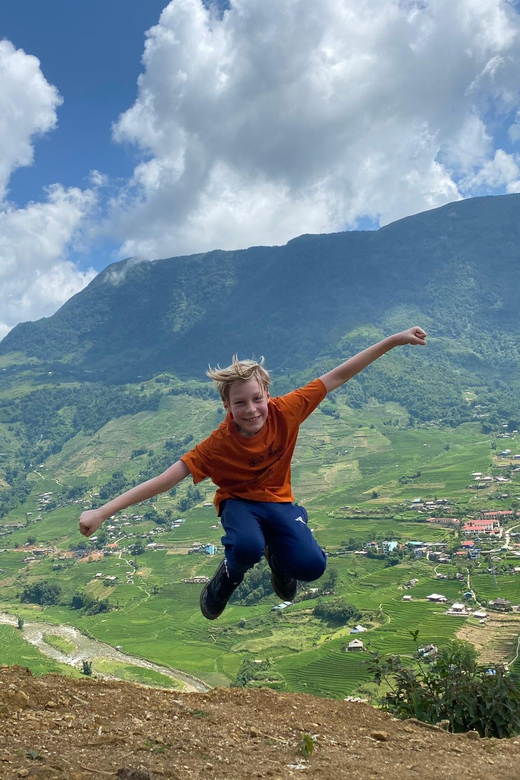
After the summit, you head downhill along mountainside trails toward Hang Da, a village associated with the Black Hmong minority. This segment is where the trek shifts from scenic hiking into human-scale life. You are moving along paths that feel more like local routes than tourist corridors, and that matters because it keeps the day grounded.
One of the most memorable details in this part of the route is how agriculture shows up everywhere. The guide gives context for the village’s rhythms, and you may see animals common to rural farm life. The itinerary includes time to see creatures like water buffalo and pigs, and that is not just for photos. It is a reminder that the valley is a working landscape, not a backdrop.
Culture stops here too. The guide introduces how people organize village life, and you get explanations tied to farming and housing. Even if you have seen Sapa before, this is the type of walking where your questions feel more natural. You will likely notice clothing, chores, and field work in a way that is harder to get from a quick stop by car.
Do not expect a scripted show. The day is structured, but you are walking through daily routines, and that can mean the pace feels different depending on what is happening when you pass through.
The Traditional Family Lunch in the Middle of the Trek
Lunch is one of those moments that quietly makes the whole tour better. You do not eat at a random tourist restaurant. Instead, the plan includes lunch at a small restaurant run by a local family.
That matters for two reasons. First, you are refueling halfway through a 10-hour day, so the energy hit is real. Second, this is your chance to eat something close to what locals serve on ordinary days rather than a generic menu made for tour groups.
From the included details, lunch is traditional and included in your price, along with the guide, village entry fees, and a small bottle of water per person. That package is a big part of the value argument. If you try to DIY this day, the costs and logistics add up fast, especially when you factor in guide time and entry fees.
A practical tip: keep lunch simple in your mind. If you are sensitive to unfamiliar food, stick to what the restaurant serves confidently. Your guide is there to help you understand what you are eating and keep the day moving.
Hau Thao Village, Daily Field Work, and Hmong Marriage Traditions
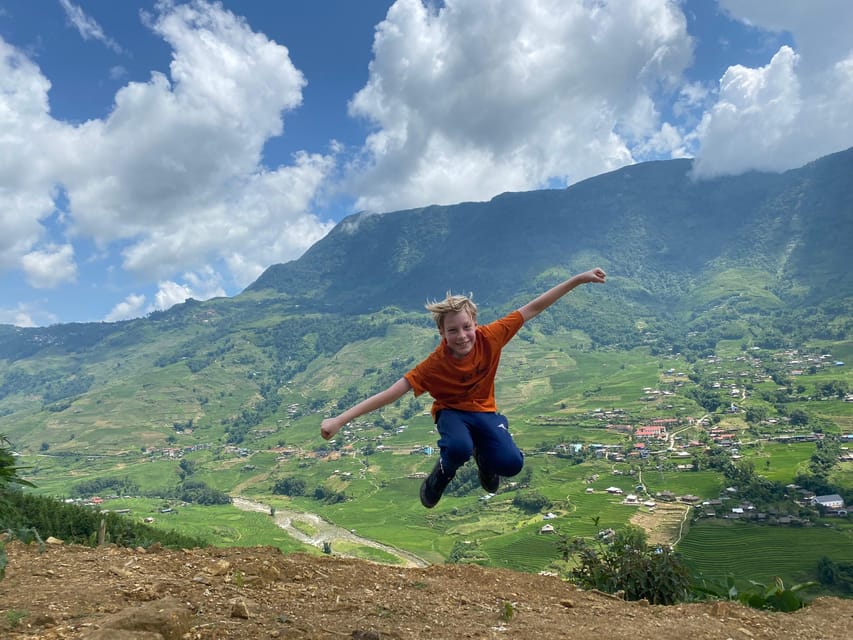
The heart of the experience is Hau Thao village. After lunch, you transition to the next downhill stretch via a small road, then you arrive in the village where you can see daily life. If timing lines up with fieldwork, you may catch people harvesting or planting rice, which is the kind of sight that turns a scenic trip into a cultural one.
This is also where the guide’s storytelling makes a real difference. The itinerary specifically includes explanations of Hmong marriage traditions, rice-field work, and house building techniques. That is not vague cultural fluff. It gives you a framework for what you are seeing while you walk through the village and look at the work people do.
I especially like this stop because it is interactive without being pushy. You can ask questions, watch routines, and get explanations that connect daily tasks to cultural meaning. It feels more like learning how a community functions than collecting facts for a checklist.
At the same time, keep expectations realistic. You might see people selling small items along pathways, and that can be slightly tiring. It is not necessarily aggressive, but it is a reality of village visits in Sapa. A calm, polite no goes a long way.
Also, remember this is a walking tour. Time in the village is meaningful, but you will still hike between points. If you want long sit-down moments, plan to enjoy Hau Thao in chunks, with pauses when the views or conversation invite it.
More treks around Sa Pa:
- Sapa 1 Day Long Trek: Trek to Hau Thao and Sa Seng Villages
★ 4.6 · 344 reviews - EXPLORE SAPA: 2D1N TREKKING & HMONG CULTURE WITH DINH
★ 4.9 · 191 reviews - Sa Pa: 6-Hours Muong Hoa Valley Trek with Local Ethnic guide
★ 4.5 · 178 reviews - Sa Pa: 2-Day Trekking Trip with Ethnic Minority Homestay
★ 4.7 · 145 reviews
Giang Ta Chai and the 15:30 Exit Back to Sapa
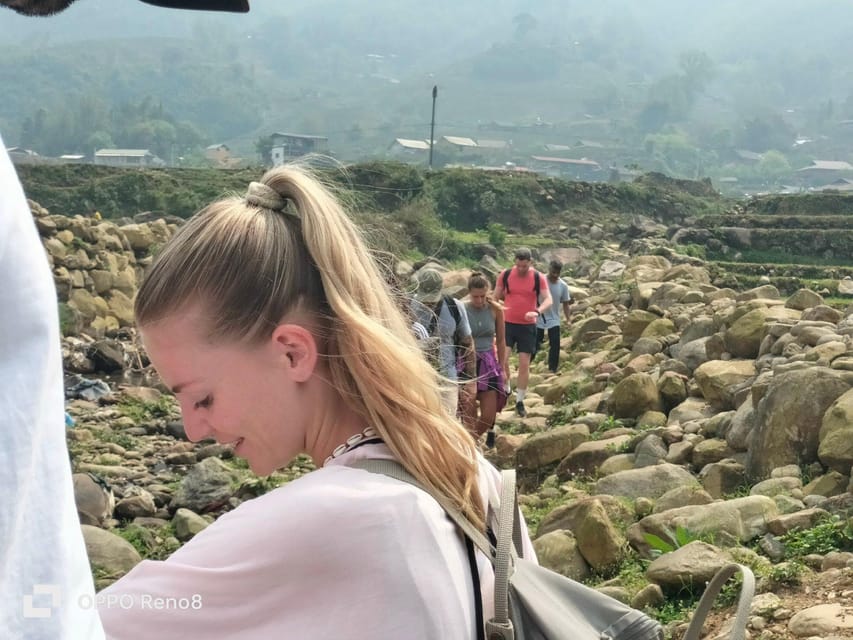
After Hau Thao, the itinerary includes a walk to Giang Ta Chai village. Your transport is waiting on the main road there, and this is the bridge between village time and getting back to Sapa.
The walk to the pickup point is usually not the hardest part of the day, but it is the part where you start thinking about comfort. It helps if you keep a steady rhythm earlier, so your legs are not fully cooked when you reach the final section.
The tour ends around 15:30, and then you return to Sapa. That timing is one reason this feels like a good 1-day choice. You get a full morning and part of the afternoon in villages and valleys, while still keeping the rest of your day for dinner, rest, or a second activity.
How Hard Is This Trek, and What to Wear for Mud and Steps
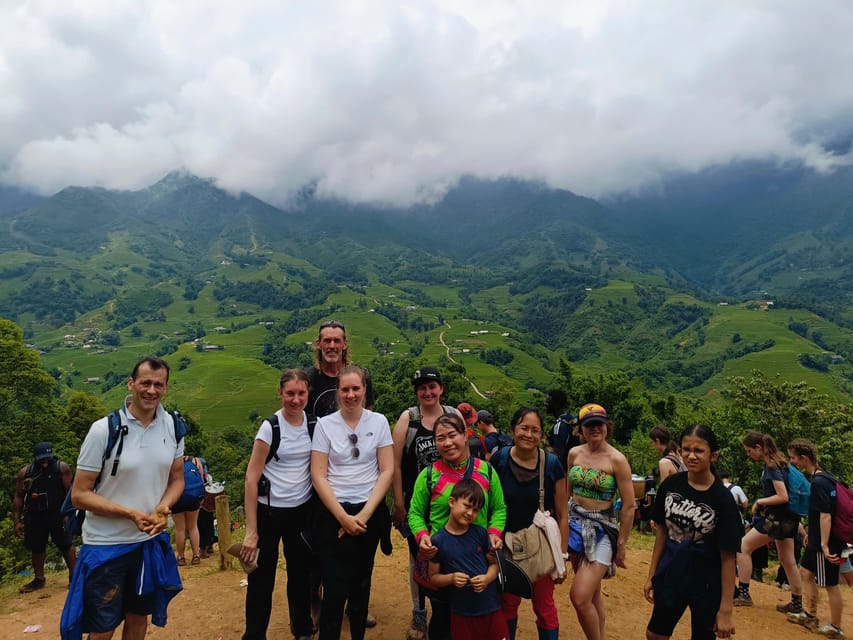
This trek is described as easy long trekking, but the ground decides the difficulty. Based on route feedback, expect some steep sections, uneven terrain, and possible slipperiness when it rains. A few people found it more challenging than they expected, especially with muddy steps and big foot placements on the descent.
So, what should you do if you want to enjoy it instead of survive it?
- Wear sturdy hiking shoes with grip. If your soles are smooth, you will feel it on downhill sections.
- Bring layers. High views can feel cooler than the village areas, and weather can shift fast in mountains.
- Plan for a slow, steady pace. This type of trail rewards patience more than speed.
The tour includes a trekking stick, which helps a lot on uneven steps. Even with the stick, you will still need balance and foot care, especially after rainfall.
If you are fit but not a regular hiker, this can still work, as long as you do not treat it like a casual city walk. If you want the easiest possible day, choose clear weather days and be honest about your comfort on slopes.
Price Value: What $24 Covers and Why It Adds Up
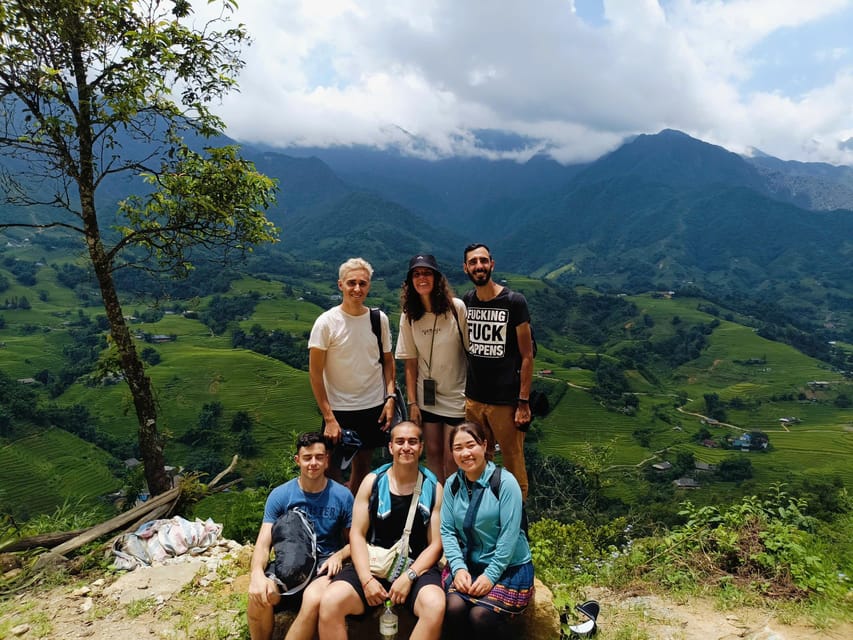
The price is listed at $24 per person, with a duration of about 10 hours. For that cost, you are not just buying a guide and directions. Your price includes several practical items that would cost extra if you organized it yourself:
- Traditional lunch
- English-speaking guide
- Village entry fees
- Transport back to Sapa after the trek
- Trekking stick
- 1 small bottle of water per person
That bundle is the value story. You are paying for time, local access, and the effort of coordinating the walk so you can focus on the day instead of logistics. The small group size, limited to 10, also supports the value, because it makes the guide’s attention more realistic.
Could it be a bargain? For Sapa, it can be, because the day includes viewpoints, two village areas (Hang Da and Hau Thao), and a lunch that is part of the route rather than an add-on.
The best way to judge value is to ask yourself what you would pay if you tried to replicate it: guide time, village entry, and return transport usually do not come for free. Here, they are included.
Logistics in Real Life: Pickup, Small Groups, and English Guidance
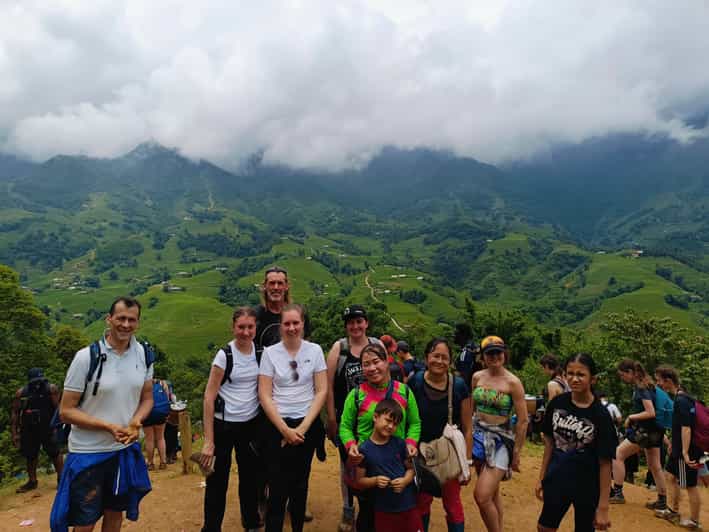
This tour is built around convenience. Pickup is scheduled at 9:00 from your accommodation, then you start climbing and hiking. At the end, you return to Sapa after being picked up around 15:30 near Giang Ta Chai.
The meeting point for related trekking options is listed as Sapa TT Homestay, about 2.3 km from the center. The guidance says arriving at least 30 minutes before departure helps with check-in, luggage storage, and a pre-trek briefing. Even if your day starts with pickup, that timing advice is useful because it reduces stress before you start hiking.
One big confidence boost is the group size: limited to 10 participants. Smaller groups also tend to make it easier for guides to manage pace, especially when trails get steep or muddy.
English guidance is included, and the tour lists live tour guides in English and Vietnamese. In past experiences, guides with names like Moa, Mao, Sung, and Soso have been praised for clear explanations and warm energy. Even when you do not remember every name, you can look for that style: people who talk you through what you are seeing and keep the day organized.
Finally, bring cash, because the tour notes that you should. That usually matters for any small purchases or village stops.
Who This Trek Suits Best
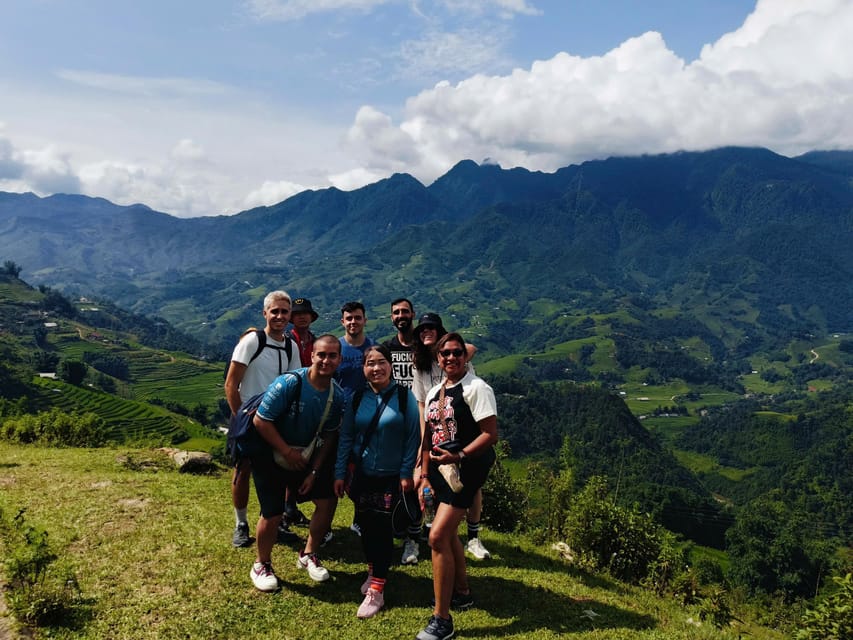
This is a strong fit if you want a day in Sapa that feels real rather than just scenic. You will enjoy it most if you like walking, want to see how rice terraces connect to valley life, and you genuinely care about learning cultural details from a guide.
It is also a good option if you are short on time. A 10-hour day gives you summit views plus multiple village stops without needing a multi-day trek.
But it is not for everyone. It is not suitable for people with mobility impairments, wheelchair users, or anyone over 95 years old. If balance and steep steps are issues for you, you should choose a gentler alternative.
Should You Book This Sapa 1-Day Mountain Trek to Hau Thao?
Book it if you want the combination that works best here: big views from Sa Seng, plus Black Hmong village life at Hang Da and Hau Thao, with a guide who explains what you see. The included lunch, village entry, return transport, and trekking stick make it a solid value for a full day.
Skip it or choose another option if you hate steep, uneven trails or if muddy conditions would worry you. Even though the trek is framed as not extreme, it still involves real hiking, and the descent can be slippery.
If you go in with sturdy shoes, a calm pace, and curiosity for daily farm life and Hmong traditions, you will come away with more than photos. You will understand how the valley is lived in, not just looked at.
FAQ
How long is the Sapa 1-day mountain trek?
It lasts about 10 hours from pickup to return to Sapa.
What time does the tour start?
Pickup is scheduled at 9:00 from your accommodation.
What is included in the price?
The tour includes a traditional lunch, an English-speaking guide, village entry fees, transport back to Sapa after the trek, 1 small bottle of water per person, and a trekking stick.
What should I bring?
Bring cash. The tour also provides a trekking stick, and you should wear appropriate footwear since the route includes uphill and downhill walking.
Is the trek suitable for wheelchair users or mobility impairments?
No. It is not suitable for people with mobility impairments or wheelchair users.
How big is the group and what languages do guides speak?
The group is limited to 10 participants. Guides provide English and Vietnamese support.
More Hiking & Trekking in Sa Pa
- SAPA: 2-DAY 1-NIGHT TREKKING & CULTURE WITH HMONG GUIDE LINH
★ 4.9 · 126 reviews - Half Day Sapa Trekking to Visit Lao Chai – Ta Van
★ 4.7 · 126 reviews - From Sapa: Waterfalls, Trekking and Tribal Villages Tour
★ 4.6 · 91 reviews - From Sapa: Guided Full-Day Trekking with Lunch and Drop-Off
★ 4.2 · 86 reviews
New listings around Sa Pa
- Sapa: Private The Most Beautiful Terraced Fields Trekking★ 4.8 · 42 reviews
- Sapa: Trekking Sapa One Day With Group Tour★ 4.7 · 55 reviews
- Sapa3D2N TrekkingAdventures,Valleys,Bambooforest,Waterfall★ 4.8 · 24 reviews
- Sapa: Y Linh Ho – Lao Chai, and Ta Van Trekking Day Tour★ 5.0 · 25 reviews
- From Sapa: Guided Full-Day Trekking with Lunch and Drop-Off★ 4.2 · 86 reviews
- Sapa: Ta Phin Village Trek with Lunch and Bathing Experience★ 4.7 · 13 reviews
- Sapa Trekking Private Tour With Ethnic Female Tour Guide★ 4.9 · 24 reviews
- Sapa: Ta Phin Village Trek & Red Dao Herbal Bath★ 5.0 · 22 reviews
Sapa Trekking & Homestays, compared.
Sapa 2 Days 1 Night From Hanoi – Overnight in Ta Van Village
Read our review →
Muong Hoa Valley Trek and Local Ethnic Villages
Read our review →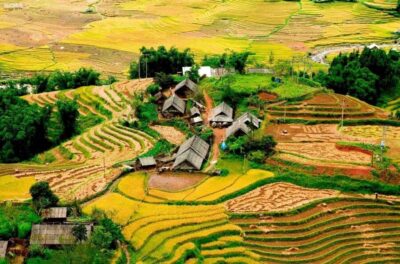
Sapa 3 Days 2 Nights Trekking Tour (1 Night In Ta Van Village, 1 Night In Hotel)
Read our review →
Eco Adventure Terrace Fields and Local Villages Trek
Read our review →
3-Day Trekking Adventure of Sapa from Hanoi – Stay Ta Van Village
Read our review →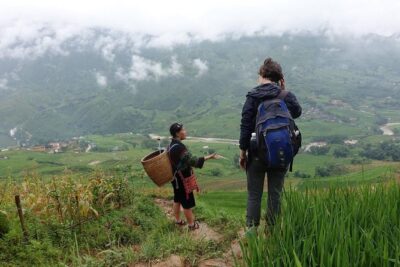
Number one top rated ethical cultural trekking and homestay by ETHOS
Read our review →Browse the lists this tour appears in