
Reviewed · SAPA TREKKING & HOMESTAYS
1-Day Sapa Long Trek – Rice Field Terrace, Ethnic Culture
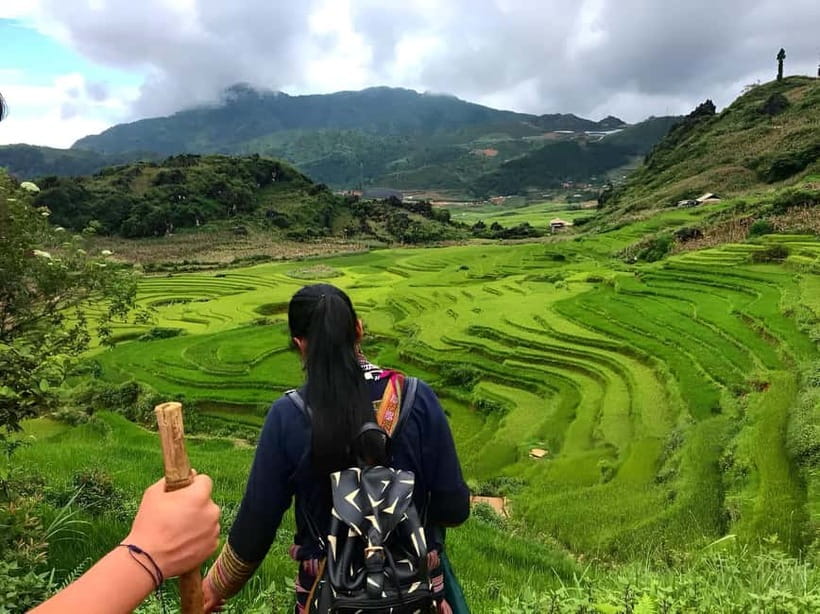
Rice terraces start calling the minute you leave town. This 1-day trek takes you from Sapa up to a ridge view of Fansipan, then down into Muong Hoa Valley for Hmong and Giay village life. The day moves at a human pace, with lots of stops to look, ask questions, and take photos.
I especially loved the home-cooked lunch in Lao Chai, because it feels like you’re eating with a family, not a tour schedule. I also liked how guides like Mao and Sue keep the walk adjustable, so you can choose easier or steeper paths when the terrain gets rough.
One thing to consider: this is not a flat stroll. Some sections can be uneven and muddy when it has rained, and it is not a good fit for people with mobility or serious health limits.
In This Review
- Key highlights worth your attention
- What This Sapa Trek Really Feels Like: Ridge Views to Rice Fields
- Pickup, Timing, and the Small-Group Difference
- Fansipan National Park Views and When the Fansipan Trek Comes In
- Muong Hoa Valley Rice Terraces: The Walk That Makes Sapa Click
- Lao Chai Village Lunch: Family-Style, Not Factory Food
- The Clothing Workshop Stop: Handwoven Fabrics and Natural Dyes
- Ta Van Village by 3:00 PM: Incense Making and Quiet Time
- How Hard Is This Trek, Really? Terrain, Heights, and Wet Ground
- What You Actually Get for $24: Value Breakdown
- Craft Selling While You Walk: How to Handle It Gracefully
- Final verdict: Should you book this 1-day Sapa long trek?
- FAQ
- What time does the tour start?
- How long is the trek?
- How much does it cost?
- Is hotel pickup included?
- How big is the group?
- What languages are offered for the guide?
- What meals are included?
- What should I bring for the day?
- What should I wear?
- Does the trek run in rain?
- Is this trek suitable for mobility or medical conditions?
Key highlights worth your attention
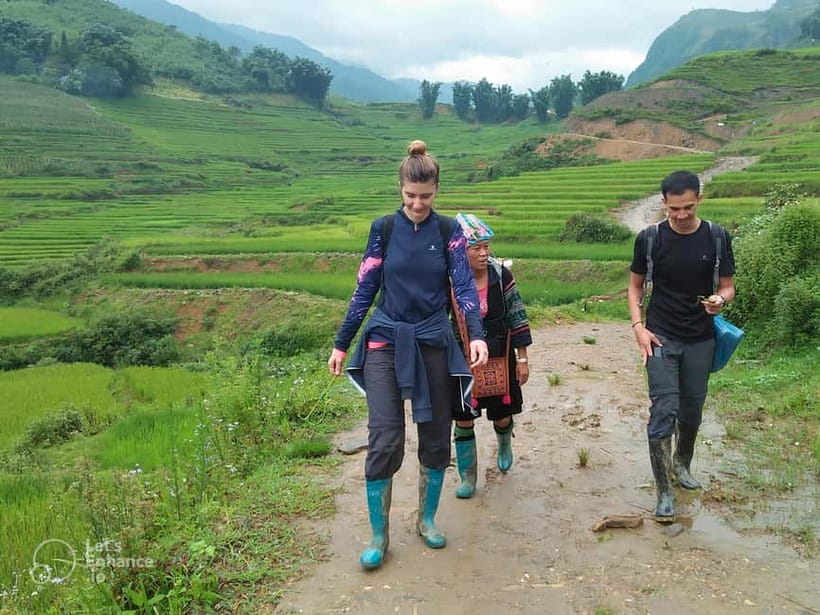
- Ridge-to-valley route with a big Fansipan viewpoint, then cascading rice fields in Muong Hoa Valley
- Small group size (10 max), so you can actually talk with your local guide, like Pao or Giang
- Lao Chai lunch with a welcoming Hmong family, usually family-style and easy to get seconds
- Craft learning stop showing how traditional clothing is made with handwoven fabrics and natural dyes
- Ta Van village time with incense making and village walks, plus photo chances
- Rain or shine setup, with ponchos provided, so you stay out there rather than stuck in town
What This Sapa Trek Really Feels Like: Ridge Views to Rice Fields
Start at 9:00 AM in Sapa town, and you’ll feel the shift fast. The air turns cooler as the group heads upward, and after enough climbing, you reach a ridge that frames the Hoang Lien Son range and the dramatic peak view of Fansipan, often called the Roof of Indochina.
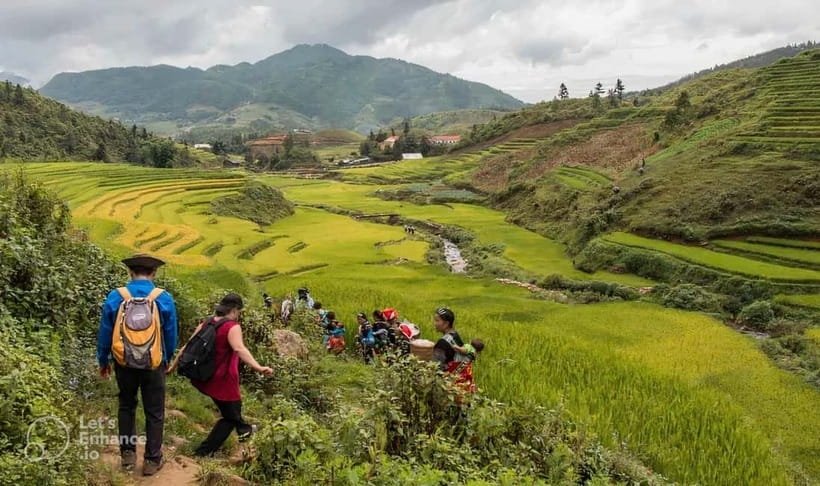
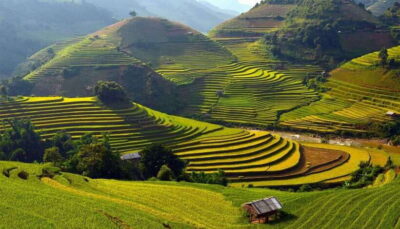
Then the trek changes character. You descend into Muong Hoa Valley, where the rice terraces spread out like steps carved into the mountainside. It is not just pretty. You can hear day-to-day farming life in the background, and that sound makes the whole area feel real, not staged.
More Sapa treks and homestays:
- Sa Pa: Muong Hoa Valley Trek and Local Ethnic Villages
★ 4.6 · 864 reviews - Sapa: Eco Adventure Terrace Fields and Local Villages Trek
★ 4.9 · 636 reviews - From Sapa: 1-Day Guided Trek to Lao Chai & Ta Van with Lunch
★ 4.9 · 416 reviews
Pickup, Timing, and the Small-Group Difference
This tour runs about 7 hours, and it starts in the heart of Sapa town. If your hotel is within Sapa town, pickup is included, and if you’re outside town you can request a pickup with a fee.
The small group matters more than you’d think. With a maximum of 10 participants, you do not get shuffled behind a crowd. In reviews, guides such as Sung and Soso were able to keep a comfortable pace and handle different comfort levels on the trail, including occasional choices for easier or steeper routes.
The guide speaks English and Vietnamese, which helps a lot when you stop at villages and workshops. You can ask what things are, how daily life works, and why certain traditions look the way they do.
Fansipan National Park Views and When the Fansipan Trek Comes In
The day’s big visual moment happens early. You move from Sapa toward a quieter ridge area to take in the view of Fansipan before heading down into the valley.
Here’s the important detail for value: the tour includes entrance fees for Fansipan national park for Fansipan trekking only. That wording matters because some routes might focus more on views, while other versions include a trek portion that reaches into the park.
If your day includes the Fansipan trek, you also get a picnic lunch at a rest stop mid-mountain. If it does not include the Fansipan trek, you’re still covered for lunch, just in the village setting later.
Muong Hoa Valley Rice Terraces: The Walk That Makes Sapa Click
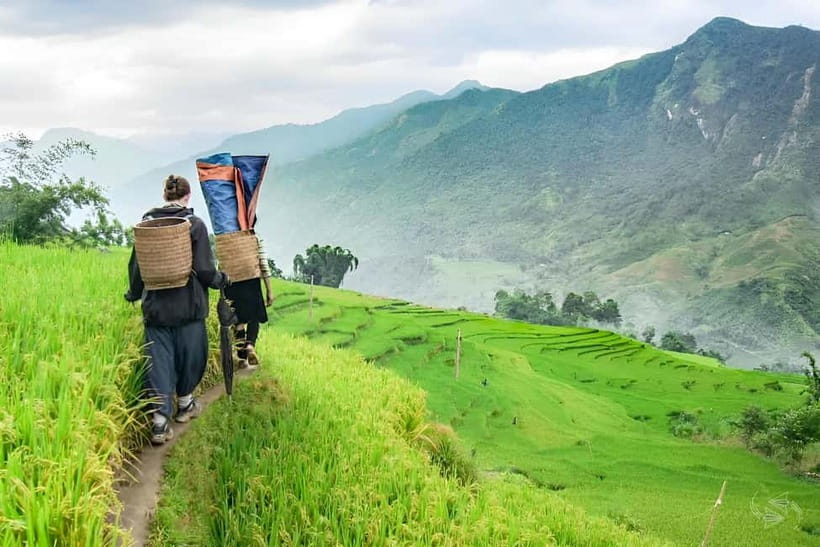
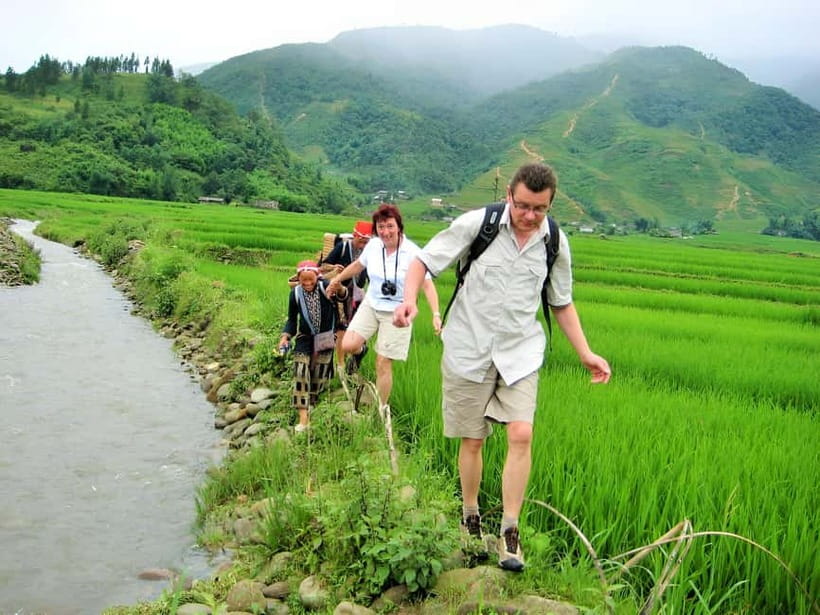
Once you hit the valley, the trek becomes about rhythm. You’ll walk through open rice fields, pass streams, and move along trails with constant changes in angle and height.
A key midmorning stop is Y Linh Ho, a Hmong village by a clear river. You cross a wooden bridge, then keep trekking deeper into the valley. This stretch tends to be where your brain stops treating Sapa as a viewpoint and starts seeing it as a lived-in place.
In wet weather, this is also where the ground can get slippery. A few guides in past groups adapted by slowing the pace, and locals sometimes helped with trickier footing. So if it has been raining, treat your shoes as the main travel gear for the day, not just an accessory.
More treks around Sa Pa:
- Sapa 1 Day Long Trek: Trek to Hau Thao and Sa Seng Villages
★ 4.6 · 344 reviews - EXPLORE SAPA: 2D1N TREKKING & HMONG CULTURE WITH DINH
★ 4.9 · 191 reviews - Sa Pa: 6-Hours Muong Hoa Valley Trek with Local Ethnic guide
★ 4.5 · 178 reviews - Sa Pa: 2-Day Trekking Trip with Ethnic Minority Homestay
★ 4.7 · 145 reviews
Lao Chai Village Lunch: Family-Style, Not Factory Food
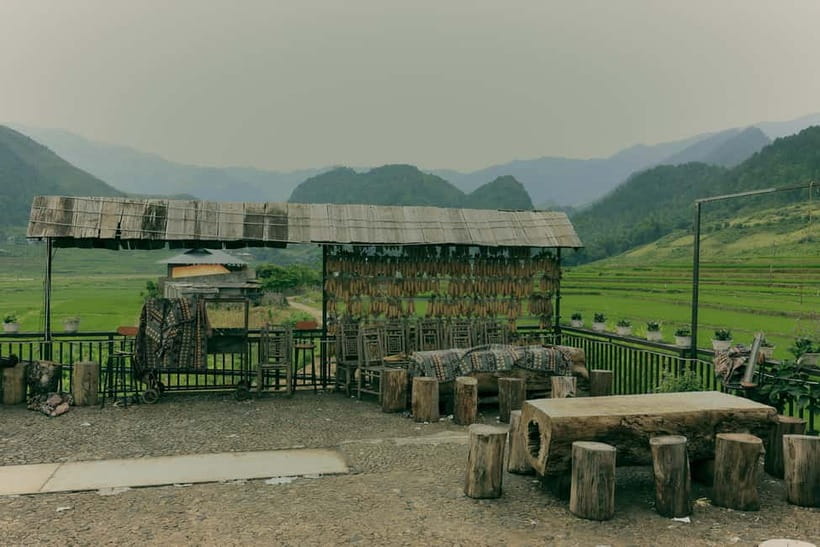
Around 12:30 PM, you arrive at Lao Chai Sang for lunch with a welcoming Hmong family. This is one of the best reasons to book this specific trek, because the meal is tied to village life instead of a roadside restaurant stop.
The lunch is home-cooked, and it is typically served family-style. In reviews, people specifically called out how portions felt generous and that you could ask for more. That sounds like a small thing, but on a long walking day it really changes the experience. You stop, you eat well, you feel human again, and then you keep walking with energy.
Dietary needs are taken seriously. You can tell your operator about restrictions or allergies in advance, and the tour can cater.
The Clothing Workshop Stop: Handwoven Fabrics and Natural Dyes
Sometime around 2:00 PM, you visit a local stop focused on traditional Hmong clothing. The highlight here is how beautiful fabrics are made using handwoven textiles and natural dyes.
In the field, that’s more meaningful than it sounds on paper. This is one of those moments where you see the connection between craft and daily life. It is not just a final product on display. You get to understand the process and the materials, and you get a better sense for why these garments look the way they do.
Also, some groups have seen dye-related techniques such as indigo dyeing, which fits with the natural dyes theme. If that is part of your route, it’s a great use of time before you reach Ta Van, because it adds hands-on context to everything you’ve seen while walking.
Ta Van Village by 3:00 PM: Incense Making and Quiet Time
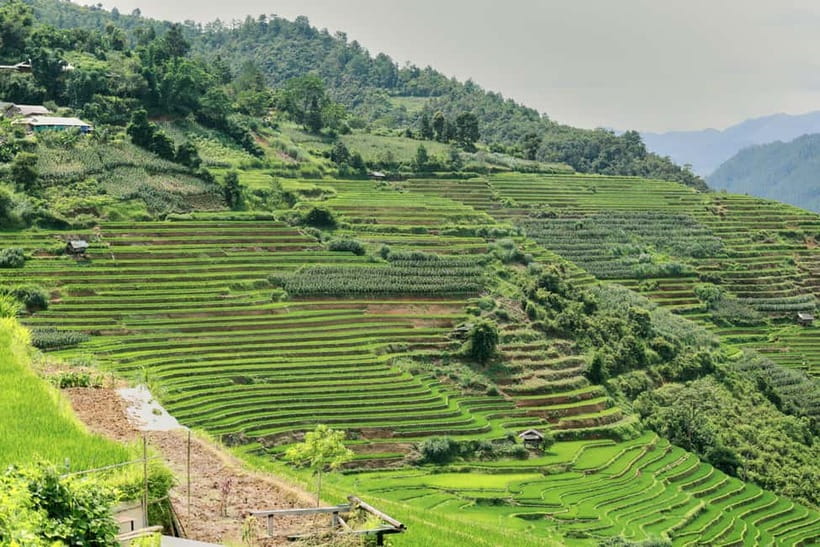
By about 3:00 PM, you reach Ta Van village, specifically listed as a Dzay village stop in this route. The driver waits to take you back to Sapa afterward, so Ta Van becomes your late-day cultural payoff.
You’ll have time for a photo stop and a village walk. The highlight is learning the traditional art of incense making. Even if you only get a short lesson, it’s the kind of activity that makes travel feel personal. You leave with knowledge you can repeat back home, not just an Instagram image.
Ta Van also tends to be where the walking becomes calmer. You’re not sprinting to cover distance at the end of the day. You have time to slow down, observe, and talk.
How Hard Is This Trek, Really? Terrain, Heights, and Wet Ground
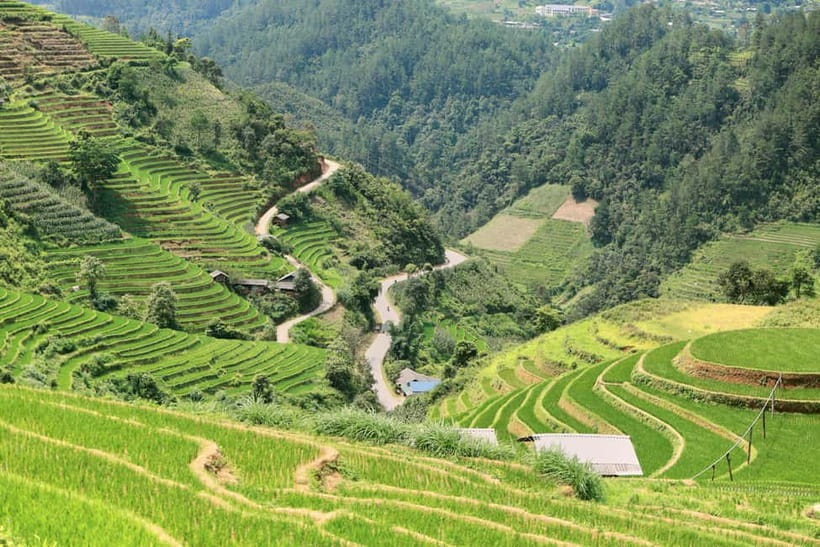
This is where you should be honest with yourself before you book. The trekking route includes uphill climbs, uneven trails, and stretches that can feel steep. One review noted the hike covered over 13 km and included a maximum elevation above 1100 m. That does not mean it will feel the same for everyone, but it does confirm that this is a long day on foot.
Also, it’s not just about effort. Wet season and forest ground can mean mud and slippery footing. Several reviews mention wet, slippery trails and recommend proper hiking shoes. Some people even used rubber boots, which can help if you expect serious mud.
The tour provider lists clear limits. It is not suitable for people with back problems, mobility impairments, heart problems, wheelchair users, people afraid of heights, visually impaired people, or anyone with pre-existing medical conditions. If any of those apply to you, skip this one and choose a gentler experience.
What You Actually Get for $24: Value Breakdown
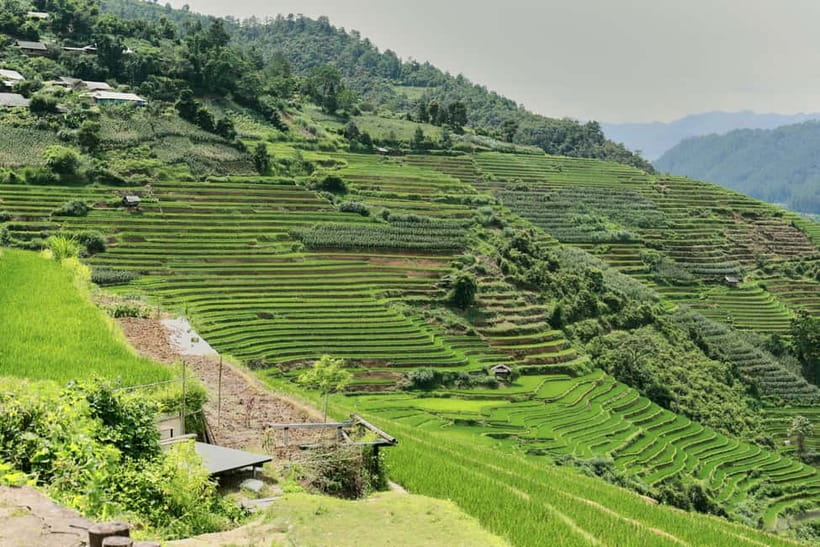
$24 for a full day in and around Sapa sounds low, and the value comes from how much is included.
You get:
- Pickup and drop-off in Sapa town (hotel-to-trail-day plan)
- A friendly local Hmong guide who speaks English and Vietnamese
- Entrance fees for Fansipan national park if your route includes the Fansipan trekking portion
- Entrance fees to villages
- Home-cooked lunch (and if Fansipan trekking is included, a picnic lunch mid-mountain)
- Rain ponchos/rain coats and a small bottle of water
- Time to visit homes and learn village life firsthand
Extra costs you might run into are mostly tied to optional choices. For the Fansipan hike, you can choose to descend by foot or cable car. Cable car may have an extra fee.
For me, the big value is not the price. It’s the combination of small group, village meals, and hands-on cultural stops like clothing dyeing and incense making. That’s where your day earns its cost.
Craft Selling While You Walk: How to Handle It Gracefully
Here’s the one social friction point to plan for. In some groups, locals join you along the way and may try to sell handmade items. That can feel annoying if you want quiet time with the scenery.
Your best move is simple:
- Decide in advance if you want to buy something or not.
- If you do buy, do it politely and quickly.
- If you do not, keep your response friendly and consistent, then move on.
Buying is optional. But respect matters. These are people running small businesses, and your guide can help you understand what’s being offered and when it’s better to just keep walking.
Final verdict: Should you book this 1-day Sapa long trek?
If you want a real Sapa day without spending it in a bus, this is a strong choice. I’d book it if you like hiking, enjoy village interaction, and want something more than rice terraces from a lookout. The Lao Chai lunch and Ta Van incense making are the kind of experiences that stick, especially when your guide brings stories and adapts the route, like the groups led by Mao, Giang, Sue, and Thao.
Skip it if you need flat, easy walking, or if you fall into the listed medical or mobility categories. Also skip it if you are truly afraid of steep drops, because parts of the trail can be challenging.
My practical tip: pack like you’re walking in wet ground even if the forecast looks fine. Good grip hiking shoes beat any optimism. If you do that, the day feels worth every step.
FAQ
What time does the tour start?
The day begins at 9:00 AM in Sapa town.
How long is the trek?
The duration is listed as 7 hours.
How much does it cost?
The price is $24 per person.
Is hotel pickup included?
Yes, pickup and drop-off are included for accommodations in Sapa town (or at the pickup point). If you are outside Sapa town, you can request pickup with a fee.
How big is the group?
The group is limited to 10 participants.
What languages are offered for the guide?
The live tour guide speaks English and Vietnamese.
What meals are included?
A home-cooked lunch is included. If your route includes the Fansipan trekking portion, there is also a picnic lunch at a rest stop in the middle of Fansipan mountain.
What should I bring for the day?
Bring a sun hat, hat, hiking shoes, insect repellent, and toiletries. The tour also advises suncream, sunglasses, and water.
What should I wear?
Wear comfortable hiking shoes and clothes suited to walking, since the trek can involve slippery or uneven ground.
Does the trek run in rain?
Yes, tours run rain or shine. In wet season, bring a raincoat, even though ponchos or rain coats are provided.
Is this trek suitable for mobility or medical conditions?
No. It is not suitable for people with back problems, mobility impairments, heart problems, wheelchair users, people afraid of heights, visually impaired people, or anyone with pre-existing medical conditions.
More Hiking & Trekking in Sa Pa
- SAPA: 2-DAY 1-NIGHT TREKKING & CULTURE WITH HMONG GUIDE LINH
★ 4.9 · 126 reviews - Half Day Sapa Trekking to Visit Lao Chai – Ta Van
★ 4.7 · 126 reviews - From Sapa: Waterfalls, Trekking and Tribal Villages Tour
★ 4.6 · 91 reviews - From Sapa: Guided Full-Day Trekking with Lunch and Drop-Off
★ 4.2 · 86 reviews
New listings around Sa Pa
- Sapa: Private The Most Beautiful Terraced Fields Trekking★ 4.8 · 42 reviews
- Sapa: Trekking Sapa One Day With Group Tour★ 4.7 · 55 reviews
- Sapa3D2N TrekkingAdventures,Valleys,Bambooforest,Waterfall★ 4.8 · 24 reviews
- Sapa: Y Linh Ho – Lao Chai, and Ta Van Trekking Day Tour★ 5.0 · 25 reviews
- From Sapa: Guided Full-Day Trekking with Lunch and Drop-Off★ 4.2 · 86 reviews
- Sapa: Ta Phin Village Trek with Lunch and Bathing Experience★ 4.7 · 13 reviews
- Sapa Trekking Private Tour With Ethnic Female Tour Guide★ 4.9 · 24 reviews
- Sapa: Ta Phin Village Trek & Red Dao Herbal Bath★ 5.0 · 22 reviews
Sapa Trekking & Homestays, compared.
Sapa 2 Days 1 Night From Hanoi – Overnight in Ta Van Village
Read our review →
Muong Hoa Valley Trek and Local Ethnic Villages
Read our review →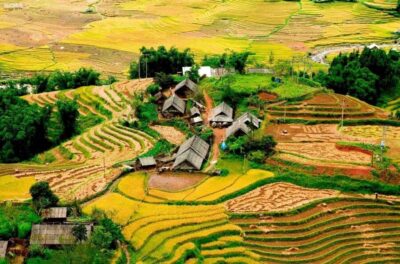
Sapa 3 Days 2 Nights Trekking Tour (1 Night In Ta Van Village, 1 Night In Hotel)
Read our review →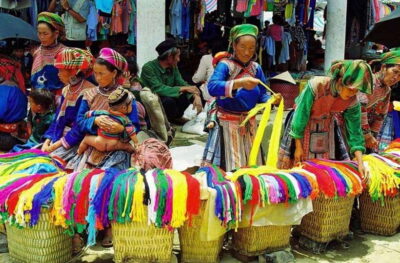
Eco Adventure Terrace Fields and Local Villages Trek
Read our review →
3-Day Trekking Adventure of Sapa from Hanoi – Stay Ta Van Village
Read our review →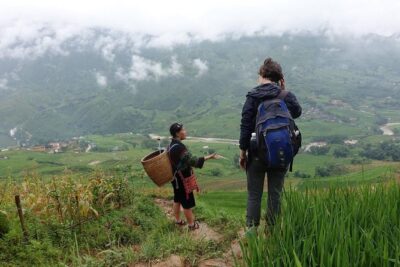
Number one top rated ethical cultural trekking and homestay by ETHOS
Read our review →Browse the lists this tour appears in