
Reviewed · SAPA TREKKING & HOMESTAYS
Sapa: Love Silver Waterfall, LonelyTree in Heaven-Rice Field
Three Sapa stars in one half-day trek. This tour strings together Love and Silver waterfalls, the Lonely Tree viewpoint at O Quy Ho pass, and village rice fields in one smooth walking day. You’ll also get an English-speaking guide who keeps things clear, from where to stand for photos to how the local areas connect.
I also love the way the hike drops you from big pass views down through rice terraces and villages. It feels active without being a grinding ordeal, with a mix of jungle paths and dirt trails that can be scenic and practical at the same time. One heads-up: the route is still outdoors walking, so rain and mist can make some steps slippery, and you’ll want solid shoes and patience.
If you’re lucky with your guide, it can make the whole day. I’ve seen guides like Mo and Sinh highlighted for strong English, friendly pacing, and stories that make the places feel real, not staged.
In This Review
- Key Things You’ll Notice on This Sapa Trek
- Why This Sapa Walk Hits Three Great Worlds in One Day
- Waterfall Start: Picking Up in Sapa and Warming Up in the Jungle
- Lonely Tree at O Quy Ho Pass, 2,000 M of Cold Air and Heaven-Gate Views
- Silver Waterfall and the Bridge View That Makes People Stop Talking
- Tea Hills, Vegetable Gardens, and Rice Field Walking in Sin Chai
- San Sa Ho Village: Hemp and Indigo Weaving You Can Actually See
- How Long, How Hard, and What Weather Can Do to Your Plan
- Price and What You Get for Your $62
- Who This Sapa Trek Suits Best
- Should You Book This 6-Hour Sapa Trek?
- FAQ
- How long is the tour, and how much of it is walking?
- What are the main stops during the day?
- Is hotel pickup included, and where does it start?
- What language is the guide?
- What’s included in the price?
- What should I bring for the trek?
Key Things You’ll Notice on This Sapa Trek
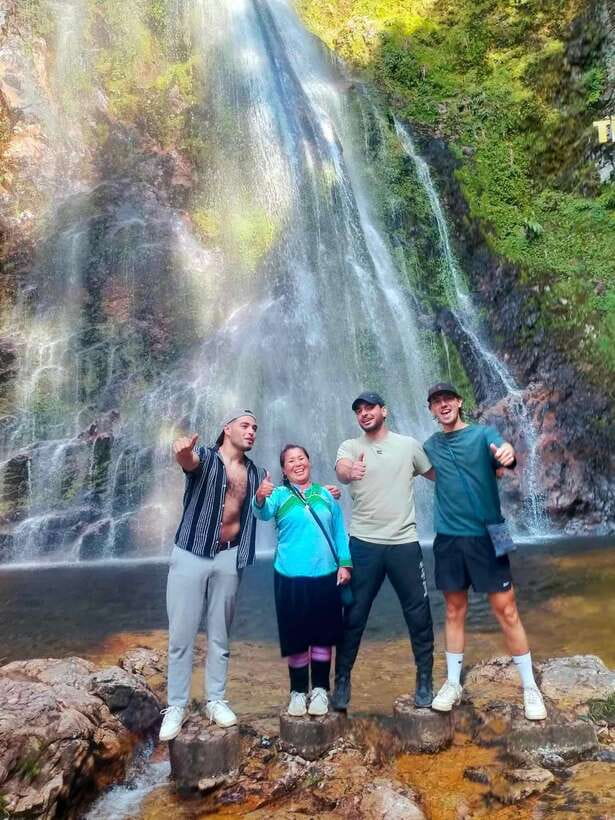
- Love and Silver waterfalls with jungle and bridge viewpoints that are built for photos and short walks
- Lonely Tree at O Quy Ho pass, high above the valley, with cool wind and heaven-gate views
- Rice terrace walking near Sin Chai village, with dirt paths that feel local
- Picnic-style lunch options at a scenic viewpoint or by a river area
- San Sa Ho village visit, focused on daily life and traditional hemp and indigo weaving
- Private group pace and route flexibility if you need less walking
Why This Sapa Walk Hits Three Great Worlds in One Day
This is the kind of Sapa trip that works because it’s designed like a circuit, not a single point-and-go stop. You start in the jungle zone with waterfalls. Then you climb to the O Quy Ho pass viewpoint where the air changes fast. Finally, you walk down into village farmland, where terraces and fields are part of everyday life.
The value here is that you get variety without needing to manage multiple transfers yourself. Transport by car follows the route, while you handle the walking legs that actually let you see and feel the place, instead of just looking out a window.
More Sapa treks and homestays:
- Sa Pa: Muong Hoa Valley Trek and Local Ethnic Villages
★ 4.6 · 864 reviews - Sapa: Eco Adventure Terrace Fields and Local Villages Trek
★ 4.9 · 636 reviews - From Sapa: 1-Day Guided Trek to Lao Chai & Ta Van with Lunch
★ 4.9 · 416 reviews
Waterfall Start: Picking Up in Sapa and Warming Up in the Jungle
Most days begin with hotel pickup in central Sapa town around 8:30 or 9:00 AM, then you head out to the biggest waterfall area. The timing matters because waterfalls can look totally different depending on light and mist, and the early start gives you more calm before the crowds thin.
Your first walking segment is a short walk in the national park area with older trees and a golden-stream type feel. It’s not a long trek, but it’s a good warm-up. You’re getting used to damp ground, finding your rhythm, and noticing the details around you before you reach the waterfall highlights.
Then you reach Love Waterfall in the jungle. On some days, it’s even possible to swim there, but don’t count on it as your main plan. Think of it as a bonus if conditions feel safe.
Practical tip: bring rain gear even if the forecast looks fine. Mists and light rain can turn paths slick, and waterfalls can bring their own humidity.
Lonely Tree at O Quy Ho Pass, 2,000 M of Cold Air and Heaven-Gate Views
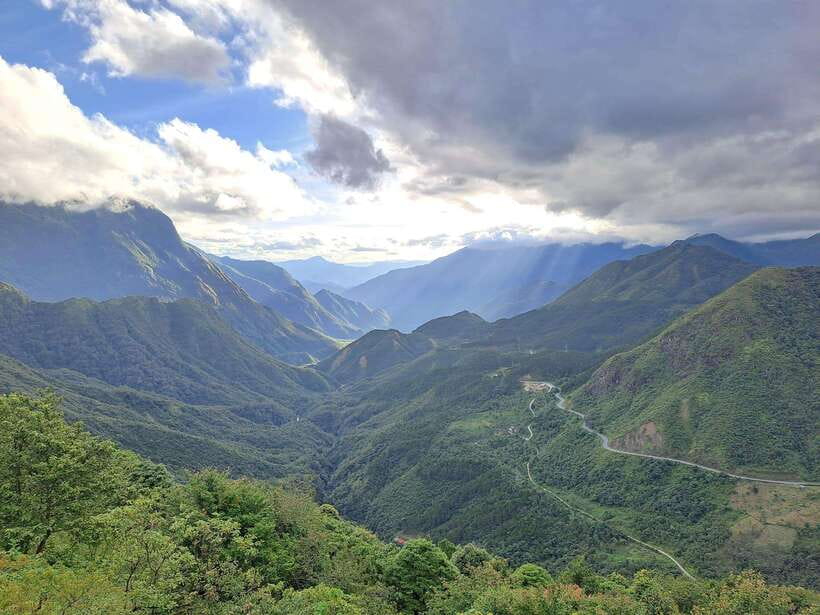
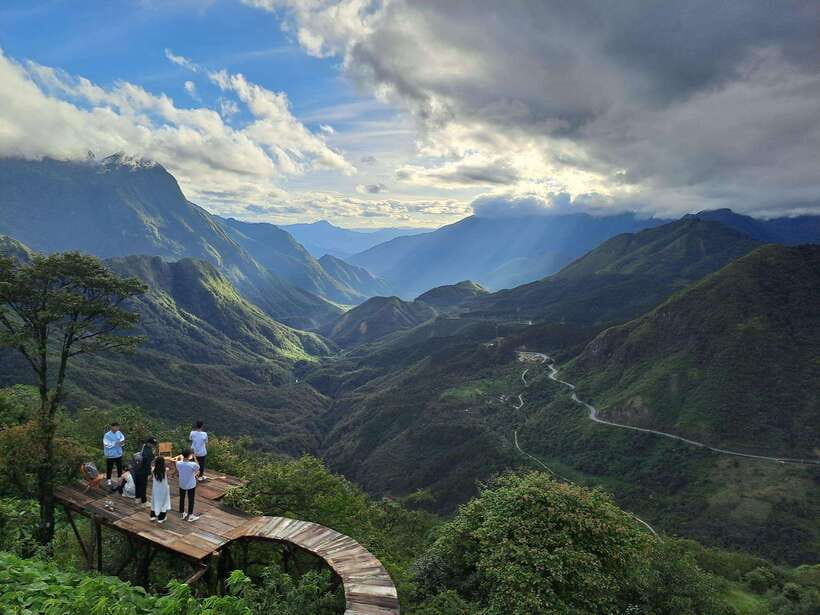
After the waterfall walk, the day climbs to one of the most photogenic stops in northern Vietnam: Lonely Tree at O Quy Ho pass. This pass sits at about 2,000 meters above sea level, and you feel that height fast. Expect cool, windy air even when lower Sapa feels milder.
This is the classic heaven-gate view zone. You’ll look out over a deep valley where clouds can drift over the lower areas, creating a dramatic layered feel. The viewpoint is built for photos, and it’s also built for a slow pause. It’s the part of the day where you’ll likely stop more often, just to take in the scale.
There’s also a small realism here: the air can be chilly and the wind can be stronger than you expect. If you run cold, pack a light layer. If you hate walking with stiff fingers on phone or camera, keep a glove or scarf handy.
Silver Waterfall and the Bridge View That Makes People Stop Talking
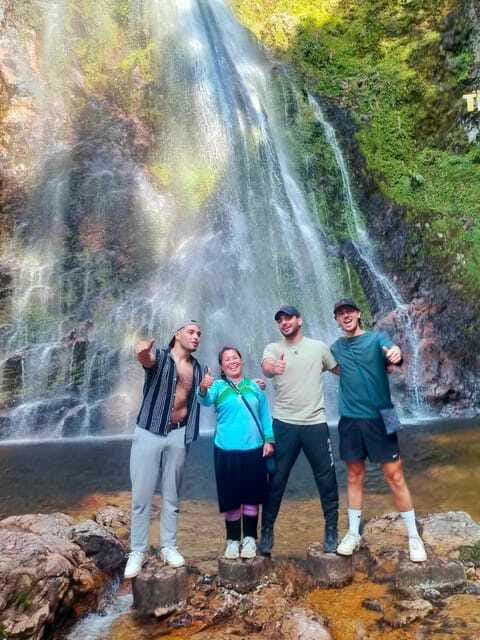
Next comes Silver Waterfall, reached by car and then followed by a short, guided approach. The good part about this stop is that you get both overview angles and closer perspective.
You step up to get a valley overview first. Then you cross a bridge area for another set of views where the waterfall and surrounding mountain feel more connected. This is where the photo opportunities stack up, because you’re seeing the waterfall from multiple heights and distances.
The drawback, if you can call it that, is that waterfall areas can be damp and crowded in peak hours. If you want the best photos, you’ll need to time your shots, and you’ll appreciate a guide who knows where to position you. That’s one of the big reasons people recommend this tour, especially when the guide speaks English well and can explain exactly how to get the shot.
Practical tip: keep your waterproof bag ready. Even a quick stop near a waterfall can mean wet sleeves, splashes, and mist.
Same region, different pace:
- Sapa 1 Day Long Trek: Trek to Hau Thao and Sa Seng Villages
★ 4.6 · 344 reviews - Sapa: Fansipan Cable, Cat Cat Village, Moana Instagram Tour
★ 4.8 · 294 reviews - Explore Sapa by TrekkingAdventures, Mountain,Rice fields
★ 4.9 · 229 reviews - From Sapa: 3 Day Ha Giang Loop Motorbike Tour With Rider
★ 4.9 · 209 reviews
Tea Hills, Vegetable Gardens, and Rice Field Walking in Sin Chai
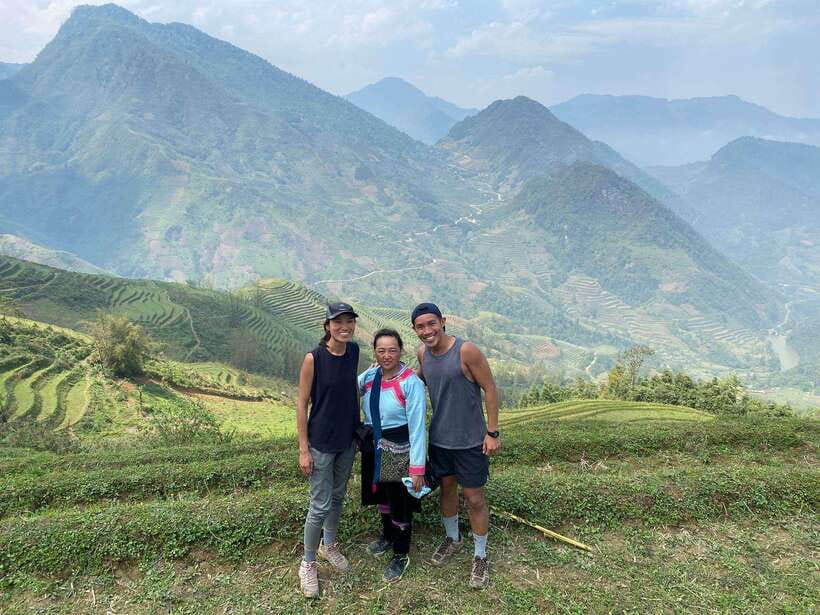
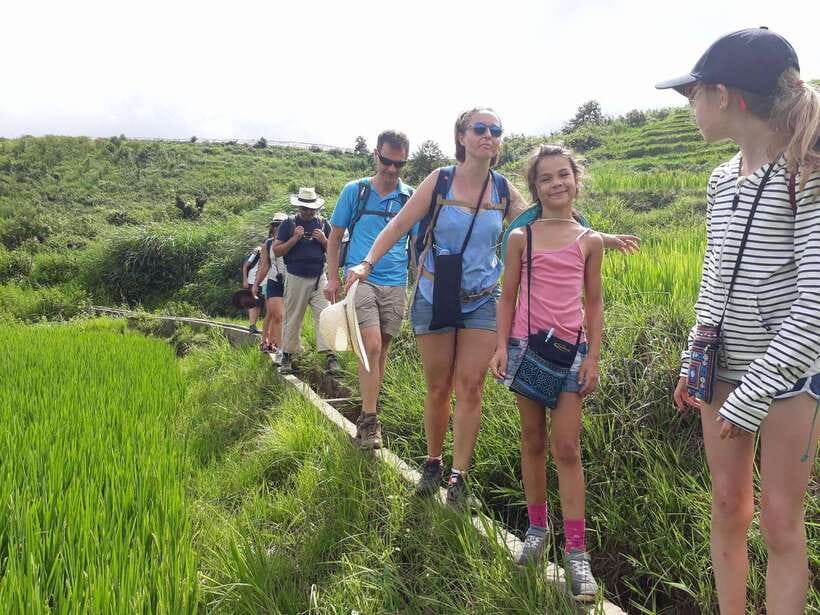
After Silver Waterfall, you head to a viewpoint near a small village. Then comes the walking leg that many people remember most: the trek down through tea hill and vegetable garden areas, and then onto dirt trails with rice and corn fields.
This segment is where the tour shifts from sightseeing to something closer to farm-life geography. The path can be simple, but it isn’t bland. You’re moving downhill in a way that naturally reveals how villagers work the land, how terraces step down, and how water and fields connect.
Expect about 11 to 12 kilometers total for the day, with around 4 to 5 hours of walking across the itinerary. The level is described as medium and easy, which is a fair way to put it: it’s not extreme mountaineering, but you do need shoes with grip.
Lunch usually becomes part of this section. You’ll have a picnic-style lunch in a scenic viewpoint or near a river area, depending on the route and conditions. Either way, it’s one of the practical upgrades of this format. Instead of dining at a busy stop that feels like a pit stop, you eat while the day is still doing something beautiful outside your plate.
Practical tip: if you’re sensitive to uneven ground, plan to slow down slightly on descents. That’s usually where fatigue shows up.
San Sa Ho Village: Hemp and Indigo Weaving You Can Actually See
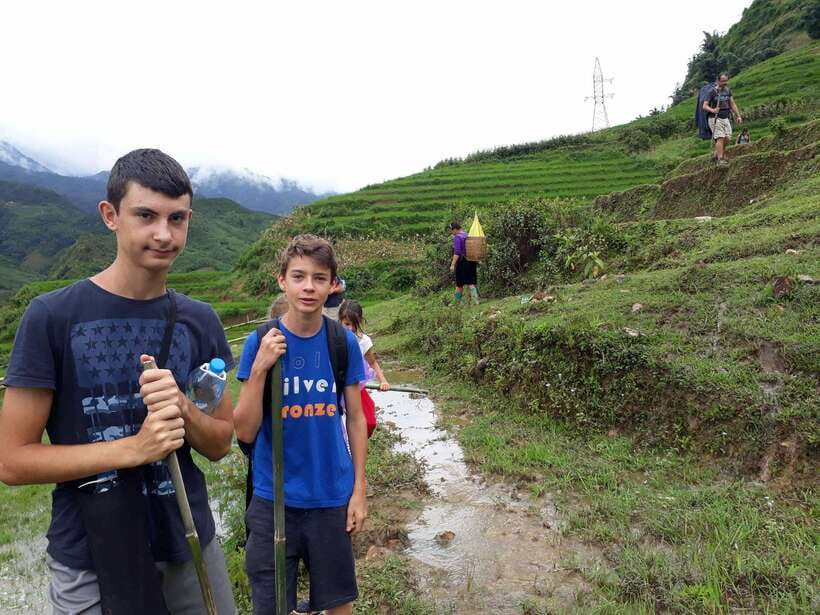
The last cultural stop centers on San Sa Ho village, a quieter area near the jungle and the bottom of Fansipan peak. Here, you’ll visit a local house to explore daily life and learn about traditional crafts.
The focus is on weavers of hemp and indigo, and the process uses traditional techniques to craft tribal costumes. Even if you’re not buying anything, it’s meaningful to see how clothing and dyes connect to identity and work. This isn’t a performance stop. It’s a house visit that feels more like being invited into someone’s routine.
You also get a human-scale ending to the day. After waterfalls, passes, and fields, the village visit brings it back to people and skill. It’s a nice balance for anyone who likes nature but wants the day to mean something beyond scenery.
How Long, How Hard, and What Weather Can Do to Your Plan
The full tour runs around 6 hours, but the walking time inside that is roughly 4 to 5 hours. You’ll also notice that the itinerary includes car driving between the main zones, which helps you keep energy for the parts that require walking.
The route is listed as medium and easy, but don’t treat that as a promise of flat ground. Expect uneven dirt paths, and waterfall mist can make stones slick. If you’re traveling after rain, you’ll be glad you brought hiking shoes instead of just sneakers.
A useful detail is that some situations call for route changes. For example, if someone isn’t feeling well or you want to reduce walking distance, guides can often adjust. That flexibility can save a day, especially in cool misty weather.
The tour also mentions possible misty weather in seasons like November and rain gear being important. In other words, don’t dress like you’re going to a café. Dress like you’re going into the hills.
Price and What You Get for Your $62
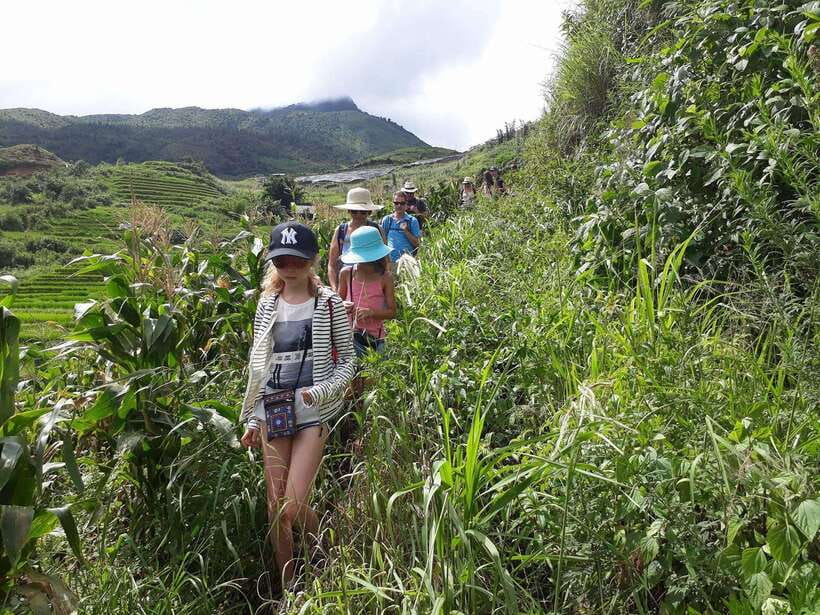
At $62 per person for about six hours, the price feels fair once you break down what’s included. You get an English-speaking guide, lunch, entrance fees for waterfalls and villages, and transport by car that follows the route.
You also get 1.5 liters of water per person, which matters in Sapa when you’re walking and breathing cool mountain air that still dehydrates you. The group is listed as private, so you’re not stuck with strangers and mismatched pace needs.
What you don’t get is tips and insurance, plus personal expenses. That’s standard, and it’s usually simple to plan for.
The real value question for you is: do you want a single organized day that hits waterfalls, a high pass viewpoint, and rice villages without building your own route? If yes, this price-to-content mix makes sense.
Who This Sapa Trek Suits Best
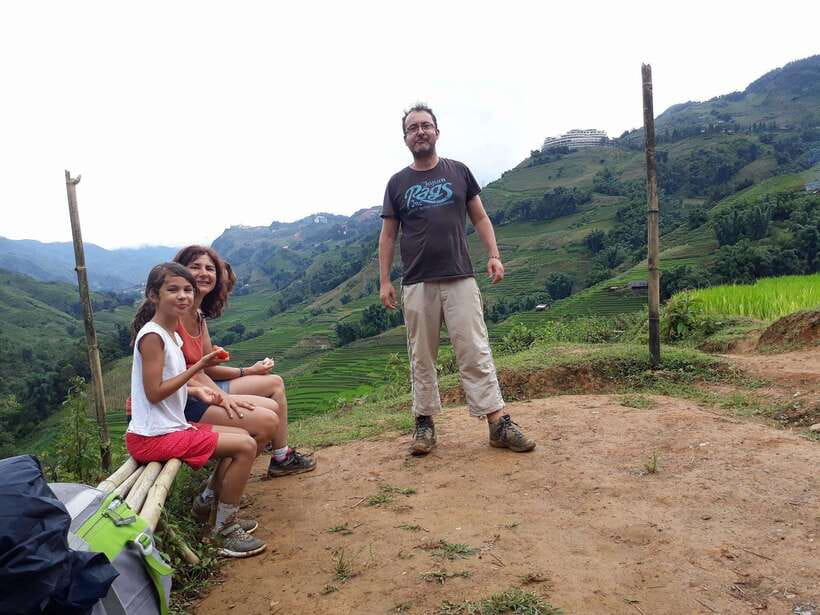
This tour is a strong match if you want variety and you have limited time. In a single day you cover Love Waterfall, Silver Waterfall, the Lonely Tree viewpoint at O Quy Ho pass, and rice terrace walking near Sin Chai, ending with a San Sa Ho village craft visit.
It’s also a good choice if you value an English guide. Multiple guides have been praised for clear communication, and that matters because the day includes several viewpoint decisions. Knowing where to stand, how to time photos, and what to expect helps you enjoy the day more than just moving from one stop to another.
It might be less ideal if you hate walking on uneven ground or want only short strolls with no descents. Even though the level is rated medium and easy, the day still includes meaningful walking distance.
One more practical note: pickup is described for hotels around center of Sapa town, not hotels in villages. So if you’re staying outside the center, double-check the pickup feasibility for your exact location.
Should You Book This 6-Hour Sapa Trek?
I’d book it if you want a compact Sapa hit with real variety: waterfalls, a high pass viewpoint, and working rice fields, plus a village craft stop tied to hemp and indigo weaving. The mix of nature and everyday culture is what makes the day feel complete.
I’d hesitate if you’re very weather-sensitive or you expect the walking to be minimal. In misty rain, parts of the route can feel slower, and your shoes matter more than your optimism.
If you’re choosing between doing one organized day versus trying to DIY the route, this one wins on convenience. It also wins on the guide factor, with Mo and Sinh showing up as names tied to strong English and a friendly, flexible approach.
FAQ
How long is the tour, and how much of it is walking?
The tour duration is about 6 hours, with roughly 4 to 5 hours of walking total and a distance around 11 to 12 km.
What are the main stops during the day?
You’ll visit Love Waterfall, Silver Waterfall, the Lonely Tree viewpoint at O Quy Ho pass, and rice terrace fields in Sin Chai village, plus a local house visit in San Sa Ho village.
Is hotel pickup included, and where does it start?
Yes. Pickup is included from hotels around the center of Sapa town. The tour ends back in Sapa.
What language is the guide?
The tour includes a live English-speaking guide.
What’s included in the price?
Included are the English-speaking guide, lunch, entrance fees to waterfalls and villages, car transport following the program, and 1.5 liters of water per person.
What should I bring for the trek?
Bring a sun hat, hiking shoes, rain gear, comfortable clothes, and a waterproof bag.
New listings around Sa Pa
- Sapa: Private The Most Beautiful Terraced Fields Trekking★ 4.8 · 42 reviews
- Sapa: Y Linh Ho – Lao Chai, and Ta Van Trekking Day Tour★ 5.0 · 25 reviews
- Sapa: Trekking Sapa One Day With Group Tour★ 4.7 · 55 reviews
- Sapa3D2N TrekkingAdventures,Valleys,Bambooforest,Waterfall★ 4.8 · 24 reviews
- From Sapa: Guided Full-Day Trekking with Lunch and Drop-Off★ 4.2 · 86 reviews
- Sapa: Ta Phin Village Trek with Lunch and Bathing Experience★ 4.7 · 13 reviews
- Sapa Trekking Private Tour With Ethnic Female Tour Guide★ 4.9 · 24 reviews
- Sapa: Ta Phin Village Trek & Red Dao Herbal Bath★ 5.0 · 22 reviews
Sapa Trekking & Homestays, compared.
Sapa 2 Days 1 Night From Hanoi – Overnight in Ta Van Village
Read our review →
Muong Hoa Valley Trek and Local Ethnic Villages
Read our review →

Sapa 3 Days 2 Nights Trekking Tour (1 Night In Ta Van Village, 1 Night In Hotel)
Read our review →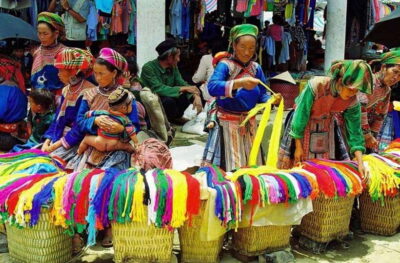
Eco Adventure Terrace Fields and Local Villages Trek
Read our review →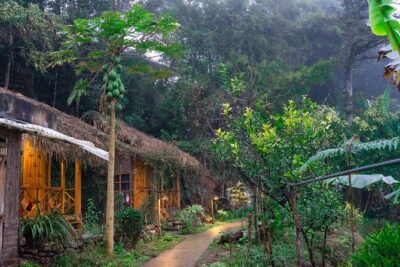
3-Day Trekking Adventure of Sapa from Hanoi – Stay Ta Van Village
Read our review →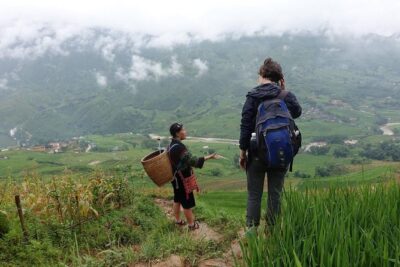
Number one top rated ethical cultural trekking and homestay by ETHOS
Read our review →Browse the lists this tour appears in