
Reviewed · SAPA TREKKING & HOMESTAYS
Explore Sapa by TrekkingAdventures, Mountain,Rice fields
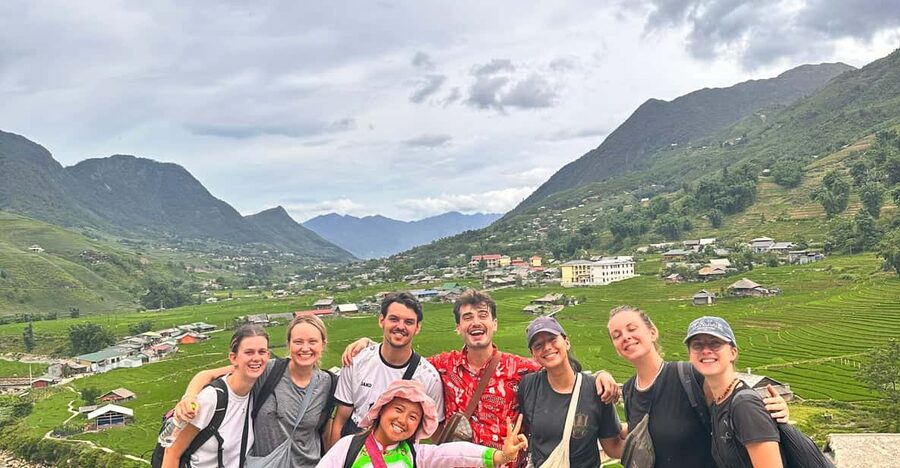
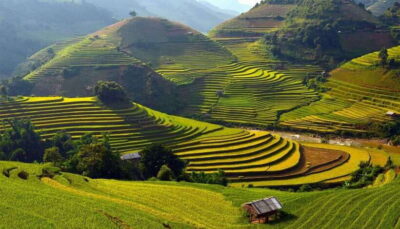
Rice terraces, villages, and stories start right in Sapa. This one-day hike takes you through some of the most famous Sapa rice terraces and teaches you village life through the eyes of local Hmong women. The main downside is simple, weather can turn things foggy or muddy, and that affects both views and footing.
I love that the guides are not just showing you scenery, they’re sharing real family stories. Expect authentic lunch in a village, plus plenty of time to stop, ask questions, and understand how different communities live in the mountains.
In This Review
- Key things I’d circle before you go
- Why this Sapa rice-terrace trek beats staying in town
- Morning start in Sapa Town, then down toward Y Linh Ho
- Y Linh Ho and the Black Hmong village rhythm on the move
- Lao Chai lunch with valley views and village food you can trust
- Ta Van Village: Dzay life, culture talk, and that end-of-day feeling
- Picking the right route: easy, hard, and the reality of steep downhills
- Price and value: why about $23 feels fair here
- Rain boots, fog, and the souvenir pressure you should expect
- What to bring so you can enjoy the walk more than you suffer
- So should you book this Sapa trek? My take
- FAQ
- How long is the Sapa trek?
- Where do I meet the guide in Sapa?
- Can I choose an easier or harder route?
- What is included in the price?
- What should I bring?
- Is the tour suitable in rain?
- Is this a group tour?
- What languages do the guides speak?
Key things I’d circle before you go
- Local women guides from the mountain communities, sharing everyday life not just facts
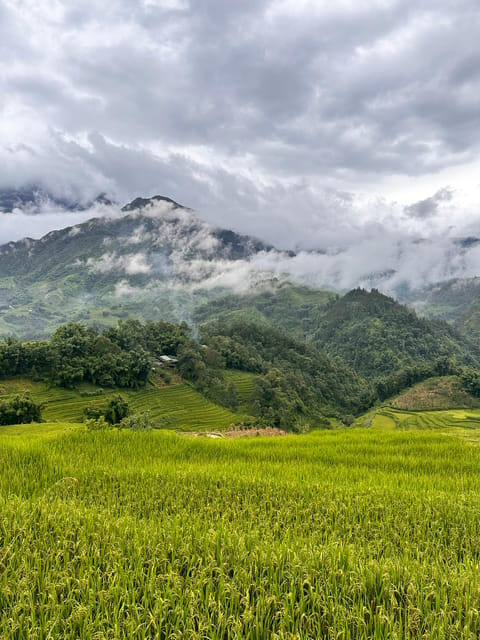
- Rice terraces you actually walk through, including the Black Hmong village area
- Route flexibility with easy or harder sections, distance around 5 to 11 km
- Village-to-village hopping across Y Linh Ho, Lao Chai, and Ta Van in one day
- Rain-ready trekking with boots and trekking sticks if conditions turn
- Good value at about $23, including lunch, water, and transport back to Sapa
Why this Sapa rice-terrace trek beats staying in town
Sapa town is fun for a first look, but it stays at a distance from how people actually live up in the valleys. This trek pulls you downhill into the rice terraces and villages where farming is the daily rhythm. In about half a day of walking, you get a better feel for the region than you’d get from repeating market stalls.
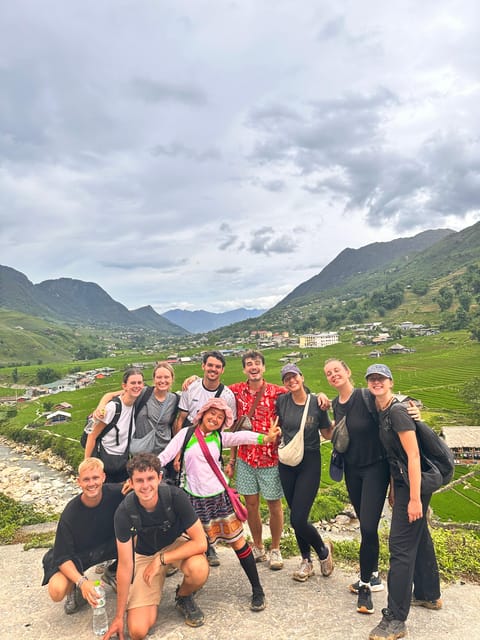
What makes this experience stand out is the guide mix. You’re with local Hmong women who can explain culture from inside the family, not from a script. One guide shared how her upbringing in a small mountain village meant little access to electricity and no regular schooling, plus how early marriage shaped opportunities for girls in her community. That kind of perspective changes how you see everything from house layout to daily work.
You also get a strong sense of purpose behind the day. The guides describe how booking with their group helps women find work and supports local children’s education, so you’re not just paying for a route.
The only big caution I’d keep in mind is weather. If it’s foggy or wet, visibility and trails can be harder. You’ll still get the village experience, but don’t assume you’ll always get the postcard views.
More Sapa treks and homestays:
- Sa Pa: Muong Hoa Valley Trek and Local Ethnic Villages
★ 4.6 · 864 reviews - Sapa: Eco Adventure Terrace Fields and Local Villages Trek
★ 4.9 · 636 reviews - From Sapa: 1-Day Guided Trek to Lao Chai & Ta Van with Lunch
★ 4.9 · 416 reviews
Morning start in Sapa Town, then down toward Y Linh Ho
The day typically begins in Sapa Town, either with pickup at your hotel or at the area in front of the main church. Most mornings you’ll be out by around 9:00 AM, and the start time can flex if you coordinate ahead. You’ll join other trekkers on a group walk, which usually keeps things lively and manageable.
Before you hit the paths, the guides set expectations in a practical way. You learn how the day will move, how long you might walk between breaks, and how the route works with different fitness options. Guides often give quick checkpoints, including what to watch for on downhills and mud.
Then the trek starts with a downhill descent toward Y Linh Ho. This is where the terraces start to feel real, not just photographed. As you walk, the view opens in layers, and you can see how water and slopes shape the fields.
Along the way, you might spot local animals like buffalo, pigs, and chickens. It sounds like a small thing, but it’s one of those details that makes the area feel like an actual home, not a staged attraction.
If you go in cooler months, fog can roll in or sit low in the valleys. One common pattern is that fog lifts as you descend, so you might start with low visibility and end with brighter views. Even when it’s cloudy, the village perspective still lands.
Y Linh Ho and the Black Hmong village rhythm on the move
Y Linh Ho is a Black Hmong village area, and the guide explanations focus on daily life. You’ll usually get time for questions during the walk, and the best moments happen when you ask about what you’re seeing: how people organize work, how households run, and how the community describes identity.
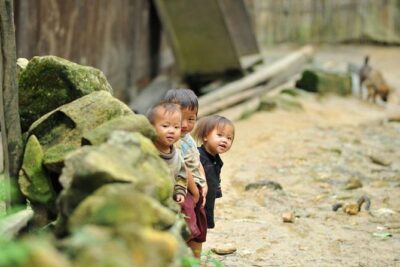
This is also where the guide storytelling becomes a big part of the experience. One of the sisters explained how girls in her village faced limited schooling and were expected to marry early, around age 13 to 14. As you walk past homes and farmland, those details help you connect the dots between geography, work, and family choices.
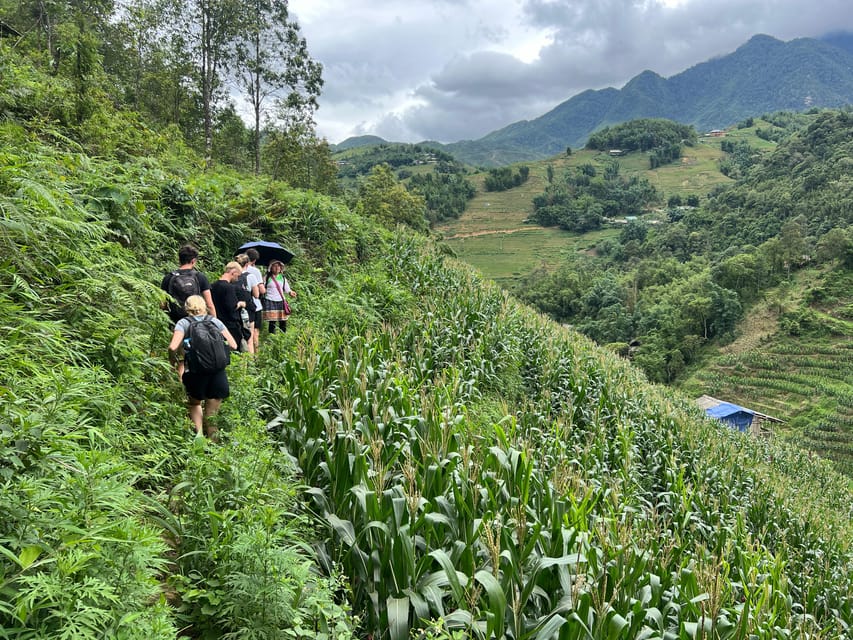
In a practical sense, this section of the hike is about getting your legs used to mountain walking. The paths can be narrow and uneven, and shoes matter more than you’d expect. If there’s been rain, footing becomes the main “difficulty level,” even if the distance is not huge.
A few reviews also mention that along the way you may get help from local women to make the trickier sections easier. That’s worth remembering if you worry about slippery bits. You are not just dropped into a wilderness trail. The day runs with local guidance baked in.
Lao Chai lunch with valley views and village food you can trust
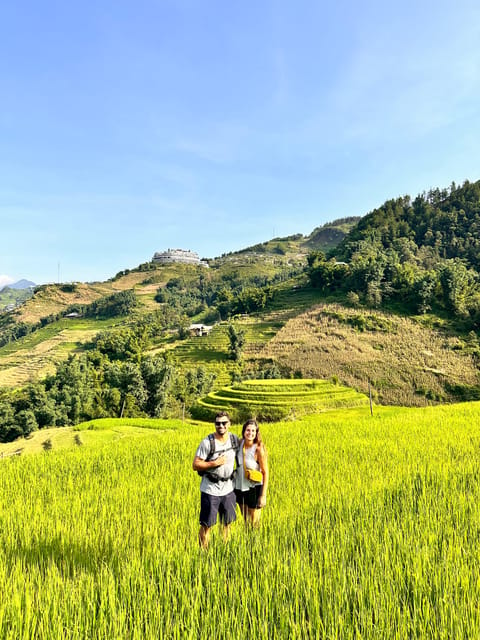
After the Y Linh Ho section, the trek continues toward Lao Chai, one of the older and larger Hmong communities in the Sapa area. This is usually the moment the day shifts from walking and talking into eating and resting.
Lunch is included, served at a local restaurant in Lao Chai. The meals tend to be the real village-style kind of lunch, and multiple guides are praised for making sure people don’t leave hungry. If you like knowing what you eat, this is one of the best parts of the trip because you’re fed in the middle of the community, not after you’ve left it behind.
A couple of reviews mention vegetarian and even vegan-friendly options being available, but that’s not something I’d promise for every day. What you can do is ask your guide what’s possible before the meal, especially if you have dietary needs.
During lunch, you usually get a breather and time to look out across the valley again. That matters because the hike is not only exercise. It’s built around pacing your day so you’re actually able to notice what’s around you.
Same region, different pace:
- Sapa 1 Day Long Trek: Trek to Hau Thao and Sa Seng Villages
★ 4.6 · 344 reviews - Sapa: Fansipan Cable, Cat Cat Village, Moana Instagram Tour
★ 4.8 · 294 reviews - From Sapa: 3 Day Ha Giang Loop Motorbike Tour With Rider
★ 4.9 · 209 reviews - EXPLORE SAPA: 2D1N TREKKING & HMONG CULTURE WITH DINH
★ 4.9 · 191 reviews
Ta Van Village: Dzay life, culture talk, and that end-of-day feeling
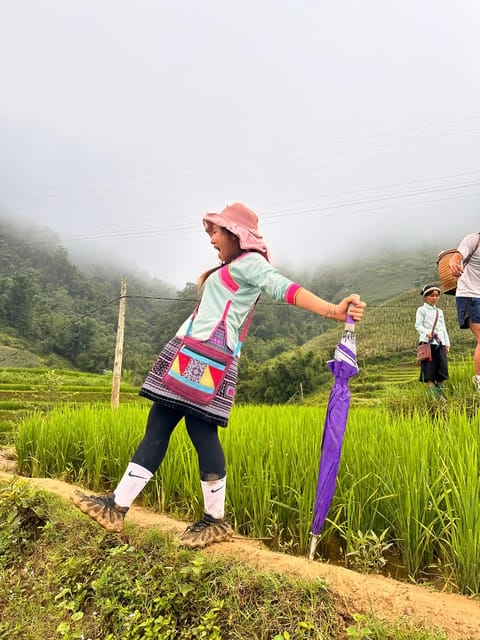
From Lao Chai, the route continues to Ta Van Village, home of the Dzay people. If Y Linh Ho is about terraces and Black Hmong village explanations, Ta Van often feels like the cultural wrap-up. You’ll learn about differences between ethnic minority groups in Sapa, not just repeat one identity all day.
You’ll also have chances to see village life up close. Some days, depending on season, you can spot rice planting or harvesting. That detail can turn the walk from pretty to meaningful, because you’re watching the agriculture that shapes everything else.
The day normally ends around 3:00 PM in Ta Van, then transportation brings you back to Sapa Town. That timing is helpful if you have limited days in Northern Vietnam. You get mountain walking, a real village lunch, and a reasonable return to town for evening plans.
One small extra detail that came up in the feedback is that sometimes the guide may include a stop near a local school. It’s not guaranteed across every day, but it’s a reminder that the guide stories can connect to education and community life, not just scenery.
Picking the right route: easy, hard, and the reality of steep downhills
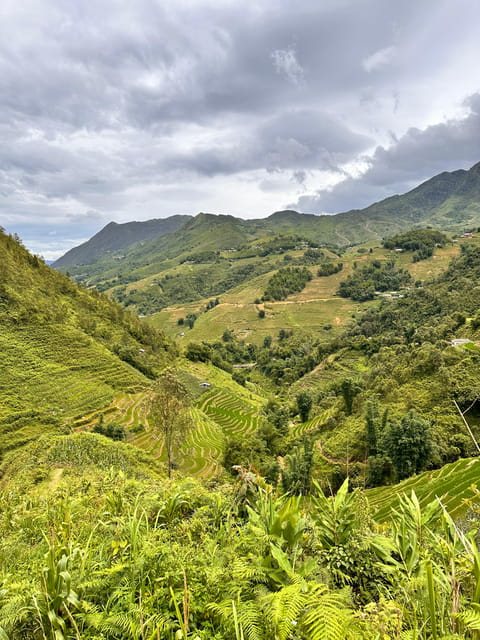
The trek is flexible. You can choose an easy or moderate option, and some setups include a harder section before easing again. Distance can range roughly from 5 to 11 km depending on the route you pick.
In practice, the hike is often described as moderate difficulty, mainly because of balance and footing on downhills, not because it’s a long grind up a mountain. Mud and slick paths can make the same steps feel harder. If it rains, expect slipperiness on the downhill sections.
Good news: this is a guide-led trek, so you’re not alone on the trail. Guides often move at a pace that keeps you together, and some local helpers may assist with tricky spots.
What to plan mentally: even if you choose the easier route, you still need real walking shoes. Also bring layers for cool mountain weather. If you’re sweaty after downhill sections, it’s easy to get chilled later, especially if fog lingers.
If you have limited mobility or balance issues, this is the part where you should be honest with yourself. Narrow paths, stream crossings, and uneven ground can be tough. The experience itself can be incredible, but you don’t want to force it.
Price and value: why about $23 feels fair here
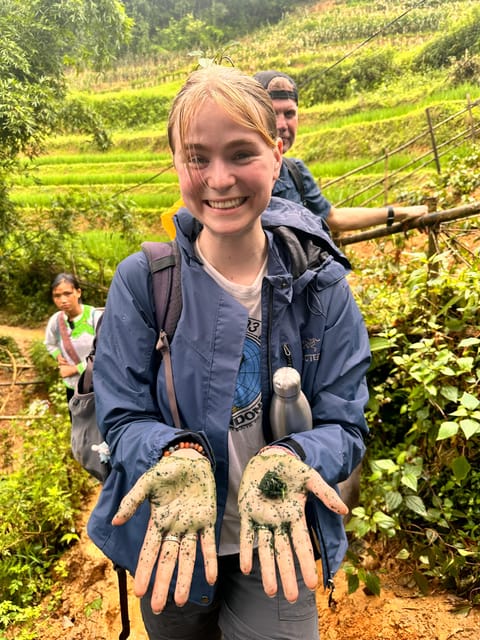
At around $23 per person for a roughly 5-hour day, the big value is not only the route. It’s what’s bundled: a local English-speaking guide, lunch, water, village entry fees, and transportation back to Sapa after the trek.
That’s a rare combo in Sapa because many cheaper options give you transport and a basic walk, then leave you to figure out the cultural part. Here, your guide storytelling is a core part of what you pay for. And because the guides are local women from the communities you visit, your money supports their work directly.
I also like that the group format keeps costs down while still giving you time to ask questions. You’ll likely chat with your guide at stops, and you’ll have enough shared trekking time to hear the stories that make the day feel personal.
One more value note: this is a day trek, not a half-day “look and leave.” You get several distinct village sections plus lunch built into the middle.
Rain boots, fog, and the souvenir pressure you should expect
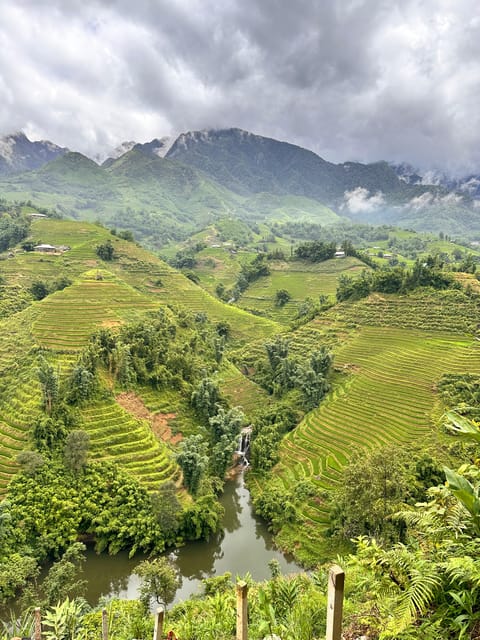
Mountain weather changes fast. If rain hits, the guides provide boots and trekking sticks, so you’re not expected to turn up with perfect gear. That’s a huge practical benefit. You still want your own raincoat and insect repellent, but you won’t be stuck without traction.
Fog is the other big reality check, especially in winter. If the day starts in thick fog, don’t panic. You may still get partial views once you move downhill and the weather shifts. Still, accept that visibility can be limited.
Then there’s the social reality of village life. You can expect some locals to approach with handmade crafts to sell. Most guides do a decent job keeping the walk moving, and you can politely say no. One review even suggested that guides could set clearer boundaries when selling gets repetitive. So my advice is simple: if you want souvenirs, bring cash and enjoy browsing. If you do not, decide early that you’ll enjoy the people and views without shopping.
You’ll likely pass people selling items near the route, and helpers might assist with directions or safety. This is part of the exchange culture around trekking. A little cash helps, but you don’t need to feel trapped into buying.
What to bring so you can enjoy the walk more than you suffer
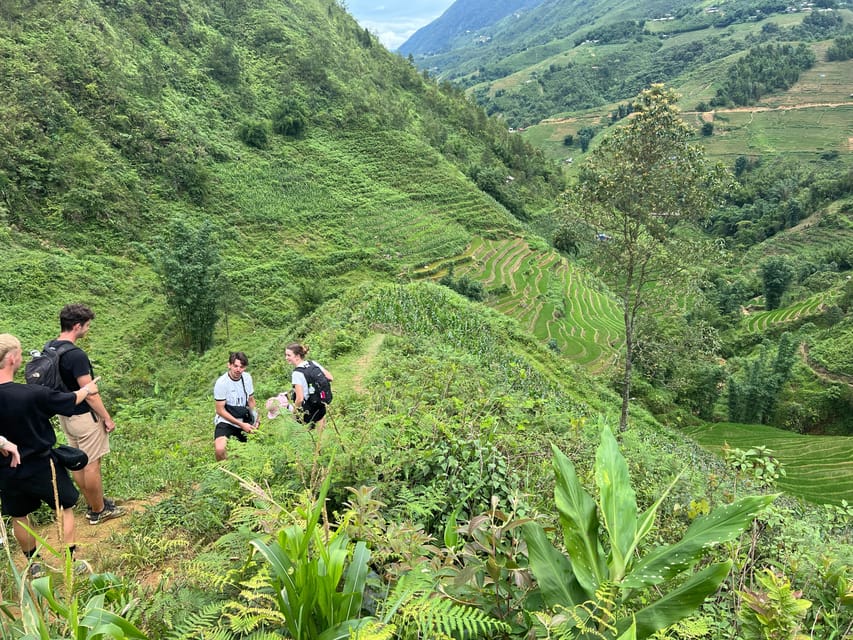
Based on the guidance for this trek, pack like you’re walking in cooler mountain weather and possibly wet conditions:
- Sunglasses and sunscreen (yes, even in foggy or cool days, the sun can still bite)
- A sun hat and camera
- Cash for small purchases or tips
- Comfortable walking shoes with real grip
- Raincoat, insect repellent, and layers
A simple trick: if you’re wearing thin-soled sneakers, swap them for trail-ready shoes. Downhill sections can be slippery, and you’ll thank yourself.
Also, bring patience for mud. Even on a good day, the terrain can be damp. Your guide will help you place your feet, but it’s still mountain walking.
So should you book this Sapa trek? My take
If you want Sapa beyond the town center, this is one of the best formats: a short mountain day that combines rice terraces, village culture, and a guided narrative from local women. The storytelling element, including life experiences shared by the guides, is what makes it feel real. Add lunch included in the price and you have a strong value case.
I’d think twice if you’re very sensitive to slippery ground, or if you expect perfect weather every day. Fog can reduce views, and rain can make footing harder. You can still have a good day, but your comfort level matters.
If you’re looking for an affordable, authentic day in northern Vietnam that doesn’t feel like a bus tour, book it. Just go prepared for mountain conditions, bring a flexible attitude, and ask questions. The day gets better the more you engage.
FAQ
How long is the Sapa trek?
The experience runs about 5 hours.
Where do I meet the guide in Sapa?
You can usually meet at your hotel in Sapa Town, or in front of the main church.
Can I choose an easier or harder route?
Yes. You can pick an easy, hard, or hard then easy style route, and the trekking distance is roughly 5 to 11 km.
What is included in the price?
It includes a local English-speaking guide, lunch, water, village entry fees, and transportation back to Sapa after the trek ends.
What should I bring?
Bring sunglasses, sun hat, sunscreen, a camera, and cash. Comfortable walking shoes are important too.
Is the tour suitable in rain?
They say they have boots and trekking sticks ready in case of rain.
Is this a group tour?
Yes, it’s a group tour. You can request a private tour for an extra cost.
What languages do the guides speak?
Guides provide English and Vietnamese.
New listings around Sa Pa
- Sapa: Private The Most Beautiful Terraced Fields Trekking★ 4.8 · 42 reviews
- Sapa: Trekking Sapa One Day With Group Tour★ 4.7 · 55 reviews
- Sapa3D2N TrekkingAdventures,Valleys,Bambooforest,Waterfall★ 4.8 · 24 reviews
- Sapa: Y Linh Ho – Lao Chai, and Ta Van Trekking Day Tour★ 5.0 · 25 reviews
- From Sapa: Guided Full-Day Trekking with Lunch and Drop-Off★ 4.2 · 86 reviews
- Sapa Trekking Private Tour With Ethnic Female Tour Guide★ 4.9 · 24 reviews
- Sapa: Ta Phin Village Trek & Red Dao Herbal Bath★ 5.0 · 22 reviews
- Sapa: Ta Phin Village Trek with Lunch and Bathing Experience★ 4.7 · 13 reviews
Sapa Trekking & Homestays, compared.
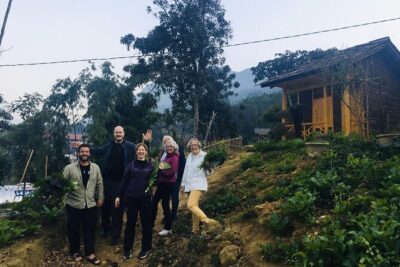
Sapa 2 Days 1 Night From Hanoi – Overnight in Ta Van Village
Read our review →
Muong Hoa Valley Trek and Local Ethnic Villages
Read our review →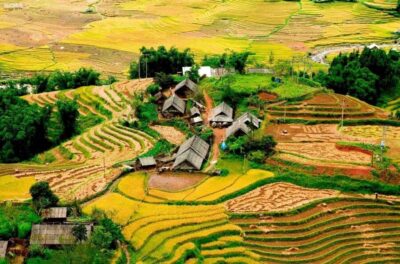
Sapa 3 Days 2 Nights Trekking Tour (1 Night In Ta Van Village, 1 Night In Hotel)
Read our review →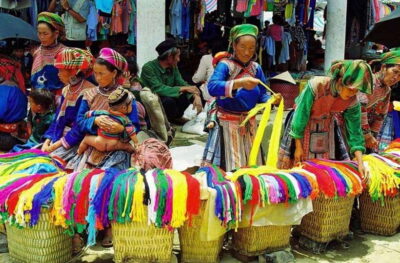
Eco Adventure Terrace Fields and Local Villages Trek
Read our review →
3-Day Trekking Adventure of Sapa from Hanoi – Stay Ta Van Village
Read our review →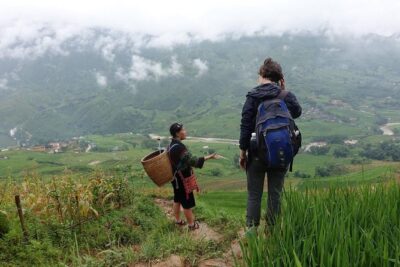
Number one top rated ethical cultural trekking and homestay by ETHOS
Read our review →Browse the lists this tour appears in