
Reviewed · SAPA TREKKING & HOMESTAYS
SAPA : Climb up to Fansipan mountain with LOCAL GUIDE
Fansipan in a single day is no joke. What makes this climb feel smart is the local Black H’mông guide plus pickup from Sapa, so you are not just buying a ticket, you are buying a plan for moving safely up to the roof of Indochina.
I like two things a lot: first, you get real guidance from someone who lives around Sa Pa, including stories about daily life and the Black H’mông community. Second, the trip is set up to feed you well, with picnic lunch and extra snacks along the way, plus a climbing certificate waiting at the end.
One thing to watch is weather. At this altitude it can go from clear to foggy fast, and if rain hits, the trail gets muddy and the day can feel slower.
In This Review
- Quick takeaways before you tackle Fansipan
- Why Fansipan feels personal with a guide from Sa Pa
- Price and value, what $72 actually covers
- 5:30 AM pickup, the ride to Tram Ton Pass, and why it matters
- The climb from Tram Ton Pass toward Fansipan peak
- Reaching the roof of Indochina at 3,143 m
- Food stops that keep you moving, not just eating
- Descent timing, safety, and getting back to Sa Pa between 4 and 6 PM
- Guide style you can look for, from Za to Khu
- Weather, footwear, and fitness checklist for your one-day summit push
- Should you book this Fansipan climb with a local guide?
- FAQ
- What time does the tour start from Sa Pa?
- Where do we start hiking and what altitude is it?
- How long is the hike on foot?
- Is lunch included?
- Is the optional cable car included?
- Who gets a porter?
- What is included in the tour besides the guide?
- What should I bring?
- Who is this trek not suitable for?
Quick takeaways before you tackle Fansipan
- Local guides (Za, Zo, Ke, Mai, Khu) who set a pace for your group and handle safety on scramble sections
- Big summit goal in one day, starting from Tram Ton Pass around 1,800 m and topping out at 3,143 m
- Food is part of the experience, with picnic lunch and often more snacks around mid altitude
- Weather can steal summit views, but you still get a full hike and culture stops when visibility is low
- Cable car is optional, not included, and it requires a separate ticket if you choose to bail out
Why Fansipan feels personal with a guide from Sa Pa
Fansipan is the highest mountain of Indochina, 3,143 m, and you feel that scale in your legs. But what makes this one-day format work is the human factor, you are guided by a local who knows how the mountain behaves and how people usually struggle.
On many days, the climb is partly physical and partly mental. The path includes stairs and some scrambling spots, so having someone watching your footing matters. Multiple guides are described as patient and safety focused, and you can also count on humor and encouragement when your energy dips late in the hike.
The cultural side is not a random lecture. Your guide is from the surrounding Black H’mông community, and you spend the day learning small, useful context about the area as you walk, not just hearing facts while you stand still.
More Sapa treks and homestays:
- Sa Pa: Muong Hoa Valley Trek and Local Ethnic Villages
★ 4.6 · 864 reviews - Sapa: Eco Adventure Terrace Fields and Local Villages Trek
★ 4.9 · 636 reviews - From Sapa: 1-Day Guided Trek to Lao Chai & Ta Van with Lunch
★ 4.9 · 416 reviews
Price and value, what $72 actually covers
$72 per person sounds simple, but the value comes from the package. You are not just paying for a summit attempt. You are paying for a full day that includes:
- Pickup and return transport to Sa Pa town
- Tour guide (English live guide)
- Entrance fee
- Picnic lunch and 1.5 liters of water
- Fansipan climbing certificate
- Gloves
- A porter only for groups of 4+ (this can matter if you are carrying more than you expected)
If you try to DIY this without a guide, you would still need transport, permits/fees, and a plan for timings. Here, the day is stitched together: you leave early, you start hiking at Tram Ton Pass, you hit the peak, and you are back in Sa Pa by late afternoon.
The only real value tradeoff is the cable car. It is mentioned as optional, but it is not included, and you would need to buy the cable car separately if you decide you want an easier exit.
5:30 AM pickup, the ride to Tram Ton Pass, and why it matters
Your morning starts early. You meet your guide and driver around 5:30 AM at Stone Church Sa Pa or at hotels along the route from Sa Pa to Tram Ton Pass. From there you ride up by car or motorbike toward the trailhead.
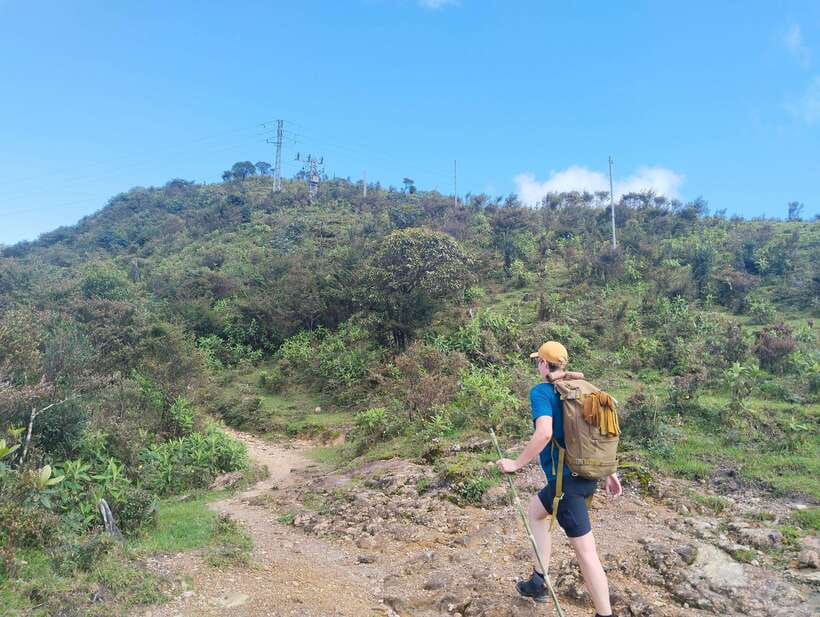
You arrive at Tram Ton Pass around 6:00 AM, roughly 1,800 m above sea level, and then the trek begins. Starting this early matters for two reasons. First, you miss some of the worst crowds at lower points. Second, you give yourself a bigger window for weather changes, because cloud and fog are common at the top.
If you are sensitive to altitude, the early start gives you time to acclimatize a bit through movement rather than sitting around. Still, you need to be in good physical condition for this one-day climb, since the ascent and descent can take about 7 to 9 hours on the trail.
The climb from Tram Ton Pass toward Fansipan peak
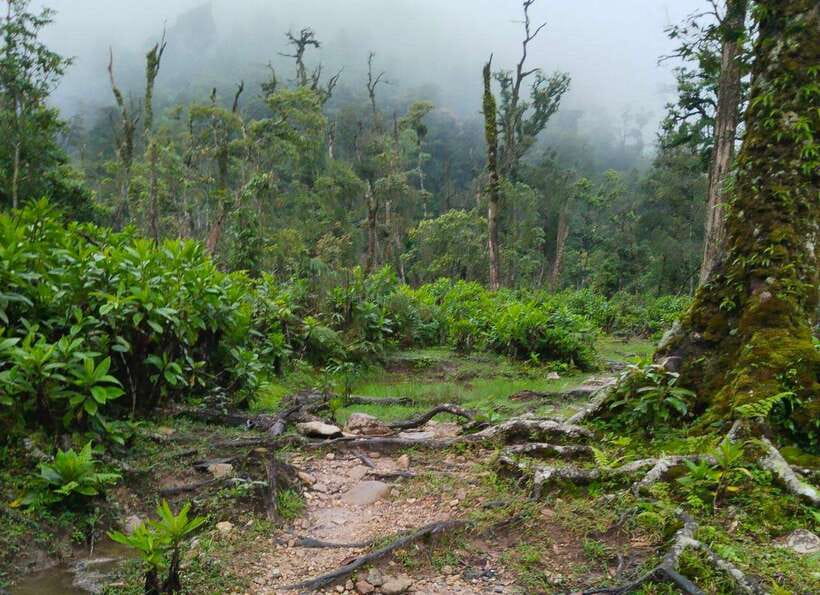
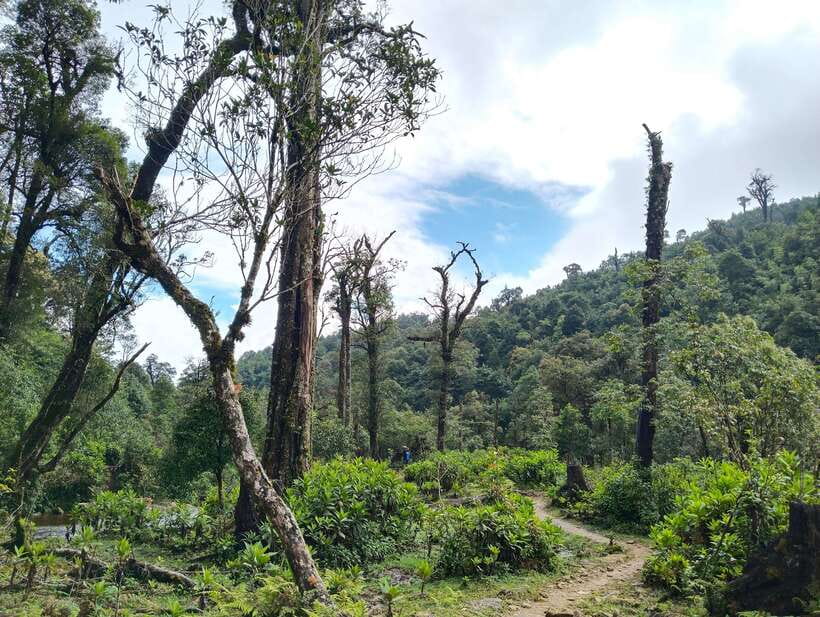
The main trek runs from Tram Ton Pass up to Fansipan and back down, with the goal of reaching the summit near midday. Along the way, the trail passes through changing forest types as altitude increases.
You get plenty of nature detail during the climb. The mountain ecosystem is described with 2,024 floral varieties and 327 faunal species. Even if you are not out there counting plants, this is a reminder that you are not only chasing a view. You are walking through layers of altitude changes that make the hike feel like progress.
You also get small spice and plant context. Cardamom is mentioned as a spice you can learn about on route, specifically the seeds that create a flavor used in food. This kind of detail makes stops feel less like interruptions and more like part of the hike.
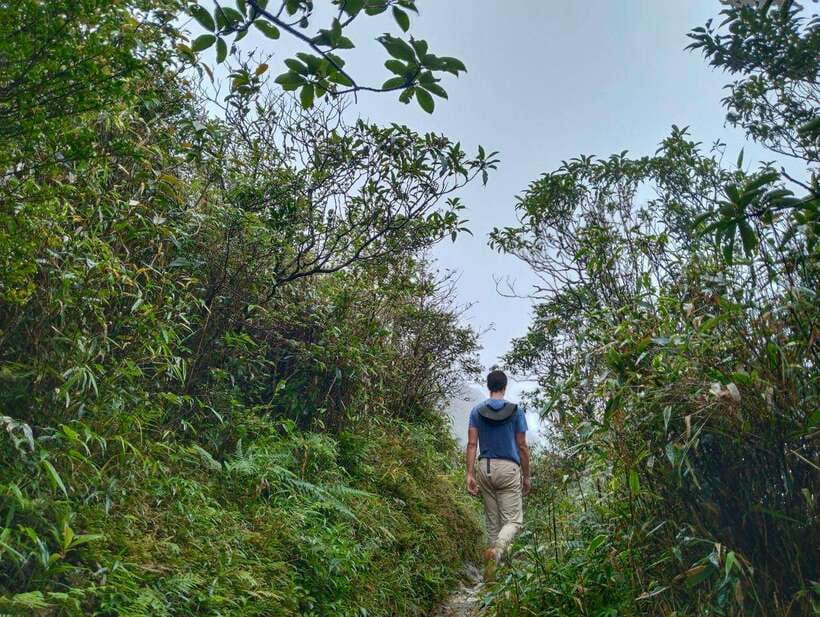
As you near the top, the trail gets more demanding. Expect scramble sections and lots of stairs at parts. One theme across guides is steady pacing and checking in on your wellbeing, which helps when you start thinking, am I doing this too fast?
More Sa Pa plans to weigh
- Sa Pa: 6-Hours Muong Hoa Valley Trek with Local Ethnic guide
★ 4.5 · 178 reviews - SAPA: 2-DAY 1-NIGHT TREKKING & CULTURE WITH HMONG GUIDE LINH
★ 4.9 · 126 reviews - From Sapa: Guided Full-Day Trekking with Lunch and Drop-Off
★ 4.2 · 86 reviews - Sapa: Local Exploration on a Guided Motorbike Tour
★ 4.2 · 37 reviews
Reaching the roof of Indochina at 3,143 m
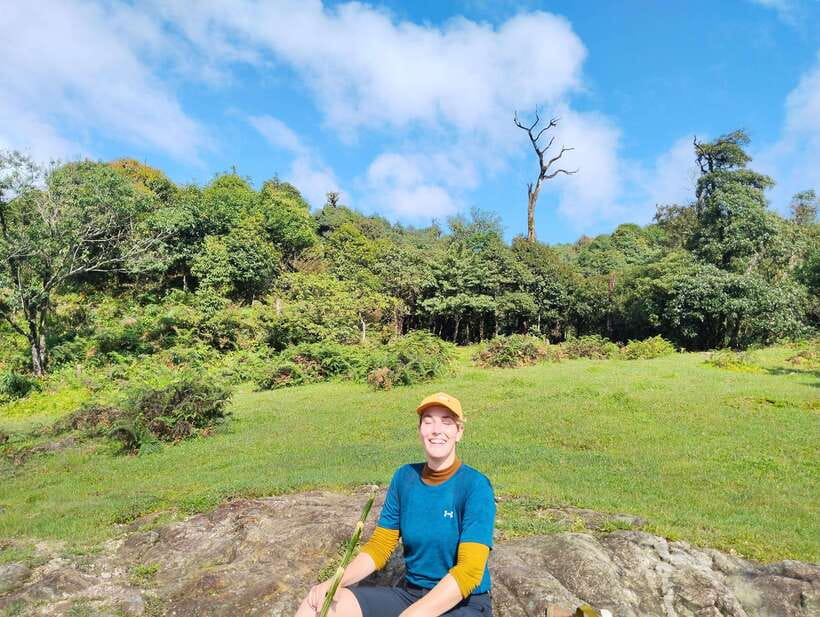
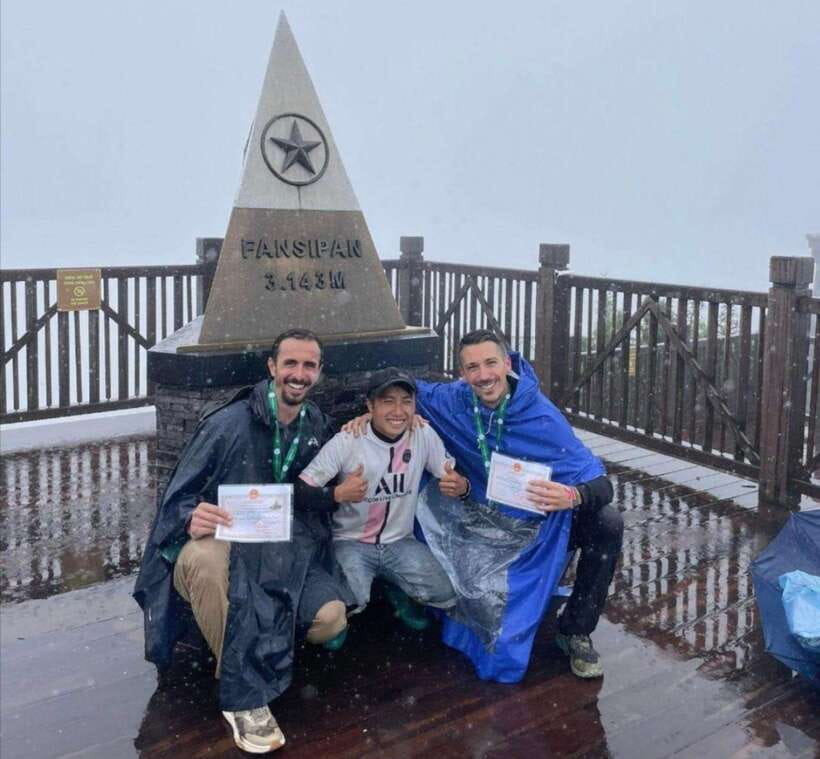
The plan targets Fansipan Peak (3,143 m) around noon. At the summit, you get the classic payoff: the roof of Indochina moment, plus photos at the top.
But here is the honest part. Fog and cloud happen, and you cannot control them. Some days you get clear pictures, and other days the top is wrapped in mist. The practical win is that the hike still gives you a lot even when the summit views are not crisp. You have already done the work, and you have the experience of getting there at all.
Also, crowds can be heavy near the peak because lots of people go up by cable car. If you are okay with that, great. If you hate crowds, keep your expectations flexible and focus on the trail experience more than one perfect photo.
Food stops that keep you moving, not just eating
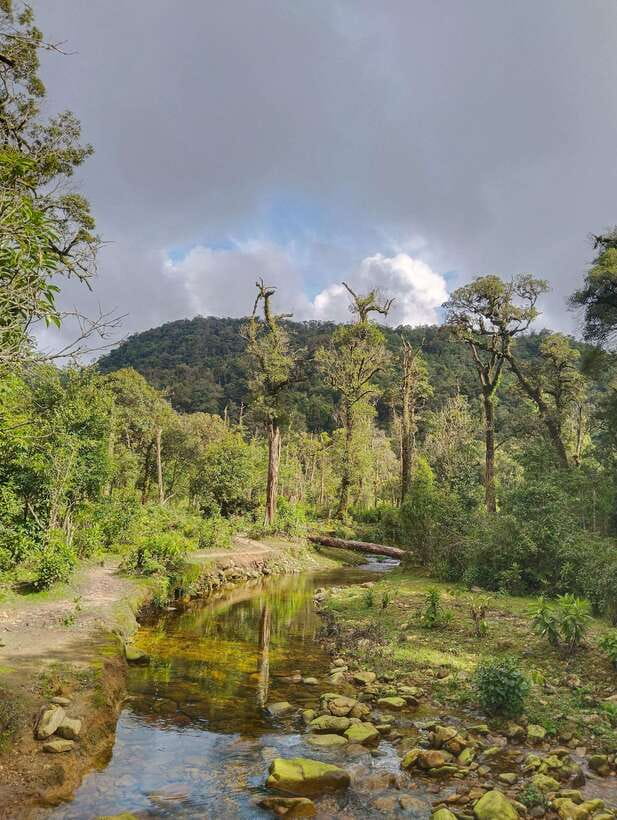
Lunch is one of the best parts of this style of trek. You get a picnic lunch included, and guides often turn it into a proper break rather than a rushed snack.
The menu varies by guide and conditions, but you can encounter things like a banh mi lunch and also soup. One guide is described preparing coffee and tea too, which matters because altitude can make you feel colder even when you started the day warm.
There is also mention of a snack prepared around 2,800 m, which is a smart move. That is the point where many people start fading. A well timed bite helps you keep rhythm through the harder late stages, especially on the return when energy drops.
One bonus detail: guides sometimes take photos during the hike. So if you care about evidence of the effort, you might get more than just summit shots.
Descent timing, safety, and getting back to Sa Pa between 4 and 6 PM
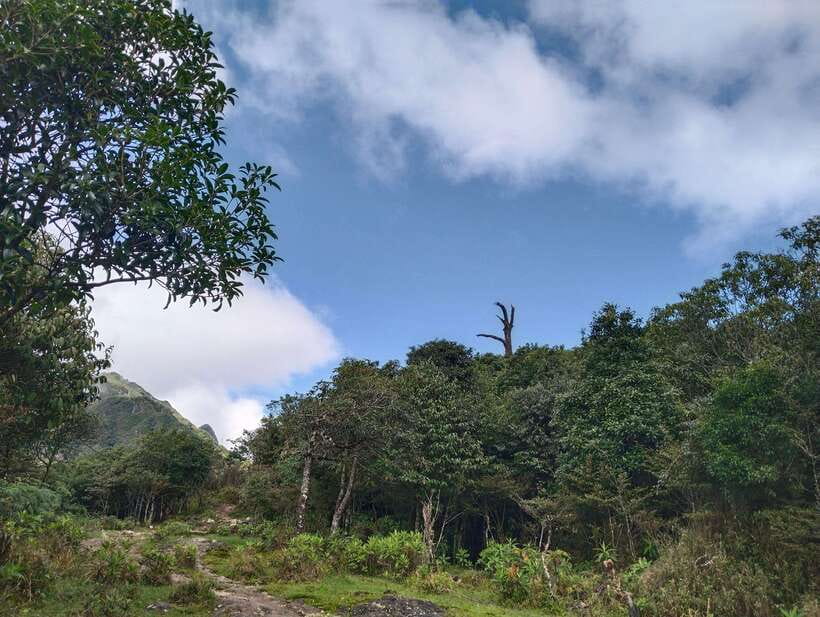
After the summit, the itinerary turns into a careful descent plan. You start coming down toward about 2,900 m around 1:30 PM, then return to Tram Ton Pass, where the driver is waiting.
From there, transport brings you back to Sa Pa. The tour ends with arrival in town roughly between 4:00 PM and 6:00 PM.
Descent can be tougher than ascent for many people. Even when the trail is not technically scary, your knees feel it, and the tiredness can make foot placement sloppy. Good guides handle this by slowing down when needed and adjusting the break schedule to your group.
One detailed note that is useful: if someone is moving slower, you might end up hiking part of the descent later than expected, even into early dark, and guides may show up with headlamps. That is not a reason to rush, it just tells you the team is prepared for real conditions.
Guide style you can look for, from Za to Khu
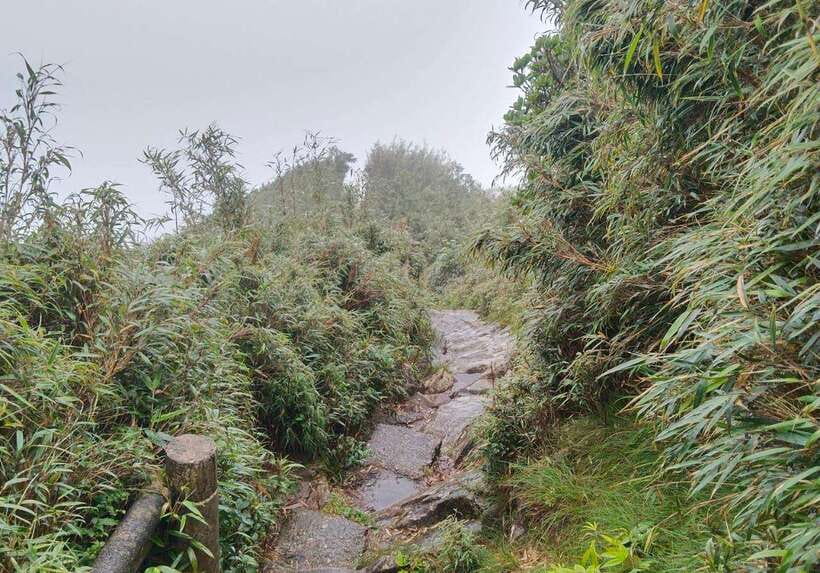
This climb stands or falls on the guide. The most praised names in the day include Za, Zo, Ke, Mai, and Khu, and the common thread is how they manage people.
Here is what you should hope for when you meet your guide:
- Clear explanations before you start, including what to bring and how the day will flow
- A pace that fits your group, including people who are not hard core hikers
- Humor and support during the toughest last hours
- Safety checks, especially in wet conditions
Language matters too. English is specifically listed as available, and multiple guides are described as speaking excellent English.
Also, guides from the Black H’mông community are repeatedly tied to the best cultural moments. You do not just learn “about the mountain,” you learn about life around Sa Pa and how local people relate to the peaks.
Weather, footwear, and fitness checklist for your one-day summit push
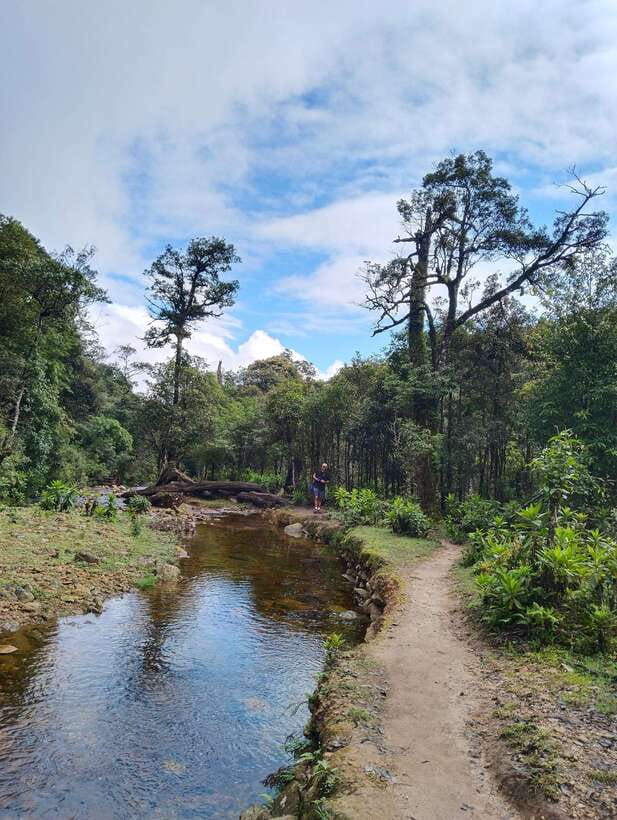
Altitude and weather are the big variables here. The information is blunt: conditions at this altitude are unpredictable. Rain can make the trail muddy and slower.
So plan like this:
- Bring rain gear. If it rains, you will be glad you did.
- Wear comfortable shoes or proper hiking shoes with closed toe protection.
- Pack long sleeves plus a lighter T-shirt layer, so you can adjust.
- Use gloves if you have them, since gloves are included.
- Be honest about fitness. The climb can take 7 to 9 hours, and the return can feel especially grueling.
The tour is also not for everyone. It is not suitable for children under 15, and it is not suitable for people over 70. If you sit on the edge for altitude comfort or knee issues, consider how you feel on long stair climbs and uneven ground.
Finally, keep expectations realistic about the top. Even with a great guide, you can hit full fog. I would go anyway, but I would go with the mindset that the value is the full hike, not a guarantee of clear summit panoramas.
Should you book this Fansipan climb with a local guide?
Book it if you want a one-day challenge that feels organized, human, and truly local. The combination of early pickup, a guide who talks as you walk, included lunch, transport back to Sa Pa, and a Fansipan climbing certificate makes this feel like a complete day, not a bare-bones hike.
Skip it or rethink it if any of these apply. If you know you struggle with altitude, long stairs, or muddy trails, this is going to be harder than it looks on paper. Also, if you rely on cable car support, remember the cable car is optional and not included. You would need to handle that separately if you choose it on the day.
If you want one practical rule: bring solid shoes, expect a tough descent, and treat the summit view as a bonus, not the only reason you are there. Done that way, this one-day Fansipan climb is the kind of Sapa experience that sticks.
FAQ
What time does the tour start from Sa Pa?
You are picked up around 5:30 AM from Stone Church Sa Pa or from hotels along the route to Tram Ton Pass.
Where do we start hiking and what altitude is it?
You hike from Tram Ton Pass, which is about 1,800 m above sea level.
How long is the hike on foot?
The challenging ascent and descent typically takes around 7 to 9 hours.
Is lunch included?
Yes. Picnic lunch is included, and you also get 1.5 liters of water.
Is the optional cable car included?
No. Cable car is not included in the price, and there is no cable car shuttle service included.
Who gets a porter?
A porter is provided for groups of 4 people or more.
What is included in the tour besides the guide?
Entrance fee, transportation, picnic lunch, porter (for 4+), fansipan climbing certificate, 1.5 liters of water, and gloves are included.
What should I bring?
Bring comfortable or hiking shoes, rain gear, a long-sleeved shirt, a T-shirt, and closed-toe shoes.
Who is this trek not suitable for?
It is not suitable for children under 15 years and not suitable for people over 70 years.
New listings around Sa Pa
- Sapa: Private The Most Beautiful Terraced Fields Trekking★ 4.8 · 42 reviews
- Sapa: Trekking Sapa One Day With Group Tour★ 4.7 · 55 reviews
- Sapa3D2N TrekkingAdventures,Valleys,Bambooforest,Waterfall★ 4.8 · 24 reviews
- Sapa: Y Linh Ho – Lao Chai, and Ta Van Trekking Day Tour★ 5.0 · 25 reviews
- From Sapa: Guided Full-Day Trekking with Lunch and Drop-Off★ 4.2 · 86 reviews
- Sapa Trekking Private Tour With Ethnic Female Tour Guide★ 4.9 · 24 reviews
- Sapa: Ta Phin Village Trek & Red Dao Herbal Bath★ 5.0 · 22 reviews
- Sapa: Ta Phin Village Trek with Lunch and Bathing Experience★ 4.7 · 13 reviews
Sapa Trekking & Homestays, compared.
Sapa 2 Days 1 Night From Hanoi – Overnight in Ta Van Village
Read our review →

Muong Hoa Valley Trek and Local Ethnic Villages
Read our review →

Sapa 3 Days 2 Nights Trekking Tour (1 Night In Ta Van Village, 1 Night In Hotel)
Read our review →
Eco Adventure Terrace Fields and Local Villages Trek
Read our review →
3-Day Trekking Adventure of Sapa from Hanoi – Stay Ta Van Village
Read our review →
Number one top rated ethical cultural trekking and homestay by ETHOS
Read our review →Browse the lists this tour appears in