
Reviewed · SAPA TREKKING & HOMESTAYS
Journey Through Sapa Terraces & Traditions
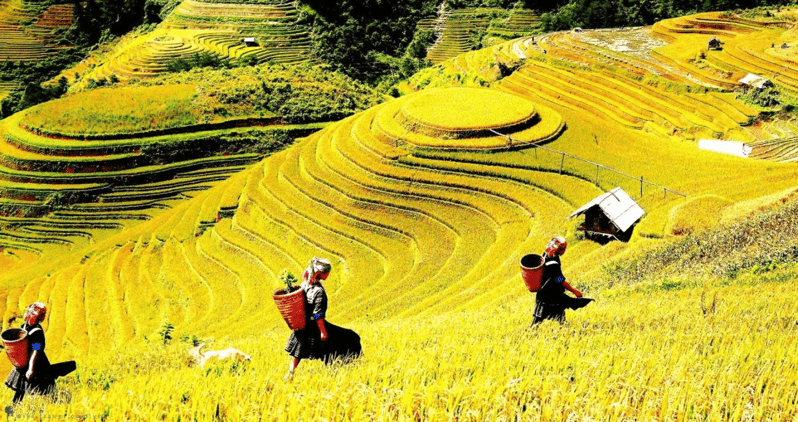
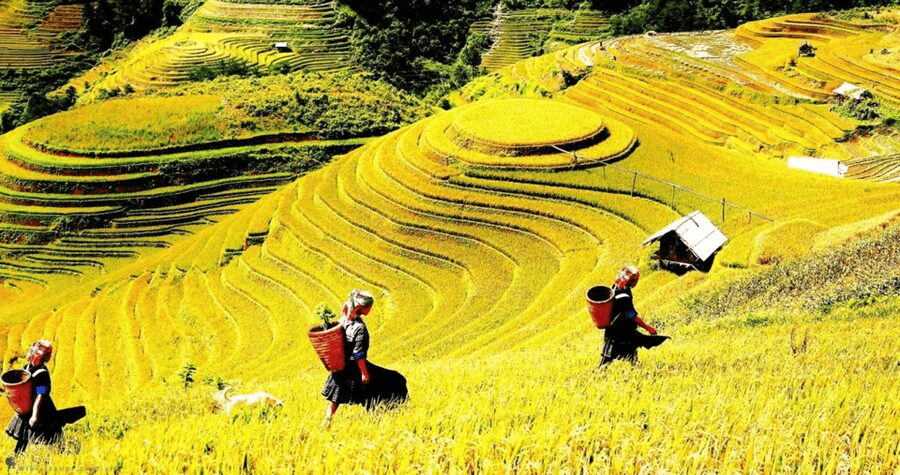
Rice terraces set the pace in Sapa. I like the way the day links Muong Hoa River moments, like the hanging bridge, with a Y Linh Ho village lunch. The main thing to plan for is rainy days, when the start can run late and extra footwear support may vary.
This is a small-group trek, capped at 10 people, with an English and Vietnamese guide. If you want big views and real community stops, this one-day route is a strong pick, as long as you come ready for a hike that can be slippery.
In This Review
- Key Highlights Worth Your Attention
- Why This 7-Hour Sapa Trek Feels Grounded in Local Life
- From 61 Mường Hoa to Cat Cat Road, Rice Terraces, and a Hanging Bridge
- Bamboo Forest Ascent and Hoang Lien Son Mountain Views That Actually Matter
- Y Linh Ho Lunch With Hmong Flavors, and Why the Stop Is the Point
- Lao Chải and Tả Van: Black Hmong and Giay Encounters
- Terrain, Timing, and Rain: The Real Fitness and Footing Check
- Price, What’s Included, and Who This Small-Group Tour Fits
- Should You Book This Sapa Terraces and Traditions Trek?
- FAQ
- How long is the trek?
- What does the $20 price include?
- What language is the guide?
- What should I bring for the hike?
- What footwear is not allowed?
- Is pickup included and what group size should I expect?
Key Highlights Worth Your Attention
- Muong Hoa hanging bridge and river crossings early in the day
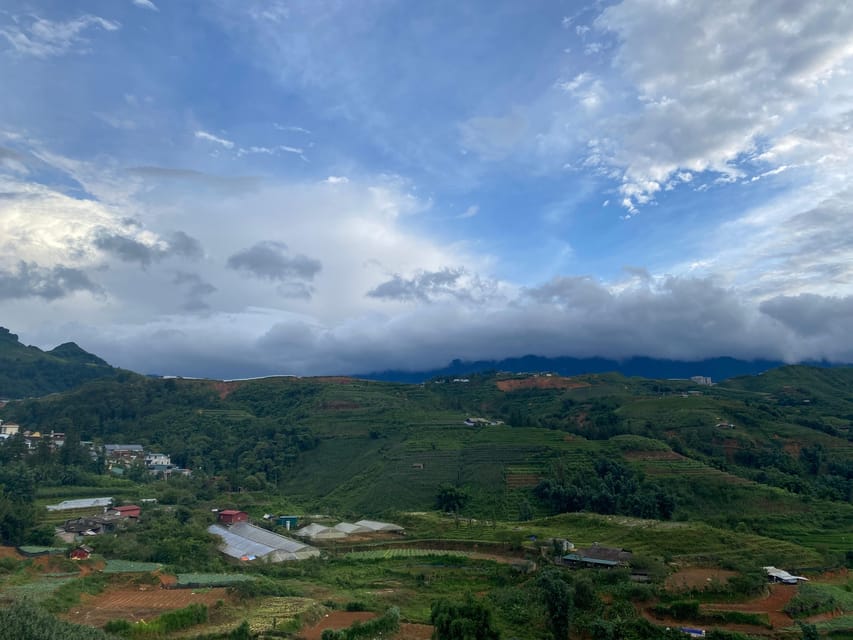
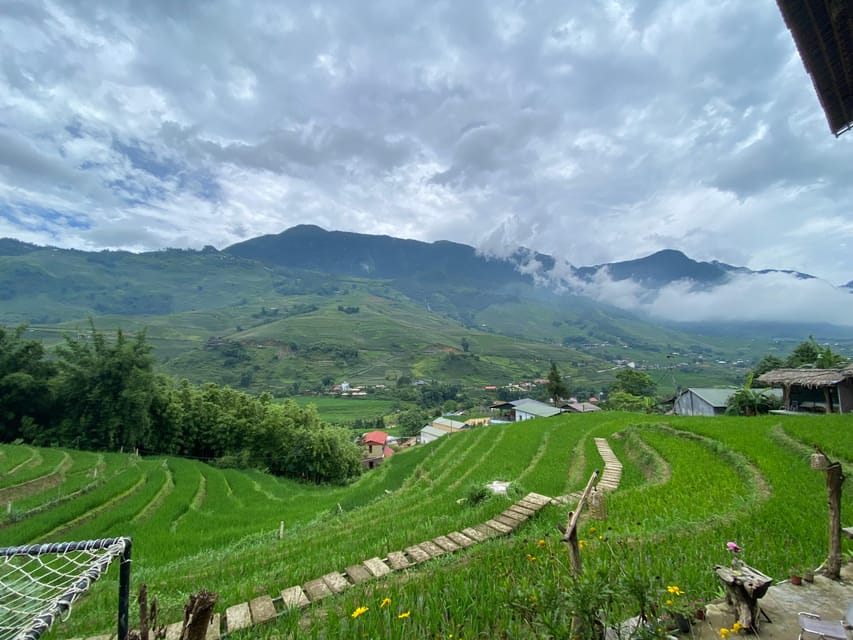
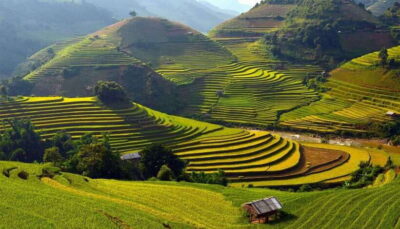
- Large rice terraces framed by views toward Hoang Lien Son
- Bamboo forest ascent that feels cooler and quieter than the roads
- Lunch with a local Hmong family in Y Linh Ho
- Village variety across Lao Chai (Black Hmong) and Ta Van (Giay)
- Small group max 10 so you are not lost in a crowd
Why This 7-Hour Sapa Trek Feels Grounded in Local Life
Sapa can be full of tours that look the same at every stop. This one works because it gives you a walking rhythm that actually connects places. You start in the Sapa area, then head downhill and back up through the fields and forests that shape how people live here.
What I really like is that the day is built around community time, not just photo stops. The lunch is with a Hmong family in Y Linh Ho, so it feels like you are sharing a meal with a household, not grabbing something from a tourist counter. A well-run guide also matters on this kind of terrain, and guides like Zo are known for watching footing and keeping everyone moving safely, even when weather turns.
One more detail that helps: the tour includes pickup from your stay or from Sapa center town, and you meet at 61 Mường Hoa. That removes some of the daily guesswork and makes it easier to focus on the hike.
More Sapa treks and homestays:
- Sa Pa: Muong Hoa Valley Trek and Local Ethnic Villages
★ 4.6 · 864 reviews - Sapa: Eco Adventure Terrace Fields and Local Villages Trek
★ 4.9 · 636 reviews - From Sapa: 1-Day Guided Trek to Lao Chai & Ta Van with Lunch
★ 4.9 · 416 reviews
From 61 Mường Hoa to Cat Cat Road, Rice Terraces, and a Hanging Bridge
Your morning starts with pickup around 8:00 AM from Sapa center or your accommodation. From there, you begin with a short walking warm-up around Sa Pa, then you drop into the action with a 2 km descent along Cat Cat Road.
That first descent is a big deal. It gets you off the main roads and into the rhythm of valley walking right away. It also gives you early views of how the terraces step down toward the river, and it puts you in the mood for the iconic photo moments that come next.
Soon, you reach the Hmong village area along the route. The day’s biggest “wow” moment arrives when you cross the hanging bridge over the Muong Hoa River. It is the kind of crossing that makes your brain go quiet for a second, mostly because it is different from flat trekking back home. The bridge also changes the angle on the whole valley, so it feels like the scenery resets after the crossing.
Practical tip: if it has rained overnight, the ground around the bridge approach can be slick. Wear shoes you trust. And keep your pace steady, because this is where people start hurrying for photos and lose their balance.
Bamboo Forest Ascent and Hoang Lien Son Mountain Views That Actually Matter
After the bridge, the route shifts from valley walking to a gradual climb through a bamboo forest. This section is more than scenery. It breaks up the day, gives your legs a change of terrain, and adds a cooler, greener feel compared with open field paths.
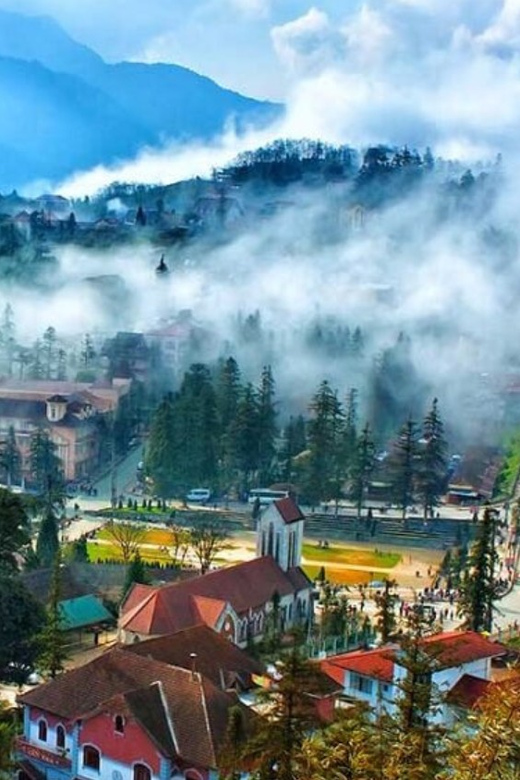
As you ascend, you start to see why this trek is tied to Hoang Lien Son. The views are not just a distant backdrop. They act like navigation for your day, guiding what you can picture in your head as you move between terraces and village areas. On a clear day, you get those layered mountain-and-field lines that make Sapa look almost drawn by hand.
The trek continues through the rice terraces, including some of the most striking fields in the area. The terraces are not static either. Depending on the angle, you will notice how they hold water, how paths cut through them, and how small footbridges and walls shape movement for local households.
What to watch for: the climb portions can be challenging even when the distance sounds short. If you have knee issues, take your time on the uphill steps and use slow, short strides. This is one of those days where “moving carefully” is the same thing as “moving fast.”
Y Linh Ho Lunch With Hmong Flavors, and Why the Stop Is the Point
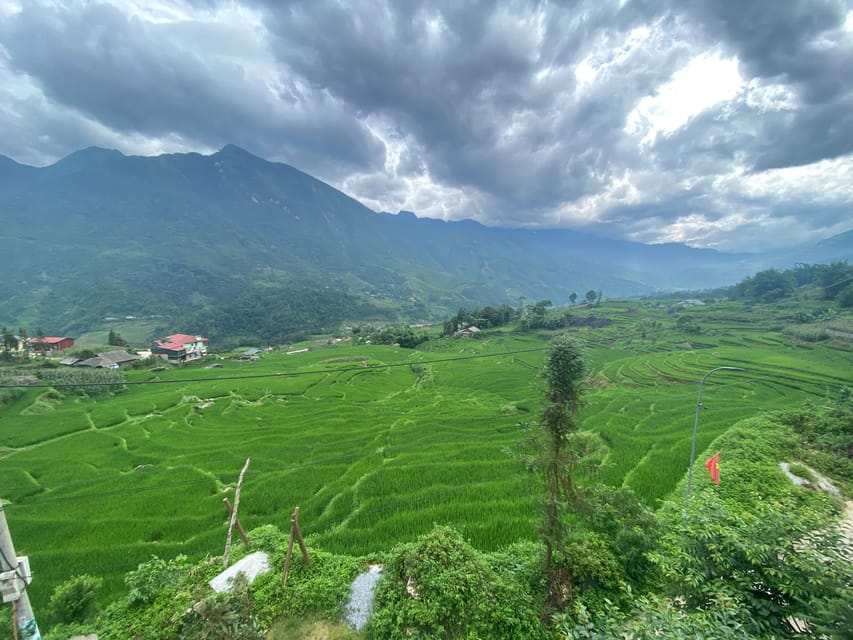
By the time you reach Y Linh Ho, you have already earned your break. Lunch is served in a small traditional restaurant run by a local Hmong family, and it is built into the schedule as about an hour.
Why that matters: lunch stops on treks can be either forgettable or essential. Here, the essential part is not just food. It is the social pause. You sit, you refuel, and you get a calmer moment before you head toward more village walking and another set of community encounters.
The menu details are not spelled out, but the tone is clear: you are eating local food with local people involved. That usually means you get hearty portions that work for an active day, not light snacks designed for show. Francisco’s experience, for example, highlighted that the lunch felt abundant, and that the meal was in a “very cool” setting.
Quick planning advice: treat lunch as part of the trek, not a detour. Use the full time to rest your legs and rehydrate. Then be ready to go again, because the route continues after lunch.
Same region, different pace:
- Sapa 1 Day Long Trek: Trek to Hau Thao and Sa Seng Villages
★ 4.6 · 344 reviews - Sapa: Fansipan Cable, Cat Cat Village, Moana Instagram Tour
★ 4.8 · 294 reviews - Explore Sapa by TrekkingAdventures, Mountain,Rice fields
★ 4.9 · 229 reviews - From Sapa: 3 Day Ha Giang Loop Motorbike Tour With Rider
★ 4.9 · 209 reviews
Lao Chải and Tả Van: Black Hmong and Giay Encounters
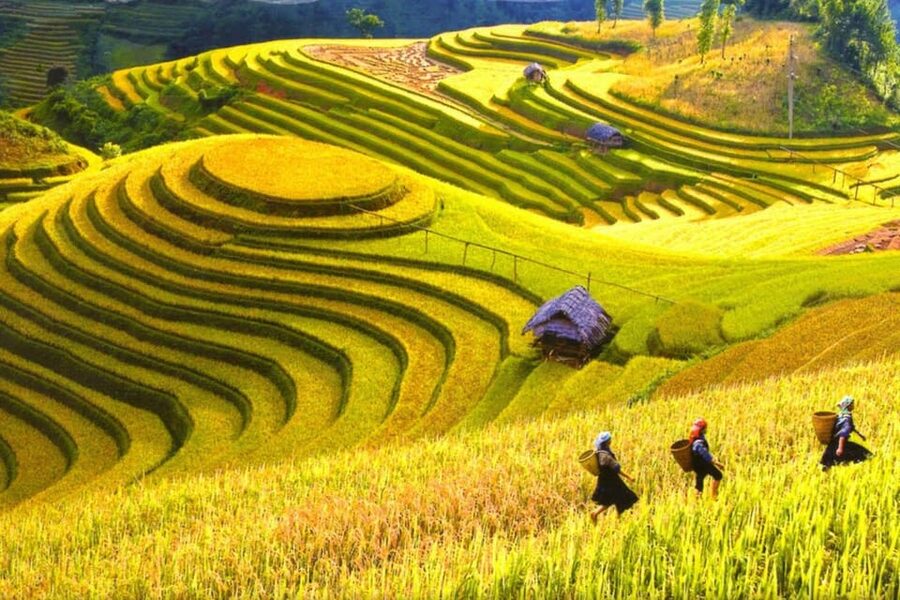
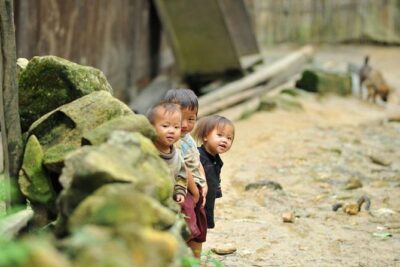
After lunch, the trek continues toward Lao Chai, home to the Black Hmong community. This section is where the cultural tone turns from “scenery plus villages” into “scenery plus people.”
You will spend time trekking through the route between villages, and the focus is on understanding traditions and daily life rather than just passing through. The guide keeps the story moving, explaining what you are seeing as you go. When Christian described Zo as helping through challenging terrain, it was not just about walking. It was also about having someone connect the landscape, the villages, and the route.
Next up is Ta Van village, where you get a chance to meet the Giay minority. The program frames this as a chance to learn about diverse traditions and lifestyles. The key word here is learn, because the experience is structured around conversation and observation, not a performance.
Hike time here matters too. The day keeps a steady pace, with segments designed to last around an hour each in the village-to-village movement. That means you get time on foot, but you are also not spending all day only climbing. It is a balance.
Best approach: be curious, but also be respectful with cameras and personal space. You are visiting communities, not a theme park.
Terrain, Timing, and Rain: The Real Fitness and Footing Check
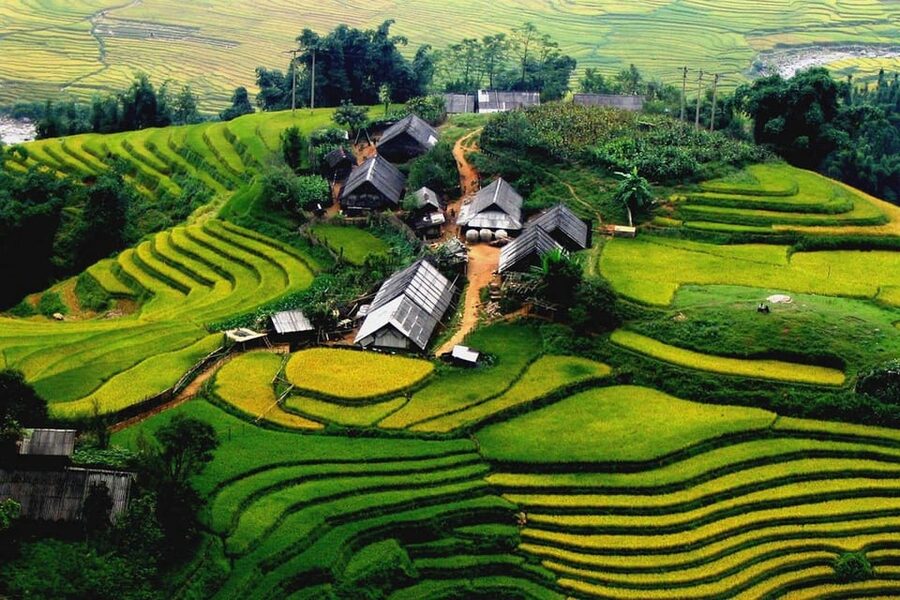
This is not a leisurely stroll. The route includes descents, ascents, and uneven paths through rural areas. One guide can make it feel manageable, but you still need to be ready physically.
Zo, in particular, was praised for helping people manage challenging terrain and for safety on slippery days. That is comforting. Still, there are logistical realities in Sapa. Dean reported a bumpy start due to pickup timing on a rainy day, and also noticed that some guests were offered gumboots while he was not.
So here is the practical mindset I recommend:
- Expect the day to flex slightly if weather is bad.
- Confirm pickup the night before, and if you are waiting, follow up quickly.
- Plan your footwear like you are hiking in mixed conditions, not dry trails.
If you are the type who gets cold easily, bring an extra layer. If you are the type who hates wet socks, bring better socks and keep your shoes dry-ready. The tour also requires hiking or sports shoes. Sandals and flip-flops are not allowed.
Finally, consider motion sensitivity. The tour is not suitable for people prone to seasickness, which is a hint that you will spend time traveling by vehicle to reach trail access points.
Price, What’s Included, and Who This Small-Group Tour Fits
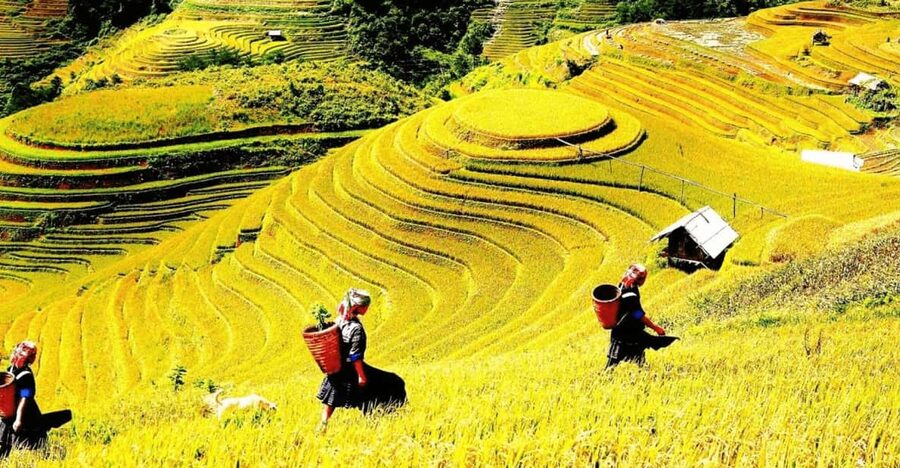
At $20 per person for roughly a 7-hour day, you are paying for more than the walking. The value is in three included pieces: pickup, lunch with a local family, and a local guide with 10+ years of experience. You also get the advantage of a small group, limited to 10 participants, which usually means you can actually ask questions and keep up without feeling rushed.
You also get a separate entrance to skip some waiting at the start area. It may sound minor, but on active days those minutes add up.
Languages are English and Vietnamese, so communication is covered either way. And while you might not need it, it is useful to know the tour offers free cancellation up to 24 hours in advance, plus reserve now and pay later, so you can keep your plans flexible if Sapa weather changes.
Who it fits best:
- You want real village stops with explanation, not just view chasing.
- You are comfortable walking on trails and steps.
- You like the mix of nature and culture, river crossing and mountain viewpoints.
Who might feel challenged:
- If you have mobility limitations or strong knee issues, you might struggle with the uphill and uneven footing.
- If you prefer a flat, easy walk, this will likely feel too demanding.
Not suitable includes children under 4, pregnant women, wheelchair users, and people over 95. It also excludes people prone to seasickness.
Should You Book This Sapa Terraces and Traditions Trek?
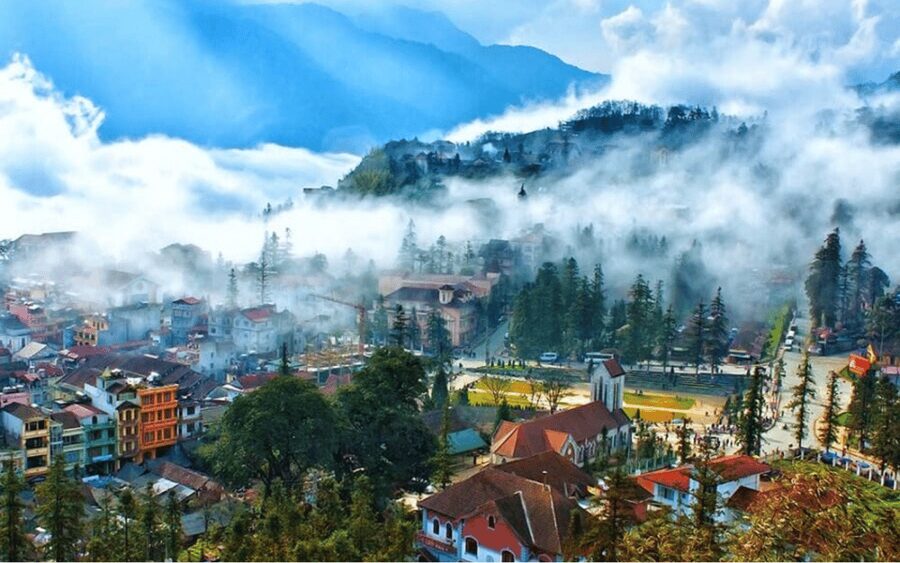
I think this is a great booking choice if you want a one-day plan that delivers on three things at once: rice terraces, community visits, and a lunch that ties you to local life. The small group size helps keep the day personal, and the guide focus on safety matters when conditions are slippery.
Book it if you:
- Have decent hiking shoes and a willingness to walk uphill.
- Want a structured day with a Hmong lunch stop at Y Linh Ho.
- Feel excited by the idea of meeting people in Ta Van and learning from the communities you pass.
Skip it or choose a gentler alternative if you:
- Need a fully flat route.
- Cannot handle slippery terrain or uneven steps.
- Fit one of the listed “not suitable” categories (pregnancy, wheelchair use, very young kids, or very elderly).
If you do book, treat it like a real hike day. Bring a sun hat, keep clothes that can get dirty, and do not underestimate rainy weather. Get your footwear right, and you will leave with those Muong Hoa river moments, terrace views toward Hoang Lien Son, and at least one meal you will remember for the people behind it.
FAQ
How long is the trek?
The experience runs for about 7 hours, with pickup starting around 8:00 AM and returning to the Sapa area around 3:30 PM.
What does the $20 price include?
The price includes pickup from Sapa center town or your accommodation, a traditional lunch with local communities, and a local guide with 10+ years of experience.
What language is the guide?
The live guide speaks English and Vietnamese.
What should I bring for the hike?
Bring a sun hat, hiking shoes or sports shoes, and clothes that can get dirty. The tour is not set up for light, clean, city wear.
What footwear is not allowed?
Sandals or flip-flops are not allowed. You should plan on shoes with grip for uneven, possibly slippery paths.
Is pickup included and what group size should I expect?
Pickup is included from Sapa center town or your stay, and the tour is a small group limited to 10 participants.
New listings around Sa Pa
- Sapa: Private The Most Beautiful Terraced Fields Trekking★ 4.8 · 42 reviews
- Sapa: Trekking Sapa One Day With Group Tour★ 4.7 · 55 reviews
- Sapa3D2N TrekkingAdventures,Valleys,Bambooforest,Waterfall★ 4.8 · 24 reviews
- Sapa: Y Linh Ho – Lao Chai, and Ta Van Trekking Day Tour★ 5.0 · 25 reviews
- From Sapa: Guided Full-Day Trekking with Lunch and Drop-Off★ 4.2 · 86 reviews
- Sapa: Ta Phin Village Trek with Lunch and Bathing Experience★ 4.7 · 13 reviews
- Sapa Trekking Private Tour With Ethnic Female Tour Guide★ 4.9 · 24 reviews
- Sapa: Ta Phin Village Trek & Red Dao Herbal Bath★ 5.0 · 22 reviews
Sapa Trekking & Homestays, compared.
Sapa 2 Days 1 Night From Hanoi – Overnight in Ta Van Village
Read our review →
Muong Hoa Valley Trek and Local Ethnic Villages
Read our review →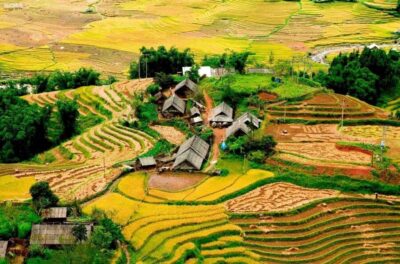
Sapa 3 Days 2 Nights Trekking Tour (1 Night In Ta Van Village, 1 Night In Hotel)
Read our review →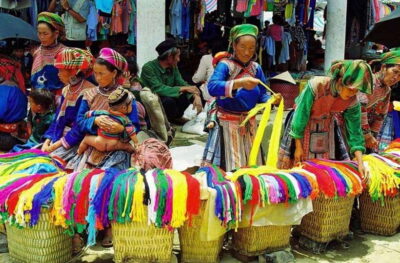
Eco Adventure Terrace Fields and Local Villages Trek
Read our review →
3-Day Trekking Adventure of Sapa from Hanoi – Stay Ta Van Village
Read our review →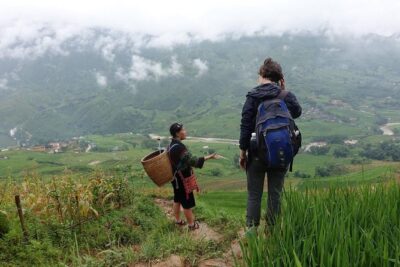
Number one top rated ethical cultural trekking and homestay by ETHOS
Read our review →Browse the lists this tour appears in