
Reviewed · SAPA TREKKING & HOMESTAYS
From Sapa Homestay Hideaway 2-Day Local Life Adventure
Rice terraces, then dinner at a homestay.
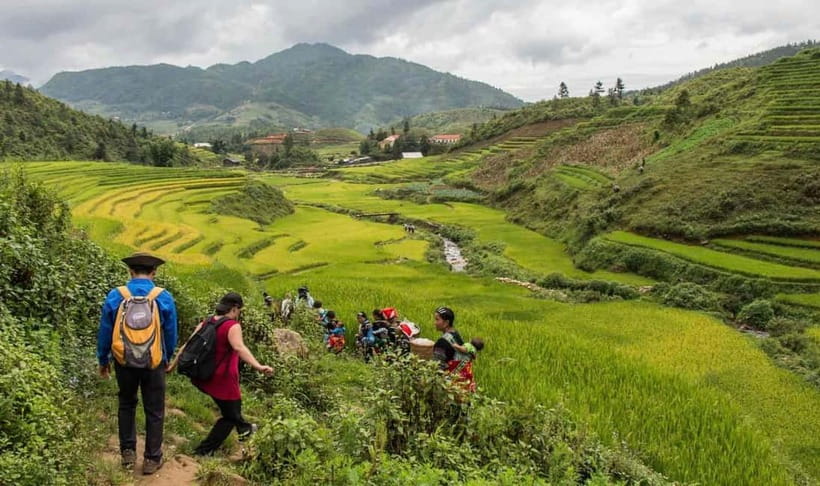
This 2-day trek through Sapa’s Muong Hoa Valley brings you face-to-face with minority villages, plus that lived-in feel of walking with a small group. I especially like the mix of big views and real human scale moments, from the path by the rice terraces to your time in Ta Van. The one drawback to plan for is fitness and footing, because the route includes muddy, slippery sections in wet weather and you should go only if you feel comfortable on hills.
I also like how the day is paced around villages, not just checkboxes. You’ll visit Y Linh Ho, then hike onward to Lao Chai and Ta Van, with viewpoints over the Hoang Lien Son mountain range along the way. And on the second day, you shift to Red Dao village areas like Giang Ta Chai and Supan, with time to slow down and watch daily life.
One more consideration: this is not a sit-and-stroll tour. The walking is about 10 km on day 1 and around 4 km on day 2, and it is not suitable for people with disabilities, wheelchair users, those with back problems, pregnant women, and children under 5 years old, or people over 70.
In This Review
- Key things to know before you go
- Why this Sapa homestay trek feels like local life, not a show
- Day 1: Sapa to Y Linh Ho, Lao Chai, and Ta Van Village
- Start with Y Linh Ho Village, then follow the terraces
- Lao Chai Village, where culture meets daily work
- Afternoon check-in at Ta Van, with lunch and downtime
- Ta Van homestay: cooking class, rice wine or tea, and a calmer night
- Day 2: Giang Ta Chai and Supan Village trek, then back to Sapa
- Morning visit to Giang Ta Chai
- Lunch and the return by bus
- Price and value: what $53 includes and what you’ll spend extra
- Guides, safety, and the pace that actually works
- Packing and weather tips that prevent a miserable trek
- What to bring
- What to expect on the trail
- Who should book this trek, and who should skip it
- So, should you book Sapa Homestay Hideaway 2-Day Local Life Adventure?
- FAQ
- Where does the tour pick up in Sapa town?
- How long is the tour, and when do you finish on day 2?
- What meals are included?
- Is there a cooking class?
- Is the guide English-speaking?
- How much trekking should I expect?
- Can I bring luggage or a large bag?
- Is the homestay room private?
- Are drinks included with meals?
- Who should not book this tour?
Key things to know before you go
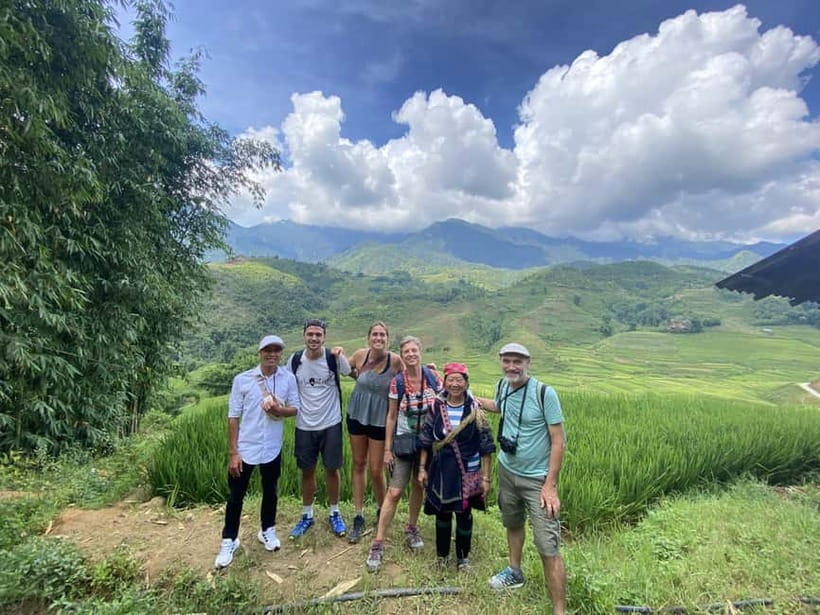
- Guides like Zem make the history feel practical, not lecture-y
- Homestay in Ta Van includes a cooking class and relaxed evening time
- Animals on the route can surprise you, even buffalo and ducks
- Muddy, slippery trails mean good shoes matter more than fancy gear
- Small-group vibe keeps it friendly and easy to move at your pace
Why this Sapa homestay trek feels like local life, not a show

Sapa trekking can easily feel like a conveyor belt. This one does not. The itinerary mixes several villages with short breaks for meals and rest, so you get a better sense of how the valley connects farming, homes, and community life. It is a 2-day, 1-night format, which means you are not rushed like some day tours, but you still get that satisfying walking rhythm.
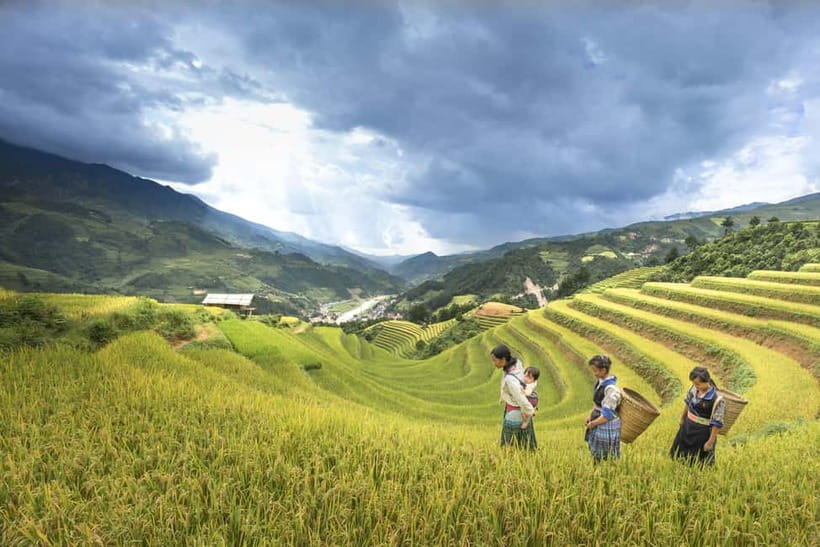
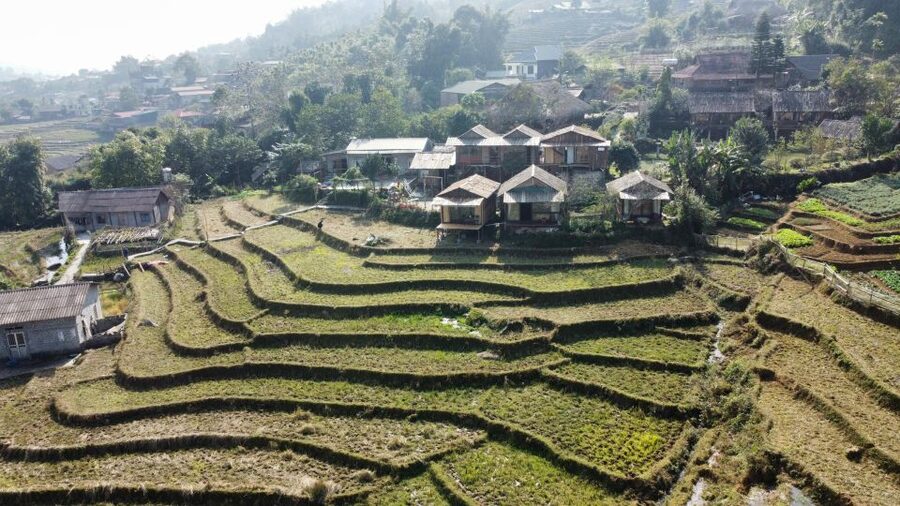
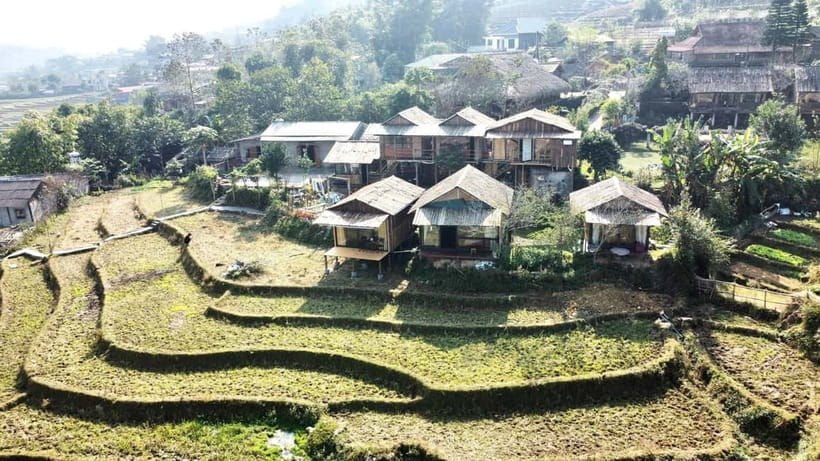
What I like most is the way the walk is tied to the valley itself. You start in Sapa, then you move through terraced rice fields and bamboo forest areas on a route that follows the Muong Hoa Stream. Those details matter because they shape what you see. Rice terraces are not just pretty from a distance. Up close, you notice how steep the plots are, how water channels guide the day, and how paths thread between small homes and work areas.
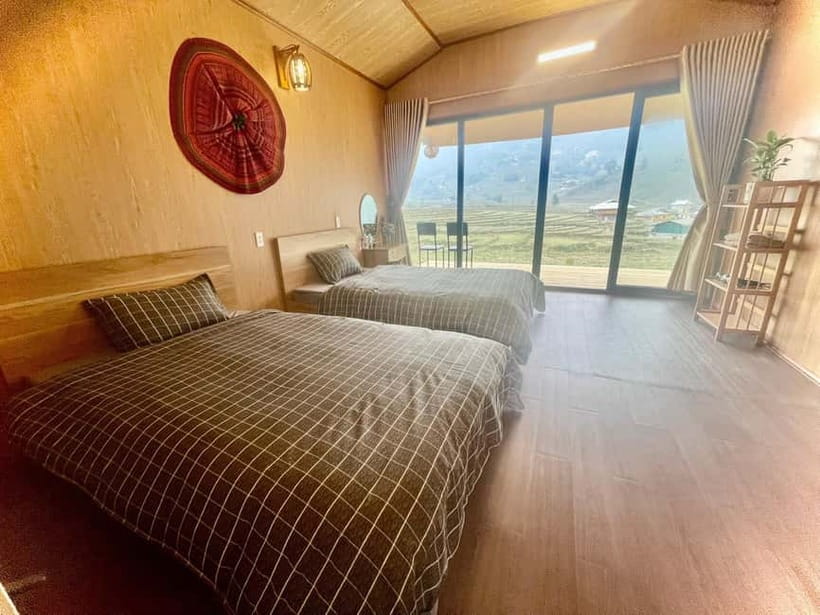
The homestay setup is also a big part of the value. You get a private room for the night in Ta Van Village, with the comfort level described as just-right. If you want a calmer sleep, choose a room with an own toilet when that option is available, because it makes a difference after a long day on the trail. In the evenings, you also get a cooking class and time for a drink like rice wine or happy tea.
More Sapa treks and homestays:
- Sa Pa: Muong Hoa Valley Trek and Local Ethnic Villages
★ 4.6 · 864 reviews - Sapa: Eco Adventure Terrace Fields and Local Villages Trek
★ 4.9 · 636 reviews - From Sapa: 1-Day Guided Trek to Lao Chai & Ta Van with Lunch
★ 4.9 · 416 reviews
Day 1: Sapa to Y Linh Ho, Lao Chai, and Ta Van Village
Day 1 runs from about 8:15 to early evening, with trekking plus lunch and check-in. You will be picked up from hotels in Sapa town or meet at Sapa Delta Hotel, then set off on foot to visit villages in Sapa area.
Start with Y Linh Ho Village, then follow the terraces
The morning opens at Y Linh Ho Village. This is a good warm-up stop because it puts you with a community right away, before the walking gets more intense. Then the hike starts to unwind through rice terraces and along the Muong Hoa Stream. This is the part where your photos will likely be good, but more importantly, your understanding clicks. You see how terraces follow the slope and how bamboo forest sections give your eyes a break between viewpoints.
You’ll also look toward the Hoang Lien Son mountain range. Even when clouds roll in, the range helps you sense scale. Sapa sits in a big, layered system, not a single hill with one view point. That sense of place sticks with you as the hike continues.
Lao Chai Village, where culture meets daily work
Next up is Lao Chai Village, home to the Black H’mong minority. This part of the walk tends to feel less like a staged village visit and more like you’re joining the flow for a bit. You may notice small animal sounds and movements around homes. In the experience reports that match this tour style, people often mention seeing animals like buffalo, chickens, cats, dogs, ducks, and even a snake at a distance. If you worry about snakes, keep this in perspective: the snake sighting is described as distant, not an up-close encounter.
Same region, different pace:
- Sapa 1 Day Long Trek: Trek to Hau Thao and Sa Seng Villages
★ 4.6 · 344 reviews - Sapa: Fansipan Cable, Cat Cat Village, Moana Instagram Tour
★ 4.8 · 294 reviews - Explore Sapa by TrekkingAdventures, Mountain,Rice fields
★ 4.9 · 229 reviews - From Sapa: 3 Day Ha Giang Loop Motorbike Tour With Rider
★ 4.9 · 209 reviews
Afternoon check-in at Ta Van, with lunch and downtime
You reach Ta Van Village by around 12:30, with lunch at the homestay. After you check in, you get free time to explore Ta Van at your own pace. This is where you can do two smart things: take a slower walk near the homes and streams, and give your legs a break before the cooking class.
The timing matters. This is not an all-day sprint. The schedule gives you rest before evening activities, which helps make the overall trip feel doable even for first-time trekkers who are reasonably fit.
Ta Van homestay: cooking class, rice wine or tea, and a calmer night
By about 17:00, you prepare for the cooking class with your guide and the homestay hosts. This is one of the reasons the tour feels richer than a basic guided hike. A guided cooking moment helps you connect the landscape to food choices, and it also shifts the tone from walking to sitting together.
At 18:30, you have dinner, and then there’s free time to enjoy something like rice wine or happy tea. You do not have to treat this as a party scene. It’s more like a chance to wind down with a warm drink while you watch village life around you.
If you’re thinking about comfort, here is a practical tip that comes straight from what people liked: if the homestay offers it, choose a room with an own toilet. After a day of trekking and mud, bathroom privacy makes the next morning feel smoother.
One more comfort note: you should expect simpler conditions compared to a city hotel. That’s part of the trade. But the tour positions the “just-right comforts” well, and most people seem happy with the balance of basic and cozy.
Day 2: Giang Ta Chai and Supan Village trek, then back to Sapa
Day 2 starts with breakfast at the homestay, around 8:00 to 9:00. Then you begin the village portion.
Morning visit to Giang Ta Chai
At about 9:30, you set sights on Giang Ta Chai Village, followed by Supan Village. The schedule mentions a scenic trek to reach these villages, described as about 6 km. At the same time, the tour’s walking total is also described as roughly 4 km on day 2. Either way, plan for a steady hike with a few climbs and changes in footing.
This is also the part of the trip where your guide’s explanations matter most. When your guide can talk about local customs and daily routines while you’re walking, the cultural learning feels tied to what you’re seeing, not something you’re memorizing from a page.
Lunch and the return by bus
At around 12:30, you stop for lunch at a local restaurant. Then the bus returns you to Sapa town at about 13:30, with the tour ending around 1:30 to 2:00 pm.
That early return is a real convenience. You can still eat in Sapa, shop a little, or grab a hot drink without feeling like the day is over. And if you’re traveling onward, you’re not stuck with a late-afternoon drop.
Price and value: what $53 includes and what you’ll spend extra
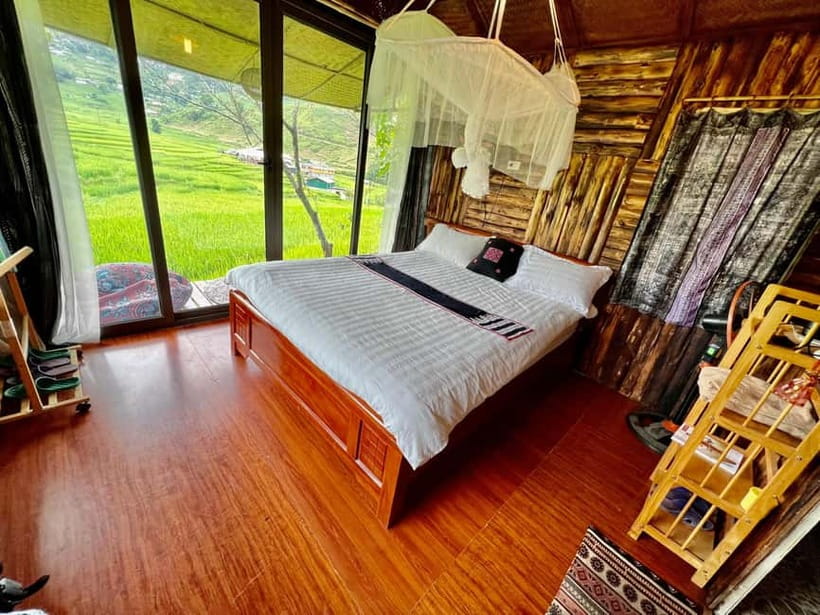
For a price point around $53 per person, the tour packages a lot of moving parts into one deal. You get pick-up and drop-off related to Sapa town, meals (a breakfast, two lunches, and a dinner), a local English tour guide, sightseeing tickets, and one night in a private room homestay in Ta Van Village.
That inclusion list is the value story. Trekking trips can get expensive once you add guides, entrance fees, and food. Here, the main costs are covered. You will just need to budget for what is not included: drinks in meals like water or wine, plus personal expenses.
There’s also a hidden value angle. The small-group feel, plus the time with a guide who explains local customs, makes the day less transactional. You’re paying for a guided route and a cultural touchpoint, not only for steps on a map.
Guides, safety, and the pace that actually works
A strong tour needs two things: a route you can handle and a guide who keeps you oriented. This one tends to hit both.
Your guide is an English speaker, and one name that comes up is Zem, described as treating people very well and explaining local customs. That is what you want from a guide on a village trek. It helps you know what you’re seeing, how to behave, and what to expect around homes and paths.
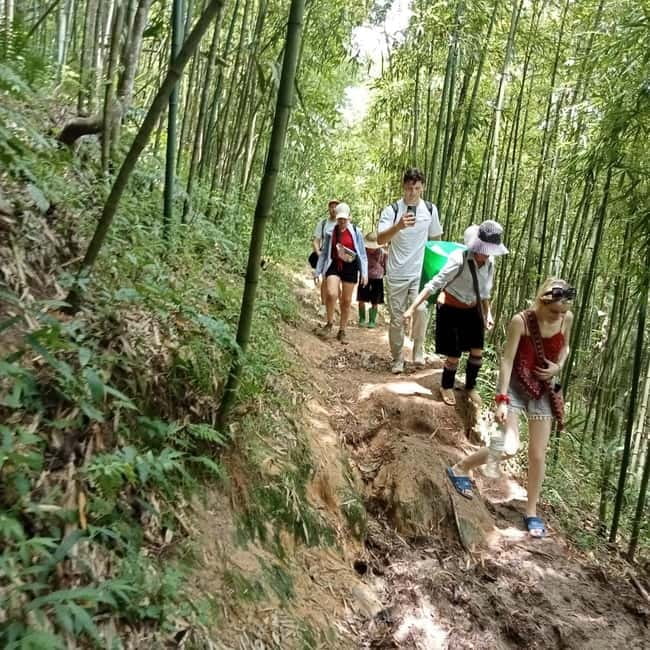
On safety and pace, the tour is clear that the hike can be challenging in wet weather. Expect muddy, dirty roads, and if it has been raining, some sections can be slippery. You can still do it, but your shoes and your patience matter. Think of it as “go slower, walk steadier,” not “try to power through.”
Also, keep your daypack habits simple. Luggage or large bags are not allowed. Plan for a small load, then you’ll move much more easily between paths, homestay spaces, and village lanes.
Packing and weather tips that prevent a miserable trek
This is a trekking trip in a northern mountain setting. That means weather can turn quickly, and temperature swings can surprise you.
What to bring
- Comfortable shoes you trust on mud
- Change of clothes
- Comfortable clothes for long hours on your feet
- Warm clothes if you’re going from October to March
- Sunscreen and insect repellent
For summer months, keep one extra point in mind from experience reports: the heat can make the trek harder than the distance suggests. If you go in hot season, bring water and something to cool down, like a fan or a spray bottle.
What to expect on the trail
You might also get locals following along the way to sell items they make. It helps to know this can happen. You do not have to buy anything. A simple polite no is usually enough, and it helps keep the vibe respectful and calm.
Who should book this trek, and who should skip it
This tour fits best if you:
- Like walking through villages and terraces, not only visiting viewpoints
- Want an included homestay experience with meals and a cooking class
- Are comfortable on uneven ground and can handle muddy trails
- Prefer a friendly group size over a large bus-style group
Skip it if you:
- Need step-free access or have mobility limitations
- Have back problems that make hills and uneven paths a bad idea
- Are pregnant
- Are traveling with children under 5 years old
- Are older than 70 or feel unsure about sustained trekking
The tour does not hide the fitness requirement, and I appreciate that. If you match the fitness level, you’ll enjoy the route more because you can focus on the scenery and people instead of managing discomfort.
So, should you book Sapa Homestay Hideaway 2-Day Local Life Adventure?
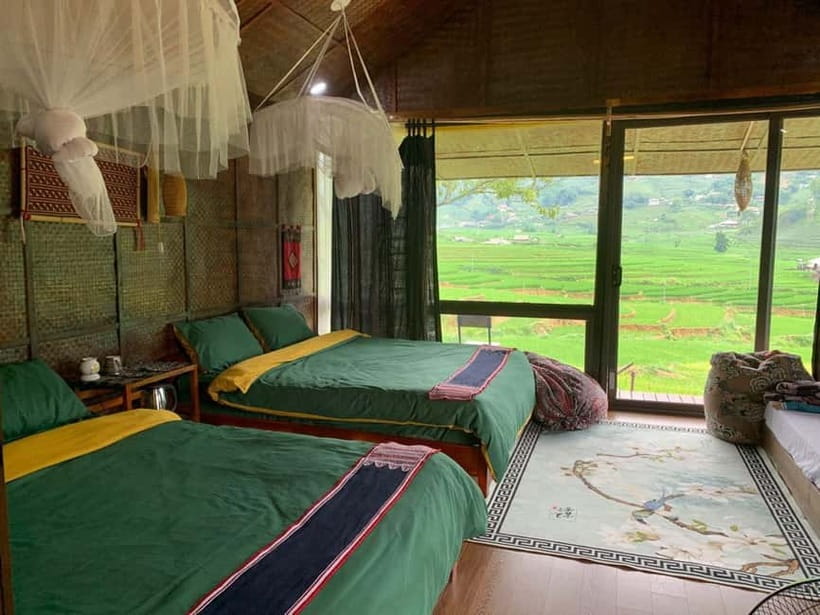
I’d book it if you want a real valley walk with village time and a homestay dinner and cooking class. The all-inclusive structure, plus the private room in Ta Van Village, makes it feel like good value for the amount of guidance and included meals you get.
I would not book it if you hate muddy trails, cannot do sustained walking, or need a fully accessible setup. This is not a luxury stay disguised as an easy tour.
If you’re in the right fitness band, and you pack smart shoes and plan for weather, this is the kind of Sapa experience that sticks: terraces in the daylight, village life at dusk, and a day that ends early enough that you still feel free the rest of your trip.
FAQ
Where does the tour pick up in Sapa town?
You’re picked up at hotels in Sapa town, or you can meet at Sapa Delta Hotel.
How long is the tour, and when do you finish on day 2?
It’s a 2-day, 1-night trek. On day 2, the tour ends around 1:30 to 2:00 pm.
What meals are included?
Breakfast is included on day 2, and you’ll have two lunches plus one dinner during the trip.
Is there a cooking class?
Yes. In Ta Van Village, you prepare for a cooking class at around 17:00.
Is the guide English-speaking?
Yes, the tour includes a local English tour guide.
How much trekking should I expect?
Day 1 includes about 10 km of walking. Day 2 includes about 4 km of walking, with a scenic trek to reach the Red Dao villages as part of the schedule.
Can I bring luggage or a large bag?
No. The tour does not allow luggage or large bags.
Is the homestay room private?
Yes. You spend the night in a private room at the homestay in Ta Van Village.
Are drinks included with meals?
No. Drinks in meals are not included.
Who should not book this tour?
It is not suitable for people with disabilities, wheelchair users, those with mobility impairments, people with back problems, pregnant women, children under 5, and people over 70.
New listings around Sa Pa
- Sapa: Private The Most Beautiful Terraced Fields Trekking★ 4.8 · 42 reviews
- Sapa: Trekking Sapa One Day With Group Tour★ 4.7 · 55 reviews
- Sapa3D2N TrekkingAdventures,Valleys,Bambooforest,Waterfall★ 4.8 · 24 reviews
- Sapa: Y Linh Ho – Lao Chai, and Ta Van Trekking Day Tour★ 5.0 · 25 reviews
- From Sapa: Guided Full-Day Trekking with Lunch and Drop-Off★ 4.2 · 86 reviews
- Sapa: Ta Phin Village Trek with Lunch and Bathing Experience★ 4.7 · 13 reviews
- Sapa Trekking Private Tour With Ethnic Female Tour Guide★ 4.9 · 24 reviews
- Sapa: Ta Phin Village Trek & Red Dao Herbal Bath★ 5.0 · 22 reviews
Sapa Trekking & Homestays, compared.
Sapa 2 Days 1 Night From Hanoi – Overnight in Ta Van Village
Read our review →

Muong Hoa Valley Trek and Local Ethnic Villages
Read our review →

Sapa 3 Days 2 Nights Trekking Tour (1 Night In Ta Van Village, 1 Night In Hotel)
Read our review →
Eco Adventure Terrace Fields and Local Villages Trek
Read our review →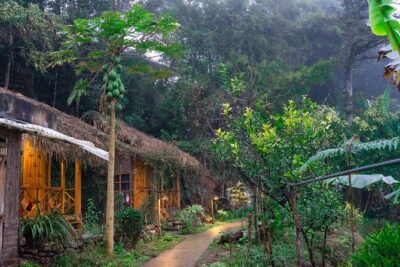
3-Day Trekking Adventure of Sapa from Hanoi – Stay Ta Van Village
Read our review →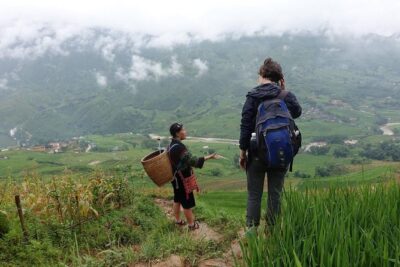
Number one top rated ethical cultural trekking and homestay by ETHOS
Read our review →Browse the lists this tour appears in