
Reviewed · SAPA TREKKING & HOMESTAYS
Sapa Silver Waterfall And O Quy Ho Pass Tour By Motorbike
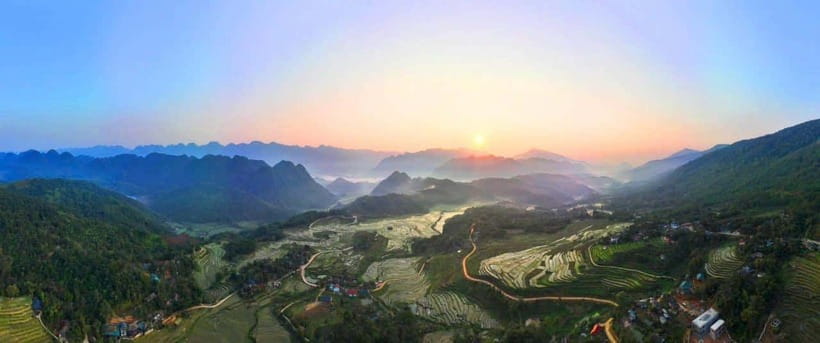
Two wheels, big mountain views, starting in Sapa. This motorbike day combines easy countryside riding with real photo moments, first at Silver Waterfall and later from the heights of O Quy Ho Pass. I love how the route mixes quiet nature with village life, not just scenic stops on a loop.
The biggest watch-out is the ride itself and the mountain weather. You will want warm clothing and comfortable shoes because Sapa is elevated and conditions can change fast, including itinerary tweaks if it rains.
That said, I also love the human touch here. Guides like Pang, Ms Mai, Mr Sàng, Zizi, Julie, Dzi, and Lan get repeated praise for safe driving and for answering questions about local farming and culture, even when the day is foggy.
In This Review
- Key highlights at a glance
- Riding out of Sapa: why this route works
- Silver Waterfall: a calm pause with real nature sounds
- O Long tea plantations and buffalo on the way to higher roads
- O Quy Ho Pass: panoramas that depend on the clouds
- Rain forest road to Ban Khoang and the Red Dao rice-cardamom system
- Ta Giang Phin Valley: quiet Hmong communities by the streams
- Safety, guide style, and why the driver ratings matter
- What the day costs, and what you actually get for it
- Who this tour fits best (and who should skip it)
- What to bring so you are comfortable all day
- Weather changes and how your day might shift
- Should you book the Sapa Silver Waterfall and O Quy Ho Pass tour?
- FAQ
- How much does the Sapa Silver Waterfall and O Quy Ho Pass tour cost?
- What is included in the tour price?
- What should I bring for this motorbike tour?
- Is smoking allowed during the tour?
- Who is the tour not suitable for?
- Do I get an English-speaking guide?
- What happens if it rains in Sapa?
Key highlights at a glance
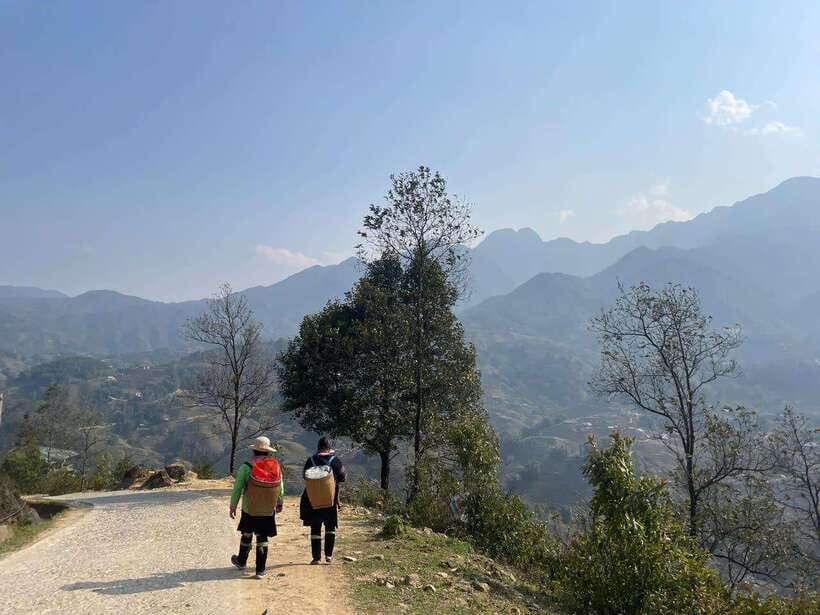
- Silver Waterfall stop: a calm break with birds and stream sounds, plus a chance to stretch your legs
- Tea, buffalo, and hillside farms: O Long tea plantations and grazing buffalo give you an instant feel for the valley economy
- O Quy Ho Pass views: panoramic outlooks from about 2,000 meters, with cloud cover on one side and sunlight on the other
- Ban Khoang with Red Dao terraces: rice and cardamom farming on stepped fields, with a real look at how families work
- Ta Giang Phin Valley for Hmong life: quiet streams, small farms, and slower village rhythms
- English-speaking guide support: you are not just driving through scenery, you are getting context along the way
Riding out of Sapa: why this route works
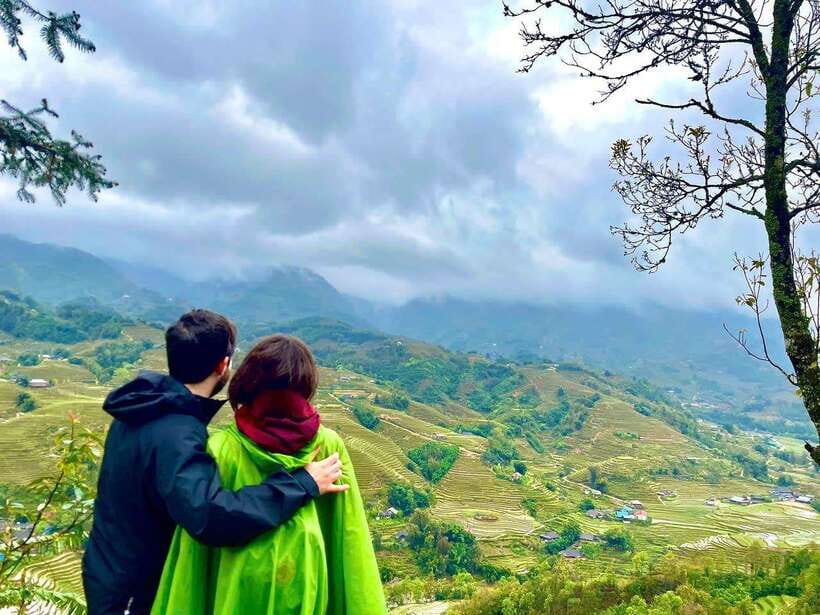
Sapa is a special base because everything is close and steep, and you can feel that right from pickup. The tour starts with pickup from your Sapa accommodation, then heads north into the countryside. In practice, that means you spend less time organizing transport and more time on the road where the views begin quickly.
As you leave town, you typically roll past flower and vegetable fields. On clear days, you can catch big-sky views of Fansipan, Indochina’s highest peak. Even when visibility is not perfect, the mountain morning still feels alive, and the ride keeps moving, so you are not stuck waiting for weather to cooperate.
For me, the biggest value early on is variety. You get farm country, then tea country, then waterfall country, then pass-country views. It is one day, but it changes its mood every couple of hours.
Practical note: this is a motorbike tour with guide and driver, so you do not have to deal with navigation. You still need to dress for a cold ride and bring the basics, because that higher altitude air can bite even on a day that starts bright.
More Sapa treks and homestays:
- Sa Pa: Muong Hoa Valley Trek and Local Ethnic Villages
★ 4.6 · 864 reviews - Sapa: Eco Adventure Terrace Fields and Local Villages Trek
★ 4.9 · 636 reviews - From Sapa: 1-Day Guided Trek to Lao Chai & Ta Van with Lunch
★ 4.9 · 416 reviews
Silver Waterfall: a calm pause with real nature sounds
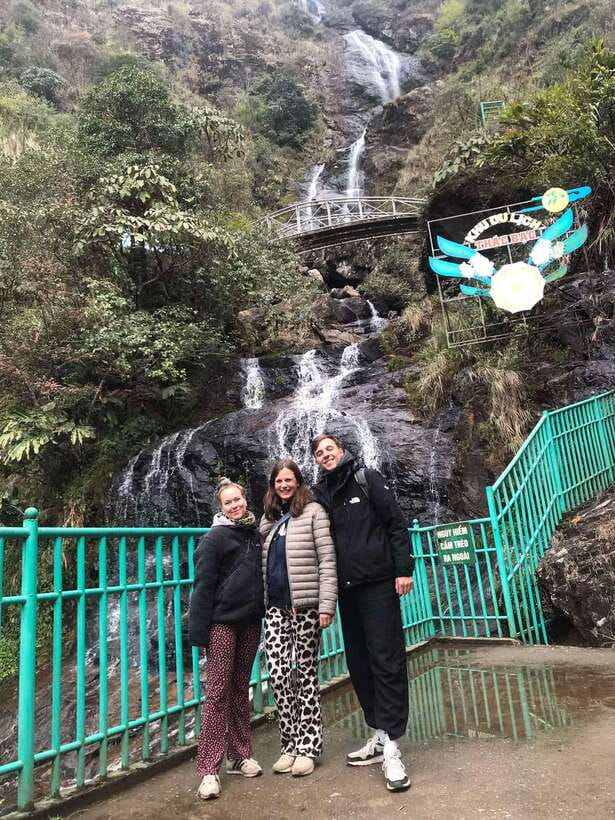
Silver Waterfall is the tour’s first anchor stop, and it is not just a quick photo dash. You arrive into lush surroundings where you can slow down and listen. The soundscape matters here, birds calling and streams running in the background, because it turns the day from “watch the scenery” into “experience the place.”
This is also a good moment to reset your legs. If you spent the morning riding through fields and tea rows, a waterfall stop gives you a change of tempo, plus more time to take photos without feeling rushed.
What to watch for: waterfalls can mean mist. You might want to keep your camera protected and be ready for damp air. If the day is foggy, you may get less dramatic wide views from surrounding areas, but the waterfall itself often still delivers because the focus is the water and the immediate greenery.
If you are sensitive to cold, this is another reason to wear layers. Even with a warm jacket, you can feel cooler in shaded areas near water.
O Long tea plantations and buffalo on the way to higher roads
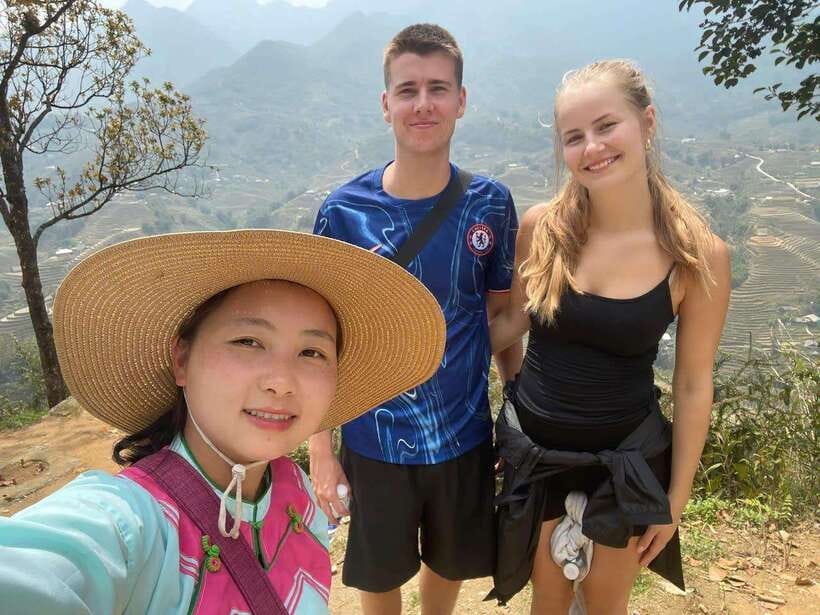
After Silver Waterfall, the tour keeps building momentum. The route takes you past O Long tea plantations, where the slopes are clearly shaped by farming. Tea country looks different from rice terraces or vegetable plots. The plants create repeating lines up the hillsides, and the whole area feels managed, like the landscape has been tuned for one crop.
Then you see buffalo and hillside farmers. These are not just background animals. They are part of a working system you can recognize at a glance. It helps you understand that the region is not only about scenery. People live here and farm here, often on steep ground where every day has its own challenges.
I like that this part of the ride is not overly scripted. You are moving, stopping when it makes sense, and still getting to watch the slow rhythm of farm life. It is the kind of travel that teaches you how to look.
Also, photo lovers get chances. One of the most repeated compliments from guides is that they plan stops well, so you can take pictures without feeling like you are sprinting to catch a moment.
O Quy Ho Pass: panoramas that depend on the clouds
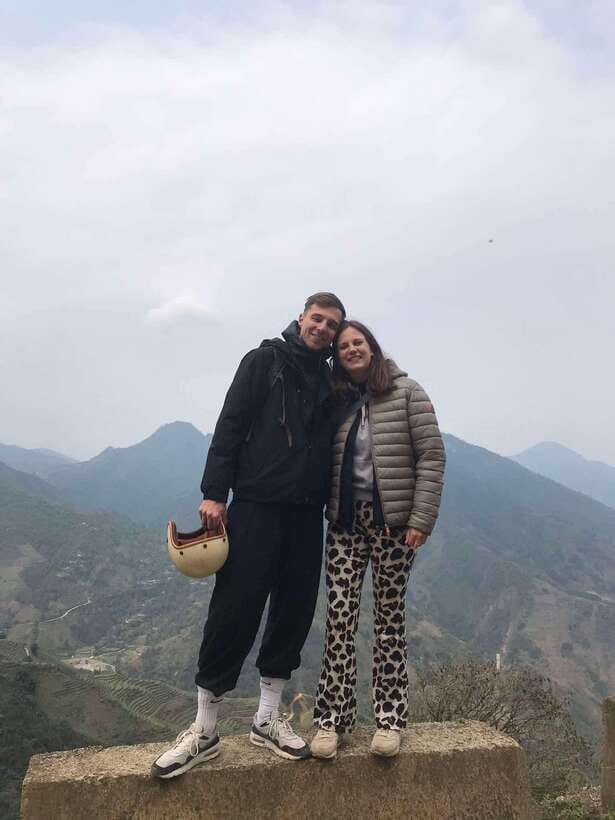
O Quy Ho Pass is the payoff for the uphill effort. The pass sits around 2,000 meters above sea level, and the viewing area can look like a split decision from the sky. You might see one side covered in clouds while the other side is brighter and sunlit.
That cloud contrast is not just pretty. It changes how the mountains look, and it makes the same viewpoint feel different minutes apart. If the weather is clear, you get a sharper sense of depth. If it is foggy, the mountains soften, and the drive itself becomes part of the experience.
The tour continues toward and over the pass with chances to capture scenic views. This is also a good stretch mentally. A big viewpoint gives you a sense of scale you simply do not get when you are only looking at village fields.
One more consideration: altitude air can be cooler on the pass. Keep your hat and warm layer accessible, and hold onto water so you stay comfortable.
More motorbike days out of Sa Pa:
- From Sapa: 3 Day Ha Giang Loop Motorbike Tour With Rider
★ 4.9 · 209 reviews - Sapa: Motorbike Tour 1 Day Visit Waterfalls & Local Villages
★ 5.0 · 112 reviews - Sapa: Local Exploration on a Guided Motorbike Tour
★ 4.2 · 37 reviews - Sapa: 3-Day Ha Giang Loop Motorbike Tour
★ 4.9 · 34 reviews
Rain forest road to Ban Khoang and the Red Dao rice-cardamom system
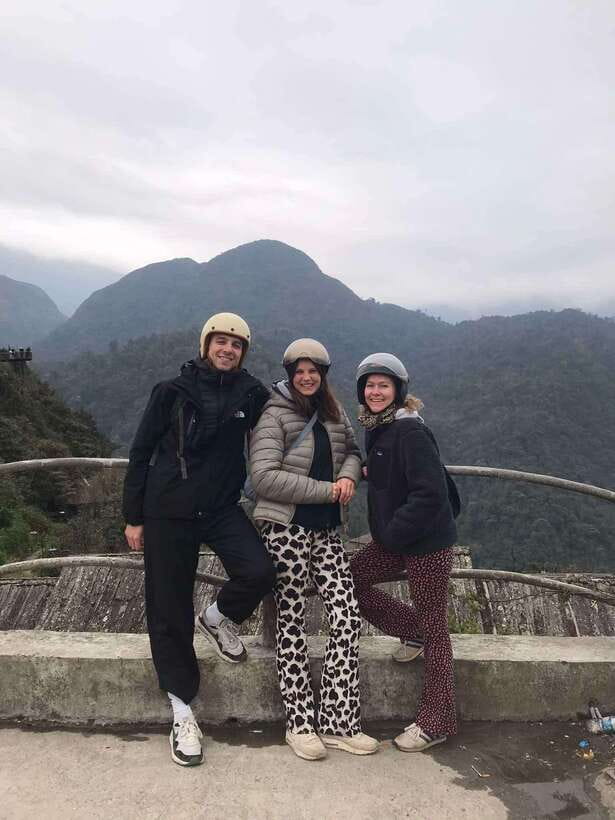
After the pass, the route shifts into a rain forest area as you travel toward Ban Khoang. This change in vegetation is noticeable. The air feels different, and the road feels less like open farming and more like green cover.
Ban Khoang is where you slow down for village context, meeting the Red Dao community. Here you see rice and cardamom farming on terraced slopes. Those terraces matter. They show you how families adapt to steep land, turning it into usable growing space. Cardamom especially stands out because it is not the first crop many people expect in this part of Vietnam, so it adds a layer of surprise to the day.
If you enjoy cultural travel that goes beyond quick snapshots, Ban Khoang is a strong reason to book. You are not just passing through a village sign. You are observing agricultural work that supports daily life.
What to keep in mind: as with any village visit, be respectful with your time and attention. Keep your movements considerate, and if you are unsure how to photograph people, ask your English-speaking guide for the best and most respectful approach.
Ta Giang Phin Valley: quiet Hmong communities by the streams
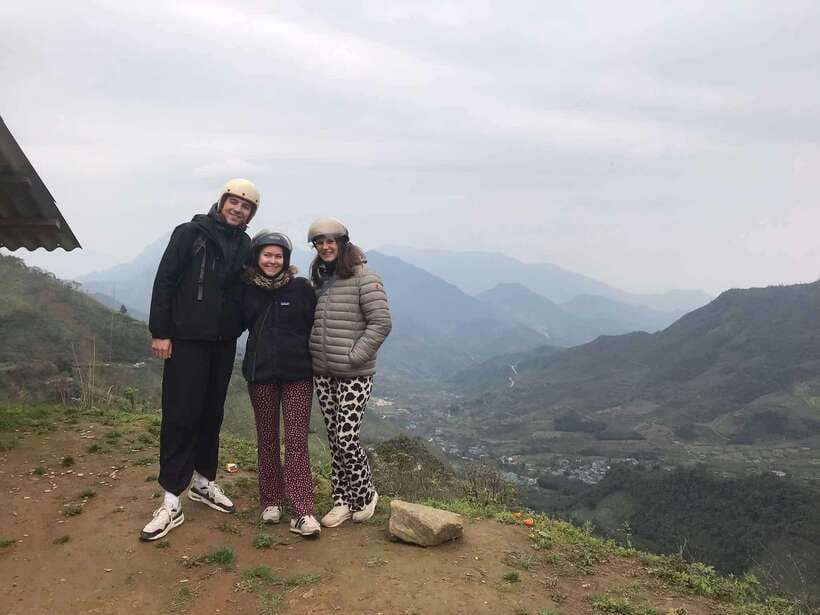
The final cultural stretch leans quieter. You continue to Ta Giang Phin Valley, a peaceful area where Hmong communities live along streams. This is a slower-feeling part of the day. Instead of chasing big views, you watch the smaller details of farm life and water channels that keep everything going.
The Hmong presence here is tied to everyday work and farming activities. You might see fields and working areas that feel less tourist-like, which is exactly why this stop is valuable. It gives you a break from the “top-of-the-pass” intensity and lets you see village rhythms from a gentler angle.
This valley stop also helps you connect the dots. Earlier you saw tea slopes, then terraced rice and cardamom fields, then the pass views. Ta Giang Phin ties those themes together by showing how communities use water and farming to live well in a mountainous setting.
If you are traveling with someone who prefers calmer moments, this is the part that usually lands best. It is not just about images. It feels like breathing space.
Safety, guide style, and why the driver ratings matter
One thing that keeps coming up in the overall feedback is safety and driving skill. Names like Pang, Ms Mai, Mr Sàng, Julie, Zi, and Lan appear in standout comments, and the common thread is that the guides and drivers handle the mountain roads confidently.
That matters because this is a full motorbike day through steep, winding areas. Your comfort depends on how smoothly the driver manages turns, traffic, and weather changes. The praise for safe, careful riding is not a small detail, it is central to the value of choosing this tour.
Also, I like that guides are described as passionate about local culture and quick to answer questions. That turns the day from “sit and look” into “learn something while you look.” Even on foggy days, Zizi and others are mentioned as helpful, which is reassuring if you are going to travel without perfect weather.
What the day costs, and what you actually get for it
The price is $50 per person. At face value, it is not “just transport,” because the tour includes several useful items: hotel pickup and drop-off, transportation, an English-speaking guide, and the waterfall ticket entrance.
So you are paying for a guided route plus access. In places like Sapa, the value often comes from not having to coordinate separate tickets and rides. One booked tour is simpler, especially if you are not comfortable booking and driving around on your own.
If your priority is a one-day hit of multiple Sapa highlights, this is a strong deal. You get a waterfall, a major pass viewpoint, and two village areas connected by a scenic ride through tea and farming country.
If your priority is only one major attraction, it might feel like “more than you need.” But based on how varied the day is, most people seem to like that the tour gives them different types of scenery and culture rather than repeating the same thing three times.
Who this tour fits best (and who should skip it)
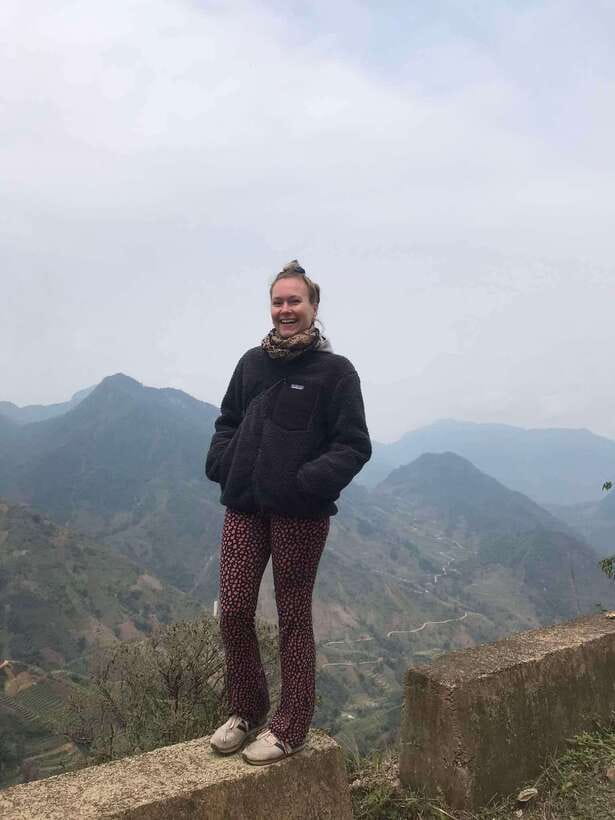
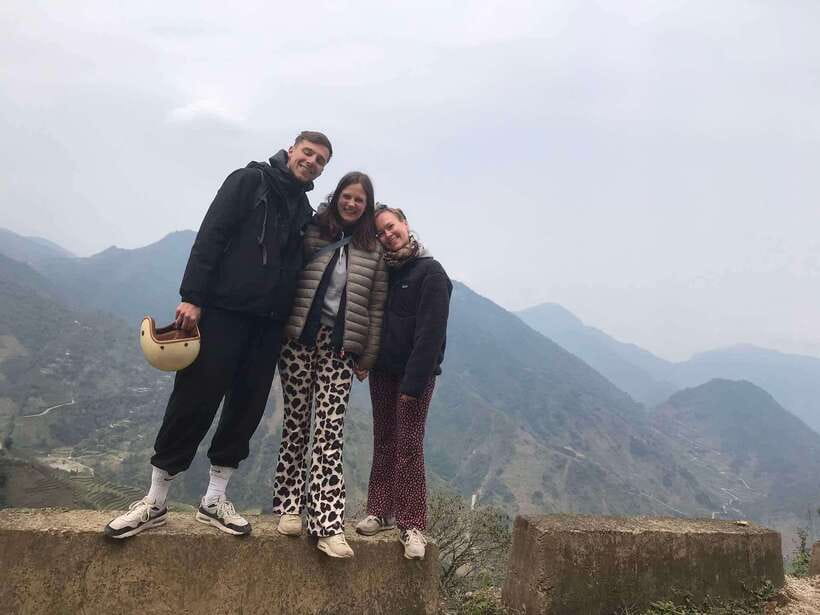
This is a great fit if you want active sightseeing without the hassle of planning stops alone. It works especially well for:
- People who like scenic drives with photo breaks
- Travelers who enjoy village agriculture and want context from an English-speaking guide
- Anyone comfortable with a motorbike ride on mountainous roads
It is not suitable for pregnant women, people with back problems, or wheelchair users. If you have any mobility or comfort concerns, do not ignore the warning. A long day of riding can be hard even when the driver is excellent.
Also, the tour asks you to avoid smoking. That is just a quality-of-life rule that keeps the ride cleaner and more comfortable.
What to bring so you are comfortable all day
Pack like you are dressing for cool air and a full outdoor day. The basics listed are:
- Comfortable shoes
- Warm clothing
- Hat
- Camera
- Sunscreen
- Water
I also recommend bringing a light rain layer if you run warm indoors but feel cold outside. The itinerary may change if it rains to keep you safe, and in Sapa, weather can shift quickly because it is a mountain town.
Camera planning is worth it. You will see tea slopes, village terraces, and pass panoramas. If fog rolls in, you may still want your camera for close-ups and soft-mountain views, but keep your settings flexible and do not miss opportunities right near stops.
Weather changes and how your day might shift
Sapa sits on a mountain, so conditions can be unpredictable. The tour specifically notes that the itinerary could be changed if it’s raining to keep you safe. That means you should expect your guide to make route decisions based on road and weather.
In practical terms, that could mean fewer or different photo stops, or time adjusted around visibility. But the intent is clear: safety first. And if your day starts foggy, it is still possible to have a good experience. Guides are praised for staying helpful in less-than-ideal weather, which suggests they know how to keep the day meaningful even when the view is muted.
Should you book the Sapa Silver Waterfall and O Quy Ho Pass tour?
If you want a full day that mixes waterfall calm, tea countryside riding, pass panoramas, and two village viewpoints with farming context, I think you should book. The price is reasonable for what is included: pickup and drop-off, transport, an English-speaking guide, and the waterfall ticket.
I would especially recommend it if you value safety and clear stop planning. Multiple guide and driver names come up with praise for careful riding and for making the stops work for photos and timing.
Skip it if you cannot handle motorbike riding comfort-wise, or if you are not prepared for mountain weather and cooler air. Also, if you only care about one attraction, you might find the day feels like a lot.
If you decide to go, wear warm layers, bring water, and trust your guide’s judgment if the weather turns. That combination is usually what makes this kind of day genuinely enjoyable, not stressful.
FAQ
How much does the Sapa Silver Waterfall and O Quy Ho Pass tour cost?
It costs $50 per person.
What is included in the tour price?
Hotel pickup and drop-off, transportation, an English-speaking tour guide, and waterfall ticket entrance are included.
What should I bring for this motorbike tour?
Bring comfortable shoes, warm clothing, a hat, a camera, sunscreen, and water.
Is smoking allowed during the tour?
No, smoking is not allowed.
Who is the tour not suitable for?
It is not suitable for pregnant women, people with back problems, and wheelchair users.
Do I get an English-speaking guide?
Yes, the tour includes an English-speaking tour guide.
What happens if it rains in Sapa?
The itinerary could be changed if it’s raining to keep you safe, since Sapa is on a mountain.
New listings around Sa Pa
- Sapa: Private The Most Beautiful Terraced Fields Trekking★ 4.8 · 42 reviews
- Sapa: Trekking Sapa One Day With Group Tour★ 4.7 · 55 reviews
- Sapa3D2N TrekkingAdventures,Valleys,Bambooforest,Waterfall★ 4.8 · 24 reviews
- Sapa: Y Linh Ho – Lao Chai, and Ta Van Trekking Day Tour★ 5.0 · 25 reviews
- From Sapa: Guided Full-Day Trekking with Lunch and Drop-Off★ 4.2 · 86 reviews
- Sapa: Ta Phin Village Trek with Lunch and Bathing Experience★ 4.7 · 13 reviews
- Sapa Trekking Private Tour With Ethnic Female Tour Guide★ 4.9 · 24 reviews
- Sapa: Ta Phin Village Trek & Red Dao Herbal Bath★ 5.0 · 22 reviews
Sapa Trekking & Homestays, compared.
Sapa 2 Days 1 Night From Hanoi – Overnight in Ta Van Village
Read our review →
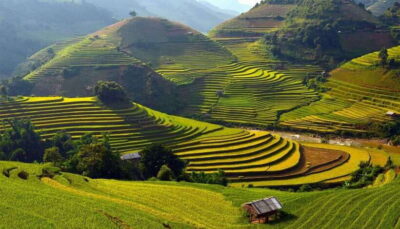
Muong Hoa Valley Trek and Local Ethnic Villages
Read our review →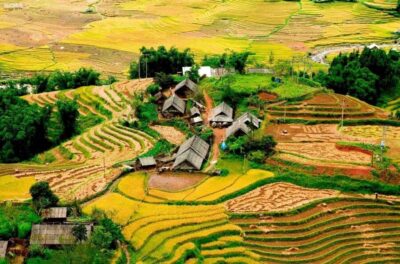

Sapa 3 Days 2 Nights Trekking Tour (1 Night In Ta Van Village, 1 Night In Hotel)
Read our review →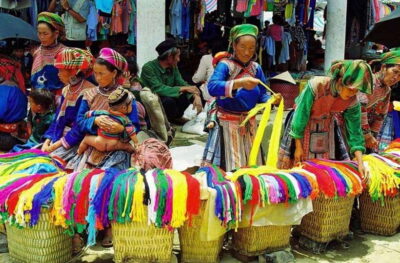
Eco Adventure Terrace Fields and Local Villages Trek
Read our review →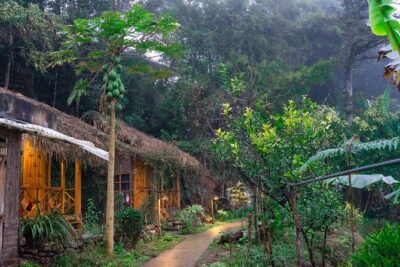
3-Day Trekking Adventure of Sapa from Hanoi – Stay Ta Van Village
Read our review →
Number one top rated ethical cultural trekking and homestay by ETHOS
Read our review →Browse the lists this tour appears in