
Reviewed · SAPA TREKKING & HOMESTAYS
From Sapa:Cable Car Ticket To Fansipan Legend & Car Transfer
Fansipan feels like a misty pilgrimage with real views. This full-day trip pairs private car transfer from Sapa center with the long cable car ride to Sapa’s Roof of Indochina, then keeps you moving through major spiritual sites and scenic stops. I like the convenience of having your transport and entrance ticket bundled. I also like that the schedule covers both big-name landmarks and quieter hillside moments, so you do not spend the day just waiting.
The main trade-off is that you go without a tour guide included, so you may need to be a bit more self-directed inside the complex. Also, at this altitude, weather can swing fast, with fog and cold often showing up in cooler months.
In This Review
- Key Highlights to Know Before You Go
- Fansipan’s Big Idea: One Mountain, Many Worlds
- Price and What You Actually Get for $96
- Private Transfer From Sapa Center, Then the Long Cable Car
- Checking In at Fansipan Peak and Timing for Better Photos
- Guanyin, Zen Monasteries, and Paths With Names You Will Remember
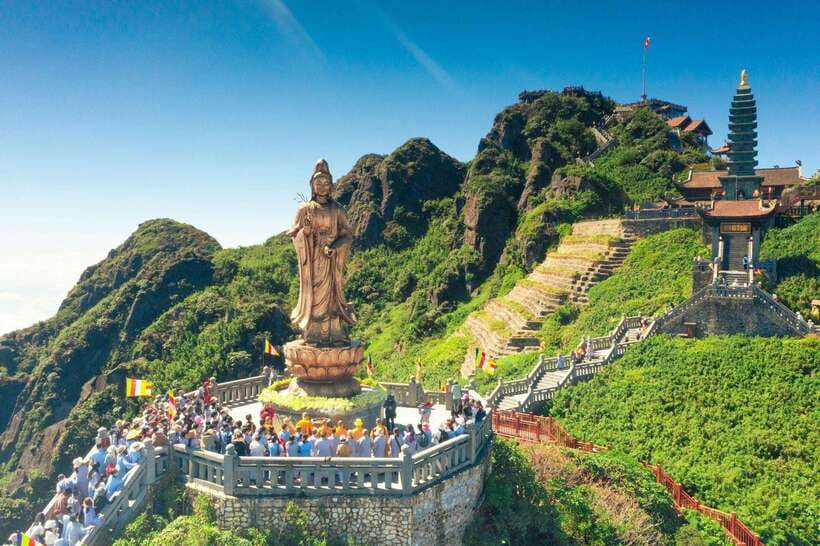
- Guanyin Statue, the 12m bronze presence
- Bao An Zen Monastery at about 1,604m
- Thanh Van’s Enlight Path and then Bich Van Zen Monastery
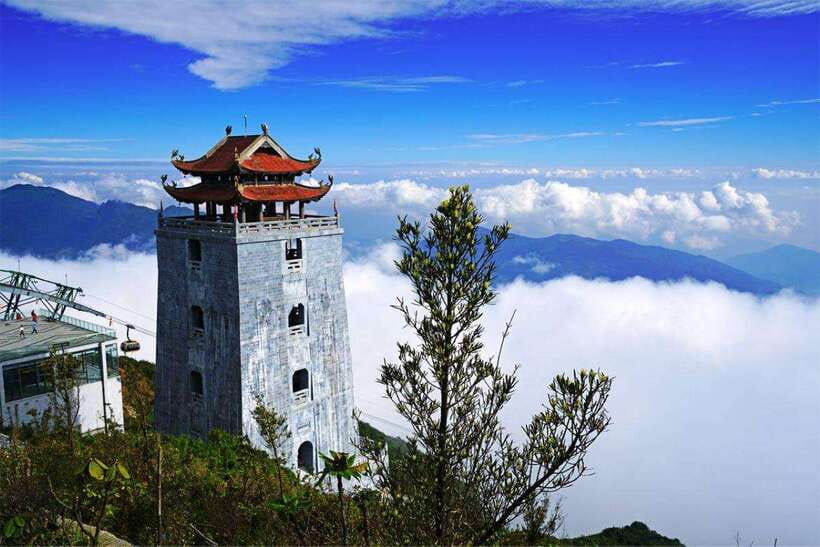
- The Grand Belfry, five stories and bronze bells
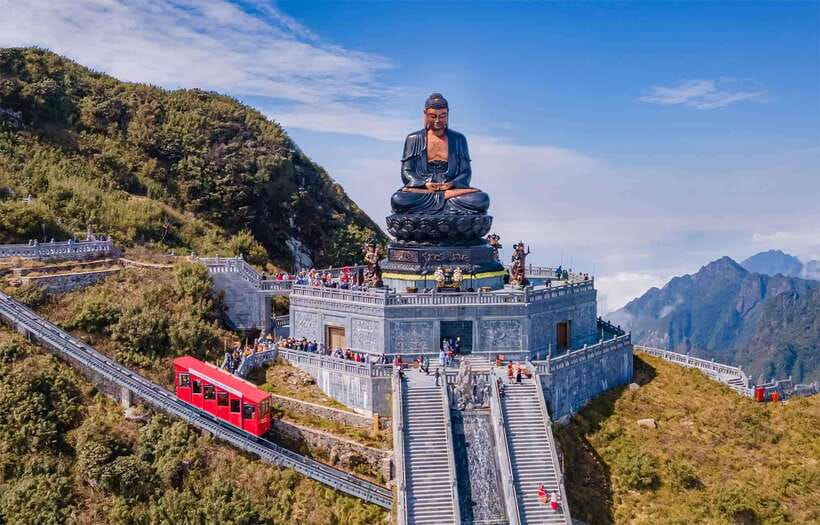
- Great Buddha Statue, over 21m tall
- The Stupa and Alahat Path
- Mountain God Shrine and Kim Son Bao Thang Pagoda
- The 9 Storey Waterfall and Scenic Breaks on the Way
- Navigating Without a Guide: What to Do So You Do Not Get Lost
- Weather at Altitude: Cold, Fog, and What to Wear
- Value Verdict: Convenience vs. Extra Costs
- Who This Trip Suits Best
- Should You Book This Fansipan Day Trip?
- FAQ
- FAQ
- What is the location of this Fansipan experience?
- How long does the trip take?
- What is included in the ticket and transport?
- Is a tour guide included?
- What major sites are visited?
- What is not included?
- How do tickets work for children and height?
- What should I bring for the day?
- Is cash needed in Sapa?
- Can I cancel or pay later?
Key Highlights to Know Before You Go
- Private pickup and drop-off keeps the day simple, especially if you hate negotiating rides in Sapa
- Round-trip cable car cuts the grind and gives panoramic windows over forests, terraces, and waterfalls
- Icon stops include the 12m Guanyin statue and the Great Buddha statue over 21m tall
- Tran Dynasty themed sites show up repeatedly in the pagodas and monasteries you visit
- 9 Storey Waterfall and the route paths add variety beyond statues alone
- No guide included means you should confirm your meeting points and follow signs carefully
Fansipan’s Big Idea: One Mountain, Many Worlds
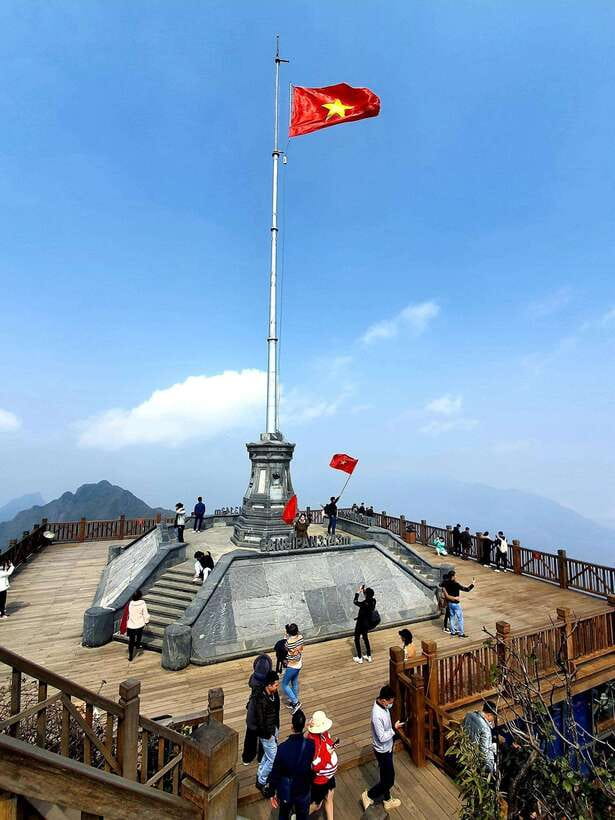
Fansipan is Vietnam’s highest mountain at 3,143m, famous as the Roof of Indochina. The appeal here is not only the elevation, it is the experience of going from Sapa’s town energy to a full spiritual and architectural complex near the peak.
This trip is built like a walking circuit once you reach the top areas. You are moving through bronze statues, monastery buildings, pagodas, and shrines, with nature scenery threaded between stops. If you like trips where you get both views and culture without planning, this works well.
The mountain is also known for mood. Even when visibility is not perfect, the fog gives the place a different feel, and the scale of the statues still lands. That said, clear views are what most people come for, so you will want to dress and plan with weather in mind.
More Sapa treks and homestays:
- Sa Pa: Muong Hoa Valley Trek and Local Ethnic Villages
★ 4.6 · 864 reviews - Sapa: Eco Adventure Terrace Fields and Local Villages Trek
★ 4.9 · 636 reviews - From Sapa: 1-Day Guided Trek to Lao Chai & Ta Van with Lunch
★ 4.9 · 416 reviews
Price and What You Actually Get for $96
At $96 per person, the value is in what is bundled, not just the mountain ticket. Your package includes the Fansipan ticket, round-trip cable car, and private transfer from your hotel in Sapa center to the Fansipan station, then back again.
You also get access to a long list of key sites during your time up top, including:
- Guanyin Statue
- Bao An Zen Monastery
- The Enlight Path Of Thanh Van
- Bich Van Zen Monastery
- The Grand Belfry
- The Great Buddha Statue
- 9 Storey Waterfall
- The Stupa, Alahat Path
- Mountain God Shrine
- Kim Son Bao Thang Pagoda
Two items are not included. A tour guide costs extra if you want one, and lunch is extra if you plan on a buffet. If you like having someone explain what you are seeing, paying for a guide may be worth it on a day like this, especially when signage can feel overwhelming.
One more practical point: tickets are based on height, and you should contact the operator if you need specifics for your child. That matters if you are traveling with kids close to the cutoff ranges.
Private Transfer From Sapa Center, Then the Long Cable Car
Your day starts with private pickup from your hotel in the Sapa center. After that, you head to Fansipan’s station for your cable car ride, then you return the same way at the end.
The trip time is listed as 9 hours, but it is still smart to think in ranges. Cable car waiting times and weather can stretch things. If the day is misty, you may slow down for photos, and if visibility is good, you may speed up between stops to catch the best light.
What I like about the cable car portion is the built-in scenery. The ride is described as one of the longest routes in Vietnam, and it is set up for sweeping looks at mountains, rice terrace fields, dense forests, and cascading waterfalls.
For most people, the cable car is the stress saver. You avoid the hardest part of this mountain day, which is the steep physical effort. You also arrive at the complex feeling like you still have energy to walk and explore.
Checking In at Fansipan Peak and Timing for Better Photos
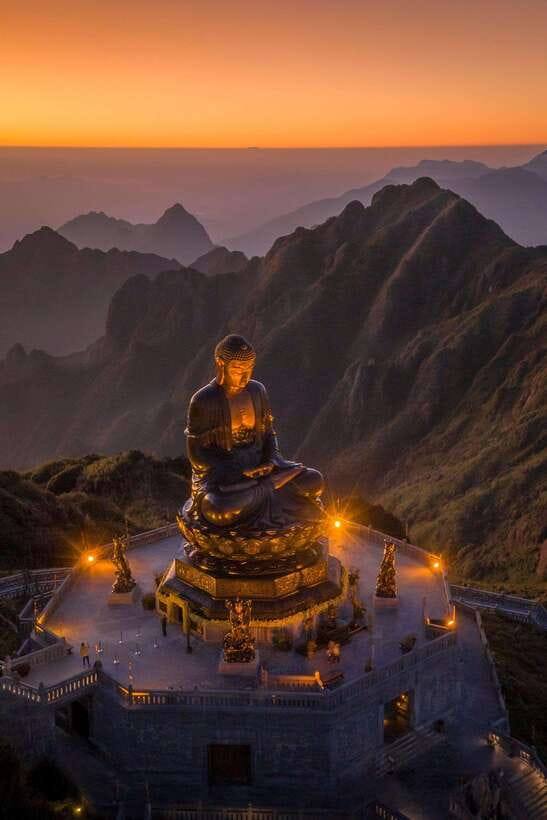
Once you reach the check-in areas on Fansipan Peak, you get access to the main complex and its signature sights. This is where you will notice how quickly the temperature drops compared to Sapa town.
The advice that matters most: bring layers and plan for cold hands and stiff fingers. The day can be clear, or it can be foggy, especially in December, January, February, and March. September through March is described as normally cold, and the weather is unpredictable.
If you want photos, aim to do your first major photo stops early in your time up top, before the weather changes. When fog rolls in, you can still enjoy the architecture, but distant views will be limited. In those conditions, the statues and close-up details become the main focus.
Sunglasses and a sun hat still matter even in cooler weather. Light can change quickly on the mountain, and you do not want glare or windburn to ruin the day.
More Sa Pa plans to weigh
- Hanoi: Water Puppet Show Tickets
★ 4.6 · 7,029 reviews - Hanoi: Water Puppet Show Ticket with Hotel Delivery Add-On
★ 4.5 · 1,554 reviews - Hoi An Memories Show & Hoi An Impression Theme Park Ticket
★ 4.7 · 1,146 reviews - Hanoi: Thang Long Water Puppet Show Ticket – Skip The Line
★ 4.6 · 836 reviews
Guanyin, Zen Monasteries, and Paths With Names You Will Remember
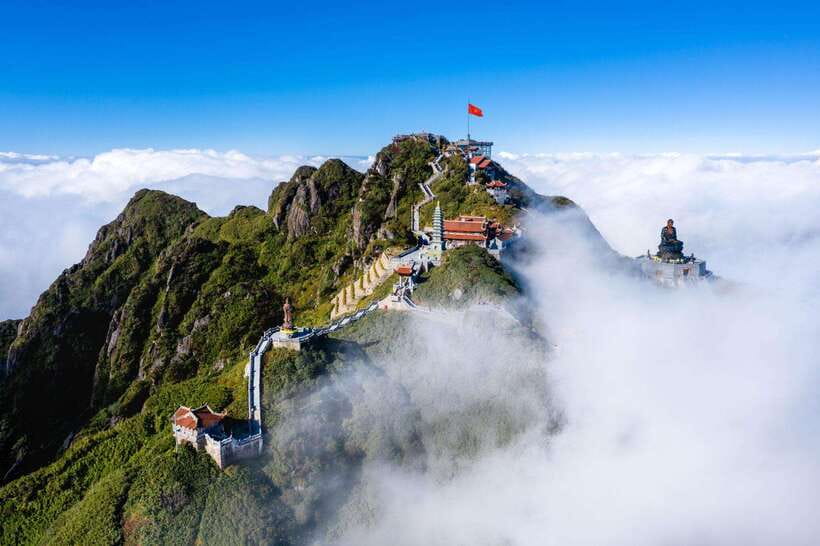
This is where the trip becomes more than a cable car ride. You are visiting spiritual landmarks with very specific design features and heights, which helps you understand why each stop is important.
Guanyin Statue, the 12m bronze presence
The Guanyin Statue is cast of bronze, rises 12m, and weighs 18 tons. Her eyes face east, holding a willow branch on her right and a sacred vase on her left, symbols tied to benevolence and kindness.
Even if you are not a religious traveler, the scale helps you appreciate the place. You feel how the complex was designed to give you big, direct focal points that you can recognize from far away.
Bao An Zen Monastery at about 1,604m
Bao An Zen Monastery, also known as Trinh Pagoda, sits around 1,604m and is described as the first stop for visitors before you move deeper into the Fansipan pilgrimage route.
This stop sets the tone. It is not just a photo spot, it functions like an orientation point where you shift from travel mode to exploration mode.
Thanh Van’s Enlight Path and then Bich Van Zen Monastery
You will pass The Enlight Path Of Thanh Van, then continue to Bich Van Zen Monastery. Bich Van is placed at about 3,037m, and it sits against a misty grey sky when weather cooperates.
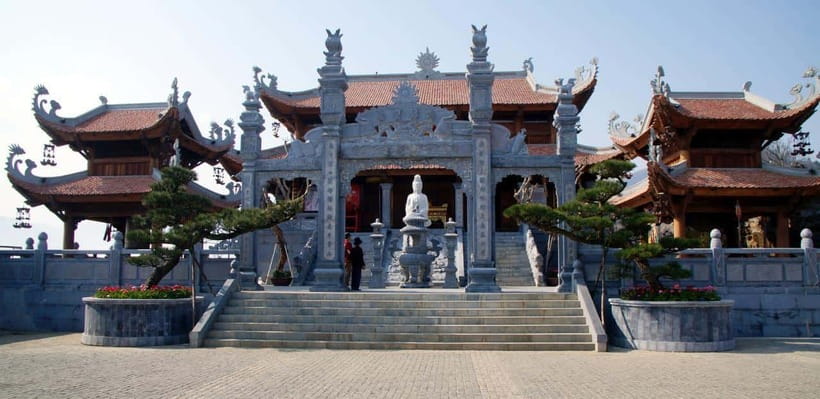
The monastery is symmetrically flanked by Saint Tran Hung Dao Temple and the Three Holy Mothers Temple. Their roof lines and decorative patterns show influence from the Tran Dynasty, so you start seeing Vietnamese history echoes inside the religious design.
The Grand Belfry, five stories and bronze bells
The Grand Belfry is five stories tall and rises 32.8m. Four stories are built of rock, and the upper one is modeled after a traditional two-compartment, eight-roof pavilion style.
Each storey hosts a bronze bell, cast after an original bell from the Tran Dynasty era dating back to the 13th and 14th centuries. It is the kind of detail that makes you slow down, even if you only know a little about the era.
Great Buddha Statue, over 21m tall
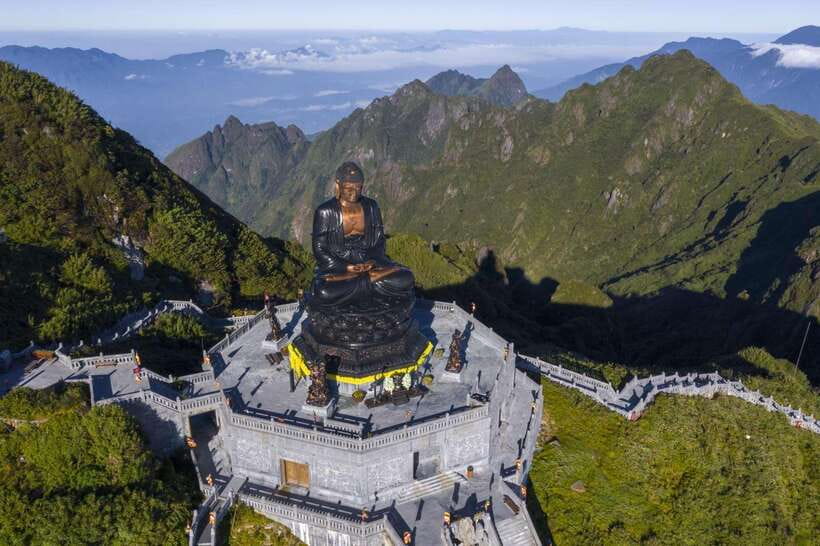
The Great Buddha Statue is described as the highest seated bronze Buddha statue in Vietnam. It rises 21.5m and is cast of over 50 tons of copper, with three stories in the structure. The upper storey is the copper Great Buddha Statue sitting on an 8m-tall lotus pedestal.
If you like landmark objects, this is one of your best anchors for the whole day. It is also a great choice for a foggy day because it is close, massive, and visually dominant.
The Stupa and Alahat Path
The Stupa rises 11 stories with stone cladding and a lotus-shaped copper finial. It is described as reminiscent of iconic Northern delta structures, which gives the architecture a broader regional connection.
You then move along the Alahat Path, which is part of the walking flow between the major sites. Paths like this may not sound exciting, but they are what prevent the day from feeling like a checklist of statues.
Mountain God Shrine and Kim Son Bao Thang Pagoda
The Mountain God Shrine is another stop that reinforces the local spiritual blend tied to the mountain itself.
Then you reach Kim Son Bao Thang Pagoda at about 3,091m. It is modeled after Tran Dynasty architecture and includes the Three Treasures Hall, the Ancestral Hall, and two corridor wings. Against the backdrop of Fansipan, it is designed to feel peaceful and ceremonial.
By the time you get here, you have built enough context to understand why the trip takes most of the day. You are not just seeing objects. You are moving through a staged sequence of meanings.
The 9 Storey Waterfall and Scenic Breaks on the Way
A big reason this works for many people is variety. You are not stuck on flat, temple-only ground.
The itinerary includes 9 Storey Waterfall, plus scenic elements like rice views, bamboo forest areas, and mountain views that appear along the route. If the fog blocks long distances, you can still enjoy the layered feel of the waterfall and the textures around you.
I recommend taking short breaks on the scenic portions rather than rushing. If you are cold, a quick pause helps you warm back up and keep your pace steady.
Navigating Without a Guide: What to Do So You Do Not Get Lost
A tour guide is not included by default. That can be fine if you enjoy self-guided sightseeing and you are comfortable following signage.
But for a complex day like Fansipan, you should bring a simple plan:
- Confirm where you check in and where you meet for the cable car ride back
- Keep your QR code accessible for ticket verification
- Take a screenshot of your pickup and drop-off details
The day’s list of stops is long, and the complex covers a lot of ground. If you prefer someone to explain symbols or keep you on track, you can request a guide with a surcharge. If you do not, you might find yourself skipping something if you miss a turn.
Also, assume your time can compress. The cable car waiting line plus your walk time can make the day feel shorter if conditions are easy, or longer if weather and crowds slow you down.
Weather at Altitude: Cold, Fog, and What to Wear
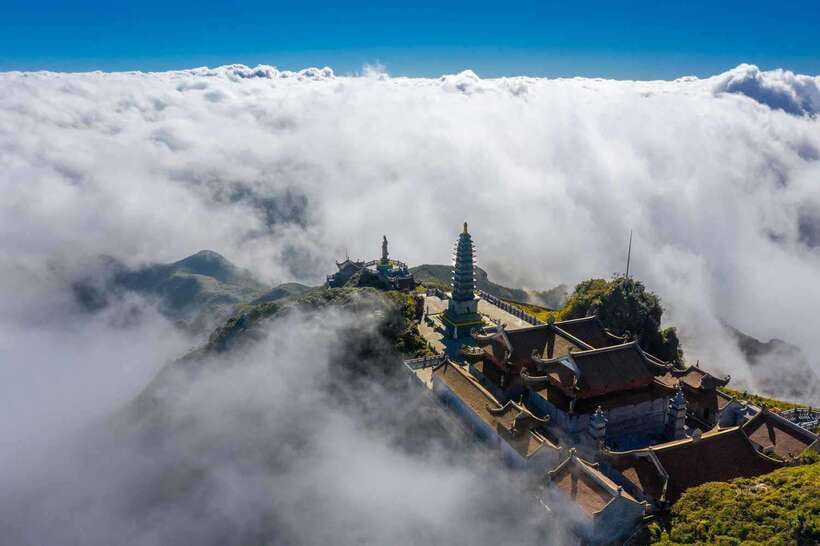
This is one part where preparation is not optional. It is normally cold in September through March, and fog can roll in during December, January, February, and March.
So what should you actually do with that info? Wear warm clothing and bring warm shoes. Add sunscreen and sunglasses to your checklist because you will still get bright conditions when the clouds thin out.
If your camera battery dies quickly in cold weather, you are not alone. Keep spares warm inside your pocket. If you like clear photos, aim for the best visibility window you can find, usually earlier in your time up top.
And keep expectations realistic. When fog is heavy, the mountain views will be limited, but the sculptures and close architectural details can still make the visit feel complete.
Value Verdict: Convenience vs. Extra Costs
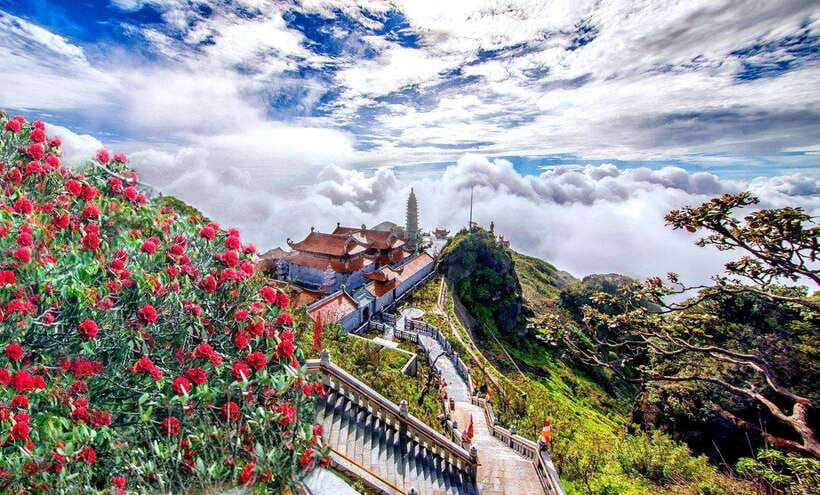
This package is strongest when you want less hassle. Private pickup and drop-off plus round-trip cable car plus entrance access means you spend less time coordinating rides and tickets.
Your extra costs are the things you might add anyway:
- A tour guide if you want interpretation and better direction
- Lunch if you want a buffet
If you are traveling with limited time, the big question is whether you enjoy self-guided navigation. If you do, you can likely enjoy everything on your own pace. If you want someone to keep you on track and explain the symbols, budget for the guide option.
I also like that the complex visits multiple major named sites in one go. If you tried to assemble this day by yourself from scratch, you would spend time piecing things together, especially with ticket and cable car timing.
Who This Trip Suits Best
This is a good fit if you:
- Want easy logistics with private hotel transfer
- Want a cable car day plus cultural stops, not a hike-only outing
- Like seeing major statues and pagodas with clear design themes
- Prefer to stay near Sapa center and avoid complicated transport planning
It might be less ideal if you:
- Want maximum budget savings and plan to DIY everything
- Hate slow walking between many stops
- Expect perfect visibility every moment of the day
Should You Book This Fansipan Day Trip?
Book it if you want a structured, convenient way to reach Fansipan and you like the idea of visiting a set of major spiritual landmarks plus scenic breaks, all in one trip. The cable car plus private transfer is the main reason this package feels worth it.
Skip it or add a guide if you know you need more direction. With no tour guide included, your enjoyment depends on how comfortable you are navigating the complex and managing your time around cable car schedules.
If you are traveling during winter fog season, pack extra layers and plan for less visibility. You can still enjoy the architecture, but come with a flexible photo plan.
FAQ
FAQ
What is the location of this Fansipan experience?
It takes place at Dong Bac, Vietnam, connecting Sapa center to Fansipan’s station and the peak check-in area.
How long does the trip take?
The duration is listed as 9 hours, with starting times depending on availability.
What is included in the ticket and transport?
You get the Fansipan ticket, round-trip cable car ride, and private car transfer from your hotel in the Sapa center to Fansipan’s station, plus drop-off back to your hotel.
Is a tour guide included?
No, a tour guide is not included. You can contact the operator to request one, and there is a surcharge.
What major sites are visited?
The included stops are Guanyin Statue, Bao An Zen Monastery, The Enlight Path Of Thanh Van, Bich Van Zen Monastery, The Grand Belfry, The Great Buddha Statue, 9 Storey Waterfall, The Stupa, Alahat Path, Mountain God Shrine, and Kim Son Bao Thang Pagoda.
What is not included?
Lunch is not included (buffet lunch has a surcharge). Muong Hoa Train tickets are also not included.
How do tickets work for children and height?
Tickets are based on height. Children 140cm and above are charged adult rates. Children 100 to 140cm are charged child rates. Children 99cm and below enter free.
What should I bring for the day?
Bring warm clothing, warm shoes, sunglasses, a sun hat, and sunscreen. The mountain can be cold, especially in September through March.
Is cash needed in Sapa?
You should take cash in Vietnam Dong, since banking in Sapa can sometimes be unreliable. US dollars and euros are accepted in Sapa.
Can I cancel or pay later?
It offers free cancellation up to 24 hours in advance for a full refund, and it also offers reserve now, pay later.
New listings around Sa Pa
- Sapa: Private The Most Beautiful Terraced Fields Trekking★ 4.8 · 42 reviews
- Sapa: Trekking Sapa One Day With Group Tour★ 4.7 · 55 reviews
- Sapa3D2N TrekkingAdventures,Valleys,Bambooforest,Waterfall★ 4.8 · 24 reviews
- Sapa: Y Linh Ho – Lao Chai, and Ta Van Trekking Day Tour★ 5.0 · 25 reviews
- From Sapa: Guided Full-Day Trekking with Lunch and Drop-Off★ 4.2 · 86 reviews
- Sapa: Ta Phin Village Trek with Lunch and Bathing Experience★ 4.7 · 13 reviews
- Sapa Trekking Private Tour With Ethnic Female Tour Guide★ 4.9 · 24 reviews
- Sapa: Ta Phin Village Trek & Red Dao Herbal Bath★ 5.0 · 22 reviews
Sapa Trekking & Homestays, compared.
Sapa 2 Days 1 Night From Hanoi – Overnight in Ta Van Village
Read our review →
Muong Hoa Valley Trek and Local Ethnic Villages
Read our review →

Sapa 3 Days 2 Nights Trekking Tour (1 Night In Ta Van Village, 1 Night In Hotel)
Read our review →
Eco Adventure Terrace Fields and Local Villages Trek
Read our review →
3-Day Trekking Adventure of Sapa from Hanoi – Stay Ta Van Village
Read our review →
Number one top rated ethical cultural trekking and homestay by ETHOS
Read our review →Browse the lists this tour appears in