
Reviewed · SAPA TREKKING & HOMESTAYS
Hanoi- SaPa: 3-Day Homestay Trek to Explore Ethnic cultures
Sapa trekking feels personal in three days. Homestays in Ta Van and Ban Ho make the culture feel close, and an English-speaking guide helps you connect the dots as you walk. Do note day one can be cold and wet, and the overnight bus ride is not exactly hotel-comfort.
What I like most is how the schedule actually builds you into Sapa, not just around it. You leave Hanoi in the evening, wake up early for breakfast, then start hiking with a small group capped at 14.
In This Review
- Key points to know before you go
- Hanoi to Sapa Overnight Logistics, Without the Headache
- Day 1: Lao Chai Hmong Hills to Ta Van Giay Village
- Day 2: Bamboo Forest to Red Dzao and Rattan Bridge at Ban Ho
- Day 3: Sunrise in Ban Ho Valley and Nam Tong Traditions
- What You Pay for at $139, and Where the Budget Can Slip
- Guides, Language, and Why It Matters More Than You Think
- Homestays and Meals: Comfort Level, Food, and Real Expectations
- Fitness, Weather, and Packing That Actually Helps
- Who This Trek Fits Best, and Who Should Look Elsewhere
- Should You Book This Homestay Trek to Sapa?
- FAQ
- What time do I get picked up in Hanoi?
- What time do we arrive in Sapa?
- Where does the trekking start on Day 1?
- How many nights do I stay in homestays?
- What are the main villages visited during the trek?
- What meals are included?
- Is the tour guided in English?
- What should I bring for the trek?
- Is this trek suitable for young children or limited mobility?
- Are there extra costs to know about?
Key points to know before you go
- Small group size (up to 14) keeps the trek friendly and easier to manage.
- Two homestays in different villages give you a real comparison of how people live.
- English guide support makes the ethnic-culture parts far more meaningful.
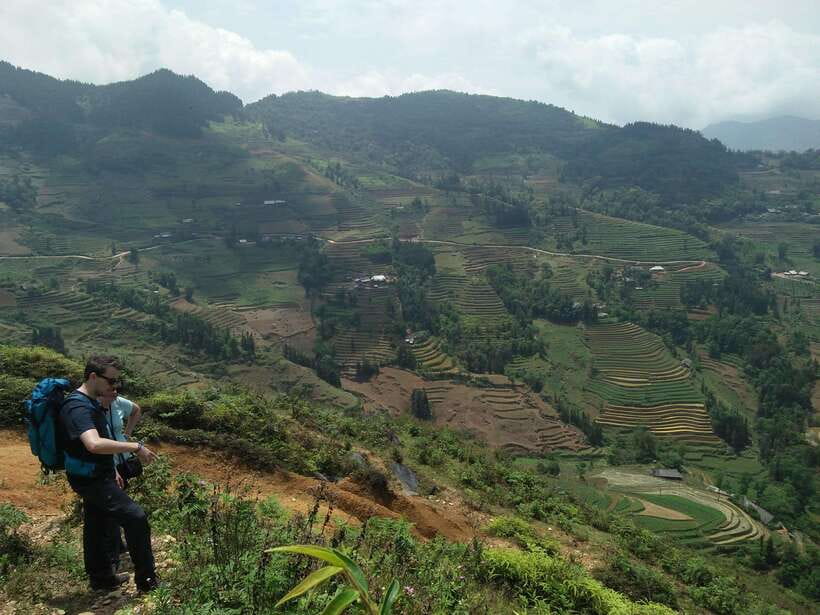
- Multi-day village route links Hmong, Giay, and Red Dzao communities through the hills.
- Early sunrise day in Ban Ho valley can be a standout if the weather cooperates.
- $139 includes the big stuff: roundtrip transport, a guide, and most meals.
Hanoi to Sapa Overnight Logistics, Without the Headache
This trek is built around one simple idea: you should spend your time in the hills, not commuting all day. Your day starts in Hanoi Old Quarter, with pickup around 20:45 at 30 Hàng Muối, Lý Thái Tổ, Hoàn Kiếm. Then you head to Sapa by sleeping bus.
You arrive in Sapa at 4:00 AM. The plan is practical. You sleep on the bus until about 6:00 AM, then you are woken up. From there, you go to a boutique hotel for breakfast, so you are not starting the trek on an empty tank.
Here’s the tradeoff. The bus is part of the deal, and some people find it dirty or uncomfortable. You cannot control that, but you can control how you show up. Pack a warm layer for the night ride, and bring something that makes sleeping easier for you (earplugs, a neck pillow if you use one). If you hate “roughing it,” this part will be the hardest mental shift of the whole trip.
More Trekking Tours in Hanoi
- Halong Bay Full Day with Kayaking, Hiking viewpoint, Cave – Deluxe To Luxury
★ 5.0 · 884 reviews - From Hanoi: 2-Day Sapa Trekking Trip with Homestay & Meals
★ 4.8 · 704 reviews - Sapa 3 Days 2 Nights Trekking Tour (1 Night In Ta Van Village, 1 Night In Hotel)
★ 5.0 · 699 reviews
Day 1: Lao Chai Hmong Hills to Ta Van Giay Village
Day 1 kicks off after you settle in. A guide picks you up around 9:00 AM from the hotel after breakfast and introductions with your group.
From there, the trek leads to Lao Chai, an area inhabited by the Hmong. You start by passing through Y Linh Ho village, which is the kind of first step that helps you notice how the landscape and daily life are linked. You are walking in a lived-in place, not a theme park.
Lunch is one of the most valuable parts of the day. You stop in Lao Chai village, eating in the home of a local family. That meal matters because it turns the story from scenery into routine. It is also the moment when you stop thinking of the hike as just exercise and start thinking of it as access to everyday culture.
After lunch, you continue trekking toward Ta Van. Ta Van is where the Giay people live, and you finish the day there. You spend the night in a homestay and get time to slow down, watch village life, and get a calmer first look at how hosts share their space.
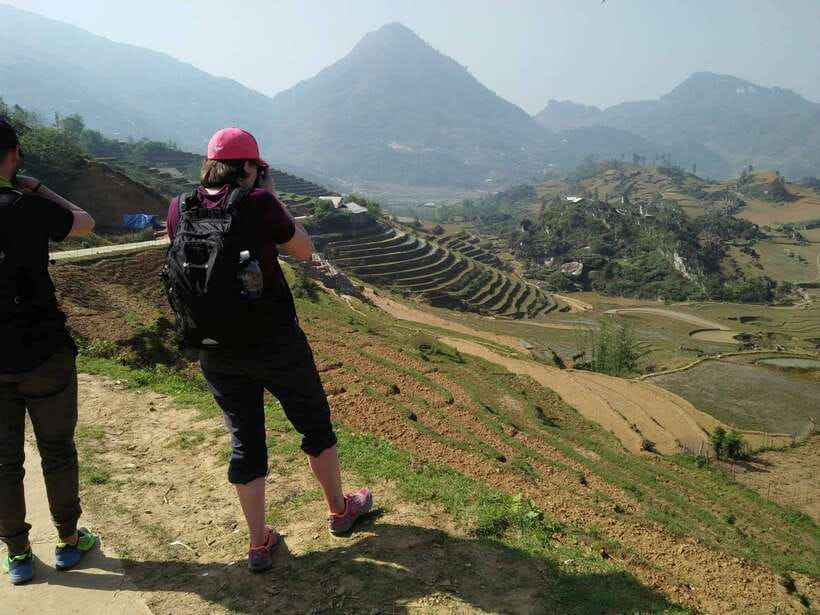
A practical heads-up: day one weather can be rough, especially if you are traveling in colder months. If it is cold and wet, focus on layers and waterproof footwear habits, and keep your expectations flexible. When visibility improves later, the views and photo moments tend to land much better.
Day 2: Bamboo Forest to Red Dzao and Rattan Bridge at Ban Ho
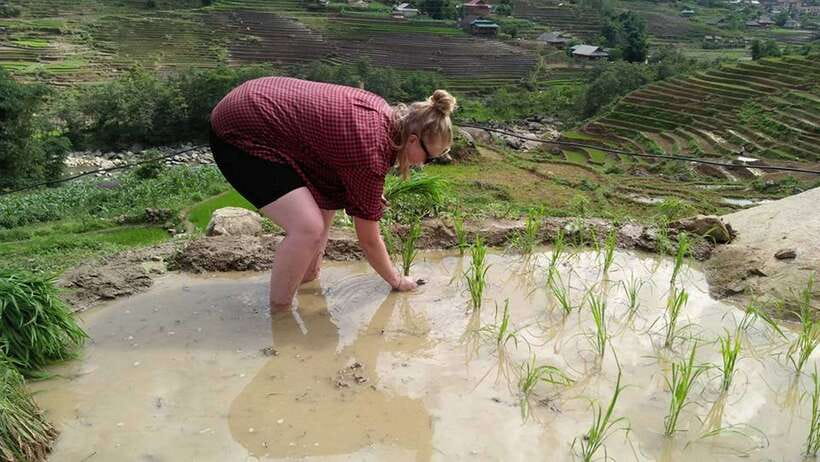
Day 2 starts with local breakfast, then you leave Ta Van for a route that leans more into the quiet moments. The trail passes through a bamboo forest, which is one of those stretches that changes the feel of the trek. The air feels different under the canopy, and it becomes easier to walk steadily.
You then reach Giang Ta Chai village, home to the Red Dzao ethnic minority group. This is the day’s culture-focused segment. You visit a Dzao family home and also stop at a rattan bridge. Those small waypoints are useful because they show practical engineering and daily rhythms. Even if you do not know all the background, you can still read how people move through their environment.
Lunch is another walking day highlight: you eat on a footpath as you continue the journey. That means you are not spending the afternoon in a fixed restaurant. The day keeps its momentum.
Finally, you arrive at Ban Ho village, where you get free time to relax and stroll. This pause is underrated. It gives you time to digest what you learned, talk a bit with hosts if opportunities come up, and just watch village life without constantly moving.
Dinner and the second homestay night are in Ban Ho. In this type of overnight setting, you will get the real texture of hospitality, even when language barriers exist. People are ready to share what they can, and you can be part of the exchange by being curious, respectful, and patient.
Day 3: Sunrise in Ban Ho Valley and Nam Tong Traditions
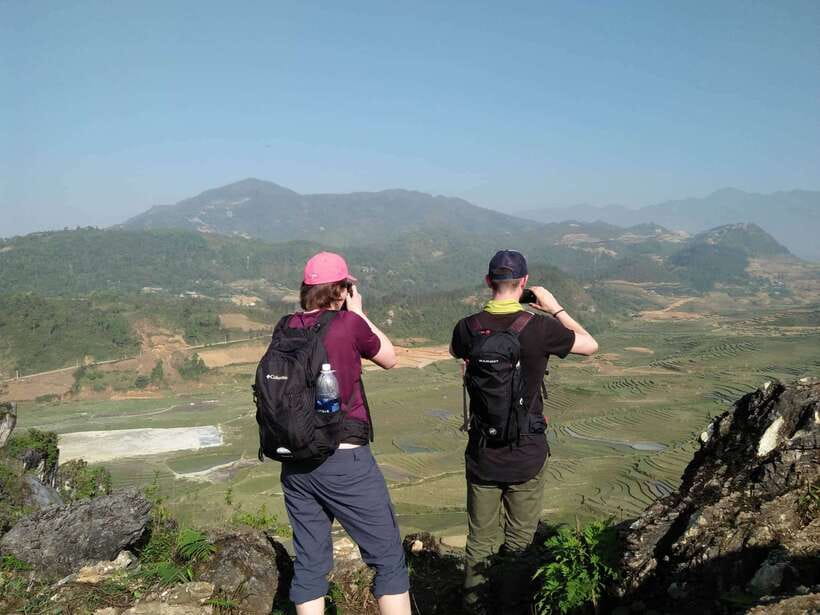
Day 3 begins with the payoff: sunrise in Ban Ho valley. Sunrise is not guaranteed to look perfect, because weather controls the sky, but when it works it can be a powerful reset after the earlier climbs and foggy mornings. If you are the type who loves a calm start, this is your moment.
After breakfast, you start a short trek to Nam Tong village, home to the Red Dzao. This stop is your final cultural learning segment, centered on their traditions. You are walking back into village life again, which is the rhythm of the whole trek.
Once you return to Ban Ho village, transport takes over. A van brings you back toward your Sapa hotel area, and you get time to relax before the return trip.
You head back to Hanoi by bus at 4:00 PM, arriving around 10:00 PM. The schedule is long, but it protects your time in the hills. It also means you do not have to plan an extra day in Sapa after the trek. Your evening in Hanoi is built in.
More Sapa treks and homestays:
- Sapa 2 Days 1 Night From Hanoi – Overnight in Ta Van Village
★ 5.0 · 2,669 reviews - Hanoi – Sapa 2 Days 1 Night Overnight At Homestay
★ 5.0 · 899 reviews - 3-Day Trekking Adventure of Sapa from Hanoi – Stay Ta Van Village
★ 5.0 · 611 reviews - 2-Day Sa Pa Ethnic Homestay Tour & Trek with Limousine Bus
★ 4.8 · 440 reviews
What You Pay for at $139, and Where the Budget Can Slip
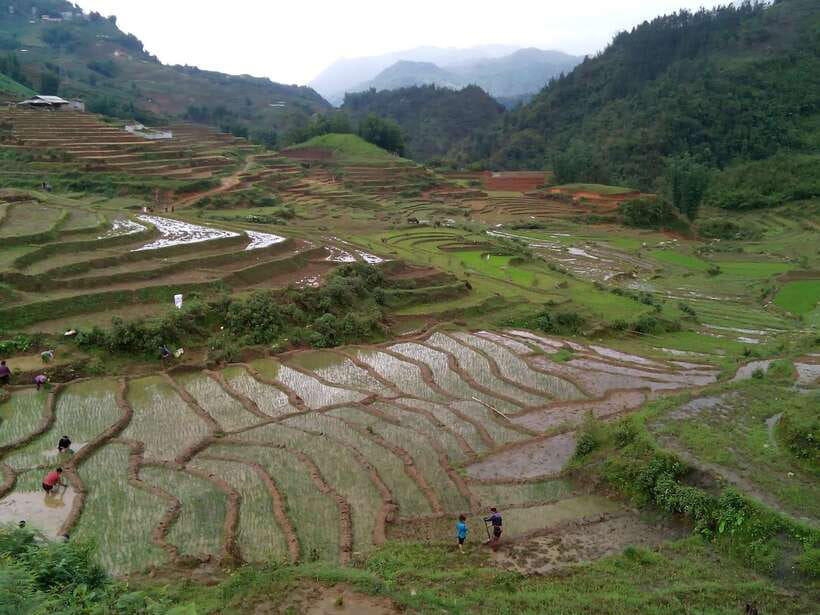
At $139 per person for three days, the value comes from what’s already bundled. The price includes:
- Roundtrip bus from Hanoi to Sapa and back
- Guide
- 2 nights in homestays
- 3 breakfasts, 3 lunches, 2 dinners
- Mineral water
If you tried to arrange this yourself, you would pay for transport, guide time, and village meals separately, and it would likely cost more. The bundled meals also matter, because food stops are part of the route.
Where money can add up:
- Beverages are not included
- Travel insurance is not included
- Personal expenses are on you
- VAT is not included
- There is a $75 Lunar New Year surcharge per person for Jan 26 to Feb 2, 2025
For your planning, think of this as an all-in trek with a few optional extras, not a bare-bones hike. If you drink a lot of water beyond what’s provided, or you like buying snacks and drinks along the way, budget a little extra.
Guides, Language, and Why It Matters More Than You Think
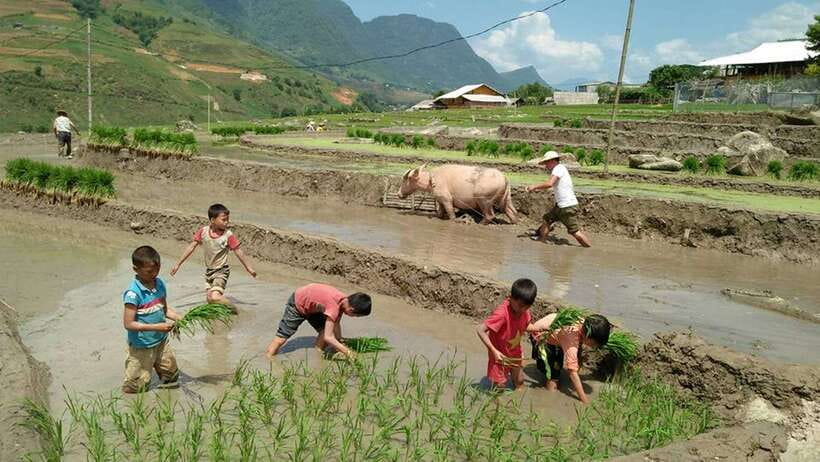
This trek runs with an English-speaking guide, and that is not a small detail. In village-based trekking, the difference between a good trip and a great one is often communication. You need context for what you are seeing, and you need someone to help you ask better questions.
Some groups are led by guides with names like Su or Sang. You may notice a pattern in what they emphasize. The guide helps with the “how do they live” parts, not just the “where are we” parts. That can include sharing stories about daily routine, explaining cultural practices, and adjusting pacing when the group needs it.
One more practical note: the trek involves villages where not everyone speaks English. A guide acts as the bridge. Without one, you end up mostly watching. With one, you start learning what you are watching.
Homestays and Meals: Comfort Level, Food, and Real Expectations
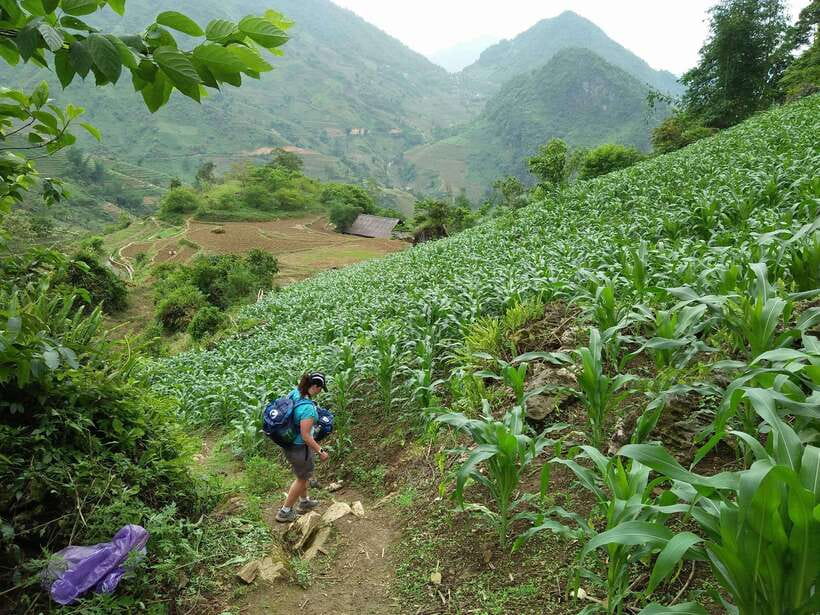
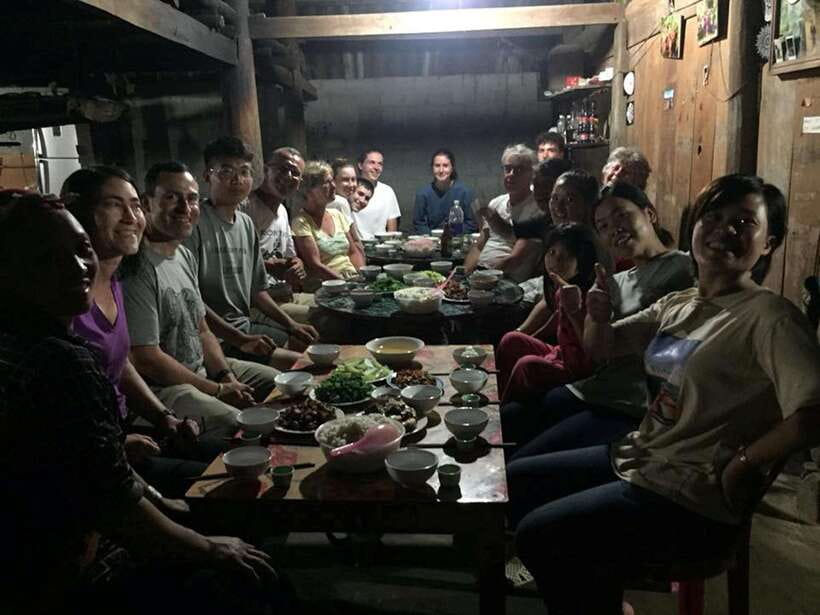
Homestays are the emotional core of this trip. You sleep in two different homestays, one in Ta Van and one in Ban Ho. That gives you variety, instead of repeating the same accommodation twice.
What you should expect:
- The vibe is homey, not hotel-style
- You might have moments to connect with hosts, sometimes even during meal prep or kitchen time
- The food tends to be generous and filling after long walking days
Food is also scheduled with the trekking. You get lunches during the hike, plus dinners at the homestay. That means you are rarely stuck waiting.
Water: mineral water is included, but if you are sensitive to hydration needs, it can help to remember that free water may not be offered at every stop. Some homestay families may sell beverages. Bring a water strategy that fits how much you drink, especially if the day is chilly or if you are sweating on uphill stretches.
Cultural respect is part of the deal. If you want this experience to feel good for you and for your hosts, keep your behavior simple and considerate. Ask before taking photos close up, dress appropriately, and follow your guide’s lead.
Fitness, Weather, and Packing That Actually Helps
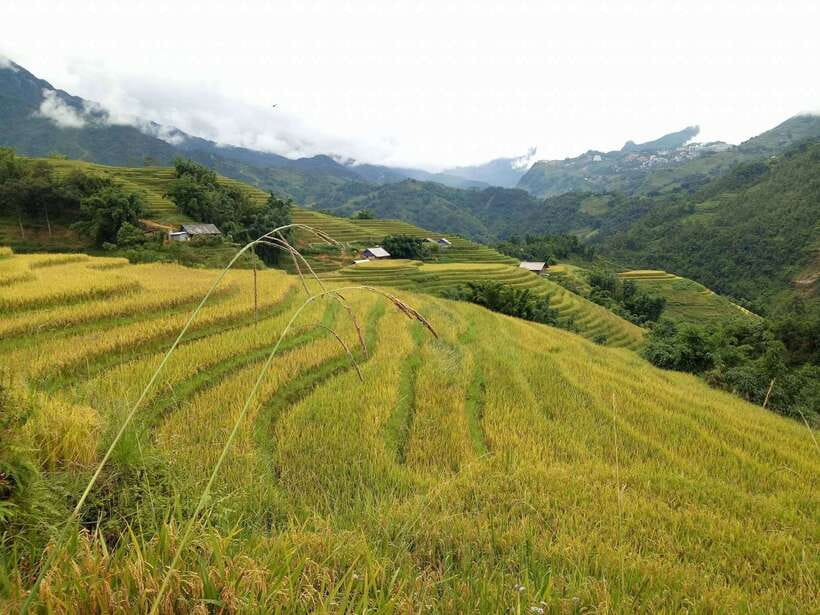
This is a trek, so comfort depends on footwear, layers, and weather readiness. The basics you should plan for:
Bring comfortable shoes, trekking shoes if you have them, sunglasses, sun hat, sunscreen, and insect repellent.
Warm clothes are recommended in Sa Pa from October to March. Even if you are traveling in shoulder season, expect temperature swings because you are walking through mountain valleys.
Your hardest physical day is usually the one with the most walking on uneven paths. The schedule is multi-day, so pace matters. If you go out too fast on day one, you feel it later.
If you have limited mobility, this tour is not suitable, and it is also not suitable for children under 6 and pregnant women. The reason is straightforward: village trekking involves steps, dirt trails, and uneven ground.
Who This Trek Fits Best, and Who Should Look Elsewhere
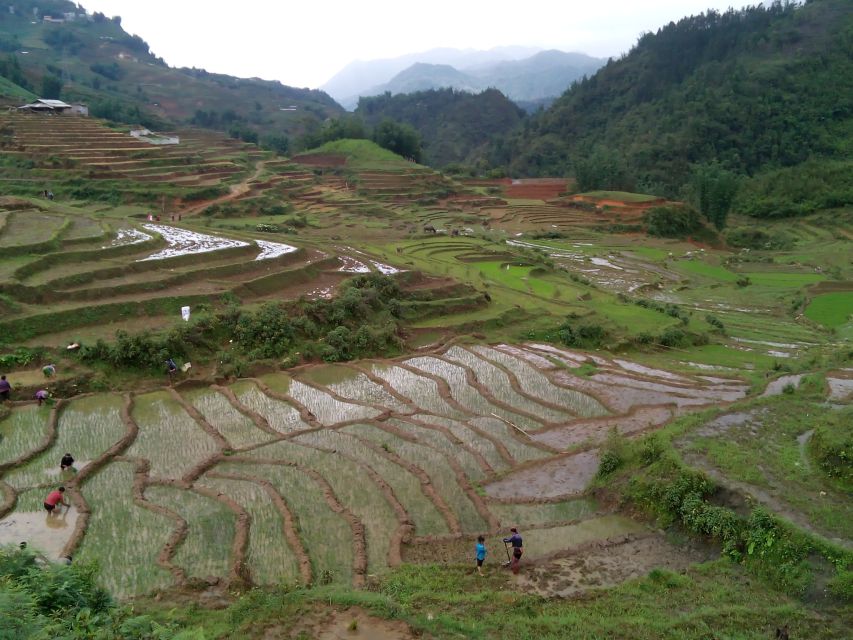
I think this tour is a great match if you want a cultural experience that is not only lectures and photos. You are walking through Hmong, Giay, and Red Dzao communities across a three-day loop, and you sleep with local families for two nights. That combination is hard to replicate on your own without extra planning.
It is also a good fit if you like small group travel. With up to 14 people, you are less likely to feel rushed, and the guide can adjust pacing better.
You might want to skip it if:
- You hate overnight buses and rough sleep
- You need a fully accessible route
- You want a mostly comfortable, low-step itinerary
- You are traveling in conditions where cold rain would ruin your mood
If you are flexible, though, this trek can feel like a personal introduction to northern Vietnam, not just a box checked on a trip calendar.
Should You Book This Homestay Trek to Sapa?
If your goal is to trade tourist routes for real village contact, I would say yes. This is a focused three-day trek with two homestays, guided cultural context in English, and a route that links multiple ethnic communities. The included meals and transport make it good value, especially compared to piecing everything together yourself.
Before you book, think honestly about two things. First, you are accepting an overnight bus, so plan for comfort upgrades. Second, prepare for day one weather and bring warm layers and solid shoes. If you can handle those, the rest of the trip is likely to feel meaningful, practical, and worth every uphill step.
FAQ
What time do I get picked up in Hanoi?
Pickup is available in Hanoi Old Quarter around 20:45 at 30 Hàng Muối, Lý Thái Tổ, Hoàn Kiếm.
What time do we arrive in Sapa?
You arrive in Sapa at about 4:00 AM the next day.
Where does the trekking start on Day 1?
On Day 1, after breakfast, your guide picks you up around 9:00 AM from the hotel in Sapa.
How many nights do I stay in homestays?
You stay in homestays for 2 nights, one night in Ta Van and one night in Ban Ho.
What are the main villages visited during the trek?
The route includes Lao Chai (Hmong), Ta Van (Giay), Giang Ta Chai (Red Dzao), Ban Ho, and Nam Tong (Red Dzao).
What meals are included?
The tour includes 3 breakfasts, 3 lunches, and 2 dinners, plus mineral water.
Is the tour guided in English?
Yes, it includes a live tour guide in English.
What should I bring for the trek?
You should bring comfortable shoes, sunglasses, a sun hat, sunscreen, and insect repellent.
Is this trek suitable for young children or limited mobility?
No. It is not suitable for children under 6, pregnant women, and people with mobility impairments or wheelchair users.
Are there extra costs to know about?
Beverages, travel insurance, VAT, and personal expenses are not included. There is also a $75 Lunar New Year surcharge per person for Jan 26 to Feb 2, 2025.
More Hiking & Trekking in Hanoi
- From Hanoi: Trek and Stay: 3-Day Sapa Highlands Adventure
★ 4.6 · 152 reviews - From Hanoi: Ninh Binh Boat Ride, Mua Cave Hike, Temple Visit
★ 4.7 · 146 reviews - Sapa: 3-Day, 3-Night Trek and Hotel with Overnight Train
★ 4.2 · 64 reviews - From Hanoi: 2-Day Sapa-Fansipan Peak & Trek & Ha Giang Bus
★ 4.8 · 52 reviews
Treks Around Hanoi
- 3D and 2N Lan Ha Bay Cat Ba Island Kayaking & Trekking with Vega
★ 5.0 · 593 reviews - Hanoi – Sapa 3 Day 2 Night Trekking With Hotel & Homestay
★ 5.0 · 389 reviews - From Hanoi: 2-Day Sapa Trek Tour – Luxury Limousine Transfer
★ 4.1 · 249 reviews - Ninh Binh: Hoa Lu, Trang An and Mua Caves Hiking Day Trip
★ 4.5 · 163 reviews
New listings around Hanoi
- 2Days-1Night Halong Bay Luxury Genesis Regal Cruises★ 4.5 · 39 reviews
- 20-Day Vietnam Itinerary | Discovery and Beach Relaxation★ 5.0 · 18 reviews
- 3 Day 2 Night Trek★ 5.0 · 18 reviews
- Full-Day Hop On Hop Off Bus Tour in Hanoi★ 4.0 · 12 reviews
- La Regina 2 days tour in Halong Bay & Bai Tu Long Bay – 4 star★ 5.0 · 61 reviews
- 21-Day Vietnam Itinerary Explore North to South Highlights★ 5.0 · 16 reviews
- 2 Days Ha long Sapphire Cruise★ 5.0 · 45 reviews
- 2 Weeks Vietnam and Cambodia – Super Saving – Amazing Experience★ 5.0 · 20 reviews
Sapa Trekking & Homestays, compared.
Sapa 2 Days 1 Night From Hanoi – Overnight in Ta Van Village
Read our review →
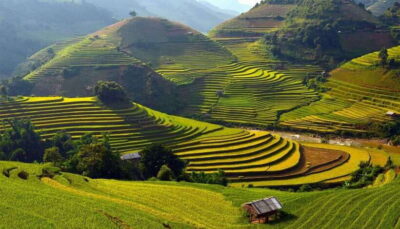
Muong Hoa Valley Trek and Local Ethnic Villages
Read our review →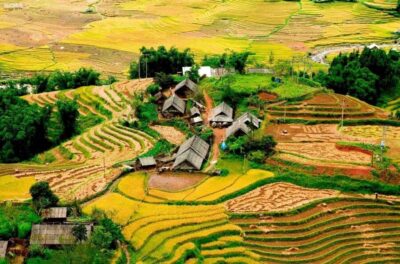

Sapa 3 Days 2 Nights Trekking Tour (1 Night In Ta Van Village, 1 Night In Hotel)
Read our review →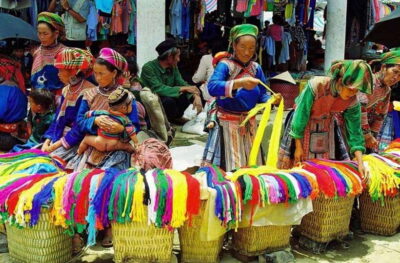
Eco Adventure Terrace Fields and Local Villages Trek
Read our review →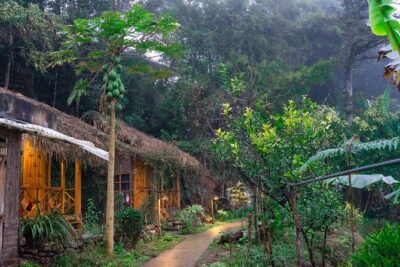
3-Day Trekking Adventure of Sapa from Hanoi – Stay Ta Van Village
Read our review →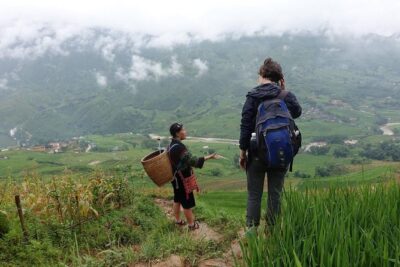
Number one top rated ethical cultural trekking and homestay by ETHOS
Read our review →Browse the lists this tour appears in