Reviewed · SAPA TREKKING & HOMESTAYS
From Hanoi: 2-Day Sapa-Fansipan Peak & Trek & Ha Giang Bus
Two days, two heights of Northern Vietnam. You get the Lao Chai – Ta Van trek through rice terraces and village life, then a cable car ride up to Fansipan Peak for big views at the Roof of Indochina. One thing to plan for: Sapa weather can turn cold fast, and the 600 steps to the peak are no joke if fog rolls in.
This is also a trip built around practical timing. I like that you travel with a local guide Song, plus the meals are handled so you are not stuck figuring out lunch and dinner on the fly.
In This Review
- Key highlights you will actually feel
- Hanoi to Sapa, where the route saves you headaches
- Day 1 Trek: Lao Chai to Ta Van, rice terraces plus real village life
- Where meals and hotel time fit, so you do not rush yourself
- Fansipan Peak by cable car, then the 600-step payoff
- If you go back to Hanoi: limousine timing that keeps the day sane
- Optional night train or night bus at 21:30, the one-time ride factor
- Add Ha Giang after Sapa: bus options that change your trip shape
- Price and what to budget, especially the cable car ticket
- What to pack for Sapa, because weather likes to change its mind
- Who this tour is a great fit for
- Who should skip, or at least think twice
- Should you book this Hanoi to Sapa, Fansipan, and trek tour?
- FAQ
- What time does the Hanoi departure start for the Sapa trek tour?
- Where is the meeting point and where do we end?
- Is the Fansipan cable car ticket included?
- How long is the cable car ride up to Fansipan?
- How many steps do you climb at Fansipan?
- What villages do you visit on the trek?
- What meals are included during the tour?
- Can I go to Ha Giang after Sapa?
- How long is the drive from Sapa to Ha Giang?
- What should I pack for Sapa weather?
Key highlights you will actually feel
- Lao Chai – Ta Van trek with a guide, walking along the rice terraces and near the Muong Hoa Stream
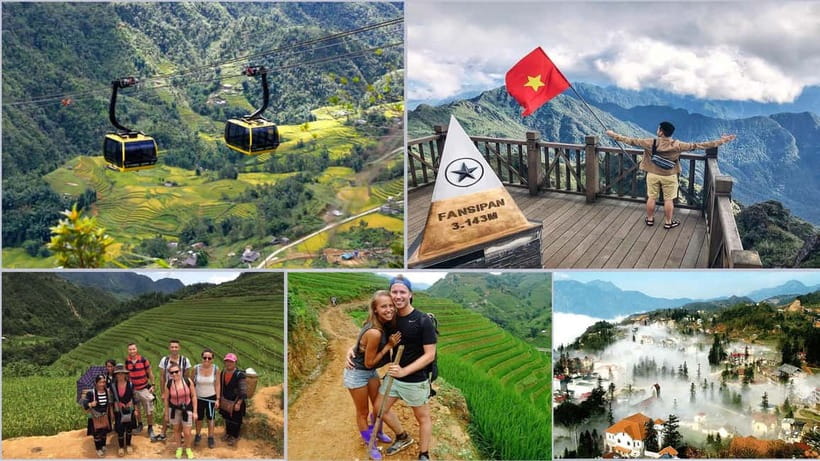
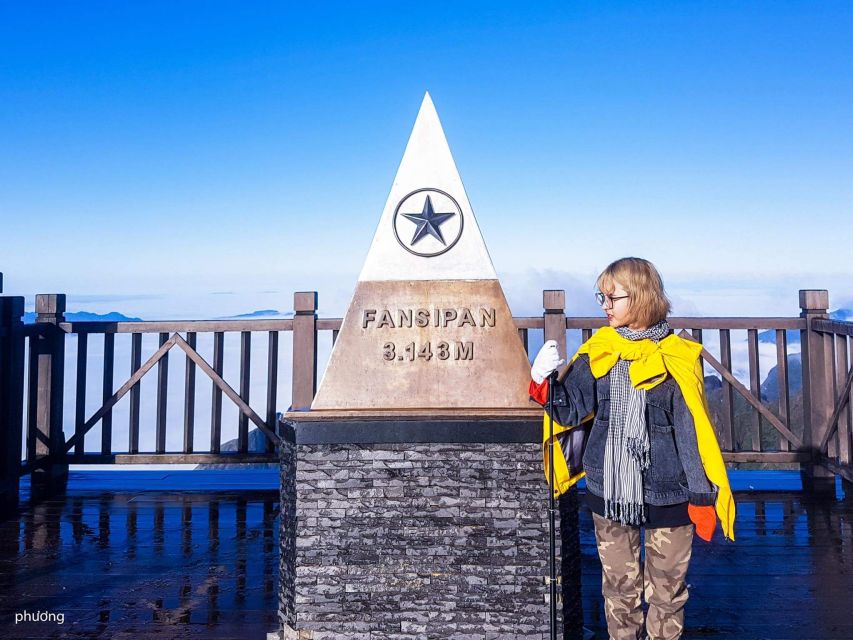
- Fansipan Peak by cable car, then a pagoda stop and a climb of 600 steps
- Well-paced Hanoi to Sapa travel, with a morning start and planned breaks en route
- Optional night train or night bus at 21:30, for a one-time travel experience before Sapa
- Sapa to Ha Giang add-on, with bus departures listed at 14:30 or 19:30
- Cold-weather readiness matters, especially from September through March and foggy Dec to Mar
Hanoi to Sapa, where the route saves you headaches
Starting from Hanoi, the whole rhythm is designed around getting you to Sapa without burning a full day on logistics. On day one, the plan is to depart at 6:15 am, meet at 204 Tran Quang Khai street, and ride to Sapa on a sleeper bus. Along the way, you stop in Phu Tho Province and in Lao Cai city for short breaks, with time for light breakfast or coffee.
This is the part I think most people underestimate. Northern Vietnam travel can be slower than you expect, and “just taking a local bus” often means longer waits, unclear timing, and less energy for the trek. Here, you trade a bit of flexibility for structure, and that matters once you are walking in cool mountain air.
You will arrive in Sapa town to meet a representative, then shift right into local food and orientation. Lunch is included, and it gives you a comfortable buffer before you hit the trail.
More Trekking Tours in Hanoi
- Halong Bay Full Day with Kayaking, Hiking viewpoint, Cave – Deluxe To Luxury
★ 5.0 · 884 reviews - From Hanoi: 2-Day Sapa Trekking Trip with Homestay & Meals
★ 4.8 · 704 reviews - Sapa 3 Days 2 Nights Trekking Tour (1 Night In Ta Van Village, 1 Night In Hotel)
★ 5.0 · 699 reviews
Day 1 Trek: Lao Chai to Ta Van, rice terraces plus real village life
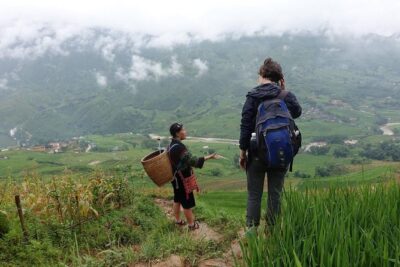
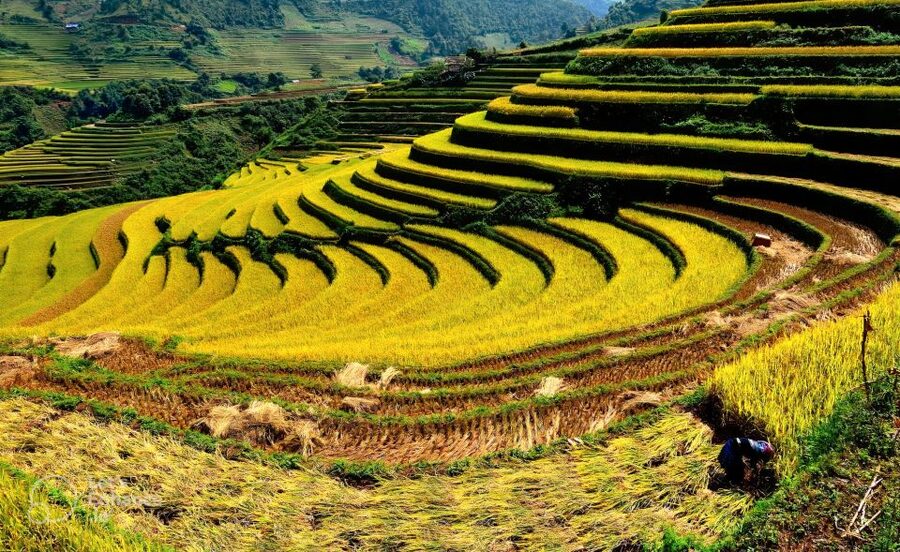
Day one after lunch is about walking and learning at the same time. You trek through rice terraces and along the Muong Hoa Stream, which helps explain why this area is famous. Even when the trail is gentle, the scenery changes often, and the water and terraced hills give you that layered mountain look.
You end up at the Black Hmong village of Lao Chai, surrounded by Hoang Lien Son Mountain. This is where the trip stops being just scenery and becomes people and culture. With your guide, you explore the area and get a sense of day-to-day mountain life, rather than treating the villages like a quick photo stop.
A practical note: the trek is not described as extreme, but it still involves real walking in mountain terrain. If you go in with flimsy shoes, your feet will complain. Comfortable shoes are a real requirement here, not just a polite suggestion.
At the end, a car takes you back to your hotel. Dinner is included, so you do not have to hunt for something after you are already tired from the day.
Where meals and hotel time fit, so you do not rush yourself
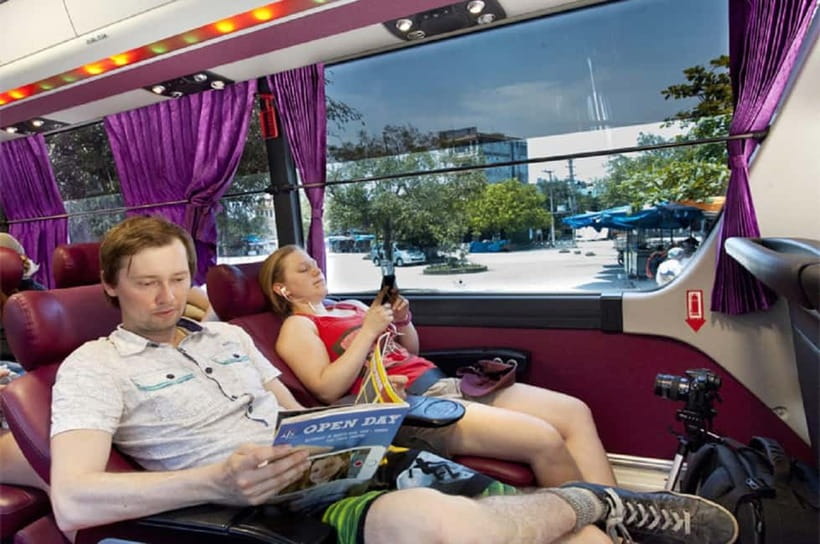
The tour includes 2 lunches, 1 dinner, and 1 breakfast. That means you can keep your energy up during the walking day and still enjoy a normal sit-down meal after. In places like Sapa, where roads can be slow and weather can mess with timing, having food built into the schedule is a big deal.
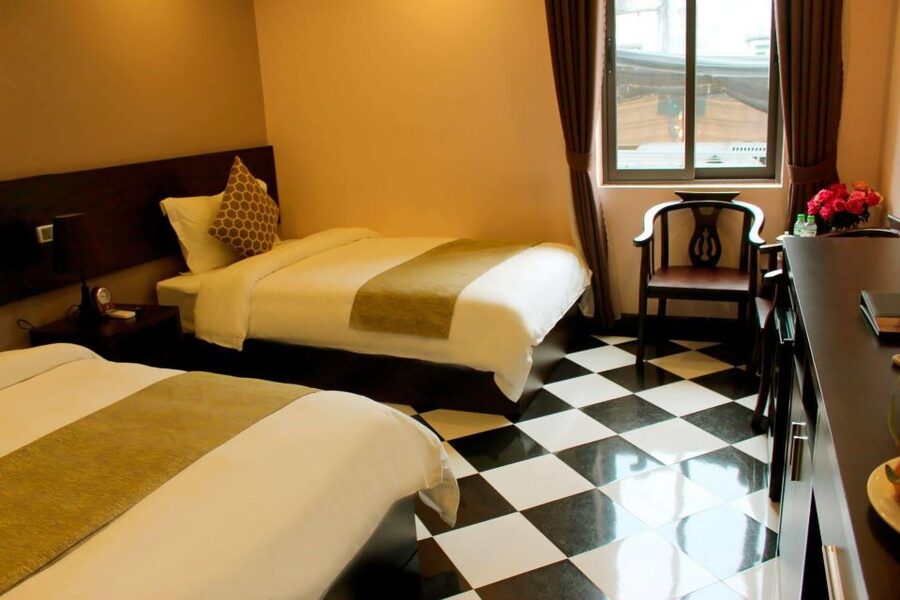
Your overnight stay is in a 3-star hotel with a twin-sharing setup. That is a good middle ground for comfort without paying luxury prices. It also gives you a place to warm up, change clothes, and dry out anything damp from the morning air.
One more detail I appreciate: the day after dinner is not a scramble. You get breakfast, then you shift to Fansipan in a controlled, organized way.
Fansipan Peak by cable car, then the 600-step payoff
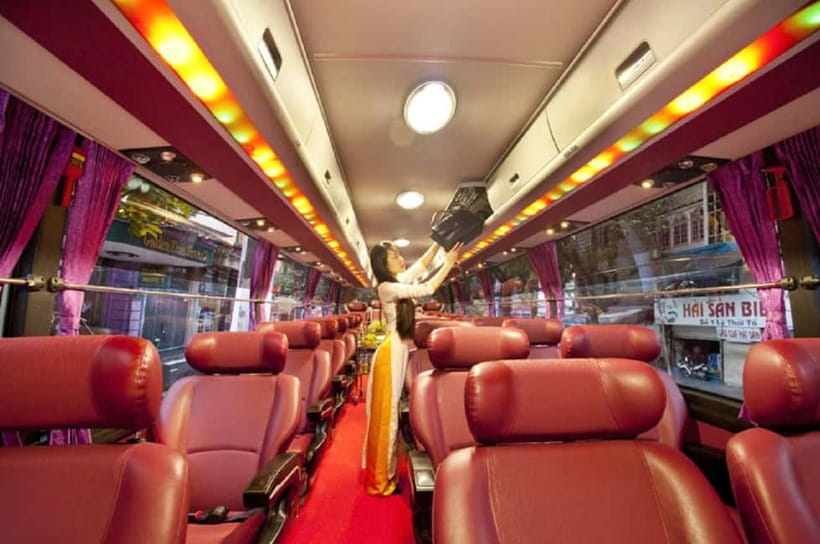
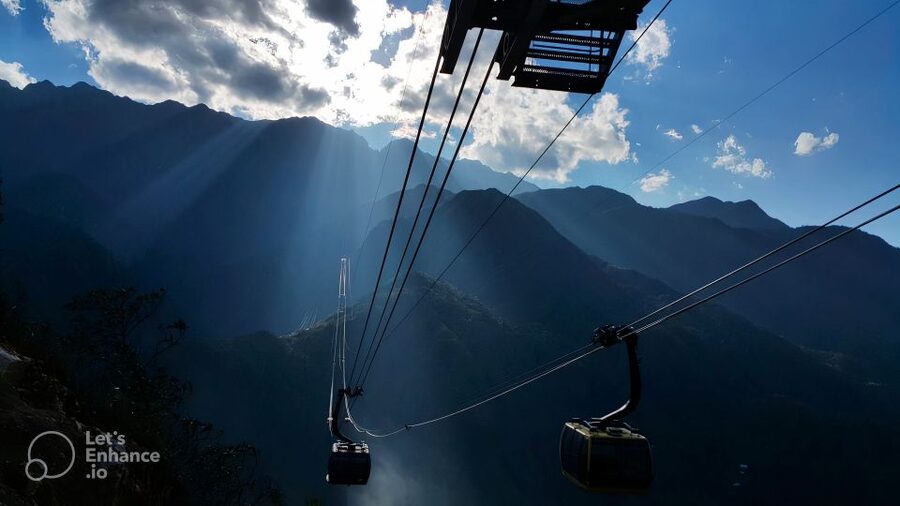
On day two, you start with breakfast and then transfer to the Fansipan cable car station. The driver or guide helps you buy your cable car ticket separately at your own expense, because it is not included in the tour price. The round-trip cable car ticket is 850,000 VND per person, so it is worth budgeting for up front.
The cable car ride itself is short, about 20 minutes, but it changes your perspective quickly. You move from hillside views to high-altitude scenery fast, and once you are up, you get a sense of why Fansipan is called the Roof of Indochina. There is also a pagoda on the way, which breaks up the experience so it is not only “ride up, walk up.”
Then comes the climb. You climb 600 steps to reach the peak area. This is the part where weather matters most. Fog can limit views in the winter months, and cold wind can make the steps feel longer. If your legs are tired from day one, pace yourself and take short rests as needed.
Afterward, you return to Sapa and have lunch at the hotel. That last meal is a nice reset, especially if you got a bit chilly on the steps.
More Ha Giang loop rides:
- Ha Giang Loop Tour 4 Days 3 Nights with Ha Giang Vision Tour
★ 5.0 · 675 reviews - 3-Day Ha Giang Loop Tour from Ha Noi and Return
★ 5.0 · 652 reviews - From Hanoi: 3-Day Motorbike Ha Giang Loop with Easy Rider
★ 4.9 · 501 reviews - 3-Day Ha Giang Loop Tour (small group with easy rider)
★ 5.0 · 411 reviews
If you go back to Hanoi: limousine timing that keeps the day sane
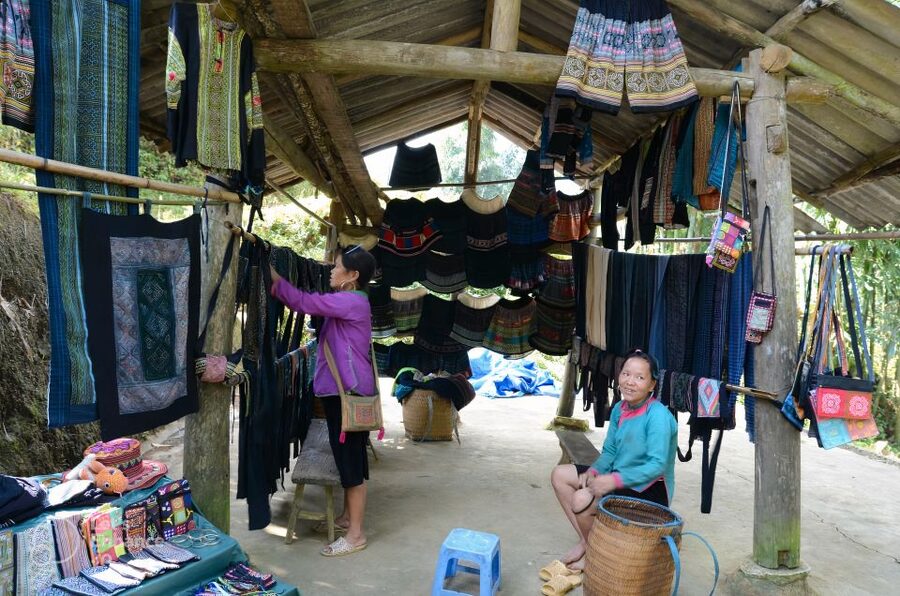
If your plan is to return to Hanoi after the Sapa day, you get some breathing room in Sapa. You have time to explore on your own before heading back. Then you board the limousine bus at 14:00, and you are dropped off around 8:30 pm to 8:45 pm on Tran Quang Khai street.
Why does this matter? Because it keeps you from feeling trapped in a nonstop schedule. You can grab a drink, check out the town vibe, or just take a slow walk. And then you go back with the comfort of an organized ride instead of searching for transport when you are already worn out.
If you care about value, this is also the smoother option. You get the Sapa experience plus a predictable return time.
Optional night train or night bus at 21:30, the one-time ride factor

There is an optional night departure idea built into the overall experience. You can board a night train or night bus at 21:30 from the station or bus stop to depart for Lao Cai or Sapa.
This choice is more about how you want to travel than about saving money. A night ride can turn travel time into sleep time, and it gives that slightly cinematic Vietnam travel feel. It can also be helpful if you hate early morning starts, since day one begins with the morning departure and arrival rhythm.
If you do choose the night option, bring warm layers and expect the night air to feel chilly at higher elevations. You are sleeping and waking up in the mountain zone, not the flat heat of Hanoi.
Add Ha Giang after Sapa: bus options that change your trip shape
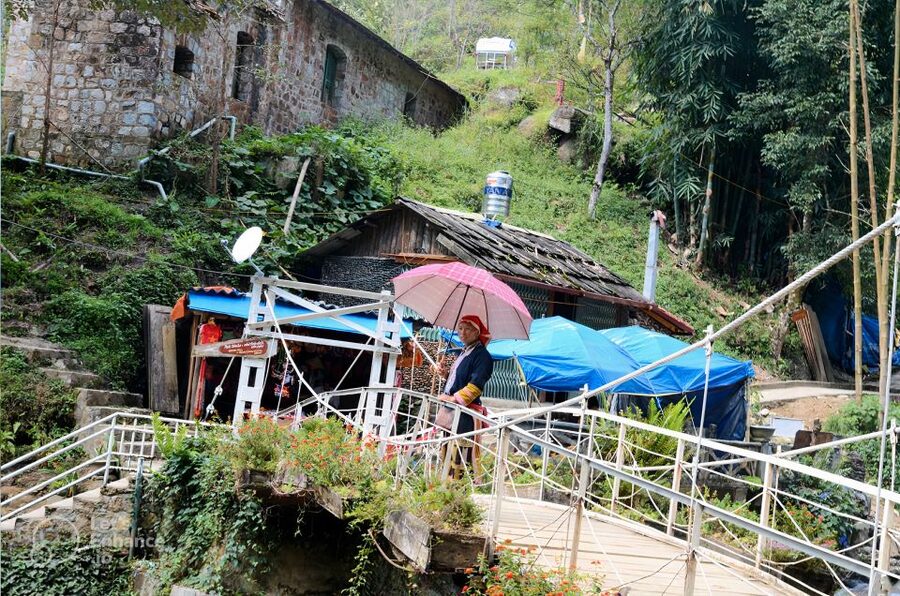
This itinerary is flexible because you can also continue from Sapa to Ha Giang directly. The tour lists two departures for Ha Giang from Sapa, both around a 6 hour drive. At 14:30, a limousine bus (18 seats) picks you up at May hotel for Ha Giang. At 19:30, a sleeper bus (40 seats) picks you up at its meeting point for Ha Giang.
If you like choice, this is a real benefit. The limousine bus likely feels more comfortable and smaller-group, while the sleeper bus is more classic and budget-friendly. Either way, you do not waste time backtracking to Hanoi.
One cost note: the Ha Giang bus options can require extra fee, and the tour asks you to contact a travel consultant for the exact details. If Ha Giang is in your plan, it is smart to confirm that before you go, so there are no surprises at pickup.
Price and what to budget, especially the cable car ticket
The tour includes a lot of the big-ticket logistics: round-trip limousine bus between Hanoi and Sapa when selected, a 3-star hotel room, a local guide, entrance ticket for Lao Chai Ta Van, transfers to and from the Fansipan cable car station, plus the meals. It also includes the Sapa to Ha Giang bus only if you select that option.
What is not included is important. The big one is the Fansipan cable car round-trip ticket at 850,000 VND per person. Drinks are not included either, and government tax and travel insurance are also listed as not included. If you travel on certain peak holiday dates, there is a surcharge of 700,000 VND per person paid directly to the guide on the date.
How I think about value: you are paying for fewer moving parts. A guided trek, village access via the entrance ticket, and the transfer to cable car station can easily be more complicated and time-consuming if you try to DIY it. The included meals also reduce the day-to-day decision fatigue.
So if Fansipan and Lao Chai – Ta Van are truly your priorities, this tour tends to be a good deal. If you only want casual sightseeing and no steps, you might feel like you are paying for more structure than you need.
What to pack for Sapa, because weather likes to change its mind
Sapa has a reputation for cold weather, and the tour is clear about it: you should bring warm clothes, a scarf, and a hat. From September through March, it is normally cold, and due to altitude it can be foggy from December through March. That means your comfort depends on layers, not good intentions.
You should also consider trekking shoes, sunglasses, sun cream, and insect repellent. Even in cooler months, the higher altitude can still mean bright light.
And bring any medication you need. You are in a smaller mountain tourism zone, and you do not want to rely on last-minute pharmacy hunts.
Cash is also practical. The banking system in Sapa sometimes does not function well, and while U.S. dollars, Euros, and Australian dollars are accepted, cash in Vietnamese Dong is safest.
Who this tour is a great fit for
This experience fits best if you want an organized route with real walking and real village contact. You get guided time in Lao Chai and the chance to see Fansipan Peak without spending your entire trip solving transport puzzles.
It is a good match for:
- Couples and families who want clear timing and included meals
- First-timers in Northern Vietnam who want the big hits, Hanoi-Sapa-Fansipan
- People who enjoy a guided cultural stop, not just a viewpoint
It is not suitable for pregnant women, and pets are not allowed.
Who should skip, or at least think twice
If you hate cold weather, or if the idea of 600 steps up to a peak sounds stressful, you might want to adjust expectations. Fog can reduce views in the winter months, so your peak experience can depend on conditions that are outside your control.
If you want total independence and you are comfortable planning your own tickets and transfers, you might prefer a DIY approach. This tour gives convenience, but it does trade away some freedom.
Finally, if your walking ability is limited, the trek and steps might feel like too much. The itinerary includes “comfortable shoes” for a reason.
Should you book this Hanoi to Sapa, Fansipan, and trek tour?
I think you should book it if your must-do list includes Lao Chai – Ta Van and Fansipan Peak, and you want a guided plan that keeps travel time and meals handled. The structure is the real strength: the overnight or morning transfer, the guided trek with entrance ticket support, and the cable car logistics all reduce friction.
Skip it, or reconsider the timing, if cold weather and stairs are dealbreakers for you, or if you want a more casual, flexible trip with no fixed schedule.
If you are excited by the idea of mountain villages plus one big peak day, this is a strong way to do it in two days in Northern Vietnam.
FAQ
What time does the Hanoi departure start for the Sapa trek tour?
The day one departure is at 6:15 am, and you meet at 204 Tran Quang Khai street.
Where is the meeting point and where do we end?
The meeting point may vary depending on the option booked, and the activity ends back at the meeting point.
Is the Fansipan cable car ticket included?
No. The cable car round-trip ticket is 850,000 VND per person and is paid at your own expense.
How long is the cable car ride up to Fansipan?
The cable car ride takes about 20 minutes.
How many steps do you climb at Fansipan?
You climb 600 steps to reach the peak area.
What villages do you visit on the trek?
You trek to and explore Lao Chai (Black Hmong village) as part of the Lao Chai – Ta Van route.
What meals are included during the tour?
The tour includes 2 lunches, 1 dinner, and 1 breakfast.
Can I go to Ha Giang after Sapa?
Yes. The tour offers bus options from Sapa to Ha Giang at 14:30 and 19:30, and you can select this option.
How long is the drive from Sapa to Ha Giang?
The drive time is listed as about 6 hours.
What should I pack for Sapa weather?
Bring warm clothes, a scarf, and a hat. Comfortable shoes are recommended, along with trekking shoes, sunglasses, sun cream, and insect repellent.
More Day Trips out of Hanoi
- Full-Day Ninh Binh Highlights Tour from Hanoi
★ 5.0 · 7,761 reviews - Ninh Binh Full-Day Tour from Hanoi to Hoa Lu, Tam Coc & Mua Cave Via Boat & Bike
★ 5.0 · 4,384 reviews - Ninh Binh HIGHTLIGHT & HIDDEN GEM Tour From Hanoi: Skip-The-Line
★ 5.0 · 4,212 reviews - Sapa 2 Days 1 Night From Hanoi – Overnight in Ta Van Village
★ 5.0 · 2,669 reviews
Treks Around Hanoi
- 3-Day Trekking Adventure of Sapa from Hanoi – Stay Ta Van Village
★ 5.0 · 611 reviews - 3D and 2N Lan Ha Bay Cat Ba Island Kayaking & Trekking with Vega
★ 5.0 · 593 reviews - 2-Day Sa Pa Ethnic Homestay Tour & Trek with Limousine Bus
★ 4.8 · 440 reviews - Hanoi – Sapa 3 Day 2 Night Trekking With Hotel & Homestay
★ 5.0 · 389 reviews
New listings around Hanoi
- 2Days-1Night Halong Bay Luxury Genesis Regal Cruises★ 4.5 · 39 reviews
- 20-Day Vietnam Itinerary | Discovery and Beach Relaxation★ 5.0 · 18 reviews
- 3 Day 2 Night Trek★ 5.0 · 18 reviews
- La Regina 2 days tour in Halong Bay & Bai Tu Long Bay – 4 star★ 5.0 · 61 reviews
- 21-Day Vietnam Itinerary Explore North to South Highlights★ 5.0 · 16 reviews
- Full-Day Hop On Hop Off Bus Tour in Hanoi★ 4.0 · 12 reviews
- 2 Days Ha long Sapphire Cruise★ 5.0 · 45 reviews
- 2 Weeks Vietnam and Cambodia – Super Saving – Amazing Experience★ 5.0 · 20 reviews
Sapa Trekking & Homestays, compared.
Sapa 2 Days 1 Night From Hanoi – Overnight in Ta Van Village
Read our review →

Muong Hoa Valley Trek and Local Ethnic Villages
Read our review →

Sapa 3 Days 2 Nights Trekking Tour (1 Night In Ta Van Village, 1 Night In Hotel)
Read our review →
Eco Adventure Terrace Fields and Local Villages Trek
Read our review →
3-Day Trekking Adventure of Sapa from Hanoi – Stay Ta Van Village
Read our review →