
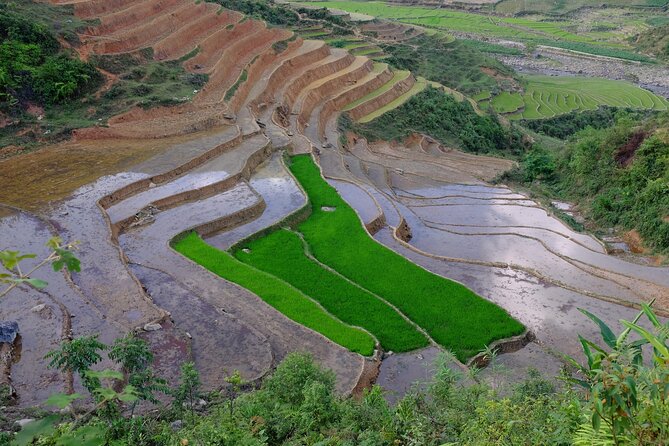
Reviewed · SAPA TREKKING & HOMESTAYS
2D1N Buffalo trek by Hmong Sister House and Trekking
Two days, buffalo at the heart. This 2D1N Sapa trek by Hmong Sister House and Trekking is built around Hmong life in the mountains, with a hike through forest and ethnic villages, then an overnight stay connected to the buffalo house. I really like the way it mixes daily scenery, like terraced rice paddies, with real household routines, not just view stops. The possible drawback is that you do need moderate physical fitness, and paths can feel slow, uneven, and wet if weather turns.
I also like that the trip is guided in a personal way. You are led by a local English-speaking Hmong guide, and in past groups the guide Li stood out for sharing stories from her own childhood and how life has changed over time. If you want a strict, clock-perfect itinerary with lots of downtime, this may feel a little more like a working, rural schedule than a sightseeing tour.
In This Review
- Key things that make this trek worth your time
- Buffalo-house style trekking around Ta Van, Sapa
- Day 1: Hau Thao village, forest hiking, and a home base with shower and breakfast
- Day 2: Sunrise rice work, a Red Dao village visit, and the waterfall finish
- The guide factor, with Li’s personal stories as the main payoff
- How hard is it, what to pack, and what pace to expect
- Price and value: $110 for two days that include real logistics
- Weather, timing, and getting there from Sapa
- Who should book this buffalo trek (and who should skip it)
- Should you book? My practical take
- FAQ
- FAQ
- Where does the trek start and end?
- How long is the buffalo trek?
- What is the price per person?
- Is pickup included?
- What language will the guide speak?
- How fit do I need to be?
- Is this private or group travel?
- Are service animals allowed?
- What happens if weather is bad?
- Can the trek be customized?
Key things that make this trek worth your time
- Overnight in a family-style setting tied to the buffalo house, so you see how people live year to year
- Hmong guide stories with real context, not just facts, with Li mentioned in strong feedback
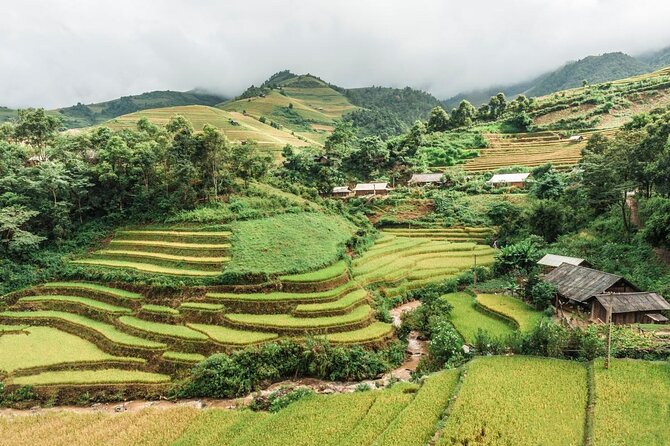
- Village walks through working farmland, including terraced rice paddies and early morning field moments
- Red Dao village time plus a descent that includes a waterfall stop
- Pickup and simple pacing, starting around 7am and ending back at the meeting point
- Private tour format, so you travel as just your group
Buffalo-house style trekking around Ta Van, Sapa
Sapa treks can fall into two camps. Either you hike for photos and treat village life like scenery, or you slow down enough to understand how people actually structure a day. This one leans toward the second option.
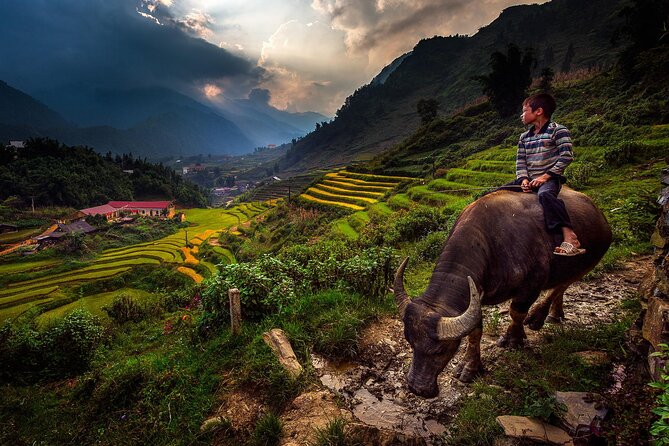
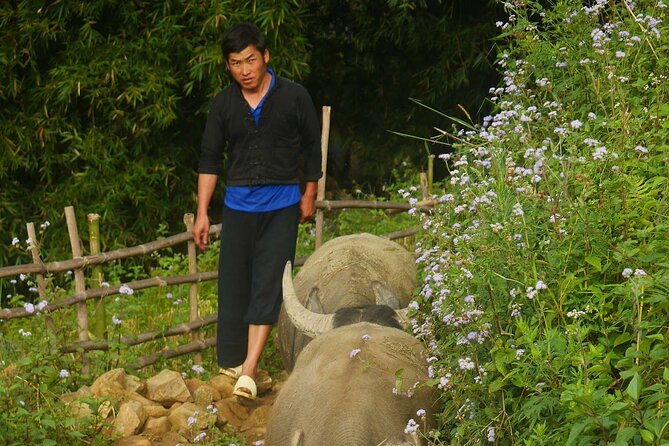
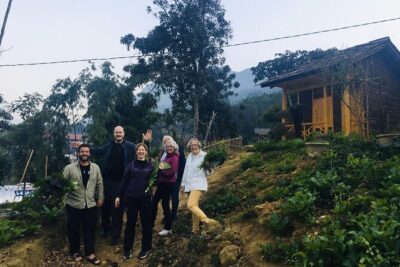
The big attraction is the buffalo-house connection. The path rises through forest and rural areas, and the goal is to reach a buffalo-house setting tied to the family. That matters because you are not only walking through the mountains, you’re stepping into a livelihood. You’ll see how animals fit into everyday rhythm, and it makes the whole walk feel more grounded.
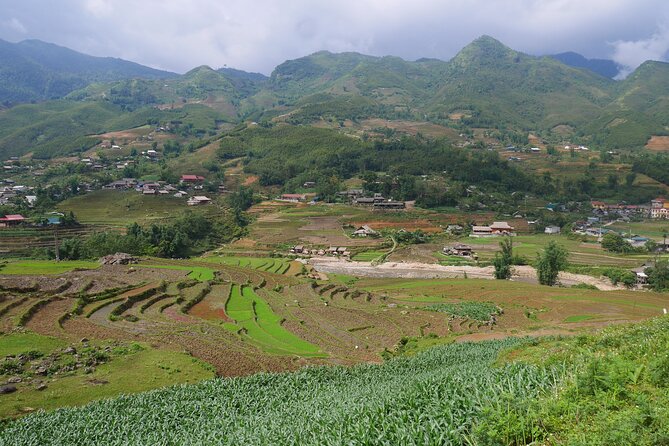
You also get a classic Sapa mix of sights that are hard to replicate from a car. Expect forest sections, ethnic villages, and terraced rice paddies. Even if you’ve seen rice terraces before, the difference here is pacing: you’re walking through the place where people work, not just looking across it.
More Sapa treks and homestays:
- Sapa 2 Days 1 Night From Hanoi – Overnight in Ta Van Village
★ 5.0 · 2,669 reviews - Hanoi – Sapa 2 Days 1 Night Overnight At Homestay
★ 5.0 · 899 reviews - Sa Pa: Muong Hoa Valley Trek and Local Ethnic Villages
★ 4.6 · 864 reviews
Day 1: Hau Thao village, forest hiking, and a home base with shower and breakfast
Day 1 starts with an easy handoff. If you’re arriving by bus, there is pickup around 7am, and you’ll be brought to the Zizi homestay area so you can drop luggage. That small detail helps. It lets you start the first leg without hauling bags through the morning.
Before you hit the trail, you get time to reset. The plan includes a hot shower and a cooked breakfast prepared by Zizi, which sets a comfortable tone for a trek that is otherwise rural and walk-heavy. I like that contrast. It makes the early start feel more doable.
Then the walking begins from Hau Thao village. From there, the route focuses on village life for Hmong minorities in this mountainous area. You’ll likely notice how people and animals coexist, and the trip doesn’t rush past that. Lunch is prepared by the guide during the day, which is practical because it removes one big logistics headache, finding food while you’re still building stamina.
One thing to keep in mind: Day 1 is often where you feel the altitude and the effort most. The route includes a hike through forest, and even if the distance isn’t huge on paper, forest trails tend to be slow going. If you’re planning footwear, treat this as a walking trek, not a casual stroll.
Day 2: Sunrise rice work, a Red Dao village visit, and the waterfall finish
Day 2 is designed around gentle momentum rather than a harsh reset. You wake early for sunrise, then eat breakfast, and you say goodbye to the family and head back into the mountains for the descent.
On the way, you’ll see farmers working early on rice fields. This is one of the subtle joys of the trek. In Sapa, it’s easy to see rice terraces from scenic overlooks with everyone already off-shift. Here, you catch the earlier, working version. It changes how you interpret everything you saw on Day 1, because you understand this isn’t just a landscape, it’s a daily routine.
As you continue, you reach a Red Dao village, the second community type highlighted on the route. That village stop is useful for perspective. Different groups manage their homes and daily work in distinct ways, and seeing that contrast helps you grasp why the broader region is so culturally layered.
The final part of the trek includes a waterfall stop, along with additional village moments on the way down. The practical benefit of a downhill day is that you usually feel less drained at the end than you would on Day 1. Still, downhill can be rough on knees, so take it step by step.
The guide factor, with Li’s personal stories as the main payoff
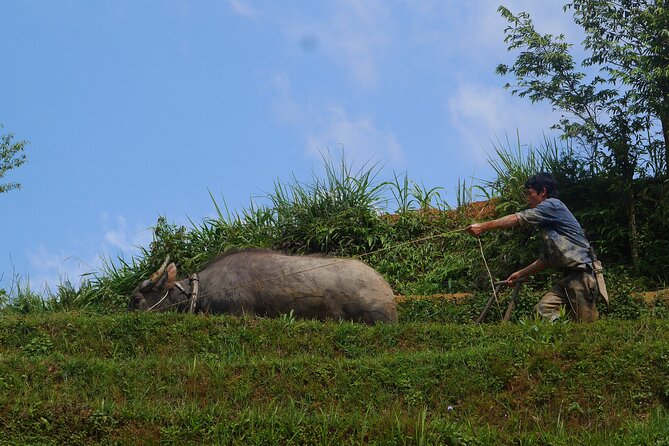
Here’s where this trek earns its five-star reputation. The strongest feedback centers on the guide experience, especially Li, who is described as phenomenal and guided in a personal way through her own lands.
What that means for you is simple: you won’t just get route guidance. You’ll get human context. When your guide shares childhood stories, it helps you connect the dots between what you see now and what people remember from earlier times. The result is that village life feels less like a checklist and more like an ongoing story.
Because the guide is local and English-speaking, you also get better chances to ask questions. In rural trekking areas, you’ll sometimes get a driver-guide who can translate but can’t explain culture. Here, the emphasis seems to be on explanation and storytelling.
If you’re the type who likes conversations, or you want your trek to feel meaningful, this is the kind of trip where that shows up fast.
More treks around Sapa:
- From Hanoi: 2-Day Sapa Trekking Trip with Homestay & Meals
★ 4.8 · 704 reviews - Sapa 3 Days 2 Nights Trekking Tour (1 Night In Ta Van Village, 1 Night In Hotel)
★ 5.0 · 699 reviews - Sapa: Eco Adventure Terrace Fields and Local Villages Trek
★ 4.9 · 636 reviews - 3-Day Trekking Adventure of Sapa from Hanoi – Stay Ta Van Village
★ 5.0 · 611 reviews
How hard is it, what to pack, and what pace to expect
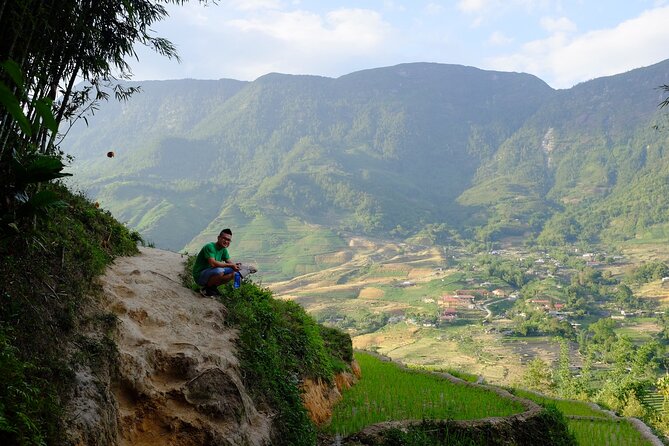
The trekking level is described as suitable for people with moderate physical fitness. That’s a helpful phrase because it suggests you don’t need to be a marathon hiker, but you also can’t treat it as a casual walk.
Expect uneven ground and multiple tempo shifts. Forest paths can slow you down, village sections can feel flatter but still require attention underfoot, and downhill segments on Day 2 can wear out your legs in a hurry if you go too fast.
For packing, stick to basics that work in the mountains:
- Comfortable walking shoes with grip
- A light rain layer, since Sapa weather can change quickly
- A small day bag for water and snacks if you need them between provided meals
- Sunscreen and something for cloud breaks, because mornings can surprise you
Also, if you have balance concerns, go slower than you think you need to. The scenery is great, but the trail deserves your focus.
Price and value: $110 for two days that include real logistics
At $110 per person for about two days, the question is what you get for that money, beyond the scenery. What stands out in the plan is the practical scaffolding:
- Pickup around 7am from the bus station
- Luggage drop at the homestay area
- Hot shower and breakfast on Day 1
- Lunch prepared by the guide
- Sunrise breakfast on Day 2
- An English-speaking local guide, plus the route through villages, rice paddies, forest, and a waterfall stop
- Private format for your group
That combination matters because it lowers your stress. You are not arranging food or scrambling for timing. You’re also paying for a guide who can explain what you’re seeing, not just lead you from point A to point B.
You can also see value in the booking pattern. The trek is often booked about 85 days in advance on average, which suggests demand. That’s often a sign that people know what they’re paying for.
If you want a more budget-style trek with less structure, you might find cheaper options. But if you care about meals, guidance, and a genuine family-based experience, this price sits in a reasonable zone.
Weather, timing, and getting there from Sapa
This trek is weather-dependent. If conditions are poor, the operator offers a different date or a full refund. In mountain areas, that’s not a bad thing. It’s better than forcing a risky or miserable walk.
The planned start window is early, with pickup around 7am and the activity operating from 6:00 AM to 2:00 PM. That early start is part of what makes the sunrise rice-field moment work. If you hate mornings, you’ll still feel the pull of Day 2’s early rhythm, so plan to sleep early.
The tour uses a mobile ticket and confirmation is received at booking. There is also group discounting, which can help if you are traveling with friends.
Finally, you return to the meeting point at the end. That is a simple, comforting loop when you’re trekking for two days.
Who should book this buffalo trek (and who should skip it)
This is a strong fit if you want:
- A village-and-farming focused trek around Sapa
- A homestay-style overnight experience
- A guide-led story experience, especially with a guide like Li who shares personal background
- A mix of forest, terraces, and a waterfall stop
It might be less ideal if you want:
- Minimal walking, or a mostly level walk
- A purely sightseeing vibe with minimal cultural interaction
- A lot of free time for shopping or stops on your own
If you like learning from people and walking through working areas, you’ll get a lot from this trip.
Should you book? My practical take
Book it if your priority is understanding Hmong and Red Dao village life through a guided, family-connected trek. The standout value is not only the scenery, it’s the human storytelling and the overnight setting tied to the buffalo house, plus the fact that meals and early timing are handled for you.
Skip or rethink if you want a fast, photo-only route, or if you’re not comfortable with a moderate fitness level and uneven downhill walking. Also consider that weather matters here, and you’ll want to keep your schedule flexible.
FAQ
FAQ
Where does the trek start and end?
The experience starts at Hmong Sister House and Trekking in Ta Van, Muong Hoa, Sa Pa, Lao Cai, Vietnam. It ends back at the same meeting point.
How long is the buffalo trek?
It’s listed as 2 days (approximately).
What is the price per person?
The price is $110.00 per person.
Is pickup included?
Yes. There is pickup offered, and the plan mentions picking you up at the bus station around 7am and bringing you to the Zizi homestay area to leave luggage.
What language will the guide speak?
The trek includes a local English speaking Hmong guide.
How fit do I need to be?
The trek is for travelers with a moderate physical fitness level.
Is this private or group travel?
It is private. Only your group will participate.
Are service animals allowed?
Yes, service animals are allowed.
What happens if weather is bad?
This experience requires good weather. If it’s canceled due to poor weather, you’ll be offered a different date or a full refund.
Can the trek be customized?
Yes. The trek can also be customized differently by request.
More Hiking & Trekking in Sapa
- Number one top rated ethical cultural trekking and homestay by ETHOS
★ 5.0 · 456 reviews - 2-Day Sa Pa Ethnic Homestay Tour & Trek with Limousine Bus
★ 4.8 · 440 reviews - From Sapa: 1-Day Guided Trek to Lao Chai & Ta Van with Lunch
★ 4.9 · 416 reviews - Sa Pa Full Day Trekking Tour
★ 5.0 · 414 reviews
More Buffalo Ride Experiences in Sapa
- Funny day cycling, Buffalo riding and Basket boat
★ 4.9 · 141 reviews - BUFFALO RIDING -BASKET BOAT & BIKE TOUR-HOI AN
★ 4.7 · 124 reviews - Hoi An countryside biking tour, water buffalo+ basket boat ride
★ 5.0 · 75 reviews - Hoi An: Countryside by Cycling, Buffalo Riding & Do Farming
★ 4.9 · 36 reviews
New listings around Sapa
- 2-Days Sapa Trekking and Overnight in Tavan Village★ 4.0 · 37 reviews
- 2 Days Sapa Trekking In Cat Cat And Ta Van Village From Hanoi★ 4.5 · 14 reviews
- VIP LUXURY Sapa 2D1N -TRANSFER BY LUX LIMOUSINE CAR (Stay at 5* hotel)★ 4.5 · 24 reviews
- 2-Days Sapa Tour with Fansipan Cable Car Trekking Three Village★ 4.5 · 31 reviews
- Trekking Like A Boss around Sapa with options★ 4.0 · 11 reviews
- Private Transfers Ha Giang <=> Sapa One Way (Free Hotel Pickup)★ 4.5 · 24 reviews
- From Hanoi, Sapa: Premium Tour-3D2N Ha Giang Loop with Easy Rider★ 5.0 · 81 reviews
- Sapa: Private The Most Beautiful Terraced Fields Trekking★ 4.8 · 42 reviews
Sapa Trekking & Homestays, compared.
Sapa 2 Days 1 Night From Hanoi – Overnight in Ta Van Village
Read our review →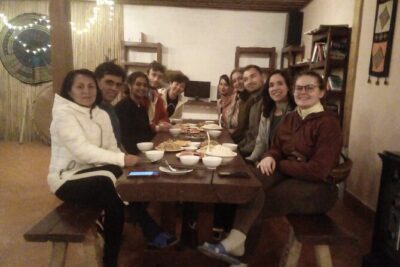

Muong Hoa Valley Trek and Local Ethnic Villages
Read our review →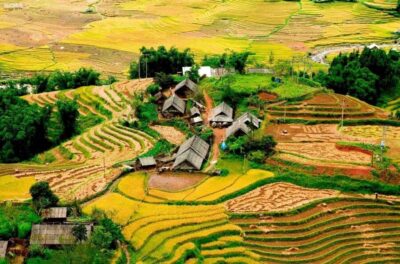

Sapa 3 Days 2 Nights Trekking Tour (1 Night In Ta Van Village, 1 Night In Hotel)
Read our review →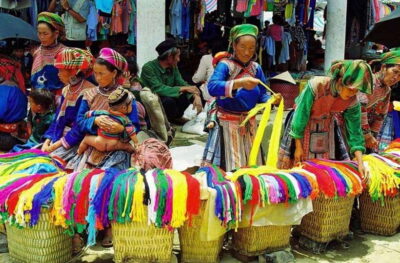
Eco Adventure Terrace Fields and Local Villages Trek
Read our review →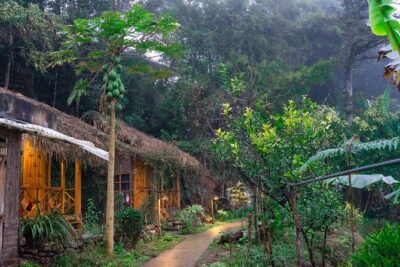
3-Day Trekking Adventure of Sapa from Hanoi – Stay Ta Van Village
Read our review →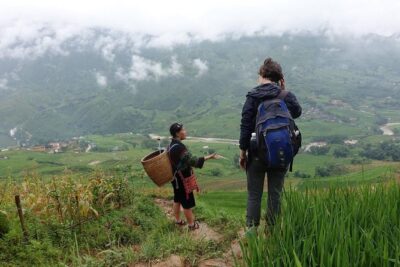
Number one top rated ethical cultural trekking and homestay by ETHOS
Read our review →Browse the lists this tour appears in