
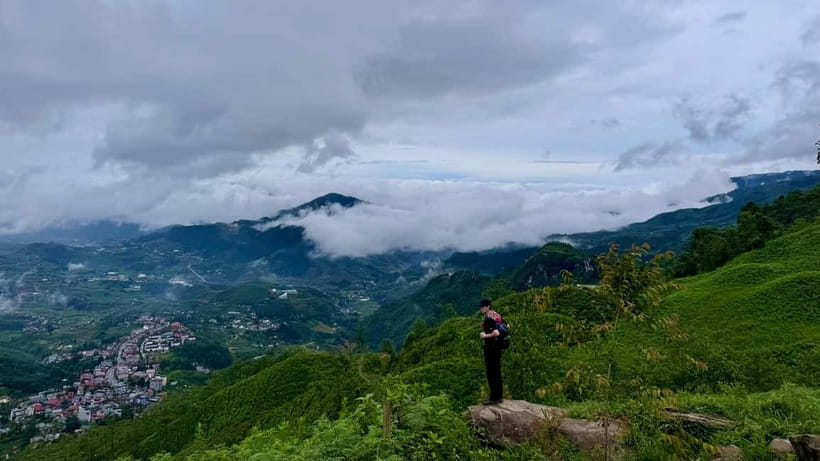
Reviewed · SAPA TREKKING & HOMESTAYS
Sapa 2-Day Trekking Tour – Explore Villages & Scenic Trails
Two days, one real Sapa rhythm. I like the small-group pace and the homestay meals that feel made for sharing, not feeding a crowd. The one big catch is the walking is real, about 10 to 14 km a day, and it is not a fit if you have back problems, mobility limits, or heart issues.
Your route choice changes the whole mood. Ta Van leans into Muong Hoa Valley views and a gentler cultural walk through villages like Y Linh Ho and Lao Chai, then into a Dzay homestay for an evening with stories by the fire. Hau Thao pushes harder for quieter, remote Hmong territory with longer distances and more cliffside trail feel.
Guides can be the difference between a decent hike and a meaningful one, and this tour clearly puts effort into that. Expect English and Vietnamese support, careful check-ins, and guides who adjust routes if needed, plus solid food planning when allergies or dietary preferences come up.
In This Review
- Why This 2-Day Sapa Trek Feels Different Than Usual
- Ta Van vs Hau Thao: Choose Your Sapa Mood Carefully
- Day 1 From Sapa Town to Muong Hoa Valley Villages
- A note on pace
- Day 1 Lunch, Rice Terraces, and the Homestay Evening
- Day 2 Ta Van Route: Suspension Bridge, Bamboo Forest, Waterfall Country
- Day 2 Hau Thao Route: Narrow Trails and Cliffside Scenery
- Guides, Group Size, and Why It Matters on This Trek
- What to Pack for Sapa Trek Weather and Mud
- Transportation and Timing Without the Headache
- Price and Value: Is $58 a Smart Deal?
- Should You Book This 2-Day Sapa Trek?
- FAQ
- How long is the trek?
- What time does the trek start?
- How far do you walk each day?
- Do I stay in a homestay overnight?
- What meals are included?
- Which route should I choose, Ta Van or Hau Thao?
- What should I bring?
- Is the trek safe to do in rainy season?
Why This 2-Day Sapa Trek Feels Different Than Usual
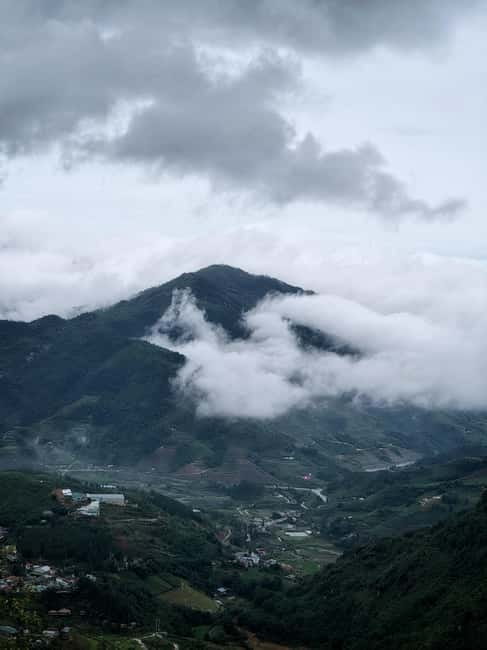
This is a Sapa hike built around two simple ideas: walk with local knowledge, and sleep in a real village setting. You move between well-known name villages like Y Linh Ho and Lao Chai, then branch into either Tả Van or Hầu Thào depending on how you want your Sapa to feel.
I also like that the tour is not trying to turn a culture stay into a performance. The homestay is described as traditional meals, a private room for your night, and time to slow down after your day’s trekking. That means you get a different kind of memory than just photos of rice terraces.
The practical side is clear too. The trek runs year-round, moderate in difficulty, with daily distances roughly in the 10 to 14 km range. If you’re comfortable hiking in uneven terrain and don’t mind mud in rainy season (May to September), this feels like a smart value for what you get.
Ta Van vs Hau Thao: Choose Your Sapa Mood Carefully
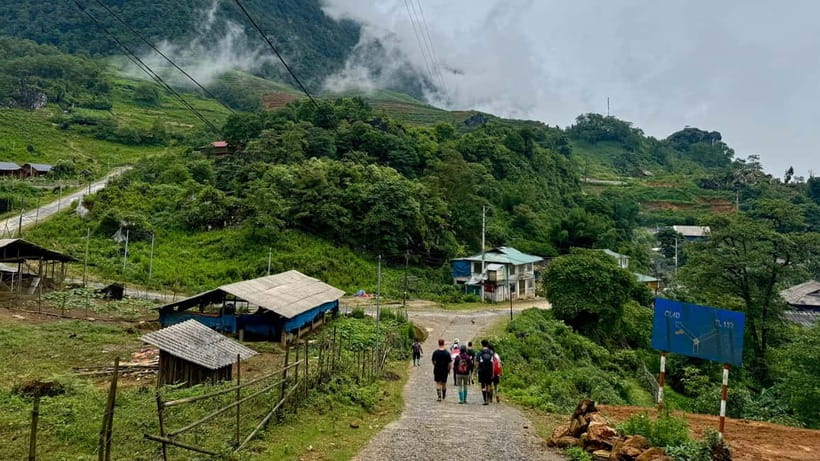
You pick your route when booking: Tả Van or Hầu Thào. Both share the same first trail segments through Sapa Town, Y Linh Ho, and Lao Chai, then split into very different days.
Ta Van route, cultural and gentler
- You head through Muong Hoa Valley with iconic rice terrace views and easier walking rhythm.
- You visit Y Linh Ho and Lao Chai for colorful costumes and crafts.
- You arrive in Tả Van for an overnight Dzay homestay, with a dinner and an evening atmosphere that feels local rather than scheduled.
Hau Thao route, remote and more adventurous
- You continue trekking toward the mountains after the first day villages.
- You reach the remote Hầu Thào village, with panoramic views and fewer tourist pressures.
- You enjoy a traditional dinner with a Black Hmong family.
- Day 2 includes more narrow mountain trails and dramatic cliffside scenery.
If you’re torn, choose based on your comfort level. If you want a balanced mix of village life and scenic walking, Ta Van is the easier on ramp. If you crave quieter paths and longer stretches with more rugged feel, Hau Thao is the better match.
More Trekking Tours in Hanoi
- Halong Bay Full Day with Kayaking, Hiking viewpoint, Cave – Deluxe To Luxury
★ 5.0 · 884 reviews - From Hanoi: 2-Day Sapa Trekking Trip with Homestay & Meals
★ 4.8 · 704 reviews - Sapa 3 Days 2 Nights Trekking Tour (1 Night In Ta Van Village, 1 Night In Hotel)
★ 5.0 · 699 reviews
Day 1 From Sapa Town to Muong Hoa Valley Villages
The trek starts at 9:00 AM from Sapa Town. Plan to arrive 15 to 30 minutes early for check-in, luggage storage, and a briefing. You are told the meeting point area is about 1 km from Sapa’s central zone, so it is not out in the sticks before you even start.
From there, the day follows a classic Sapa pattern, but with some helpful structure:
- Walk from Sapa into Muong Hoa Valley
- Stop at Y Linh Ho
- Continue to Lao Chai
- Have lunch with rice terrace views
- Finish the day in either Tả Van or Hầu Thào for your homestay night
Y Linh Ho and Lao Chai are highlighted for colorful ethnic costumes and crafts. That matters because it gives your eyes something to look for besides just the ground under your feet. When the guides point out what you’re seeing, those short village stops become more than quick photo stops.
A note on pace
The walking distance target for the whole trek is about 10 to 14 km per day. Reviews describe it as well paced, with some days feeling manageable when your guide keeps a steady rhythm. If you have knee concerns, wear supportive shoes and keep your legs loose early rather than trying to push through stiffness.
Day 1 Lunch, Rice Terraces, and the Homestay Evening

Lunch is not treated like a rushed pit stop. You’ll eat while looking over the rice terraces, which is exactly when you want a break. This kind of meal break is one of the reasons short hikes in Sapa feel special, because you get to sit in the scenery rather than sprint through it.
After lunch, your day ends at your homestay:
- Ta Van overnight: Dzay homestay, dinner included, and an evening that can include stories by the fire.
- Hau Thao overnight: remote village setting, dinner with a Black Hmong family.
Practically, you get a private room for the night. That is a big plus for comfort after a trekking day. Reviews also mention homestays that are warm and welcoming, with cozy setups and food that people remember as a highlight.
One more thoughtful detail: meals are planned with dietary options. You are told vegetarian or vegan breakfast is available, and reviews mention allergy care with careful double-checks with the host families. If you have specific dietary needs, message it in advance so your guide can handle it smoothly.
More Sapa treks and homestays:
- Sapa 2 Days 1 Night From Hanoi – Overnight in Ta Van Village
★ 5.0 · 2,669 reviews - Hanoi – Sapa 2 Days 1 Night Overnight At Homestay
★ 5.0 · 899 reviews - 3-Day Trekking Adventure of Sapa from Hanoi – Stay Ta Van Village
★ 5.0 · 611 reviews - Sapa 2 Days 1 Night From Hanoi – Overnight in Hotel
★ 5.0 · 440 reviews
Day 2 Ta Van Route: Suspension Bridge, Bamboo Forest, Waterfall Country

Day 2 starts after breakfast, then follows a distinct sequence on the Ta Van track:
- Cross a suspension bridge
- Trek through bamboo forests
- Walk to Giang Ta Chai, a Red Dao village by a waterfall
- Lunch is included
- A driver returns you back to Sapa after lunch
That suspension bridge moment is the kind of place where you feel the valley open up. It is short, but it changes the feeling of the hike from village-to-village to trail-with-a-view.
The bamboo forest segment is also a nice contrast. Even when you’re focused on footing, trees create shade and a cooler microclimate, and bamboo paths tend to feel quieter than the open terrace edges.
Giang Ta Chai is described as a Red Dao village by a waterfall. The “by a waterfall” part matters, because it adds a natural landmark to help you understand where you are in the Sapa region. Reviews also mention a refreshing swim opportunity at a nearby waterfall for those who pack accordingly, so consider bringing a swimsuit if you’re the type who likes to take the option when it shows up.
After lunch, you are picked up by your driver and taken back to Sapa. This keeps the second day from turning into an exhausting end-to-end grind.
Day 2 Hau Thao Route: Narrow Trails and Cliffside Scenery
If you choose Hau Thao, Day 2 leans more “mountain trek” than “valley stroll.” After breakfast in Hau Thao, you head toward:
- Giang Ta Chai (Red Dao village by a waterfall)
- Then back to Sapa after lunch
The big difference is the type of walking. This route includes narrow mountain trails and dramatic cliffside scenery before returning. If you love views and you’re okay with fewer flat stretches, this is the more adventurous option.
The upside is fewer crowds. The tour is positioned as off-the-beaten-path for Hau Thao, and reviews describe quieter villages and a peaceful feel. The trade-off is that you should treat day two as physically serious, not just scenic.
Guides, Group Size, and Why It Matters on This Trek
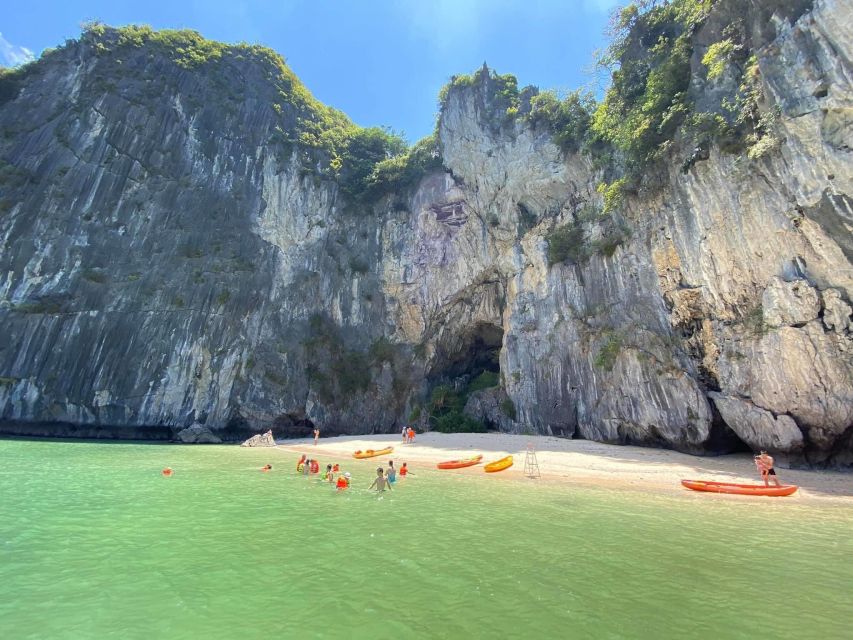
One of the strongest signals from the feedback is how much the guides shape the experience. People mention English communication that is clear and easy to follow, plus guides who share practical context about local life and answer questions without making the hike feel like a lecture.
Names that come up include Mao, Thao, Sung, Su, Chai, Ai, and others. Even when the name changes, the pattern is consistent: guides seem to manage the group in a human way.
Small groups show up repeatedly too. One review describes a group of only five people, which is rare for a Sapa trek and makes it easier to:
- set your own pace with fewer bottlenecks
- take breaks without feeling rushed
- ask questions while you’re still on the topic
Reviews also mention route adjustments for people who needed an easier path. That is not just “nice,” it is safety-minded. A good guide keeps everyone together and adapts the plan when it makes sense.
What to Pack for Sapa Trek Weather and Mud

The essentials are clearly listed, and you should follow them:
- Comfortable shoes (hiking shoes preferred)
- Sun hat and sunglasses
- Change of clothes
- Water bottle and water
- Comfortable clothes, plus long pants
- Insect repellent
- Rain jacket (especially during May to September)
This matters because Sapa trails can be muddy during rainy season. The tour runs year-round, which is great, but it also means trail conditions vary fast. If you pack for dry weather only, you’ll spend day two thinking about your socks instead of thinking about the views.
Also, keep your bag strategy simple. Big bags can be stored at the office, so bring a small daypack for what you need during the hike.
Transportation and Timing Without the Headache
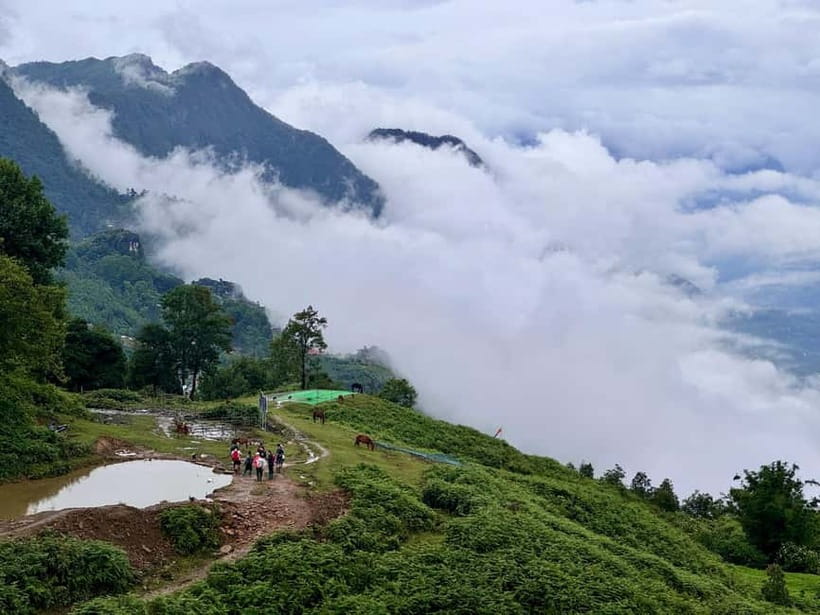
Timing is straightforward. You start at 9:00 AM and you should arrive 15 to 30 minutes early for check-in and luggage storage. Day 2 includes a return transfer by driver back to Sapa after lunch.
From the way people describe the overall trip flow, the operator also supports multi-leg travel from Hanoi with sleeper train or bus options, plus pick-ups that keep things organized. Names like Viet show up in feedback for WhatsApp support and clear instructions. I’d treat this as a good sign if you want a trek that does not require constant coordination on your end.
One practical caution: the package details mention transfers tied to Cat Ba and a day cruise on Lan Ha Bay and Ha Long Bay, including kayak rentals. That is not impossible alongside a Sapa trek, but it is unusual. Before you commit, double-check your final confirmation so you know whether you’re joining a bay cruise portion or if it is strictly the Sapa walking experience.
Price and Value: Is $58 a Smart Deal?
$58 per person is not just “cheap.” It is plausible value if what you’re getting is:
- guiding by local experts
- homestay accommodation for one night in a private room
- all meals during the trekking package (two lunches, one dinner, one breakfast)
- necessary tickets for sightseeing tied to the itinerary
- a structured walk distance, roughly 10 to 14 km per day
The meals and homestay are the biggest value drivers. In rural areas, paying for trekking services without local food planning can mean lots of awkward extra spending later. Here, the package includes your meals, and there’s even mention of allergy care and dietary checks with host families.
The second value driver is risk management. When guides handle pace and keep the group together, you waste fewer energy hours on confusion and wrong turns. You also get route choices that meaningfully change your experience, not just a different photo at the end.
So the decision isn’t only “is $58 low.” It is “is this tour structured in a way that protects your time, your energy, and your food needs.” Based on the pattern in the feedback, it often is.
Should You Book This 2-Day Sapa Trek?
Book it if you want:
- a small-group trekking day with English support
- the option to choose between Ta Van for easier cultural walking or Hau Thao for remote, adventurous feel
- a homestay with a private room and traditional meals
- rice terrace views plus village stops that include crafts and local costume sights
Skip or think twice if:
- you have knee issues or your fitness is limited, because the daily distance is still 10 to 14 km
- you have back problems, mobility limits, heart issues, or you’re pregnant
- you are sensitive to insects, since you are advised to bring repellent and some routes are outdoors year-round
- you hate muddy trails, because rainy-season conditions can make paths slippery
If you book, the best move is to match your route to your hiking style. Ta Van tends to fit people who want culture plus scenery without feeling worn out. Hau Thao fits people who like rougher terrain, more cliffside trail feel, and quieter village access.
One last tip: pack proper shoes and a rain layer. That simple combo is what turns a tough day into a rewarding one.
FAQ
How long is the trek?
It is a 2-day, 1-night trekking tour. You start in the morning from Sapa Town and return to Sapa after lunch on the second day.
What time does the trek start?
The trek starts at 9:00 AM from Sapa Town. You should arrive 15 to 30 minutes early for check-in and briefing.
How far do you walk each day?
You can expect about 10 to 14 km per day. The difficulty is described as moderate, with basic fitness needed.
Do I stay in a homestay overnight?
Yes. You stay for one night at a homestay with a private room. Traditional meals are included as part of the package.
What meals are included?
The package includes two lunches, one dinner, and one breakfast. Vegetarian or vegan options for breakfast are available.
Which route should I choose, Ta Van or Hau Thao?
Choose Ta Van for a cultural, gentler route through Muong Hoa Valley and toward a Dzay homestay. Choose Hau Thao for a more remote and adventurous route with longer distances and narrower mountain trails.
What should I bring?
Bring comfortable shoes, water, long pants, insect repellent, a sun hat, sunglasses, a change of clothes, and a rain jacket if you have one.
Is the trek safe to do in rainy season?
The trek runs year-round, but trails may be muddy during rainy season (May to September). You should be prepared for wet, slippery ground and bring rain protection.
More Hiking & Trekking in Hanoi
- Ninh Binh: Hoa Lu, Trang An and Mua Caves Hiking Day Trip
★ 4.5 · 163 reviews - From Hanoi: Trek and Stay: 3-Day Sapa Highlands Adventure
★ 4.6 · 152 reviews - From Hanoi: Ninh Binh Boat Ride, Mua Cave Hike, Temple Visit
★ 4.7 · 146 reviews - Sapa: 3-Day, 3-Night Trek and Hotel with Overnight Train
★ 4.2 · 64 reviews
Treks Around Hanoi
- 3D and 2N Lan Ha Bay Cat Ba Island Kayaking & Trekking with Vega
★ 5.0 · 593 reviews - 2-Day Sa Pa Ethnic Homestay Tour & Trek with Limousine Bus
★ 4.8 · 440 reviews - Hanoi – Sapa 3 Day 2 Night Trekking With Hotel & Homestay
★ 5.0 · 389 reviews - From Hanoi: 2-Day Sapa Trek Tour – Luxury Limousine Transfer
★ 4.1 · 249 reviews
New listings around Hanoi
- 2Days-1Night Halong Bay Luxury Genesis Regal Cruises★ 4.5 · 39 reviews
- 20-Day Vietnam Itinerary | Discovery and Beach Relaxation★ 5.0 · 18 reviews
- 3 Day 2 Night Trek★ 5.0 · 18 reviews
- La Regina 2 days tour in Halong Bay & Bai Tu Long Bay – 4 star★ 5.0 · 61 reviews
- 21-Day Vietnam Itinerary Explore North to South Highlights★ 5.0 · 16 reviews
- Full-Day Hop On Hop Off Bus Tour in Hanoi★ 4.0 · 12 reviews
- 2 Days Ha long Sapphire Cruise★ 5.0 · 45 reviews
- 2 Weeks Vietnam and Cambodia – Super Saving – Amazing Experience★ 5.0 · 20 reviews
Sapa Trekking & Homestays, compared.
Sapa 2 Days 1 Night From Hanoi – Overnight in Ta Van Village
Read our review →

Muong Hoa Valley Trek and Local Ethnic Villages
Read our review →

Sapa 3 Days 2 Nights Trekking Tour (1 Night In Ta Van Village, 1 Night In Hotel)
Read our review →
Eco Adventure Terrace Fields and Local Villages Trek
Read our review →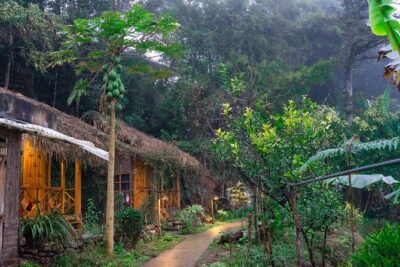
3-Day Trekking Adventure of Sapa from Hanoi – Stay Ta Van Village
Read our review →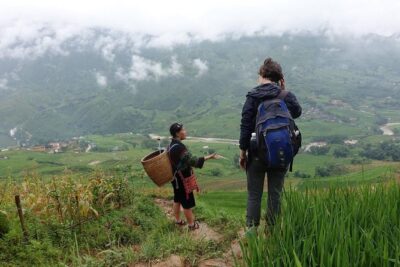
Number one top rated ethical cultural trekking and homestay by ETHOS
Read our review →Browse the lists this tour appears in