
Reviewed · SAPA TREKKING & HOMESTAYS
From Hanoi: 2-Day Sapa Limo Bus Tour & Fansipan Peak Visit
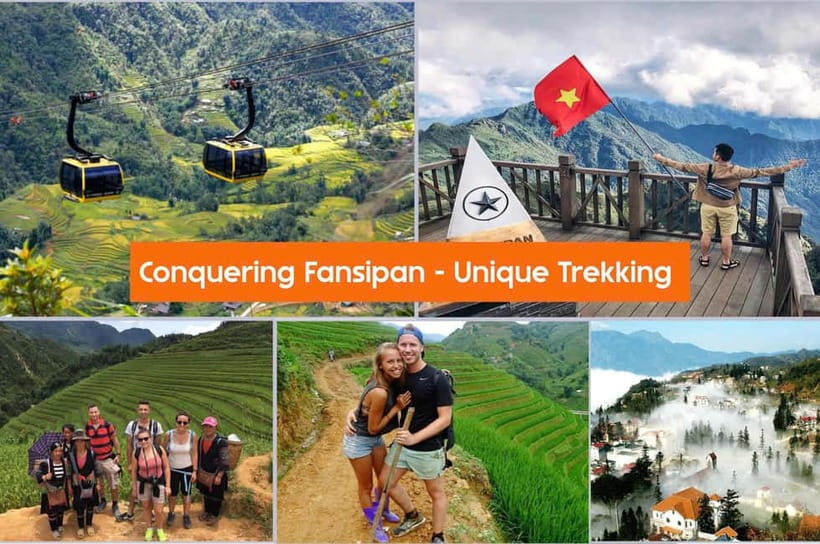
Fansipan feels like another planet. This 2-day Hanoi to Sapa route mixes a Limousine ride with village trekking and a cable car ascent to the Roof of Indochina. It is a good way to see northern Vietnam’s high-country life without doing all the planning yourself.
What I like most is the Day 1 walking time with a local English-speaking guide in Lao Chai and the Ta Van area. I also like that you get real free time back in Sapa, so you are not locked to the schedule the whole trip.
The main thing to watch is weather and effort. If it is rainy or foggy, you may get limited views at Fansipan, and the 600 steps from the cable car area to the peak can feel tough at altitude.
In This Review
- Key highlights I’d circle on your plan
- Hanoi to Sapa by Limousine: timing, comfort, and restroom stops
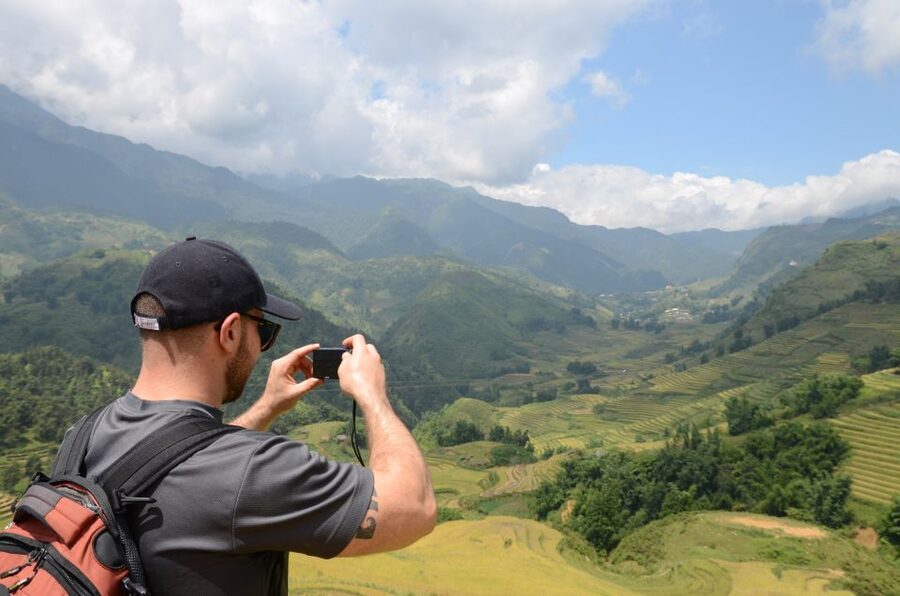
- Lao Chai and Ta Van Trek: rice terraces, Muong Hoa Stream, and tribe life
- Sapa hotel and meals: what’s included, and what can be basic
- Fansipan Peak via Cable Car: pagoda stops and the 600 steps
- Sapa free time: how to use it for markets and easy mountain views
- Price and logistics: cable car cost, cash rules, and weather reality
- Who this tour fits best (and who should reconsider)
- Should you book this Hanoi to Sapa and Fansipan tour?
- FAQ
- What is included in the 2-day Hanoi to Sapa tour?
- How much is the Fansipan cable car ticket, and when do I pay?
- Are meals included during both days?
- How long is the cable car ride to Fansipan?
- How hard is the walk to the Fansipan peak?
- What villages do you visit on Day 1?
- Do I get an English-speaking guide?
- Should I carry cash in Vietnamese dong?
- What should I pack for trekking and the mountain weather?
Key highlights I’d circle on your plan
- Local English-speaking guide during the Lao Chai and Ta Van village visit, helping you make sense of day-to-day culture
- Cable car ride to Fansipan plus 600 steps to the Roof of Indochina, including a pagoda stop
- Limousine bus with scenic stops, and on some options, sleeper-cabin comfort for the long Hanoi to Sapa drive
- A balanced mix of trekking, scenic mountain time, and Sapa free exploration
- Cash-first reality in Sapa, since banking can be spotty (USD, euros, and Australian dollars work)
Hanoi to Sapa by Limousine: timing, comfort, and restroom stops
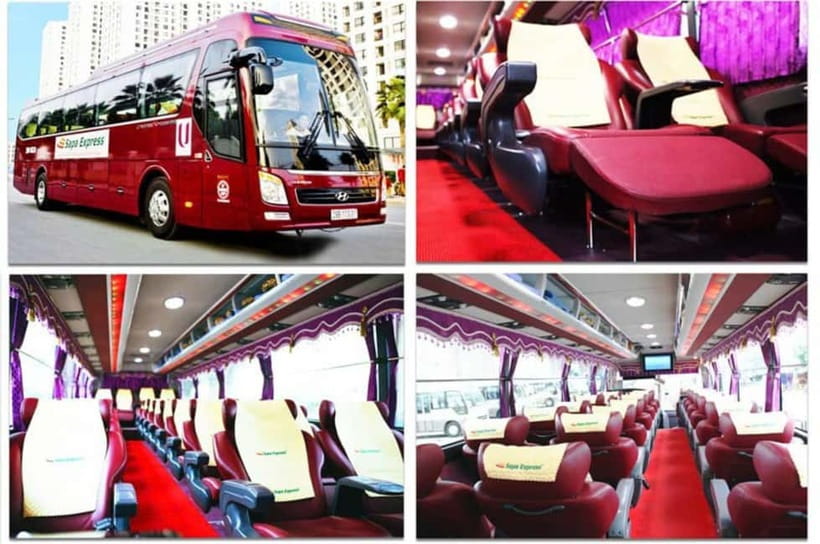
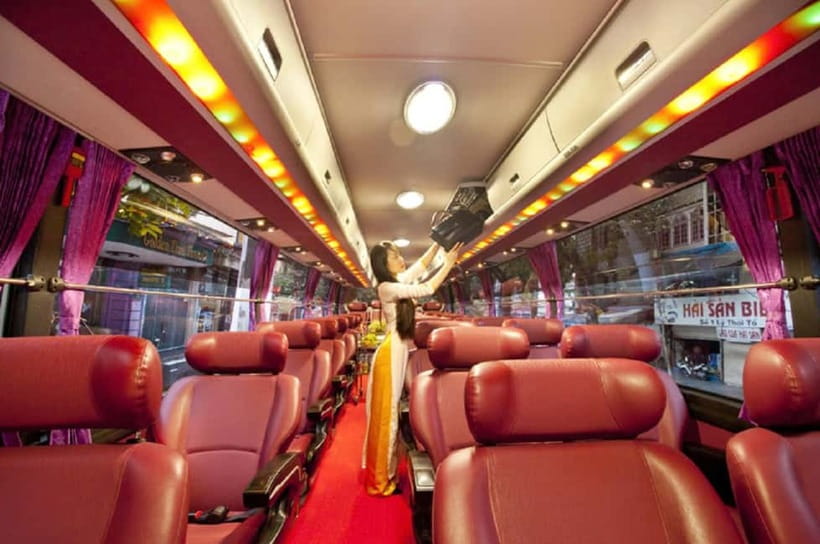
This trip starts early from Hanoi, then heads north to Sapa by Limousine bus. Along the way, you get short breaks in Phu Tho Province and in Lao Cai city before continuing on to Sapa town. It is the kind of day that starts with motion, but the route is scenic enough that it never feels like pure sitting.
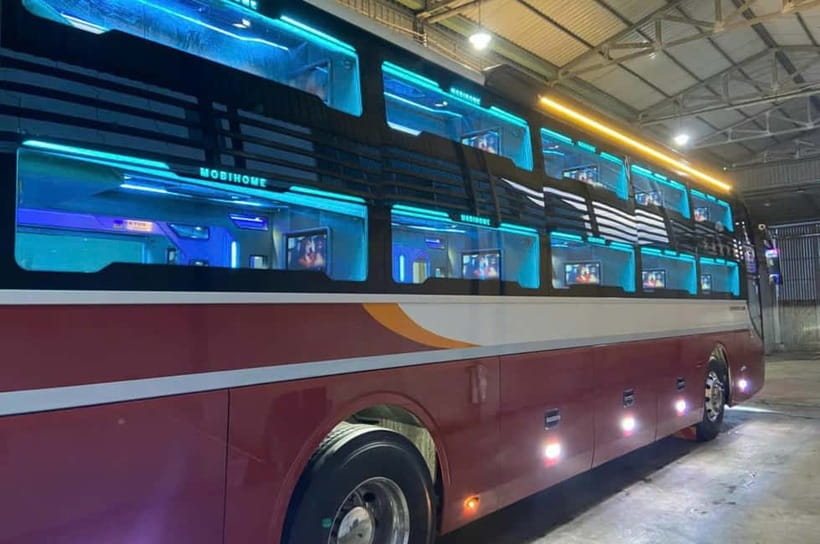
On some departures, you may travel in a sleeper-bus style setup with individual cabins. People describe it as a real upgrade, with the ability to lie down, plus a couple of food and bathroom stops each direction. One practical note, though: not every bus option is set up with an onboard toilet, so treat restroom time as stop-based, not as something you can count on anytime.
If you are sensitive to long rides, this is the one part where you should plan with a little extra patience. The trip is often around 6 hours each way, and that means you’ll want comfort items ready: water, a layer for the bus (it can run cool), and snacks if you get peckish between stops.
More Sapa treks and homestays:
- Sapa 2 Days 1 Night From Hanoi – Overnight in Ta Van Village
★ 5.0 · 2,669 reviews - Hanoi – Sapa 2 Days 1 Night Overnight At Homestay
★ 5.0 · 899 reviews - From Hanoi: 2-Day Sapa Trekking Trip with Homestay & Meals
★ 4.8 · 704 reviews
Lao Chai and Ta Van Trek: rice terraces, Muong Hoa Stream, and tribe life
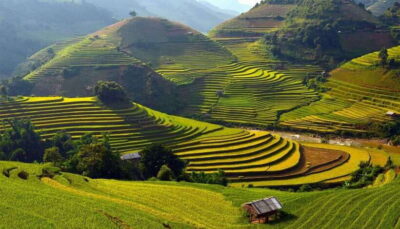
Day 1 is where the trip shifts from transport to people and place. After lunch in Sapa with included Vietnamese dishes, you head into the hills for a trek through rice terraces and along the Muong Hoa Stream. The area is framed by the Hoang Lien Son mountain range, and the walking route is designed to feel like a real village outing rather than a rushed photo parade.
You will arrive in Lao Chai, described as a Black Hmong village set around mountain views. From there, your local English-speaking guide helps connect what you see with how people live, work, and move through the landscape. In guides like Song, Somg, Susu, and Lô, people specifically praise how gentle and organized the experience feels, and how much context the guide brings to the culture.
How long should you plan for? Based on the experience pacing shared by guests, the main walking time is often just over 3 hours when you move at a leisurely pace with photo stops. That is long enough to feel like you earned the views, but it is not so extreme that you need technical gear.
Still, be realistic. You are trekking at altitude, with mountain sun that can burn even when the air feels cool. Bring your trekking shoes, sunglasses, sunscreen, and insect repellent. If you’re not used to uneven paths, you will appreciate footwear with solid grip, especially after mist or light rain.
One extra detail worth knowing: some meals and stops in Sapa area can be close to everyday village reality. I’d go in with an open mind. Even if you are not expecting anything dramatic, you might encounter sights you’d rather not see while eating at a local spot. If that would bother you, you can handle it by eating mindfully and stepping out for a breath between courses when you need it.
Sapa hotel and meals: what’s included, and what can be basic
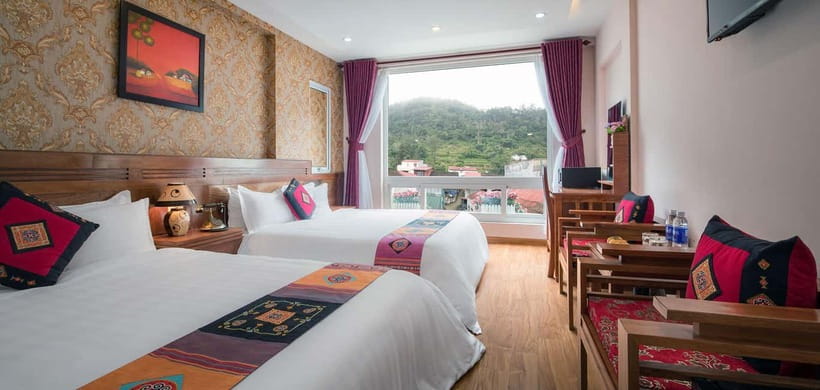
Meals are a real part of the value here. You get 2 lunches and 1 dinner on Day 1 and Day 2, plus breakfast. The tour includes hotel accommodations in a 3-star property on a twin-sharing basis.
For most people, the food coverage is the key benefit because it removes decision fatigue. You are not trying to find a restaurant right when you arrive tired. Breakfast is included, dinner is included, and lunch is scheduled both days, including lunch at your hotel after you come back from Fansipan.
That said, don’t expect every meal to be a food-critic moment. Some guests describe set menus as basic or ordinary, and a couple note disappointment. If you are picky, I’d treat these meals as fuel, not entertainment.
The hotel side can also be a mixed bag, depending on your specific room and property condition. Most descriptions focus on clean and practical rooms, and some mention good perks like a pool. A few guests, though, report basic issues like missing toilet paper, towels that were not obvious where to find, and showers that spray into the bathroom area. My advice: pack light necessities in your day bag (like a small roll of tissues) and keep your expectations realistic for a 2-day package.
Location matters. People mention their hotels are near Sapa’s market and night market area, which is helpful because you can use your free time without fighting long commutes.
Fansipan Peak via Cable Car: pagoda stops and the 600 steps
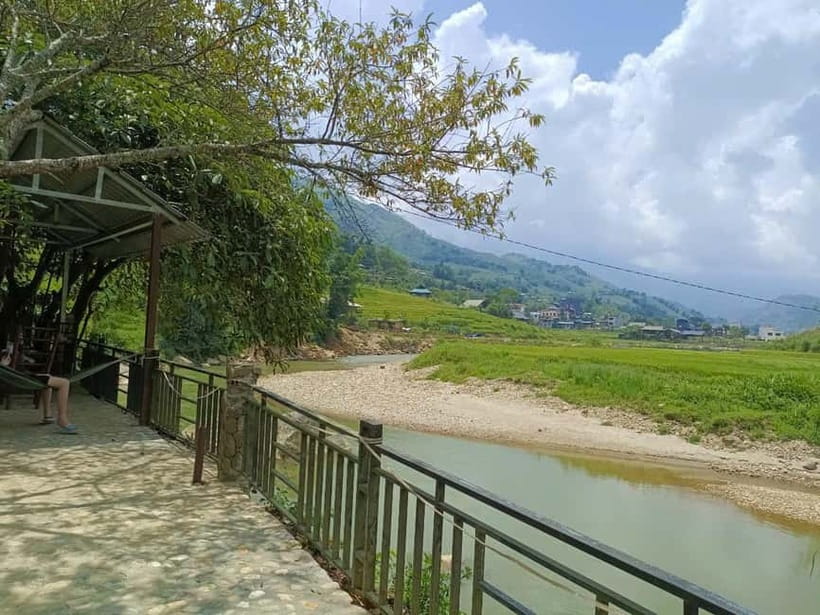
Day 2 is built around a single big moment: Fansipan Peak, often called the Roof of Indochina. After breakfast, you transfer to the cable car station. Your driver helps you buy the cable car ticket, and then you take the cable car ride up on your own.
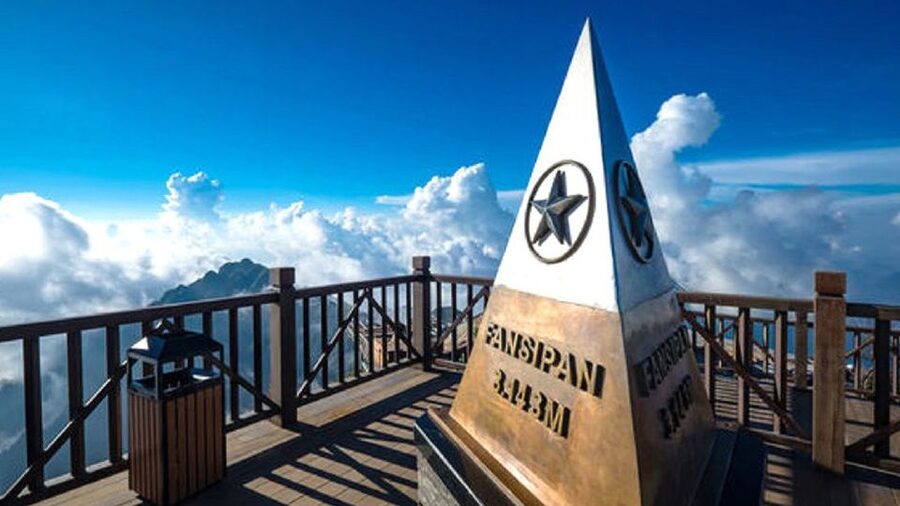
The cable car ride is about 20 minutes. Once you are up, you explore the temple area and then climb 600 steps to reach the peak. Plan for cold air and wind up top. Even if the ride is smooth, the final climb is the part you feel in your legs.
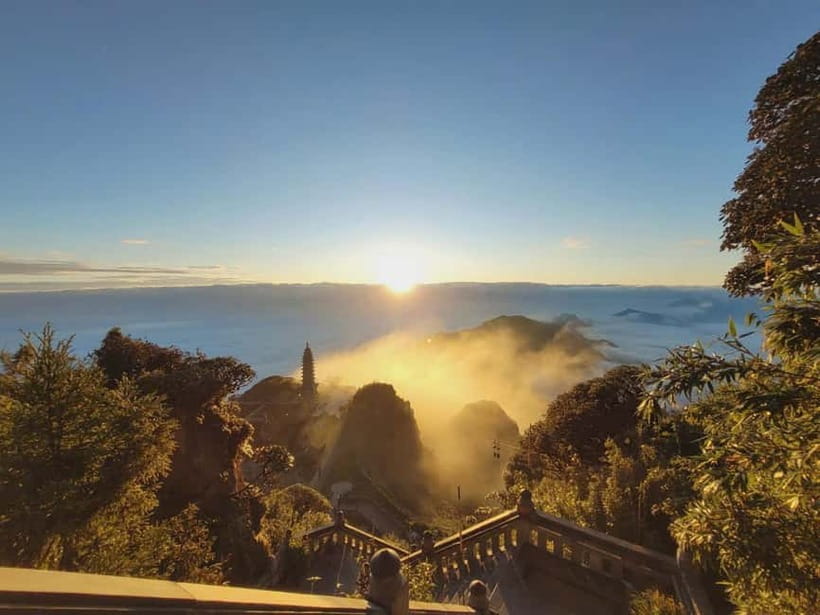
Weather is the wildcard. In clear conditions, the experience can feel otherworldly. When it is rainy or misty, it can turn into a fog-wrapped climb with limited visibility. People also describe it as giddy in a good way due to the high altitude, around 3,400 meters, even if they were not climbing the entire time on foot.
There is also a practical choice point: if you truly do not want to climb, you might find alternatives are available on-site such as a mono rail option. The exact availability can vary, but it is worth knowing that the 600-step part is not for everyone.
What to do on top, besides the steps? Use the time for the temple/pagoda area and the peak views. People note that wind and cold can hit fast, so bring a warmer layer even if the base of Sapa feels mild.
Also, be aware that Fansipan operations can shift. One guest reported that when Fansipan was under maintenance, the operator substituted a Glass Bridge visit. If your trip dates are flexible, you can accept that possibility, and if you are not, it is still worth asking what the current operating plan is close to departure.
More day trips out of Hanoi:
- Full-Day Ninh Binh Highlights Tour from Hanoi
★ 5.0 · 7,761 reviews - Ninh Binh Full-Day Tour from Hanoi to Hoa Lu, Tam Coc & Mua Cave Via Boat & Bike
★ 5.0 · 4,384 reviews - Ninh Binh HIGHTLIGHT & HIDDEN GEM Tour From Hanoi: Skip-The-Line
★ 5.0 · 4,212 reviews - Ninh Binh Full-Day Small Group of 9 Guided Tour from Hanoi
★ 5.0 · 1,422 reviews
Sapa free time: how to use it for markets and easy mountain views
You get time back in Sapa after lunch at your hotel. This is when I treat the schedule like a gift: you are back at ground level, your legs are not trekking anymore, and you can choose your own pace.
Use this window for two things. First, stroll the town center. Sapa’s market and night market area show up in multiple guest descriptions as being within reach from hotels, which makes it easier to snack and browse without planning a separate excursion.
Second, grab viewpoints on foot when you feel like it. Even in imperfect weather, the mountain atmosphere sticks around. A lot of the appeal of Sapa is not only the peak. It is also that slow sense of scale when you look out over the valley from town streets and small terraces.
If your feet feel tired after the trek and steps, keep your plan simple: coffee, a short walk, photos, then an early return to recharge for the bus ride home.
Price and logistics: cable car cost, cash rules, and weather reality
Let’s talk value in plain terms. What you get is structured: round-trip bus between Hanoi and Sapa, a 3-star hotel for one night on a twin-sharing basis, and a full set of meals (2 lunches, 1 dinner, 1 breakfast). You also get entrance to the Lao Chai Ta Van village area, plus transportation back from Lao Chai Ta Van to the hotel. The village part includes a local English-speaking guide and transfers between the hotel and the cable car station.
The big extra cost is the Fansipan cable car ticket, listed at about 35 USD per person, paid on arrival. There’s also a holiday surcharge noted for specific dates, including 700,000 VND per person for April 30, May 1, September 1 to 3, December 24 to 31, and January 1, 2026.
If you were to book everything separately, you’d spend time coordinating transport, hotel, village access, and the guide. This package bundles a lot of the friction. The trade-off is that you are tied to the 2-day pace, and you have limited control over weather. If the mountain is hiding in fog, you cannot force clear skies.
Cash rules are important. Sapa can be hit-or-miss for banking, so you should bring cash in Vietnamese dong. You can also use USD, euros, and Australian dollars in Sapa. I like to keep some smaller notes on hand, especially for minor purchases.
One more logistics tip: luggage handling. You can store luggage in the trunk during parts of the journey, then store it at your hotel in Sapa before starting the trek. That helps you avoid carrying extra weight on the walk.
And finally, packing. Beyond trekking shoes and insect repellent, I would add one warm layer for Fansipan. Even when the city is comfortable, the peak area can feel cold and windy quickly.
Who this tour fits best (and who should reconsider)
This tour is a strong match if you want a two-day highlight hit: village trekking with cultural context, plus Fansipan’s cable car and the peak steps, plus downtime in Sapa. It is also a good fit if you value organization, since you get set transfers, set meals, and an English-speaking guide for the village portion.
It may be less ideal if you:
- Hate long bus rides with limited flexibility.
- Are very sensitive to weather changes and visibility being out of your control.
- Prefer deep time in Sapa over a fast rotation of sights.
- Have zero tolerance for cold wind and stair climbs at altitude.
If your priority is intense trekking, you might want a longer hike itinerary. If your priority is comfort only, you might consider a lighter version of the Fansipan visit where you minimize steps.
Should you book this Hanoi to Sapa and Fansipan tour?
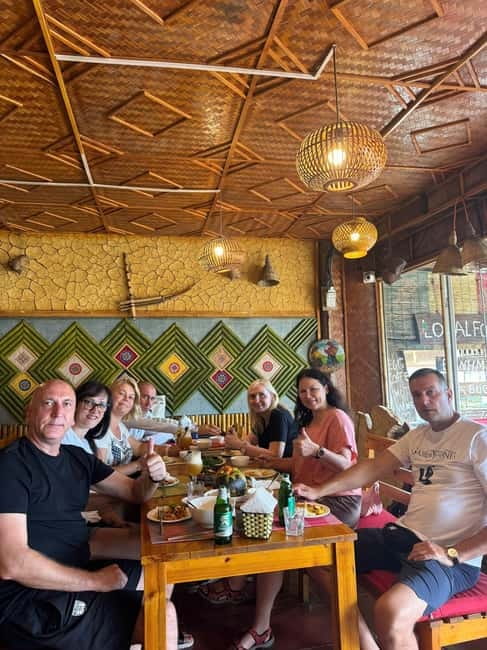
I think you should book if you want the easiest path to do Lao Chai Ta Van and Fansipan in a tight schedule, without juggling tickets, transport, and guide coordination. The package is especially good value because meals, village access, a local guide, and hotel are rolled into the plan, leaving only the cable car ticket as the major extra.
Before you decide, check your tolerance for two things: altitude stairs (600 steps) and mountain weather. If you can handle fog as part of the experience, and if you pack layers and sturdy shoes, you are in for a memorable northern Vietnam mix of culture and big mountain views.
If you want, tell me your travel month and fitness level. I can suggest what time of day to plan for on the peak day and what to prioritize in your Sapa free time.
FAQ
What is included in the 2-day Hanoi to Sapa tour?
It includes round-trip bus tickets between Hanoi and Sapa, one night in a 3-star hotel (twin-sharing), 2 lunches, 1 dinner, and 1 breakfast, entrance ticket to Lao Chai Ta Van village, a car from Lao Chai Ta Van back to the hotel, and a local English-speaking guide for the Lao Chai Ta Van part. It also includes round-trip transfer from the hotel to the cable car station.
How much is the Fansipan cable car ticket, and when do I pay?
The cable car ticket is listed at about 35 USD per person, and you can pay on arrival.
Are meals included during both days?
Yes. Day 1 includes lunch and dinner, and Day 2 includes breakfast and lunch.
How long is the cable car ride to Fansipan?
The cable car ride is about 20 minutes.
How hard is the walk to the Fansipan peak?
After the cable car, you visit the temple area and then climb about 600 steps to reach the peak. It can feel challenging, especially in rainy or windy conditions and at high altitude.
What villages do you visit on Day 1?
Day 1 includes a trek around rice terraces and Muong Hoa Stream, then a visit to Lao Chai village in the Hoang Lien Son mountain area. The entrance ticket covers Lao Chai Ta Van village, and you return to your hotel by car after the trek.
Do I get an English-speaking guide?
You get a local English-speaking guide for the Lao Chai Ta Van village portion.
Should I carry cash in Vietnamese dong?
Yes. You should bring cash in Vietnamese Dong because banking in Sapa can sometimes be unreliable. USD, euros, and Australian dollars are accepted in Sapa.
What should I pack for trekking and the mountain weather?
Wear trekking shoes and bring sunglasses, sun cream, and insect repellent. For Fansipan, expect colder conditions, so bring any warm layer you need. Also bring medication you may require.
New listings around Hanoi
- 2Days-1Night Halong Bay Luxury Genesis Regal Cruises★ 4.5 · 39 reviews
- 20-Day Vietnam Itinerary | Discovery and Beach Relaxation★ 5.0 · 18 reviews
- 3 Day 2 Night Trek★ 5.0 · 18 reviews
- La Regina 2 days tour in Halong Bay & Bai Tu Long Bay – 4 star★ 5.0 · 61 reviews
- 21-Day Vietnam Itinerary Explore North to South Highlights★ 5.0 · 16 reviews
- Full-Day Hop On Hop Off Bus Tour in Hanoi★ 4.0 · 12 reviews
- 2 Weeks Vietnam and Cambodia – Super Saving – Amazing Experience★ 5.0 · 20 reviews
- 2 Days Ha long Sapphire Cruise★ 5.0 · 45 reviews
Sapa Trekking & Homestays, compared.
Sapa 2 Days 1 Night From Hanoi – Overnight in Ta Van Village
Read our review →
Muong Hoa Valley Trek and Local Ethnic Villages
Read our review →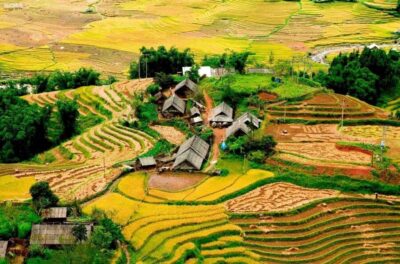

Sapa 3 Days 2 Nights Trekking Tour (1 Night In Ta Van Village, 1 Night In Hotel)
Read our review →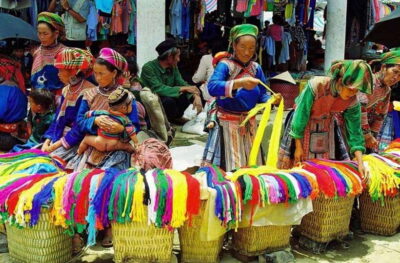
Eco Adventure Terrace Fields and Local Villages Trek
Read our review →
3-Day Trekking Adventure of Sapa from Hanoi – Stay Ta Van Village
Read our review →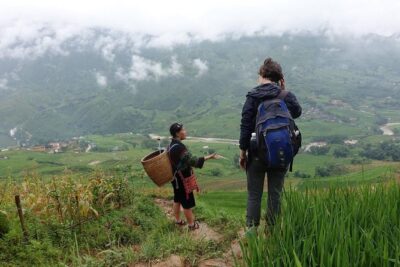
Number one top rated ethical cultural trekking and homestay by ETHOS
Read our review →Browse the lists this tour appears in