

Reviewed · SAPA TREKKING & HOMESTAYS
From Hanoi: 2-Day Sapa Cultural Exchange Tour with Homestay
Sapa got under my skin fast. A trek through rice terraces, then an overnight with a Dzay family in Ta Van, makes this feel like a real cultural exchange, not a checklist. You get comfort-focused transport from Hanoi plus guided time in villages like Lao Chai and Ta Van.
Two things I like a lot: the hike is structured but still scenic and human, with moments to talk with locals in the villages. I also love the homestay setup in Ta Van, especially the dinner and the way the family breakfast starts your second day.
One thing to consider: this is not a luxury stay. The facilities are basic, the weather can turn cold and foggy, and the second trek can feel slippery if it rains.
In This Review
- Key things you will notice on this Sapa cultural exchange tour
- From Hanoi to Sapa: the sleeping bus part you should plan for
- Day 1 route: Y Linh Lo to Ta Van through Muong Hoa Valley
- Overnight in a Dzay homestay: what “basic” really means
- Day 2 trek: bamboo forest, Giang Ta Chai, and the red Dzao view
- Guides make this tour: names you might get and the tone they bring
- Weather and trail conditions in Sapa: pack for cold, fog, and wet steps
- Price and value: is $100 a smart deal for this exact mix?
- Who should book this tour, and who should skip it
- Should you book this Sapa homestay cultural exchange?
- FAQ
- How long is the tour?
- Where do pickup and drop-off happen in Hanoi?
- What trekking should I expect?
- What is the homestay like?
- What meals are included?
- What should I bring for the weather and trail?
Key things you will notice on this Sapa cultural exchange tour
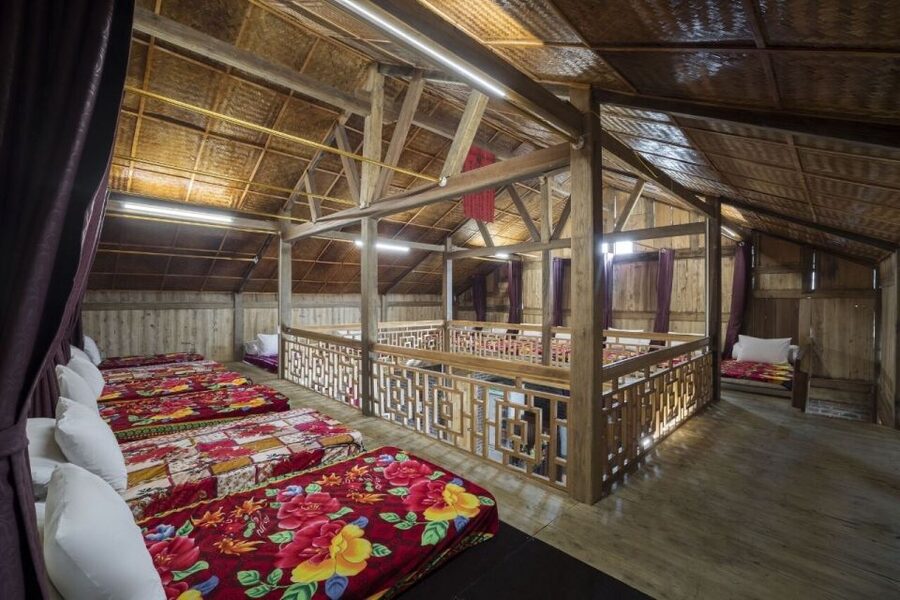
- Small group size (up to 15), so the guide can actually manage the pace
- Air-conditioned return transport from Hanoi, with comfort breaks and a sleeping bus ride
- Day 1 downhill trekking through Muong Hoa Valley, past rice paddies and hamlets
- Village time where you communicate, including Lao Chai and the Dzay home area of Ta Van
- A 4 km, about 2-hour Day 2 trek, including bamboo forest and Giang Ta Chai views
- English-speaking guide (some groups get guides like Chun, Lala, Cheng, Lily, or Sung)
From Hanoi to Sapa: the sleeping bus part you should plan for

Most people picture Sapa as all misty mountains and perfect viewpoints. This tour starts with the commute, and that matters because it affects how you feel on Day 1.
You begin with pickup in the Hanoi Old Quarter area, Hoan Kiem district. If you are not staying in Hoan Kiem, you meet at the stated point by 204 Tran Quang Khai Street, near Hong Ha Hotel. Then you board a sleeping bus heading to Sapa. Along the way, there are a couple of comfort stops before you arrive in Sapa around lunchtime.
A few practical points:
- The ride can feel like a lot the first time you do it. One person described it as a bit stressful mainly because they did not know what was happening. If you go in knowing it is a managed group transfer, you will feel calmer.
- Many hikers recommend having your legs ready for Day 1, because the trek starts after lunch. If you want to nap, bring your own eye mask or earplugs. The tour provides transport, not comfort upgrades.
- Your bags are handled so you do not end up trekking with heavy loads. Still, keep essentials in a day bag so you are not digging around later.
By the time you hit lunch and the trailhead, you are on Sapa time. That is the magic and the tradeoff.
More Sapa treks and homestays:
- Sapa 2 Days 1 Night From Hanoi – Overnight in Ta Van Village
★ 5.0 · 2,669 reviews - Hanoi – Sapa 2 Days 1 Night Overnight At Homestay
★ 5.0 · 899 reviews - From Hanoi: 2-Day Sapa Trekking Trip with Homestay & Meals
★ 4.8 · 704 reviews
Day 1 route: Y Linh Lo to Ta Van through Muong Hoa Valley
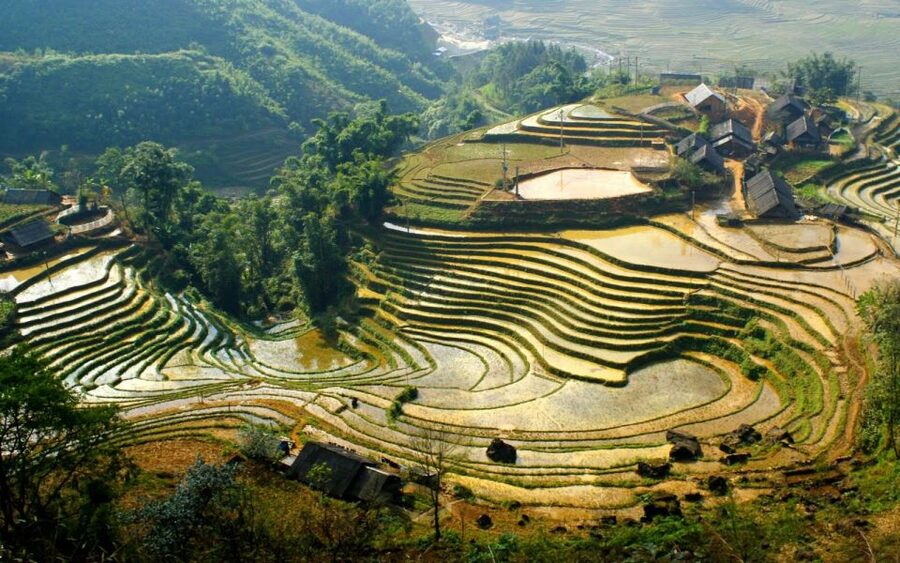
Day 1 is the long one, and it sets the tone. After lunch, you start hiking to Y Linh Lo and you go downhill through Muong Hoa Valley. Expect rice paddies, scattered hamlets, and repeated chances to see how people live in terraced terrain.
What makes this day special is that it is not only about walking. You are actively learning the culture of the local tribes you pass through. The route also connects several places that are closely tied to the cultural identity of this region, especially the Dzay community.
Key stops and what they feel like:
- Downhill through Muong Hoa Valley: Downhill hiking can be easier than steep uphill, but it can be tough on knees and very slippery when wet. Plan for careful foot placement.
- Villages and rice terraces on the way to Ta Van: This is where the scenery becomes practical. You see daily life along the trail rather than just viewing it from a road.
- Lao Chai village communication time: This is one of the most memorable parts. You get a chance to exchange communication with villagers. Even if your language skills are limited, the setting makes it natural to connect.
Then you continue on to Ta Van village, which is settled by the Dzay people. Ta Van is often seen as one of the most beautiful areas in the region, and you feel why once you arrive and slow down.
You end Day 1 with the homestay: dinner, rest, and time to recover before the next trek.
A note from experience that I agree with: the first day can feel long. One group member said the first hike was tough, though they also reported it was not too intense on elevation gain. Either way, start Day 2 with your feet treated well. I mean hydration, proper shoes, and taking short breaks before you feel cooked.
Overnight in a Dzay homestay: what “basic” really means
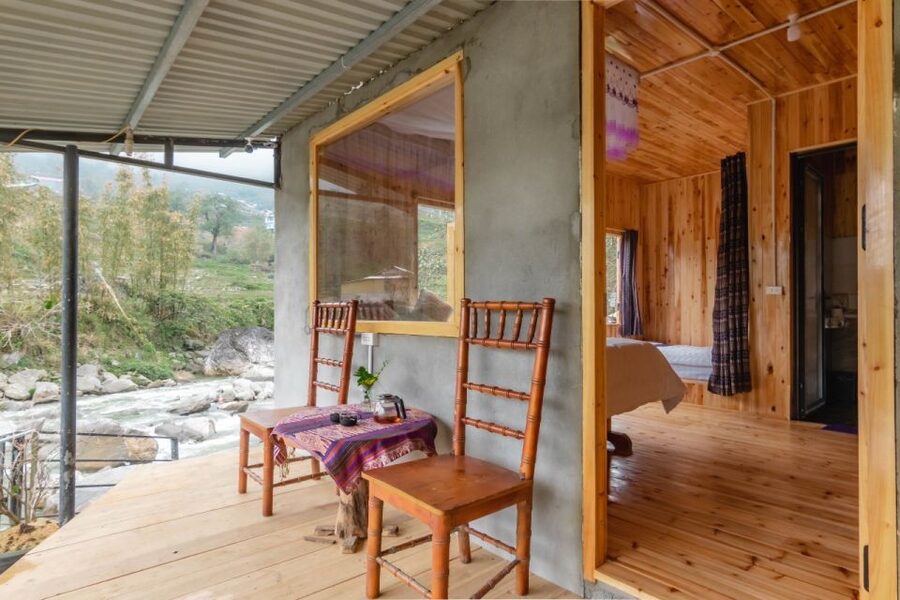
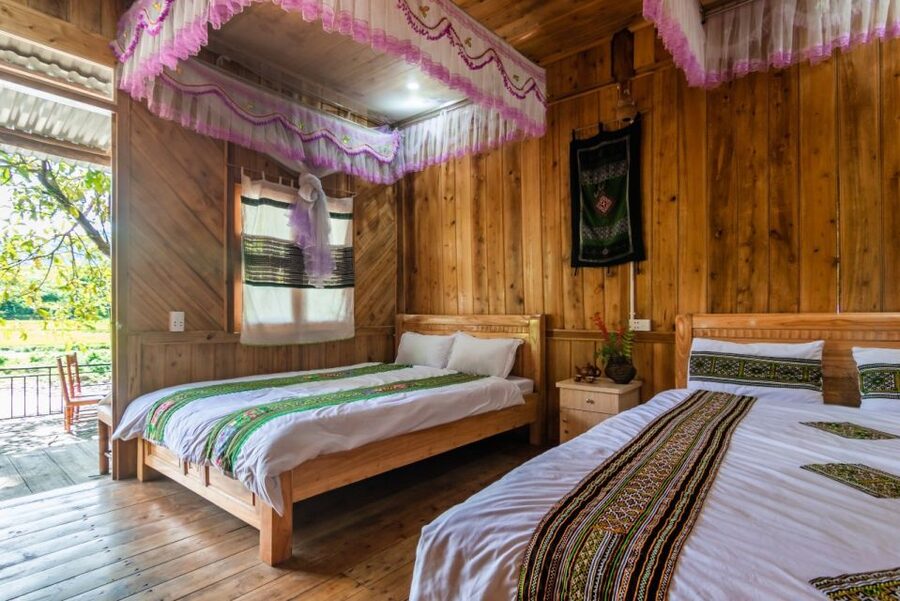
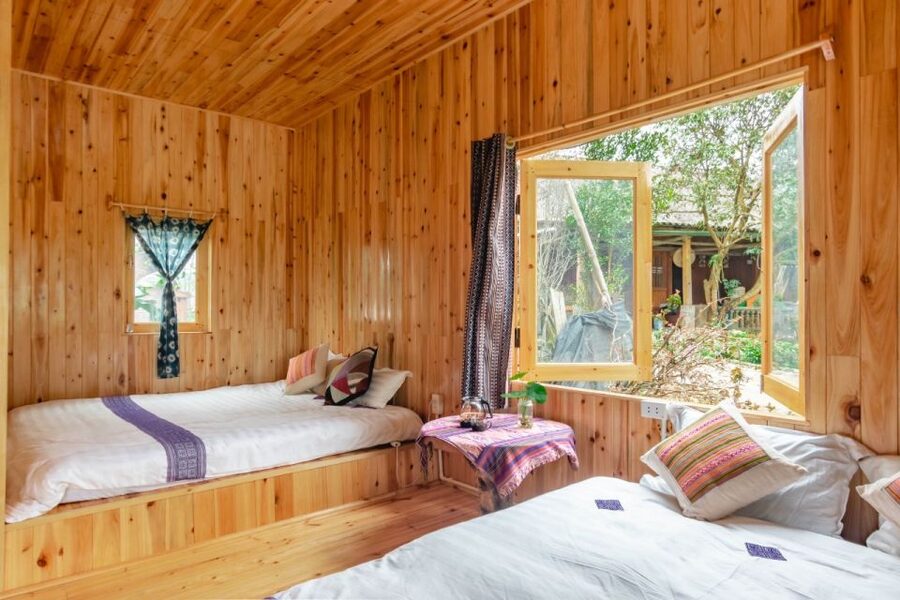
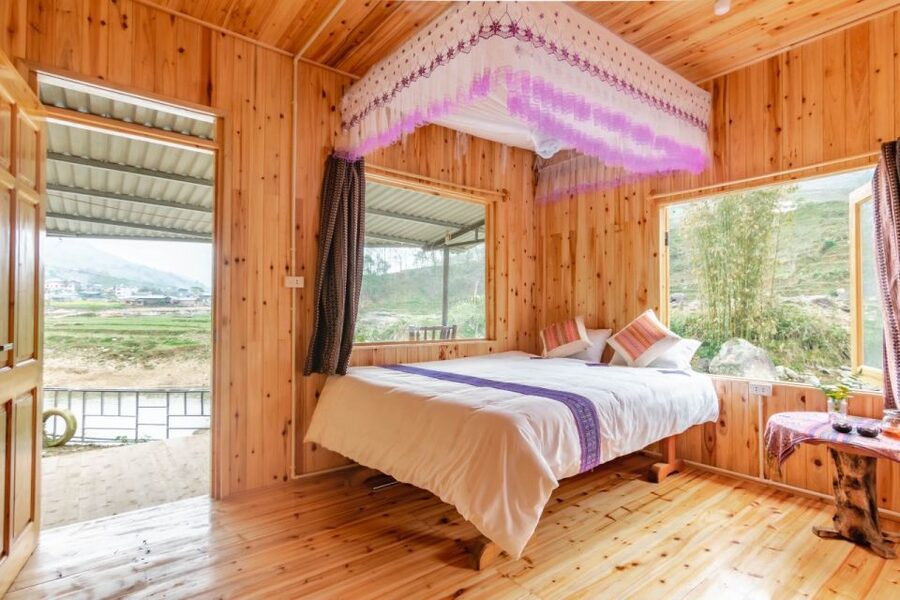
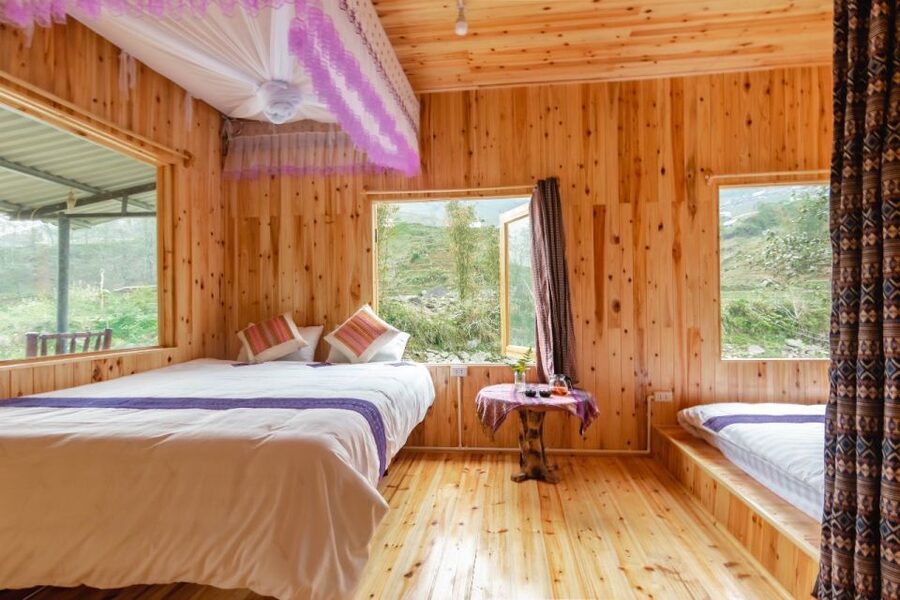
The homestay is the whole reason to pick this tour. You are staying with a local Dzay family in Ta Van, with a bed that is single and basic and includes a mosquito net. You also have access to a public bathroom with hot water at the homestay.
That is the good news. Here is what you should mentally prepare for:
- Facilities are simple. One person described it as more like a hostel than a traditional hotel. That is not a complaint if you expect it.
- You sleep at a family pace. That means evenings are slower and meals are part of the rhythm. If you want quiet and real conversations, this works.
- Dinner can be a highlight. Several groups noted the food was amazing or really good. In one case, the guide even stayed with the group and made sure the evening went smoothly.
Also, take a moment to think about what the homestay actually gives you. You are not just “watching culture.” You are eating where the family lives, waking up in their home, and walking out into the rice and bamboo world with local routines shaping your morning.
If you are picky about comfort, this may not satisfy you. But if you want the human side of Sapa, this is where the tour earns its value.
Day 2 trek: bamboo forest, Giang Ta Chai, and the red Dzao view
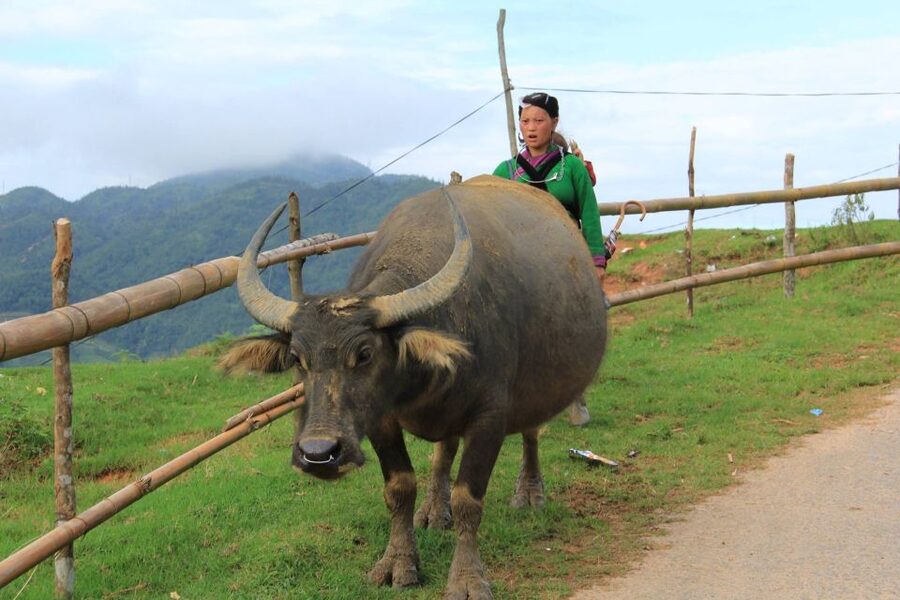
Day 2 starts with breakfast prepared by your homestay family. Then you head back out for the second trek.
This part is shorter than Day 1: 4 km, about 2 hours. The trail is scenic, and you get a chance for photos when you reach the rice paddies. It is the kind of stop that can look stunning even when the weather is not perfect, because the terraced forms and village paths do a lot of the work.
Then comes a key contrast:
- Walk through a bamboo forest: It feels cooler and calmer compared to open paddies.
- Panoramic view at Giang Ta Chai village: This village is home of the red Dzao people, and it is designed for you to look out and understand the valley scale.
- Continue through Ciang Ta Chai Bridge: Bridges in these areas are more than scenery. They also mark transitions, from village paths to the main route.
Finally, you reach the main road, where a bus picks you up back to Sapa town. You can shower at your hotel, check out, grab a bite, and relax until the full group is ready to depart.
On the ride back to Hanoi, there are two comfort breaks, and you get dropped off on Tran Quang Khai Street.
Practical trekking tip: bring shoes with grip. One review specifically called out that the second hike can be dangerous if it rains. Even if you plan for 2 hours, wet stone and packed dirt can turn a simple walk into a cautious walk.
More day trips out of Hanoi:
- Full-Day Ninh Binh Highlights Tour from Hanoi
★ 5.0 · 7,761 reviews - Ninh Binh Full-Day Tour from Hanoi to Hoa Lu, Tam Coc & Mua Cave Via Boat & Bike
★ 5.0 · 4,384 reviews - Ninh Binh HIGHTLIGHT & HIDDEN GEM Tour From Hanoi: Skip-The-Line
★ 5.0 · 4,212 reviews - Ninh Binh Full-Day Small Group of 9 Guided Tour from Hanoi
★ 5.0 · 1,422 reviews
Guides make this tour: names you might get and the tone they bring
This tour includes a live guide in English, and the guide can dramatically change your experience. The hikes are set, but the explanations, pacing, and local context can be the difference between seeing a place and understanding it.
From past groups, guides you may encounter include Chun, Lala, Cheng, Lily, Sung, and Za. What stood out is that many guides actively help with questions and photos.
Here is what you can expect if your guide is strong:
- They explain village life in plain terms.
- They help you take pictures, even when paths are busy.
- They adjust when weather or footing changes.
- They keep the group together without making the day feel rushed.
One standout story: when someone got sick, Lily helped with a traditional treatment from her tribe. That is not something you should count on for planning, but it tells you how present and capable some guides can be in real moments.
If your goal is cultural understanding, I suggest you come with a few topics ready:
- How daily life works in Ta Van
- Why terraces matter
- What community roles look like in the Dzay and Dzao communities you meet
Your guide will likely steer you into answers naturally once you start asking.
Weather and trail conditions in Sapa: pack for cold, fog, and wet steps
Sapa’s weather can be unpredictable, and this tour runs in the real world, not a protected environment. It is often cold from September to March, and foggy from December to March.
So I pack like this:
- Warm clothing you can layer: warm jacket, scarf, and a hat
- Comfortable shoes with real traction
- A comfortable change of clothes for your return to Sapa town and the bus
Also bring a few basics you will be glad you did:
- Water. One person explicitly recommended it.
- Cash in Vietnamese Dong. The banking system in Sapa sometimes does not function well, and vendors may only work smoothly with cash. US Dollars, Euros, and Australian Dollars are accepted in Sapa, but you will still want Dong for smaller purchases.
If it rains, expect slick spots and take extra care. One review described the second hike as a bit dangerous in rain. That is your cue to slow down, shorten your stride, and let the guide set the pace.
Finally, be ready for visibility changes. Fog can soften the views. If you are booking for dramatic mountain panoramas, understand you may still get incredible village and terrace scenes even when the peaks hide.
Price and value: is $100 a smart deal for this exact mix?
At $100 per person for a two-day trip, the value comes from how many core costs it bundles together.
You are paying for:
- Round-trip transport from Hanoi on an air-conditioned sleeping bus
- Hotel pickup and drop-off in the Hoan Kiem area (plus the meeting point option)
- A guide in English
- Meals: 1 breakfast, 2 lunches, 1 dinner
- Homestay bed with mosquito net and hot water at the bathroom
For Sapa, transport time is not trivial. Two days means you are not wasting the trip days just getting there. Meals matter too, because a trek day plus homestay life can leave you tired and hungry. If the included meals are tasty, you save money and hassle.
What you are not paying for is also clear: beverages, travel insurance, and personal spending. So if you tend to buy bottled drinks or snacks constantly, factor that in.
The best fit for the $100 value is a traveler who:
- Wants real village time, not just a quick photo stop
- Is okay with basic accommodations
- Likes guided cultural context
- Can handle a decent chunk of walking in cool weather
If you want a resort-style stay, choose a hotel-based tour instead. This one is built for walking and connecting.
Who should book this tour, and who should skip it
This experience is a good match if you want:
- A small group trek where you are not lost in a crowd
- A homestay with the Dzay family in Ta Van
- A guided route that includes rice paddies, bamboo, bridges, and village viewpoints like Giang Ta Chai
- Cultural exchange time that includes communication with locals in villages such as Lao Chai
It is not for everyone. The tour data says it is not suitable for people with limited mobility and not suitable for children under 6. It also notes it is not suitable for pregnant women. If you fall into those categories, you should pick a gentler alternative in Sapa.
Should you book this Sapa homestay cultural exchange?
I think you should book if you care more about the human rhythm than the comfort level. The combination of Muong Hoa Valley trekking, village communication, and a Dzay homestay is what makes this tour meaningful.
Book with confidence if:
- You are comfortable walking for multiple hours and taking slippery-trail conditions seriously
- You can handle basic facilities without feeling shortchanged
- You want an English-speaking guide like Chun, Lala, Lily, or Sung to help you connect the dots
Consider a different option if:
- You need a private bathroom and hotel-level comfort
- You are extremely sensitive to cold or fog and do not want to adjust your expectations
- Your schedule or body needs more than a 2-day hiking format
If your goal is to leave Sapa with stories you can actually tell, not just photos, this is a strong bet.
FAQ
How long is the tour?
The tour lasts 2 days.
Where do pickup and drop-off happen in Hanoi?
Pickup is available from hotels in the Hoan Kiem district area, and the stated meeting point is 204 Tran Quang Khai Street near Hong Ha Hotel. The tour ends back at the meeting point on Tran Quang Khai Street.
What trekking should I expect?
On Day 2, the trek is 4 km and lasts about 2 hours. Day 1 includes hiking from lunch into the Muong Hoa Valley area to Y Linh Lo and onward to Ta Van, with multiple village sections.
What is the homestay like?
The homestay has basic facilities. You sleep on a single bed with a mosquito net, and there is a public bathroom with hot water available at the homestay.
What meals are included?
Meals included are 1 breakfast, 2 lunches, and 1 dinner.
What should I bring for the weather and trail?
Bring a passport or ID card, comfortable shoes, and warm clothing such as a warm jacket, scarf, and hat. Bring cash in Vietnamese Dong (and note that US Dollars, Euros, and Australian Dollars are accepted in Sapa).
New listings around Hanoi
- 2Days-1Night Halong Bay Luxury Genesis Regal Cruises★ 4.5 · 39 reviews
- 20-Day Vietnam Itinerary | Discovery and Beach Relaxation★ 5.0 · 18 reviews
- 3 Day 2 Night Trek★ 5.0 · 18 reviews
- La Regina 2 days tour in Halong Bay & Bai Tu Long Bay – 4 star★ 5.0 · 61 reviews
- 21-Day Vietnam Itinerary Explore North to South Highlights★ 5.0 · 16 reviews
- Full-Day Hop On Hop Off Bus Tour in Hanoi★ 4.0 · 12 reviews
- 2 Days Ha long Sapphire Cruise★ 5.0 · 45 reviews
- 2 Weeks Vietnam and Cambodia – Super Saving – Amazing Experience★ 5.0 · 20 reviews
Sapa Trekking & Homestays, compared.
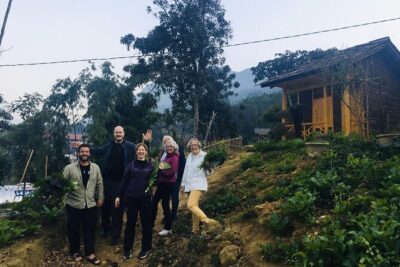
Sapa 2 Days 1 Night From Hanoi – Overnight in Ta Van Village
Read our review →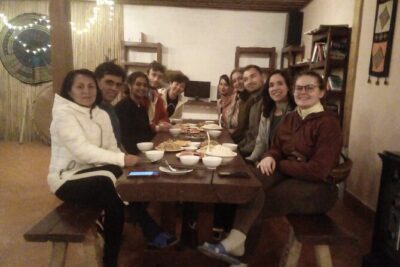
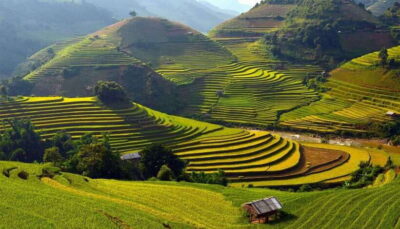
Muong Hoa Valley Trek and Local Ethnic Villages
Read our review →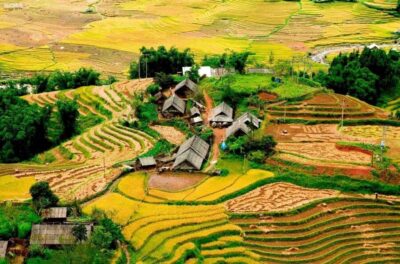

Sapa 3 Days 2 Nights Trekking Tour (1 Night In Ta Van Village, 1 Night In Hotel)
Read our review →
Eco Adventure Terrace Fields and Local Villages Trek
Read our review →
3-Day Trekking Adventure of Sapa from Hanoi – Stay Ta Van Village
Read our review →
Number one top rated ethical cultural trekking and homestay by ETHOS
Read our review →Browse the lists this tour appears in