
Reviewed · PRIVATE CAR WITH DRIVER
Da Lat Loop Tour On Private Car
Da Lat looks busy at first. Then this private car loop makes it feel calm and well-paced. I like the way it pairs big nature stops with quiet cultural places, and I love how Viet (the guide) explains what you’re seeing in plain language. One thing to keep in mind, the tour requires at least two passengers, so solo travelers pay an extra amount in cash when the tour ends.
What makes the day work is the mix of spiritual sites, working villages, and hands-on agriculture. You’ll hit Truc Lam Zen Monastery (built in 1994), photograph Paradise Lake, and then move on to real local life like the K’hor community at Chicken Village. The overall vibe is less about checking boxes and more about understanding how people live around Dalat.
If you’re hoping for a super short list of famous spots, this is not that. It also skips some of the usual gimmicks, including weasel poop coffee, and it says it will not stop at tourist traps. Also, lunch and water are not included, so plan a bit of extra spending for that midday break.
In This Review
- Key points before you go on the Da Lat loop
- A private car loop that actually feels efficient
- Truc Lam Zen Monastery: 1994 architecture and real spiritual context
- Paradise Lake: the photo stop with a water lesson
- Chicken Village and K’hor daily life: beyond the usual tourist path
- PonGour and Elephant Waterfalls: plan on about an hour each
- Agriculture around Dalat: coffee, pepper, rice, vegetables
- Linh An Pagoda (Linh An Tu Pagoda): the 75-meter Lady Buddha
- Nam Ban Silk Village: cocoons to costume material
- Rice wine, cricket farming, and coffee tasting with a view
- Van Thanh Flower Growing Village: why Dalat earned the city of flowers
- Price and logistics: who this tour fits best
- Should you book the Da Lat loop tour by private car?
- FAQ
- How much does the Da Lat Loop Tour cost?
- What’s included in the tour price?
- What’s not included?
- Is the tour private or group-based?
- What is the minimum number of passengers?
- Which languages are available?
- Do you stop at tourist attractions or tourist traps?
- Is weasel poop coffee part of the tour?
- How long do you spend at PonGour and Elephant waterfalls?
- Can I book without paying right away?
Key points before you go on the Da Lat loop
- Truc Lam Zen Monastery (1994), plus the spiritual meaning behind what you see there
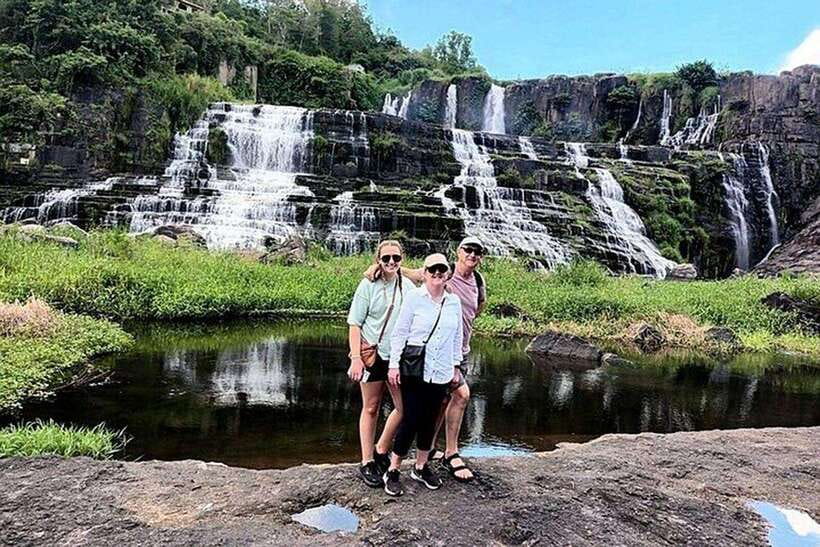
- PonGour Waterfall and Elephant Waterfall, each with about an hour on site for photos and walking
- K’hor life at Chicken Village, focused on daily routine and local products
- Nam Ban Silk Village, where you can watch silk-making from cocoons for traditional costume use
- Cricket farm and rice wine pairing, including a tasting if you’re game
- Van Thanh Flower Growing Village, tied to how Dalat became known as the city of flowers
A private car loop that actually feels efficient

The pitch of this Da Lat loop tour is simple: you get an experienced driver and an English-speaking local guide, then you move around the plateau without the hassle of figuring out routes. In practical terms, that matters because Da Lat has lots of stops spread out across the countryside. A private car keeps your timing in your control, and it makes it easier to slow down for photos without losing the whole schedule.
At $57 per person, the value comes from the combination of included entrance tickets plus the number of different types of stops. You are not just doing temples and waterfalls, you are also seeing agriculture, cottage industries, and minority village life. That is the kind of day that can feel expensive if every entrance is paid separately on your own.
More Dalat plans to weigh
- Dalat: Three Waterfalls Small Group Tour – Alpine Coaster
★ 4.9 · 1,256 reviews - Dalat: 3 Waterfalls Day Tour — Datanla, Pongour & Elephant
★ 4.9 · 931 reviews - Dalat: Go Kart – Mongo Land – Countryside Small Group
★ 5.0 · 600 reviews
Truc Lam Zen Monastery: 1994 architecture and real spiritual context
Truc Lam Zen Monastery is one of those places where the setting makes sense even before anyone explains it. The tour focuses on the monastery’s story and its spiritual cultural values, and it notes that the temple was built in 1994 with an oriental architecture style.
Here is why I think this stop is more than a pretty viewpoint. When you understand what a monastery is meant to do, the visit shifts from sightseeing to reading the place. You start noticing small details like how space is used for reflection, and you understand why people visit with a calm pace instead of a race-walk for selfies.
Bring modest expectations for time here. This is not listed as a long trek. It is more about walking around the temple areas, learning the story, and soaking up the atmosphere at a comfortable pace.
Paradise Lake: the photo stop with a water lesson
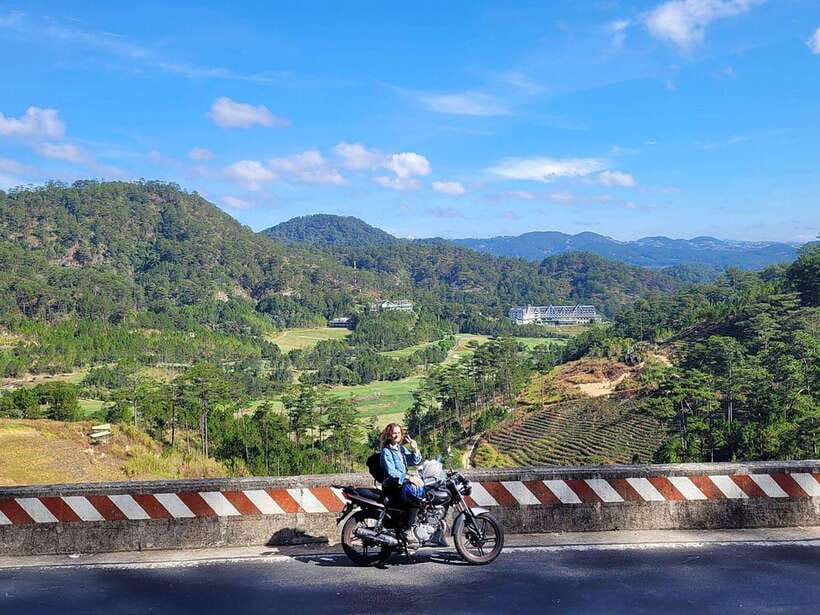
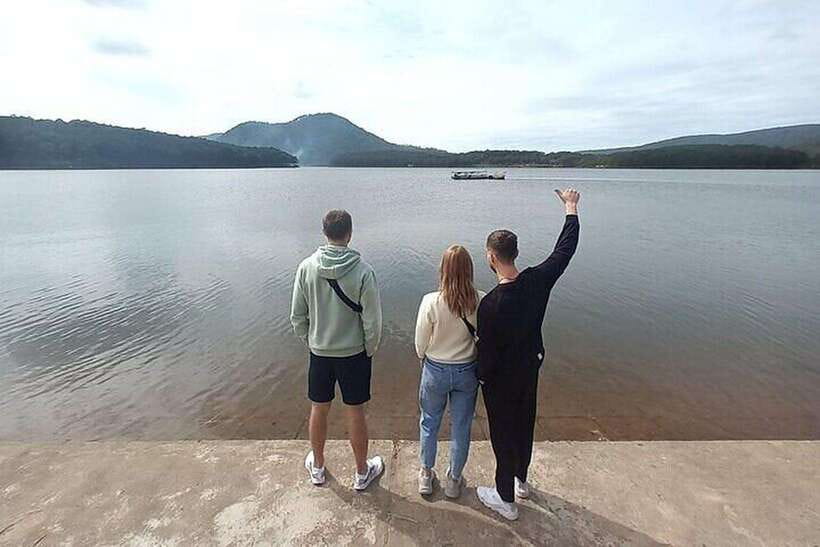
Next comes Paradise Lake, described as a man-made freshwater lake that provides water for surrounding rural villages. Yes, you will get mountain-and-lake views to snap photos. But the tour angle is the water story, which makes this stop click with the rest of the day.
In Dalat, a lot of what feels scenic is also functional. This lake is part of the water supply system, so you are looking at infrastructure disguised as postcard scenery. If you care about how places actually work, you’ll probably enjoy this more than you expected.
If you want the best pictures, aim to take a few minutes before you move on. The lake gives you a reliable subject, and you can frame mountains in the background without needing a perfect weather forecast.
Chicken Village and K’hor daily life: beyond the usual tourist path
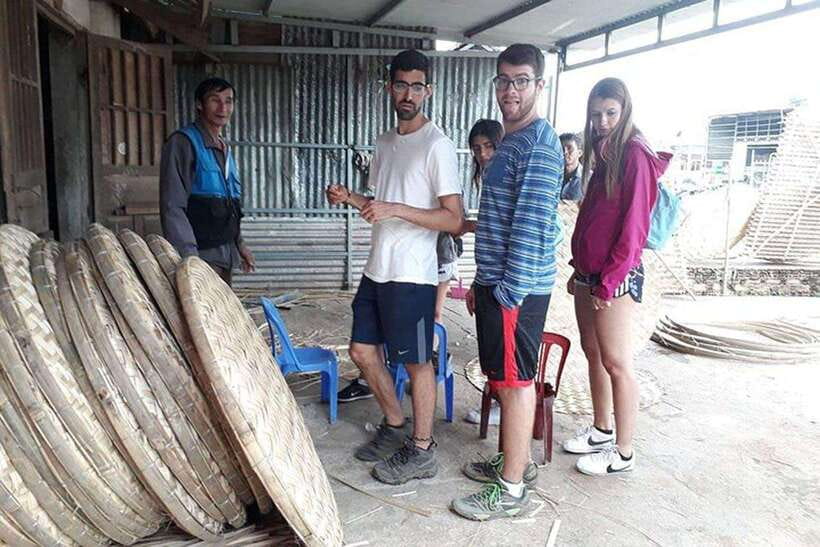
Then you head to Chicken Village, which is inhabited by the K’hor, an indigenous ethnic minority group and the original inhabitants of the Dalat plateau. This is not presented as a costume show. The tour is focused on what daily life looks like and how people live in that community.
What I like about this stop is the balance. You learn about the K’hor people and then you explore the village to see daily routines and local produce. That makes the visit feel grounded. Instead of learning a fact and moving on, you get to connect the facts to normal activities.
A small practical note: village visits often mean uneven paths or small indoor spaces. Wear comfortable shoes and be ready to slow down. Also, if you are sensitive to crowds, this kind of stop is often more satisfying than the big-name checkpoints because the conversation is more personal.
Same region, different pace:
- Dalat: Countryside Tour with Silk Village & Elephant Falls
★ 5.0 · 300 reviews - Dalat: Extreme Canyoning Adventure
★ 4.9 · 223 reviews - Dalat: Cloud Chasing packaged hike – Sunrise Pickup Included
★ 5.0 · 182 reviews - Dalat: Canyoning Extreme Adventure Vietnam
★ 4.9 · 178 reviews
PonGour and Elephant Waterfalls: plan on about an hour each
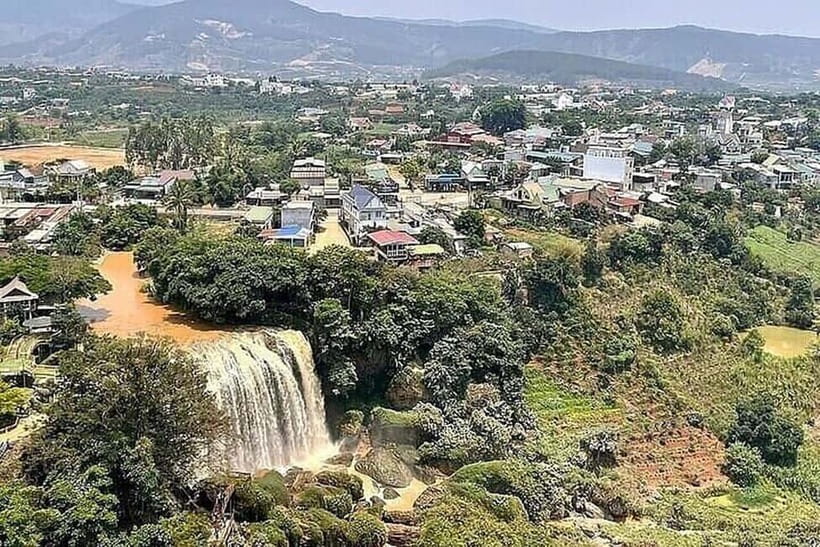
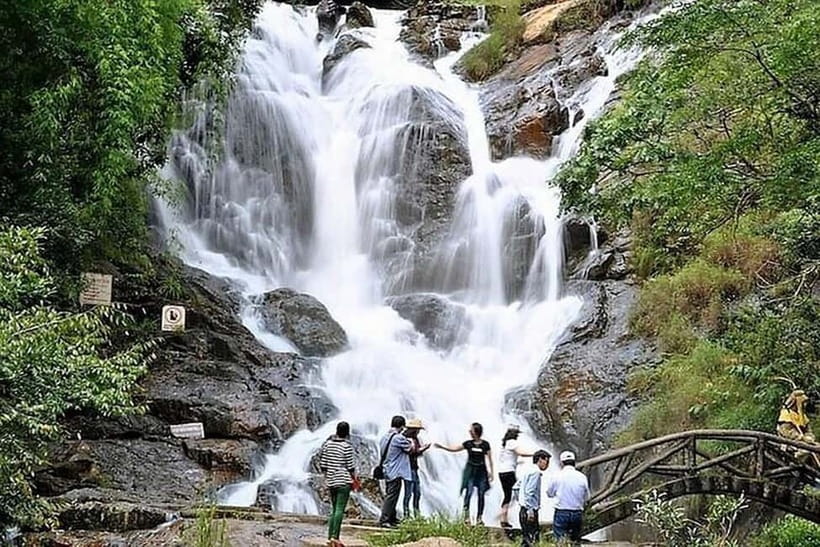
Waterfalls are the centerpiece here, and the tour calls out PonGour as the biggest and nicest waterfall in southern Vietnam. You will enjoy around an hour at PonGour, then you get another around an hour at Elephant Waterfall.
Here’s how I’d set your expectations. One hour is enough to walk a bit, take photos, and enjoy the sound and mist. It is not enough for a long hike. So treat these stops like high-impact nature breaks, not all-day adventure treks.
Also, waterfalls in the rainy season can be slippery and muddy. Even when the ground looks stable, the edges can change fast. If you want photos without stress, go slow, keep your stance wide on wet surfaces, and let the driver know when you want a quick reposition for the best angle.
If nature is your top priority in Dalat, this is the part that sells the tour.
Agriculture around Dalat: coffee, pepper, rice, vegetables
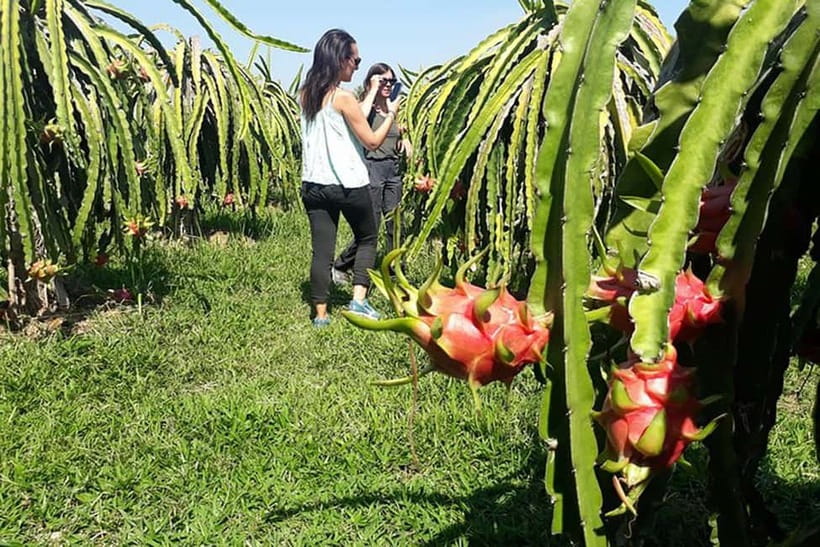
Between temples and waterfalls, you’ll spend time around coffee plantation, pepper fields, rice fields, and vegetable farms. The tour frames these stops as a way to understand local life and products, not just a pretty roadside view.
Why this matters: Dalat has a reputation for flowers and views, but its day-to-day economy is tied to farming. Seeing coffee and pepper grows the story behind the taste of local drinks. Even if you do not buy anything, just watching the process helps you understand what you are tasting later.
This is also where the tour starts to feel cohesive. You learn about water (Paradise Lake), about community life (Chicken Village), and then you see the food and cash crops that shape village routines.
Linh An Pagoda (Linh An Tu Pagoda): the 75-meter Lady Buddha
Linh An Pagoda is another key spiritual stop. The tour explains it as Linh An Tu Pagoda, built in 1994, and it says it is one of the oldest and sacred Buddhist temples in Nam Ban town. The highlight that will catch your eye is the walk to the top of a Lady Buddha statue around 75 meters tall.
If you’re the type who likes context, you’ll appreciate that the tour ties this place to its story, not just the statue size. Big monuments can turn into fast photo stops. Here, it’s treated as a meaningful visit.
Again, think comfort and pacing. Walking up for views is part of the experience, and the stairs can feel longer than you expect depending on the weather. Bring a light layer, and take your time. The best photos often come after you pause and let your eyes adjust to the scale.
Nam Ban Silk Village: cocoons to costume material
Nam Ban Silk Village and Silk Product is where the tour shifts from scenery to craft. You’ll discover and understand how silk is made from cocoons, connected to producing lady’s costume silk items.
This is the stop that tends to surprise people who expect only souvenirs. Even if you choose not to buy, the learning part helps you decode why silk has value. You start seeing labor and steps behind what looks like a simple fabric.
The tour also includes a clear note that it’s meant for looking and understanding, not buying. That approach is a win if you prefer cultural learning over shopping pressure.
If you want a souvenir, you’ll have the option. But the real value is in understanding the craft, then deciding calmly whether you want to take any of it home.
Rice wine, cricket farming, and coffee tasting with a view
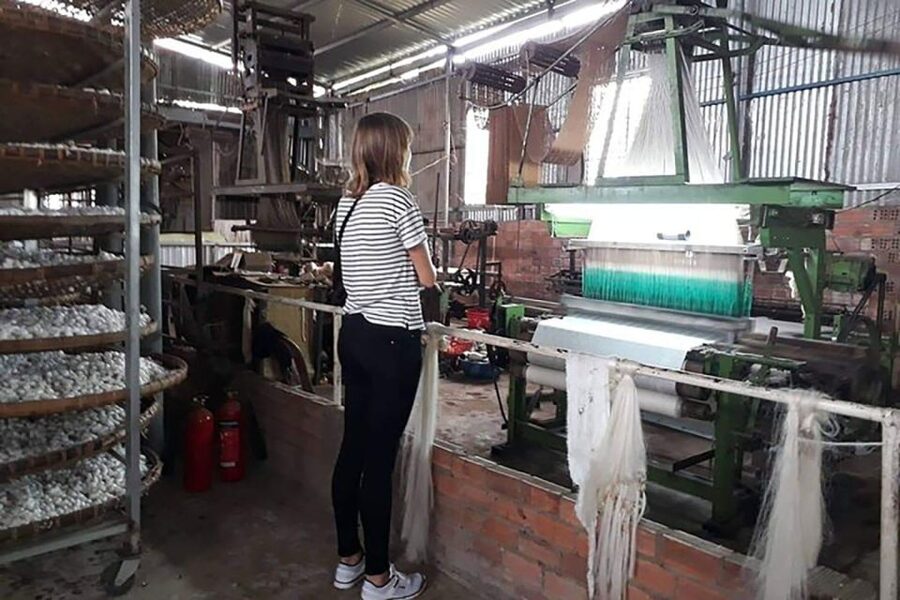
One of the more memorable parts of this tour is how it turns local food production into an experience.
First, you visit a local house to discover how rice wine is made. The tour frames this as a learning stop, so it’s about process and daily production, not a polished restaurant show.
Next is the cricket farm. You’ll learn how locals breed crickets and take care of them for food. And yes, you might try some crickets with rice wine. If you are adventurous, it is a fun cultural taste. If you are not, you can still enjoy the observation and the story.
Finally, you get coffee processing. You’ll learn how coffee beans are processed and then you’ll try a cup of local coffee, with mountain views. This is a great capstone because it connects your earlier agriculture stops with something you can sip right away.
One nice detail: the tour explicitly says it will not include weasel poop coffee. If you want to avoid the weirdness and keep it grounded in local tastes, that matters.
Van Thanh Flower Growing Village: why Dalat earned the city of flowers
The day ends at Van Thanh Flower Growing Village, where you uncover the story of how Dalat became known as the city of flowers. The tour highlights it as one of the largest flower-growing and exporting villages in Dalat.
This is not just walking through fields. The tour angle is the story of the agriculture sector and how flower production became part of Dalat’s identity. If you connect this stop to what you saw earlier, it makes more sense: Dalat sells its scenery, but it runs on farming systems.
You’ll likely take photos here too, but the better move is to notice how working villages organize space. Flower production is labor-intensive, and even without buying anything, you can feel the scale through what you see.
Price and logistics: who this tour fits best
This tour costs $57 per person and is structured as a private car day loop with an English-speaking guide and entrance tickets included. Lunch and water are not included, so budget for a midday meal on your own.
It is also built for at least two passengers. Solo travelers can still do it, but there is an extra cash payment at the end of the tour.
Who should book:
- You want a full day that mixes culture, agriculture, and nature without switching transport modes
- You like local stories, including minority village life and working farms
- You want an English-speaking guide who can explain what you’re seeing in a way that’s easy to follow
- You care about avoiding tourist traps and gimmick coffee stops
Who might hesitate:
- If you only want the most famous Da Lat checklist stops, this loop focuses on the less obvious stops
- If you hate any possibility of wet ground, be ready for weather-dependent comfort at the waterfalls
Should you book the Da Lat loop tour by private car?
I’d book this tour if you want Da Lat in one day with less chaos and more meaning. The big selling points are the blend: Truc Lam Zen Monastery, two waterfall breaks around an hour each, plus craft and food production like silk, rice wine, and cricket farming. You also get entrance tickets handled, and the guide setup is English-speaking with a strong emphasis on explanation and safe, careful driving.
If your dream day is strict sightseeing with minimal walking and zero surprises, you might prefer a simpler itinerary. But if you enjoy understanding how rural life connects to the views, this loop is a solid value for the $57 price tag.
FAQ
How much does the Da Lat Loop Tour cost?
The price is listed as $57 per person.
What’s included in the tour price?
It includes a private car with an experienced driver and an English-speaking local tour guide, plus all of the entrance tickets.
What’s not included?
Local lunch, water, and personal expenses are not included.
Is the tour private or group-based?
The tour is private, using a private car. It works for individuals and groups.
What is the minimum number of passengers?
The tour includes a minimum of 2 passengers. If you are a solo traveler, there is an extra cash payment when the tour ends.
Which languages are available?
The local tour guide provides English.
Do you stop at tourist attractions or tourist traps?
The itinerary notes that it will not stop at any tourist place and will avoid tourist traps.
Is weasel poop coffee part of the tour?
No. The itinerary specifically says they do not try weasel poop coffee.
How long do you spend at PonGour and Elephant waterfalls?
The tour says you will enjoy your time around an hour at both PonGour Waterfall and Elephant Waterfall.
Can I book without paying right away?
Yes. It offers Reserve & Pay Later, so you can book your spot and pay nothing today.
New listings around Dalat
- Secret Tour Dalat★ 5.0 · 10 reviews
- Scented candle workshop at Twin Beans Farm – Da Lat suburb★ 5.0 · 10 reviews
- From Nha Trang: Best Seller Top Site Luxury Da Lat City Trip★ 4.5 · 32 reviews
- Dalat: Best of the Countryside Tour in a Private Car★ 5.0 · 35 reviews
- Experience specialty coffee with sustainable coffee farmers★ 4.9 · 91 reviews
- 7-hour Datanla waterfall, Clay Tunnel and Holy See temple★ 4.7 · 47 reviews
- Datanla, Pongour, Elephant: 3 stunning and majestic falls★ 4.8 · 110 reviews
- Dalat: Sunrise Trekking and Cloud Hunting experience★ 4.9 · 43 reviews
Private Car with Driver, compared.
Imperial City Walk, Motorbike Tour & Private Car Options
Read our review →

Private Car to/from Hoi An via Multi Attractions(1-Way)
Read our review →
Custom Tour with Dragon Boat, Private Car & Motorbike
Read our review →
Mui Ne: Sunrise or Sunset Jeep Tour & Quad Bike With Driver
Read our review →
Da Nang Airport to Da Nang hotel by private car or vice versa
Read our review →
Da Nang to Ba Na Hills & Golden Bridge by private car
Read our review →Browse the lists this tour appears in