
Reviewed · COFFEE EXPERIENCES
Hanoi Coffee Workshop Crafting the Perfect Brew
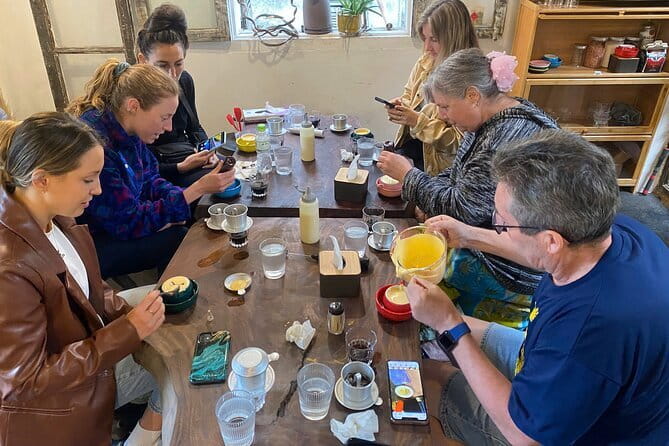
Vietnam coffee is a hands-on tasting game. This Hanoi workshop teaches the phin filter, and you’ll make iconic drinks like egg coffee and salt coffee with an English-speaking instructor who also explains what makes each one distinct.
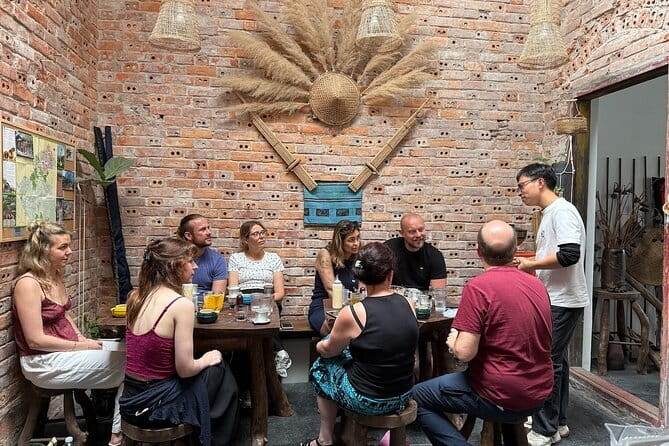
I love that the group is small, with a maximum of 15 people, so you get real guidance while you brew. I also like that everything is included, from ingredients to recipes, so you can recreate your favorites back home.
One possible drawback: the workshop needs good weather and runs about 2 hours, so plan it for a day when your schedule can be flexible.
In This Review
- Key highlights at a glance
- Step into GẠO CAFE, the start of your coffee mission
- Two hours of brewing practice, not a coffee lecture
- The phin filter and Vietnamese black coffee
- Make brown coffee the Hanoi way with condensed milk
- White coffee: when robusta gets softened, not erased
- Egg coffee: the creamy custard cup you’ll be thinking about later
- Salt coffee and coconut coffee, two tastes that feel surprisingly harmonious
- Latte art practice, plus how to adjust your cups
- Recipes you can actually use after you leave Hanoi
- Price and value: what $17.73 really buys you
- Who this workshop is perfect for, and who should think twice
- Should you book this Hanoi coffee workshop?
- FAQ
- How many types of Vietnamese coffee will I make?
- How long is the Hanoi coffee workshop?
- Where do I meet for the workshop?
- Will the instructor speak English?
- How big is the group?
- What is included in the price?
- What happens if the weather is poor or I need to cancel?
Key highlights at a glance
- Small group size (max 15) keeps the class interactive and hands-on
- 4 to 6 coffee styles so you get variety, not just one or two classics
- Practice with the phin filter and learn how to adjust for flavor
- Egg, salt, and coconut coffee are specifically taught and frequently loved
- Latte art practice helps you add a little creativity to your cup
- English instruction with recipe handouts makes the experience easy to follow and easy to repeat
Step into GẠO CAFE, the start of your coffee mission
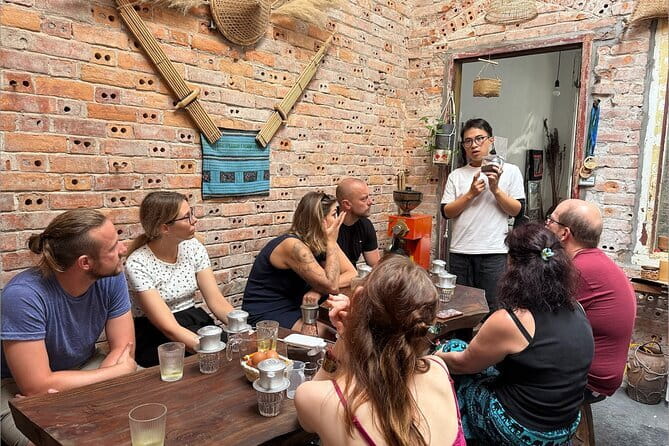
Most Hanoi food experiences are best when they start somewhere you can actually find and enjoy, and this one begins at GẠO CAFE, 10 P. Chợ Gạo, Hàng Buồm, Hoàn Kiếm, Hà Nội 100000. It’s the kind of meeting spot that feels built for people who want to learn, sit down, and focus without rushing.
A big reason this location works for a workshop: the class is designed around drinking and making. You’re not stuck listening while the coffee magic happens off to the side. You’re learning right where you’ll pour, filter, taste, and compare.
Also, multiple instructors are credited in the feedback by name, including Dat, Devin, Claire, and Ashley. The common thread is clear English and patient teaching, which matters because Vietnamese coffee recipes can seem simple until you’re standing there with a phin and trying to get the right strength.
More Hanoi plans to weigh
- Hanoi Jeep Tour: Food, Culture and Fun by Vietnam Army Jeep
★ 5.0 · 15,222 reviews - Full-Day Ninh Binh Highlights Tour from Hanoi
★ 5.0 · 7,761 reviews - Hanoi: Ha Long Bay Day Cruise – Swimming, Meal, Kayaking
★ 4.7 · 7,415 reviews
Two hours of brewing practice, not a coffee lecture
This is an about-2-hour class, and that time is used in a practical way. You start with an introduction to Vietnamese coffee beans and why they behave the way they do. You’ll get context on the two big players: robusta and arabica, and how they show up in Hanoi’s everyday coffee styles.
Then you move into making. The workshop is built around hands-on steps, not just watching. You’ll learn several brewing methods, including the traditional phin filter, which is the core tool behind many Vietnamese black coffees.
What I think makes the timing work is the pacing. You’re switching tasks often enough to stay engaged, but not so fast that you can’t remember what you did and why it tasted the way it did. With a maximum of 15 people, you also have a better chance of getting corrections while you’re still in the moment.
One more plus, based on the way instructors are described: there’s often historical context woven into the lesson. That means you don’t just end up with recipes, you also understand what those recipes are responding to, like the bitterness of robusta and the sweetness of condensed milk.
The phin filter and Vietnamese black coffee
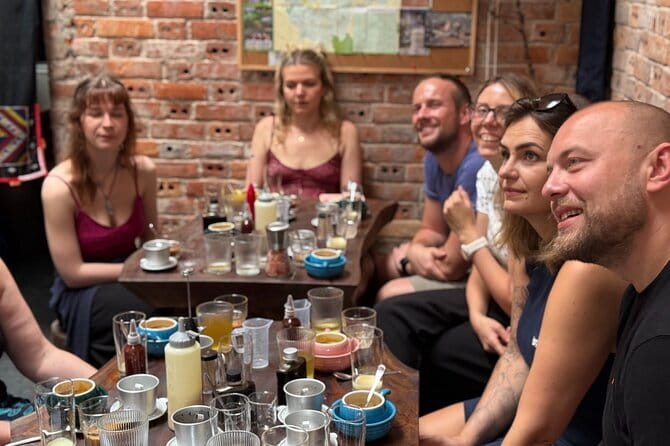
If you want one skill that makes the rest of the workshop click, it’s the phin filter. Vietnamese black coffee is typically brewed through this small metal drip filter, and the point is concentrated flavor. It’s strong, it’s bold, and it teaches you something quickly about patience in brewing.
In class, you’ll practice the method and taste the result. The instructor will guide you through the workflow and help you make sense of what affects flavor. In other words, you’re learning more than just steps, you’re learning cause and effect: grind, flow, and how long the coffee runs through.
This part matters because it sets your baseline for everything else. Once you understand what “good strong black” tastes like, you can better appreciate why Vietnamese coffee goes sweeter, creamier, and sometimes weirder in a good way.
Make brown coffee the Hanoi way with condensed milk
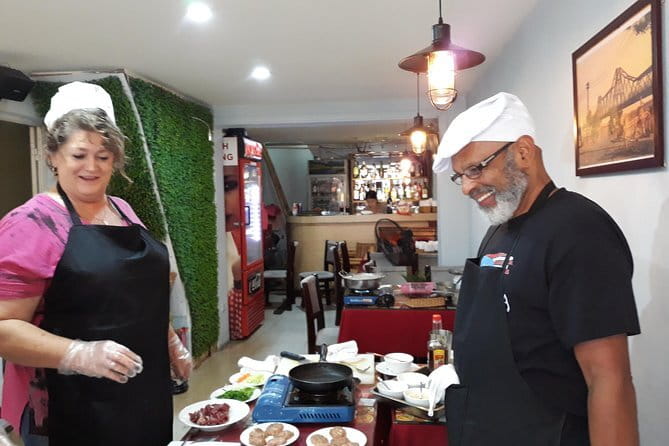
Brown coffee is one of the most popular Vietnamese versions, and it’s also one of the easiest favorites. The condensed milk does the heavy lifting, adding creaminess and sweetness to balance the coffee’s naturally strong, bitter edge.
In your workshop, you’ll make it and taste it right away against the black coffee you practiced earlier. That contrast is where the learning happens. You’ll notice how condensed milk doesn’t just sweeten, it rounds out the harsh edges so the coffee feels more dessert-like.
This is also a good option for people who think they don’t like strong coffee. If you prefer a smoother drink, brown coffee helps you understand that Vietnamese coffee isn’t only for people who love espresso-level intensity.
Same region, different pace:
- Hanoi: Water Puppet Show Tickets
★ 4.6 · 7,029 reviews - Hanoi Motorbike Tour: Food, Culture and Fun by Vintage Motorbike
★ 5.0 · 6,699 reviews - Hanoi: Guided Food Tour with Train Street Visit
★ 4.9 · 6,239 reviews - Hanoi Cooking Class: Culture, Local Market & Meaning CSR Impact
★ 5.0 · 5,147 reviews
White coffee: when robusta gets softened, not erased
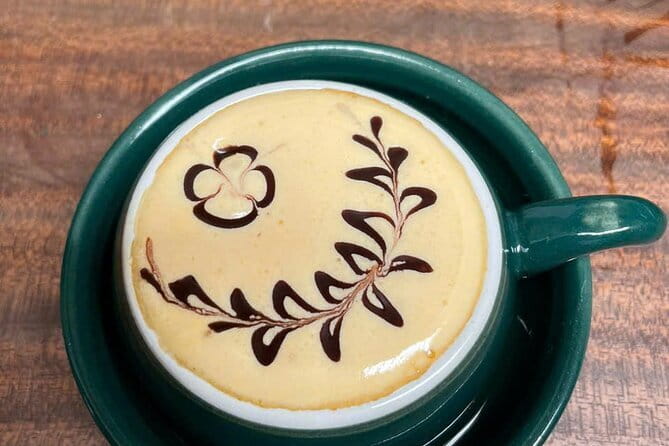
Vietnamese white coffee is not the same as Western-style “white coffee,” and that confusion is exactly why this workshop is useful. Here, the idea is balance: robusta’s bold bitterness gets tempered by sweetness from condensed milk.
You’ll brew and taste the white coffee style, then compare it again to black and brown. That series of comparisons helps your brain lock onto differences that you might miss if you only tried one drink type.
If you’re the type who likes coffee but doesn’t want it to taste overly sharp, white coffee is often the sweet spot. It keeps the Vietnamese backbone, without going full dessert.
Egg coffee: the creamy custard cup you’ll be thinking about later
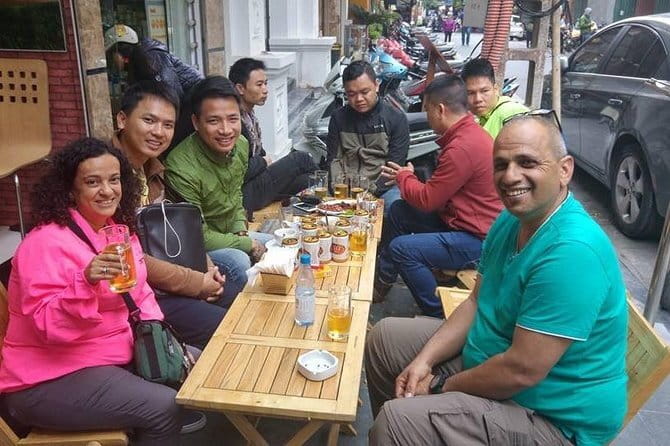
Egg coffee is the one people usually bring up first when the conversation turns to Vietnamese coffee desserts. It’s taught in this workshop as a creamy, egg-based style that feels custard-like. It also has a deep coffee backbone that still shows up.
In class, you’ll craft it and taste it. The workshop doesn’t treat it like a gimmick. You’ll learn how the bitterness from robusta pairs with the rich, creamy texture so the drink feels smooth instead of cloying.
This is also where instructors like Dat and Claire get extra praise in the feedback, especially for clear explanations and extra effort. If you’re curious why egg coffee tastes the way it does, you’ll probably appreciate that the lesson doesn’t just hand you a method.
If you’re traveling with someone who worries they won’t enjoy strong coffee, egg coffee is often the bridge drink. It’s still coffee, just in a style that feels more like a treat.
Salt coffee and coconut coffee, two tastes that feel surprisingly harmonious
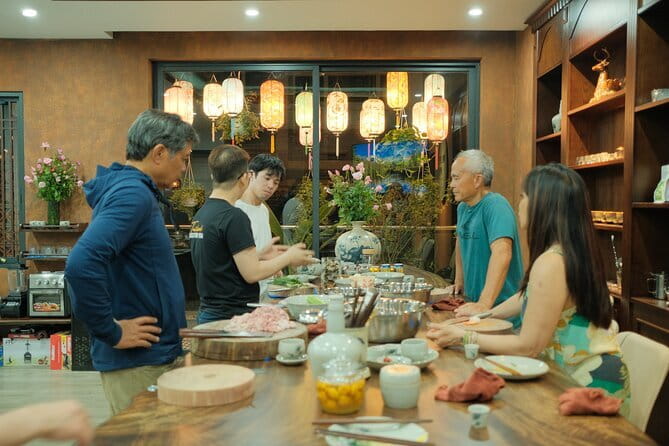
Salt coffee is less well-known in many places, but it’s specifically included in the workshop. The concept is simple: coffee meets sea salt with a milk foam finish. The result is a mix of sweet, salty, and bitter that can feel oddly right once you try it.
In many coffee classes, “salt coffee” gets mentioned like a novelty. Here, it’s treated like a real coffee style, which is why it gets strong reactions. If you enjoy experimenting with flavors and you like salty-sweet combos, this one is worth taking seriously.
Coconut coffee is the other tropical option. You’ll make a blend that pairs strong black coffee with creamy coconut milk. The class setting makes this easier to understand, because you can taste it in sequence with black, brown, and egg coffee. That step-by-step tasting helps you notice how coconut changes the coffee’s texture and aroma.
Between salt coffee and coconut coffee, you get to see how Vietnamese coffee adapts to different cravings, not just one idea of what coffee should be.
Latte art practice, plus how to adjust your cups
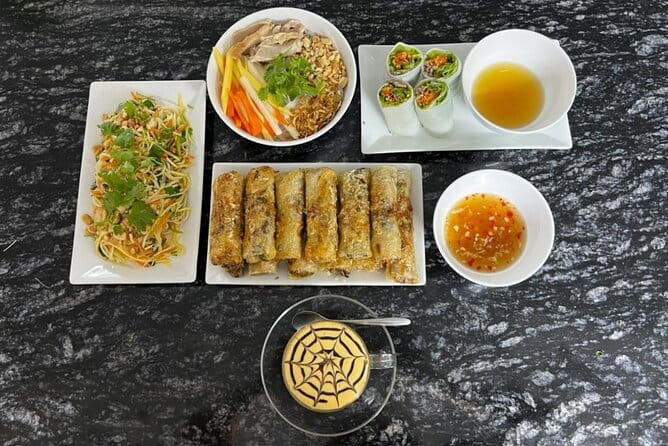
The workshop includes experimentation with latte art, and the feedback backs up that you may learn simple designs while you’re learning to pour. It’s not about turning you into a barista overnight. It’s about getting you comfortable with the visuals and the technique enough to feel proud of what you made.
What I like about adding latte art to a tasting class is that it gives you a different kind of learning. You pay attention to texture and pour speed. You see how the coffee and foam connect. Those skills also help with the practical side of making drinks later.
In addition, instructors are praised for helping people adjust coffees to their tastes. That matters because even when you follow a recipe, your preference for sweetness or strength is personal. Being able to tweak while you’re still in class turns the workshop from a “watch it happen” experience into a “make it yours” experience.
Recipes you can actually use after you leave Hanoi
The workshop includes recipes for each type of coffee. That’s a big value point, because Vietnamese coffee styles are easier to reproduce when you have the exact steps in front of you.
The best part is that you’re not just tasting a menu. You’re learning methods and then applying them to multiple styles. By the end, you’ll create a personalized coffee creation to enjoy. That final step is where you start building confidence, especially if you’re the kind of person who wants to take home a few reliable recipes rather than a pile of memories.
Also, the instructor support seems to go beyond the basics. Feedback includes that guides take pictures and share coffee-friendly tips, and some instructors also point out places to visit in Vietnam. That kind of added guidance can make your overall trip feel more connected, even though the workshop is only about two hours.
Price and value: what $17.73 really buys you
The price is $17.73 per person for an about-2-hour workshop. On paper, that might sound like a small class and a few drinks. In practice, the value comes from what’s included and how many distinct styles you get.
You’re paying for:
- An English-speaking instructor guiding phin brewing and multiple drink recipes
- All ingredients for the coffee you make
- Recipes for each style
- A chance to taste different coffee types as part of the learning
You’re not paying extra for each drink or for the materials. You’re also getting a structured experience that covers classic Vietnamese coffee styles, including ones many visitors only hear about, like salt coffee and egg coffee.
The small group size, max 15, also affects value. It’s easier to learn properly when someone can actually correct what you’re doing, especially when you’re using a phin and trying to hit the right balance of strength.
Who this workshop is perfect for, and who should think twice
This workshop suits coffee lovers who want a hands-on approach. It also fits people who are curious about Vietnamese culture through food and drink, since you’ll learn about beans like robusta and arabica and how they drive flavor.
It’s also great for couples and friends. The style of class is built for sharing, tasting, and comparing different cups in a short amount of time.
You might want to think twice if you’re in a rush or you’re traveling on a weather-tight schedule, because the workshop requires good weather. You’ll also want to be okay with a class that’s active, not passive. This is brewing and tasting, not just a sit-and-watch presentation.
Should you book this Hanoi coffee workshop?
Yes, if you want a real skill, not just a photo-worthy experience. The combination of phin brewing practice, multiple Vietnamese coffee styles (up to 6), and included recipes makes the price feel fair. Add in the emphasis on egg coffee, salt coffee, coconut coffee, and latte art, and you get a class that’s fun even if you’re not a super-serious coffee nerd.
I’d especially book it if you like learning through taste. The best part of this setup is how quickly you can compare black, brown, white, egg, salt, and coconut coffee and start understanding what you personally enjoy.
If you want, tell me your coffee preferences (strong and bitter, sweet and creamy, dessert-like), and I’ll help you decide which styles to pay extra attention to during the class.
FAQ
How many types of Vietnamese coffee will I make?
You’ll work on FOUR to SIX distinct coffee styles during the workshop, including options such as black, brown, egg coffee, white coffee, coconut coffee, and salt coffee.
How long is the Hanoi coffee workshop?
It runs for about 2 hours.
Where do I meet for the workshop?
You start at GẠO CAFE, 10 P. Chợ Gạo, Hàng Buồm, Hoàn Kiếm, Hà Nội 100000, Vietnam. The activity ends back at the meeting point.
Will the instructor speak English?
Yes. The workshop includes an English-speaking instructor.
How big is the group?
The workshop has a maximum of 15 travelers.
What is included in the price?
The price includes all ingredients for making coffee, recipes for each type of coffee, and an English-speaking instructor.
What happens if the weather is poor or I need to cancel?
The workshop requires good weather. If it’s canceled due to poor weather, you’ll be offered a different date or a full refund. Cancellation is free up to 24 hours in advance for a full refund, but within 24 hours the paid amount is not refunded.
New listings around Hanoi
- Ninh Binh Full Day Tour from Hanoi to Hoa Lu, Trang An & Mua Cave★ 5.0 · 31 reviews
- Beautiful Female Riders Vespa Red River Countryside Tour 5 Hours★ 5.0 · 23 reviews
- Female Riders Vespa Night Street Food + Train Street food 4 Hours★ 5.0 · 35 reviews
- The insider’s Hanoi 4.5 hours All highlight Places & Train Street★ 5.0 · 41 reviews
- Street Foods Hanoi Kim Tours Vietnam★ 5.0 · 140 reviews
- Red River Delta Countryside+ Rural Villages, rice Paddies fields★ 5.0 · 134 reviews
- 5 Days 4 Nights Highlight Vietnam Tours★ 5.0 · 9 reviews
- Hanoi Vespa After Dark Street food + Train Street+ Live Music★ 5.0 · 18 reviews
Coffee Experiences, compared.
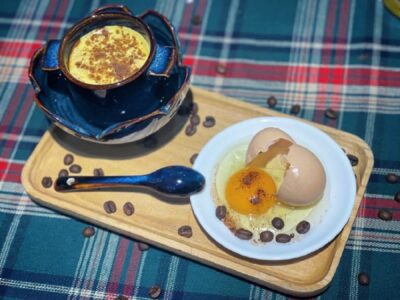
Vietnamese Coffee Culture and Coffee Making Class
Read our review →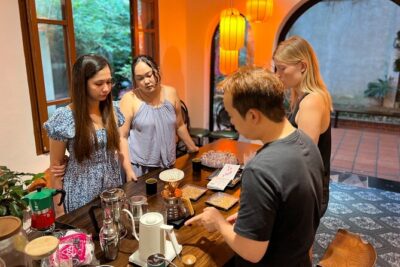
Hanoi Coffee Experience: 6 Brews, 9 Recipes & 3 Liquor Tastings
Read our review →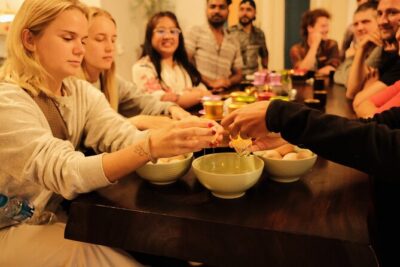
Hanoi Coffee Workshop: Taste Salt, Coconut and Egg Coffee
Read our review →
Salt Coffee Workshop Awake Your Senses With 6 Brews
Read our review →
Early Morning My Son Sanctuary Trip w. Champa Food & Coffee
Read our review →
Da Nang Cooking Class with Coffee Tasting and Market Visit
Read our review →Browse the lists this tour appears in