Reviewed · HALF-DAY
Half-Day Mindfulness Meditation Retreat in Hanoi
Sit still, then learn how to move. This half-day Hanoi pagoda retreat makes meditation feel real and structured, with sutra chanting and guided walking meditation that connect practice to daily ethics. One note to plan for: air-conditioned transport is not included, so travel can feel warm depending on how you get there.
I like that the session doesn’t treat mindfulness as a vague mood. You start with rules, then you learn the correct method of meditation, plus Buddhist doctrines you can carry into everyday life. Before you sit, you do qigong and mindful breathing, so you’re not starting from zero while your body is asking questions.
The experience also has a human side that keeps it from becoming a silent box-check. You’ll chat with monks about doctrine and the noble life of renouncing worldly pleasures, then you practice compassion through releasing animals and share a grateful vegetarian meal. It ends with gift exchange and farewell, which feels simple but surprisingly grounding.
In This Review
- Key Moments You Should Know Before You Go
- Why This Hanoi Pagoda Retreat Feels Different Than a Basic Meditation Class
- Entering the Pagoda: Rules, Sutras, and Buddhist Lessons for Daily Life
- Qigong and Mindful Breathing Before You Sit
- Walking Meditation and the Art of Touching Peace
- Talking With Monks: Ethics, Renunciation, and Big Questions
- Releasing Animals and a Grateful Vegetarian Meal
- Gift Exchange and Leaving With Something You Can Reuse
- Price and Value: Is $60 for a 4-Hour Retreat in Hanoi Reasonable?
- Who Should Book This, and Who Might Feel Out of Place
- Should You Book This Half-Day Mindfulness Meditation Retreat in Hanoi?
- FAQ
- Is the retreat in Hanoi, Vietnam?
- How long is the retreat?
- What is included in the price?
- Is an air-conditioned vehicle included?
- Do I get a mobile ticket?
- What meditation practices are included?
- Is there chanting?
- Do you speak with monks during the retreat?
- How far in advance is it usually booked?
Key Moments You Should Know Before You Go
- Sutra chanting at the start sets the tone and explains why the words matter
- Qigong and mindful breathing help you get settled before formal meditation
- Walking meditation gives your mind focus without forcing you to stay rigid
- Conversation with monks turns doctrine into something you can ask questions about
- Releasing animals and a grateful vegetarian meal bring compassion into the program
- Gift exchange at the end gives the retreat a calm, social landing
Why This Hanoi Pagoda Retreat Feels Different Than a Basic Meditation Class
This isn’t only about sitting quietly. It’s built around Buddhist rituals, ethics, and a very practical idea: meditation is a method, and methods can shape how you live. In a Hanoi pagoda setting, the whole day naturally leans spiritual, but the structure is still friendly for beginners because you’re guided step by step.
If you’re used to mindfulness that stays mostly secular, this may feel more ceremonial than you expect. The benefit is that the retreat offers a clear frame for why you’re doing each part, from chanting to breathing to walking meditation. And that context can make it easier to stay present, since you know what you are practicing and why.
You should also think about your comfort level with ritual. Chanting sutras and speaking with monks are core pieces here, and they’re not optional add-ons. If you want meditation with zero religious flavor, you might find this style less aligned with what you want.
More Hanoi plans to weigh
- Hanoi Jeep Tour: Food, Culture and Fun by Vietnam Army Jeep
★ 5.0 · 15,222 reviews - Full-Day Ninh Binh Highlights Tour from Hanoi
★ 5.0 · 7,761 reviews - Hanoi: Ha Long Bay Day Cruise – Swimming, Meal, Kayaking
★ 4.7 · 7,415 reviews
Entering the Pagoda: Rules, Sutras, and Buddhist Lessons for Daily Life
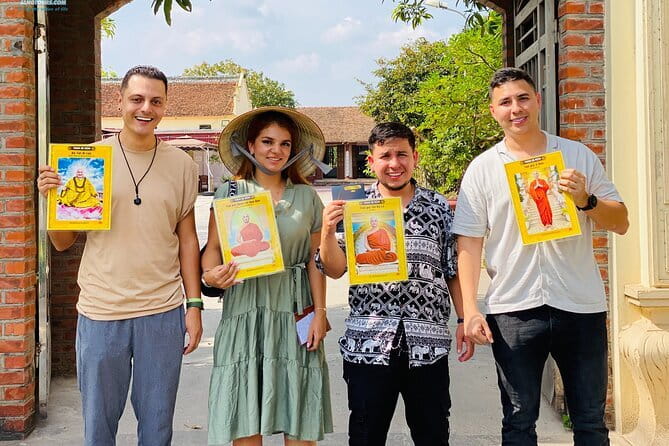
You begin at the pagoda, where your guide explains the rules right away. This matters more than it sounds. Pagoda etiquette can set the pace for the whole experience, and starting with guidance helps you avoid the awkward feeling of not knowing what to do with your hands, your posture, or your attention.
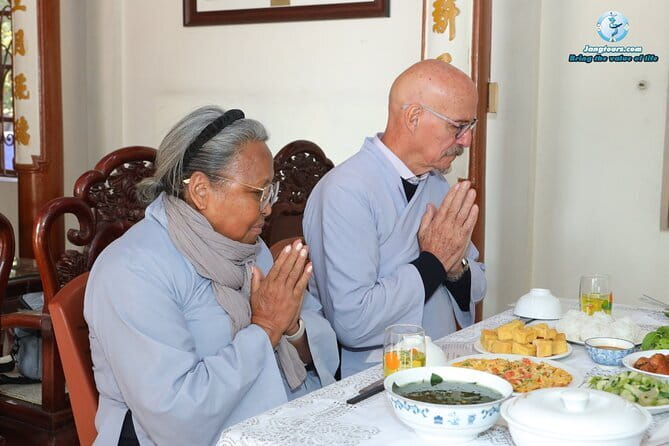
Then comes the first major activity: chanting solemn sutras. The retreat frames the sutras as Buddha’s teachings, not just background noise. For many people, the chanting part does two jobs at once. It anchors your attention through rhythm and repetition, and it primes you to listen for meaning instead of just doing a task.
After the sutras, you shift into doctrine and ethics. You’ll learn profound Buddhist doctrines, then you’re guided toward how to apply what you learn in daily life. This is one of the most useful angles of the retreat. A lot of mindfulness advice stays at the level of breathing harder or thinking nicer. Here, you get a moral lens, gratitude, and a compassion-focused approach that can follow you off the meditation cushion.
Qigong and Mindful Breathing Before You Sit
Before the main meditation, you practice qigong and mindful breathing for good health. This is a smart design choice for beginners. If you jump straight into sitting meditation, your body often interrupts with tight muscles, restless thoughts, or simple discomfort. The retreat softens that problem by asking you to wake up your awareness gradually.
In practice, qigong tends to move attention into the body in a gentle way. Mindful breathing then teaches you to notice what’s happening without trying to bully it into changing. You’re not being pushed to force calm. You’re being shown a method.
This sequence also helps you build consistency. When you understand how breath and body work together, it gets easier to keep your practice going after the retreat. You’ll likely leave knowing what to do the next time your brain is loud and your schedule is chaotic.
Walking Meditation and the Art of Touching Peace
After early instruction, you’ll enjoy tranquil moments through walking meditation. Walking meditation is a gift if sitting still makes you fidget. It gives your mind something simple to track: steps, posture, the rhythm of moving. You keep attention active, instead of trying to make thoughts vanish.
The retreat also highlights the art of touching peace. This is where the focus becomes more intentional. You learn meditation methods and how to focus the mind for true happiness. That phrasing might sound grand, but the practical takeaway is clear: you’re trained to aim attention toward a chosen object and to keep returning when it wanders.
The program is designed so you don’t only learn ideas. You practice them in motion, then you shift into deeper meditation. That rhythm can be surprisingly effective. You’ll finish feeling like you actually worked on your mind, not just observed it.
Same region, different pace:
- Hanoi: Water Puppet Show Tickets
★ 4.6 · 7,029 reviews - Hanoi Motorbike Tour: Food, Culture and Fun by Vintage Motorbike
★ 5.0 · 6,699 reviews - Hanoi: Guided Food Tour with Train Street Visit
★ 4.9 · 6,239 reviews - Hanoi Cooking Class: Culture, Local Market & Meaning CSR Impact
★ 5.0 · 5,147 reviews
Talking With Monks: Ethics, Renunciation, and Big Questions
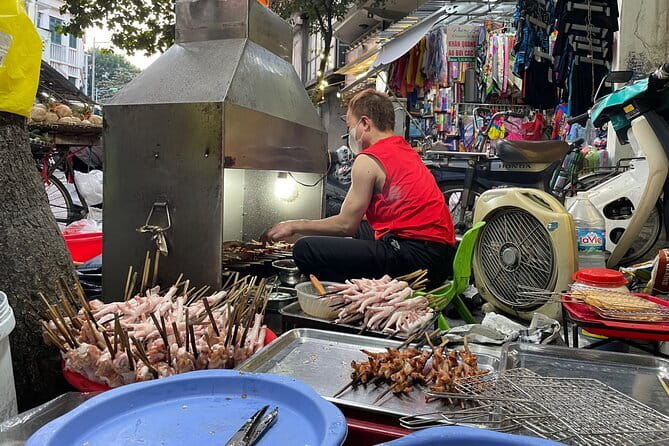
The most anticipated moment for many people is the chance to converse with monks. This is where doctrine becomes less theoretical and more human. You’re able to understand more about Buddhist doctrine, plus the noble life of those who have renounced worldly pleasures.
That doesn’t mean you are asked to give up everything. It means you get context for a different way of valuing life. In conversation, you can ask questions and hear how renunciation is framed as a path, not as punishment or denial.
This part can also shift how you interpret the rest of the retreat. Chanting sutras and practicing mindfulness start to feel like preparation for ethical living. Instead of meditation being a private coping tool, you see it as connected to living with integrity and compassion.
If you’re shy, you may still find this valuable. Even if you don’t ask many questions, listening to how monks explain doctrine can help you build a mental map for the teachings you practiced earlier.
Releasing Animals and a Grateful Vegetarian Meal

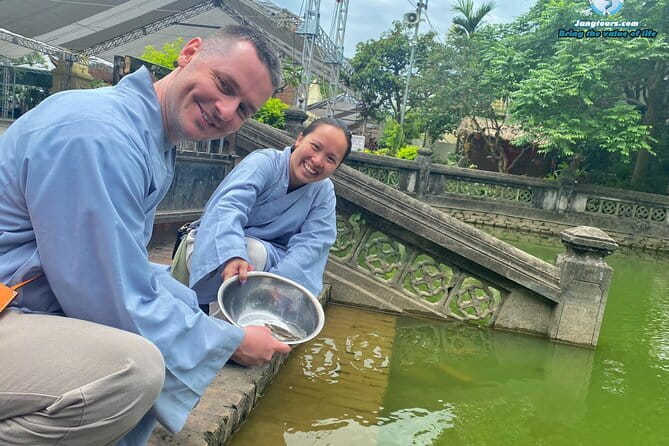
Compassion shows up in a tangible ritual: releasing animals. The retreat includes this activity as a way to nurture compassion. This is one of the emotionally striking moments of the program because it turns ethics into action, not just a concept.
That said, it’s also the kind of activity where you should use your judgment. The data calls it releasing animals, but it doesn’t explain whether it’s symbolic or how it’s handled. If animal welfare matters to you, ask your guide how the activity is carried out and what the retreat intends by it. You want to understand the meaning and the reality, not just the label.
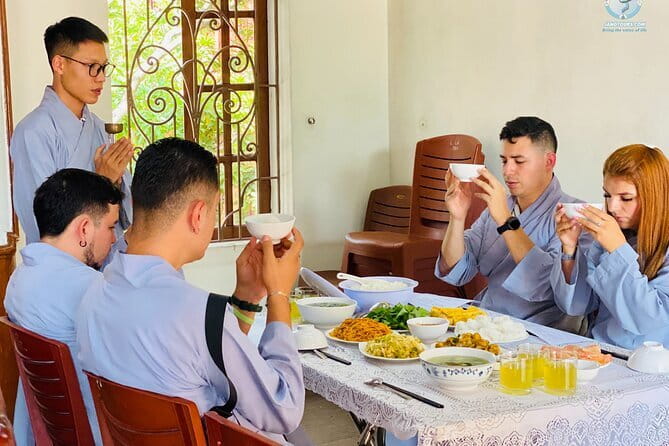
You’ll then enjoy a grateful meal. Lunch is vegetarian, and the retreat presents the meal as part of the practice of gratitude. This is a practical detail that often gets overlooked. Eating mindfully, even for a short time, can help your brain land after the intensity of chanting and meditation.
Vegetarian lunch also supports the spiritual tone of the day. It keeps the experience cohesive, and it’s convenient if you don’t want to hunt for food immediately afterward.
Gift Exchange and Leaving With Something You Can Reuse

The retreat ends with exchanging gifts and a farewell. It’s not flashy, but it gives the experience closure. That matters, because meditation days can leave you feeling both calm and a bit raw. A proper send-off helps your mind return to normal life without ripping the thread.
The most valuable part is what the retreat sets you up to repeat. You learn the correct method of meditation, plus breathing and walking techniques you can practice later. Even if you never become a meditation person, you can still take one or two methods and use them when stress hits.
Think of it like collecting small tools. Some tools calm the body. Some sharpen focus. Some connect ethics to everyday choices. This retreat tries to give you at least a handful of those tools in just four hours.
Price and Value: Is $60 for a 4-Hour Retreat in Hanoi Reasonable?

At $60 per person for about four hours, this is not a casual add-on, but it also isn’t a big-ticket, full-day spiritual tour. The value comes from what’s included: a guided pagoda experience, sutra chanting, instruction on meditation methods, qigong and mindful breathing, walking meditation, conversation with monks, and a vegetarian lunch.
The program also gives you a direct link to ethics and doctrine, not just relaxation. If you care about understanding what you’re doing, and why, that educational component is often where the money makes sense.
The one cost wrinkle is transportation. An air-conditioned vehicle is not included. That doesn’t mean you’ll suffer, but it can affect total cost and comfort. If you’re coming from across town, you may still need to pay for how you get there and back, and that can change your true spend.
Another useful data point: it’s typically booked around 47 days in advance. That suggests it fills up. If you want this specific format, plan ahead so you are not stuck improvising when you arrive in Hanoi.
Who Should Book This, and Who Might Feel Out of Place
This retreat is a good match if you:
- Want a guided intro to meditation methods with a clear religious and ethical framework
- Like structured sessions, not open-ended silence
- Enjoy hands-on practice, including qigong and walking meditation
- Value meeting monks and hearing doctrine explained through conversation
- Prefer a vegetarian meal included in the schedule
You might hesitate if you:
- Want meditation that is completely secular and not tied to Buddhist rituals
- Dislike chanting or ceremonial parts of spiritual practice
- Prefer to avoid activities involving animals, or you need more clarity on how the release is carried out
Should You Book This Half-Day Mindfulness Meditation Retreat in Hanoi?
If you want a compact, high-structure spiritual experience, this is a strong bet. You get multiple styles of practice, chanting plus breathing plus walking, and you also get the context of Buddhist ethics. The inclusion of vegetarian lunch and the monk conversation makes it feel richer than a basic class.
Book it if you enjoy learning as you go and you want a method you can try again after the retreat. Skip it if you only want quiet mindfulness with no rituals, or if you need more detail on the animal release activity before you feel comfortable.
If you do book, go with a flexible attitude. This retreat rewards people who treat each step as part of one lesson, not separate activities you can mentally rate.
FAQ
Is the retreat in Hanoi, Vietnam?
Yes. This half-day mindfulness meditation retreat is located in Hanoi, Vietnam, and it includes time at a pagoda.
How long is the retreat?
The duration is about 4 hours.
What is included in the price?
Vegetarian lunch is included. The rest of the experience includes the guided activities described in the program.
Is an air-conditioned vehicle included?
No. An air-conditioned vehicle is not included.
Do I get a mobile ticket?
Yes. The experience uses a mobile ticket.
What meditation practices are included?
You’ll practice qigong and mindful breathing, then you’ll do meditation and walking meditation.
Is there chanting?
Yes. The first activity includes chanting solemn sutras.
Do you speak with monks during the retreat?
Yes. You’ll have a conversation with monks to learn more about Buddhist doctrine.
How far in advance is it usually booked?
On average, it is booked about 47 days in advance.
New listings around Hanoi
- Beautiful Female Riders Vespa Red River Countryside Tour 5 Hours★ 5.0 · 23 reviews
- Female Riders Vespa Night Street Food + Train Street food 4 Hours★ 5.0 · 35 reviews
- Ninh Binh Full Day Tour from Hanoi to Hoa Lu, Trang An & Mua Cave★ 5.0 · 31 reviews
- Street Foods Hanoi Kim Tours Vietnam★ 5.0 · 140 reviews
- Red River Delta Countryside+ Rural Villages, rice Paddies fields★ 5.0 · 134 reviews
- The insider’s Hanoi 4.5 hours All highlight Places & Train Street★ 5.0 · 41 reviews
- 5 Days 4 Nights Highlight Vietnam Tours★ 5.0 · 9 reviews
- Hanoi Vespa After Dark Street food + Train Street+ Live Music★ 5.0 · 18 reviews
Half-Day, compared.

Cu Chi Tunnels Half-Day Tour: Vietnam War Underground Network
Read our review →
Cu Chi Tunnels Half-Day Tour: Big Group Vietnam War Experience
Read our review →
Small-Group Cu Chi Tunnel Half-day Tour: Morning or Afternoon
Read our review →
Hanoi Half-day with Food + Fun + Culture By Russian Jeep
Read our review →
Ho Chi Minh City Private Half-Day Tour by U.S Army Jeep
Read our review →
Ben Duoc ‘Less-Crowded’ Cu Chi Tunnels Half-Day Tour
Read our review →
Afternoon Cu Chi Tunnels – Small Group Half-Day Tour
Read our review →