
Reviewed · COOKING CLASSES
Farming & Cooking Class in Hoi An – Small Group Tour
Your lunch starts in the soil. This Hoi An small-group class blends Tra Que farm life with a hands-on Vietnamese cooking session, from picking produce to eating what you made. You’ll also get guided farming practice in a local vegetable area, not just a classroom demo.
What I like most is how much you do with your hands, starting at the local market where chef Min and the team explain ingredients like herbs and vegetables. I also love the added reset moment, a traditional foot massage with medicinal herbs, before you cook and then enjoy a full meal.
One thing to consider is physical farm time and good-weather dependence. You can expect sweaty, earthy work, and if conditions are poor, the experience may be changed or refunded.
In This Review
- Key highlights I’d circle on your Hoi An schedule
- Tra Que to the Table: What This Class Really Feels Like
- From Hotel Pickup to a Market Start That Makes Cooking Easier
- Cycling Past Rice Fields to Tra Que Vegetable Village
- Farm Work With a Local Farmer, Not a Show
- Traditional Foot Massage Before You Start Cooking
- Cooking Class Skills You Can Actually Use at Home
- Green papaya salad: learn the balance
- Banh Xeo: crispy texture takes attention
- Spring rolls: rolling technique and fillings
- Fish in clay pot: gentle cooking, strong flavor
- Lunch at the End: Enjoying What You Made
- Price and Timing: Is $38 Good Value in Hoi An?
- Who Should Book This, and Who Might Prefer Something Else
- Should You Book This Farming and Cooking Class in Hoi An?
- FAQ
- How long is the Farming & Cooking Class in Hoi An?
- Does the tour include hotel pickup and transportation?
- What dishes will you learn to make?
- Is lunch included?
- Can you accommodate a vegetarian or special diet?
- What is the maximum group size?
Key highlights I’d circle on your Hoi An schedule
- Market shopping first, so you understand what goes into each dish
- Tra Que vegetable village farm work, including tasks like hoeing soil and watering plants
- Seaweed and herbs in the mix, because Vietnamese flavors come from the whole ecosystem
- Traditional foot massage before cooking, using medicinal herbs
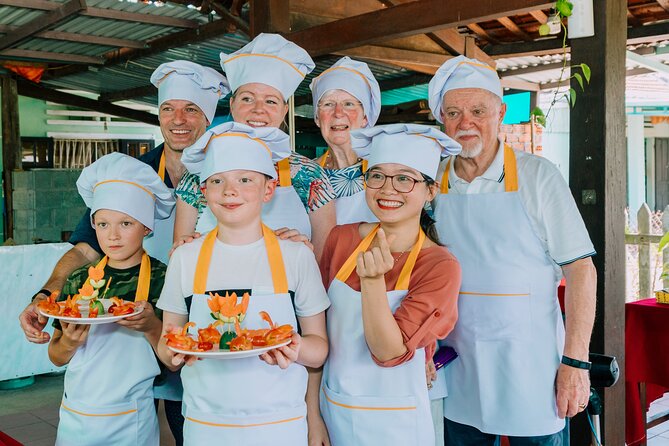
- Hands-on cooking coaching for papaya salad, spring rolls, banh xeo, and clay pot fish
Tra Que to the Table: What This Class Really Feels Like
This isn’t one of those cooking classes where you stand at the back and watch someone else do the messy parts. You start with ingredients, then you work in the garden, then you cook the meal. That flow matters, because Vietnamese food is all about balance, freshness, and timing, and you get a real feel for that instead of memorizing recipes.
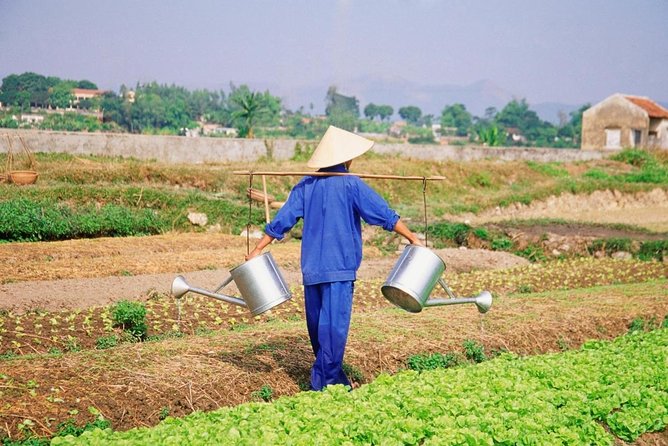
The setting is Tra Que, a vegetable village known for growing herbs and greens used in local dishes. You’ll cycle through rice fields and quiet villages to get there, then walk through the garden to learn what plants you’ll actually handle later. When you finally sit down to eat, it hits differently because you know where the flavors came from.
Another good detail is the small group size, capped at 15. That typically means fewer people competing for attention and more chances to ask questions when your papaya salad needs more lime, your herbs need adjusting, or your banh xeo batter behaves differently than you expected. At $38, you’re paying for a full morning or afternoon experience that includes transportation, a chef-led lesson, lunch, and the farm component, not just the cooking.
If you prefer experiences that feel local and practical, this hits the sweet spot. If you want something super relaxed with no physical tasks, you might find the farm segment a bit much.
More Cooking Classes in Hoi An
- Cooking Class Hoi An:Local Market, Basket Boat, Fishing & Cooking
★ 5.0 · 3,660 reviews - Hoi An Cooking Class(Market,BasketBoat Crabfishing&Cooking Class)
★ 5.0 · 3,386 reviews - From Hoi An: Market Tour, Basket Boat Ride and Cooking Class
★ 4.8 · 2,208 reviews
From Hotel Pickup to a Market Start That Makes Cooking Easier
The tour begins with pickup from your hotel and private transportation. That’s a big deal in Hoi An because it keeps the experience smooth, especially if you’re juggling other plans like Old Town wandering, lantern shopping, or beach time.
Once you’re on the move, you’ll start with the local market. This part is where your cooking class becomes useful for real life. Instead of being handed a basket of ingredients, you learn what you’re choosing and why. You’ll see produce that supports Vietnamese flavors, like herbs that go straight into salads and rolls, and vegetables used in savory dishes.
A chef or guide leads you through the choices, and the best part is the ingredient education. The market visit isn’t just a photo stop. It’s the foundation for what you cook later, including dishes like:
- green papaya salad
- spring rolls
- banh xeo (a crispy Vietnamese pancake)
- fish in clay pot
If you’ve ever taken a cooking class where the food tastes good but you can’t recreate it, this market start helps you avoid that problem. You’re learning recognition, not just steps.
Bring your curiosity. Ask what herbs smell like before you chop them. Pay attention to how ingredients are used together. That’s the shortcut to better results at home.
Cycling Past Rice Fields to Tra Que Vegetable Village
After the market, you’ll travel to Tra Que and you’ll get there in a scenic way, including cycling through rice fields and peaceful villages. Even if you’ve seen rice paddies before, the calm pace helps you shift into the “slow food” mood quickly.
Then comes the walk through the garden where you discover culinary herbs and vegetables. This isn’t a botanical lecture. You’re learning what gets used in your cooking session, so the garden tour becomes a practical preview. You’ll also hear how the plants fit into traditional cooking, which is handy when you’re making dishes like papaya salad, where the herb balance can make or break the flavor.
Two details I like because they’re specific and useful:
- You’re not just shown plants, you’re guided toward the ones you’ll handle in cooking
- The farming experience afterward connects directly to what you see here
For your comfort, wear closed-toe shoes. Garden paths and farm work can be slippery or uneven, and you’ll be doing hands-on tasks. Also, if you go in warm weather, plan for sweating during the farming portion.
Farm Work With a Local Farmer, Not a Show
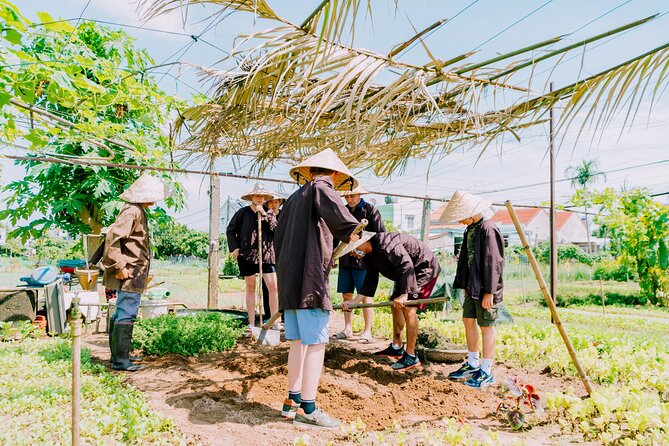
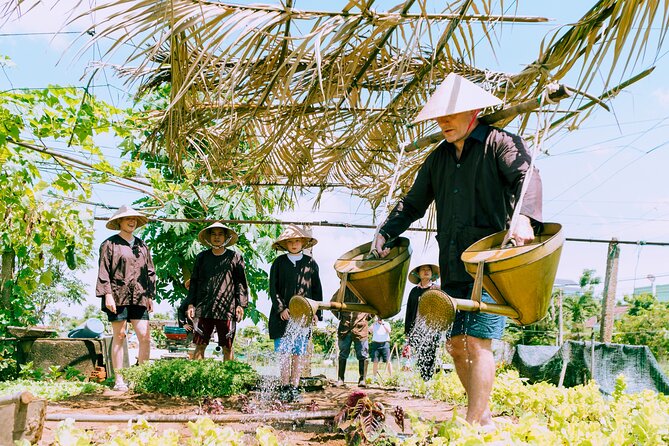
At Tra Que, you’ll take part in real farming activities with a farmer. This is where the tour earns its value. You’ll do tasks like hoeing soil, collecting seaweed, and then transplanting and watering. Even if you’ve never farmed before, you’ll get instruction and a chance to participate rather than just observe.
Here’s what this section does for you as a cook and a food lover:
- You learn what plants need to grow, which helps you understand why Vietnamese recipes emphasize freshness and herbs.
- You get a better sense of texture and flavor sources. For example, how greens feel in the hand, how delicate herbs can be, and how seaweed fits into savory depth.
The experience is also time-efficient. You don’t spend hours doing only one tiny task. You get a mix, and it stays varied enough to feel engaging.
One more detail worth noting is that it’s small group friendly. With a max of 15, you can usually keep up with instructions. That matters when you’re coordinating tools, plant care steps, and photo breaks.
And yes, it can be tiring. You’re doing farm work before you cook. So if you’re the type who likes to snack and then cruise, build in that mindset. This is hands-on.
More Hoi An plans to weigh
- Hoi An: Basket Boat with Lantern-Making & Cooking Class Tour
★ 4.9 · 1,444 reviews - Hoi An Cooking Class(Local market,Basket Boat,Fishing & Cooking)
★ 5.0 · 1,323 reviews - Hoi An: Market Experience with Optional Fishing and Cooking
★ 4.7 · 928 reviews - Hoi An: Basket Boat Ride, Cooking Class by Hangcoconut
★ 4.9 · 802 reviews
Traditional Foot Massage Before You Start Cooking
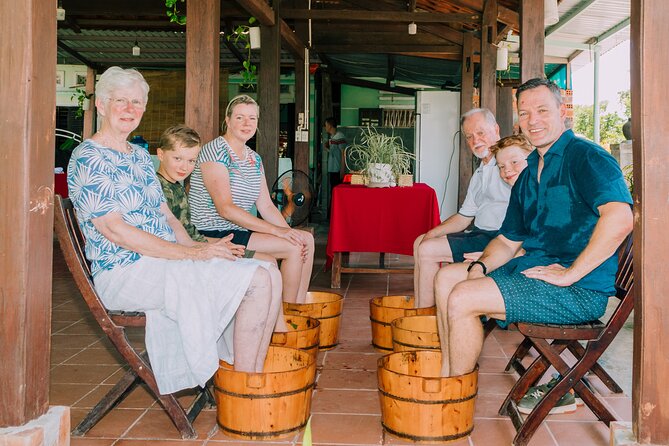
After the farming activities, you take a break and then you get a traditional foot massage with medicinal herbs. This is a classic Vietnam-style “reset,” the kind of treatment many visitors find calming after physical work.
From a practical standpoint, it’s also smart scheduling. By the time you’re back in the kitchen, your body is less stiff, and you can focus on cooking skills instead of just surviving the day.
You’ll likely appreciate this part most if:
- your trip involves a lot of walking
- you’ve already done cycling or temple stairs that day
- you know you tend to get tight after outdoor activities
I’d also consider this the tour’s pacing tool. It gives your brain a breather between the farm segment and the more detailed cooking steps that follow.
Cooking Class Skills You Can Actually Use at Home
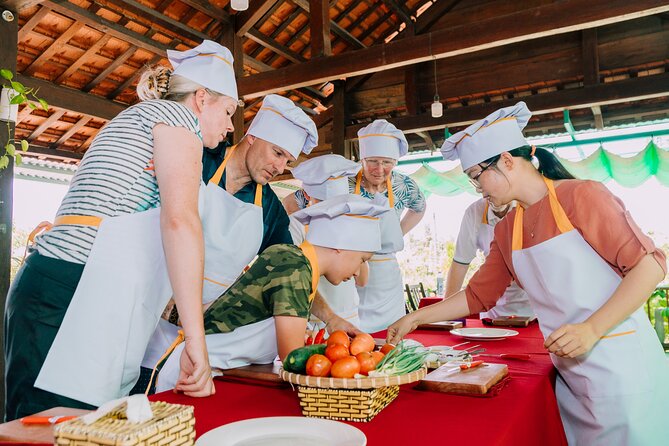
The cooking class is led by an English speaking guide and local chef. You’ll prepare multiple Vietnamese dishes and eat what you make, so the lesson doesn’t end when the timer starts. It continues through tasting.
You’ll learn to prepare:
- Green papaya salad
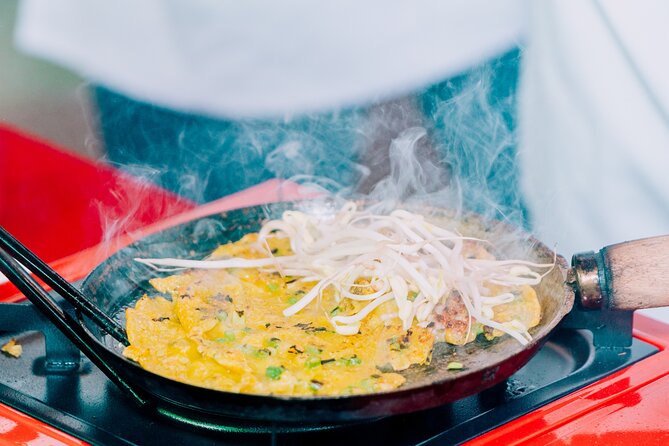
- Banh Xeo, a crispy Vietnamese pancake
- Spring rolls
- Fish in clay pot
The chef demonstrates cooking techniques, and you cook along. Based on the teaching style described in feedback for this experience, expect step-by-step guidance rather than a vague “watch me once” setup. You’ll likely get hands-on time with chopping ingredients, mixing components, and cooking the dishes yourself.
Green papaya salad: learn the balance
Papaya salad depends on balancing tart, salty, and fresh herb notes. When you pick ingredients earlier, you’re better prepared to adjust flavor during cooking. The garden and market prep aren’t decoration. They set you up for the reality that Vietnamese food tastes like balance, not like one ingredient doing all the work.
Banh Xeo: crispy texture takes attention
Banh xeo is all about heat control and batter timing. If you’ve never made it, it can feel a bit tricky at first because the goal is crisp edges and a cooked interior. This is the kind of dish where coaching helps, since small changes in cooking time can affect the texture.
Spring rolls: rolling technique and fillings
Spring rolls are more than “wrap it and hope.” You’ll learn how fillings come together and how to assemble them so they taste right and hold up. This is another dish where fresh herbs and crunchy vegetables matter.
Fish in clay pot: gentle cooking, strong flavor
Clay pot fish is about slow, controlled cooking and letting flavors develop. It’s also comforting food, so after the farm work, it’s a satisfying payoff.
Cooking happens over about two hours, which is long enough to learn multiple dishes but not so long that you feel fried by the end.
Lunch at the End: Enjoying What You Made
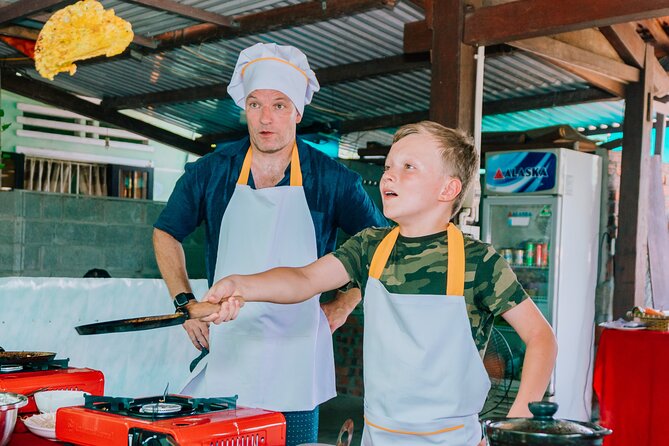
After cooking, you eat the dishes you prepared. That’s not a small detail. It changes your learning because you can connect technique to taste immediately.
You’ll also get bottled mineral water included, so you’re not managing basic needs while you’re focused on enjoying the meal. Lunch here is part of the experience, not an add-on.
What you should do while you eat: slow down and notice what you nailed and what needs tweaking. If something tastes slightly off, think back to a specific moment, like how you adjusted lime in papaya salad or how you watched the heat for banh xeo. That mental link is what helps you recreate dishes later.
And because this class teaches multiple dishes in one session, you’ll leave with more than one recipe to try at home.
Price and Timing: Is $38 Good Value in Hoi An?
At $38 per person for about 5 hours, the value comes from what’s bundled in. This isn’t just cooking instruction. You’re also getting:
- hotel pickup and private transportation
- an English speaking guide and local chef
- market visit for ingredient selection
- farming with a farmer in the vegetable village
- traditional foot massage with medicinal herbs
- lunch
- bottled mineral water
If you’ve done cooking classes before, you know the cost often covers only the kitchen time. Here, you’re paying for the full “market to farm to kitchen” storyline, plus the added farm participation and massage.
There’s also the group size limit of 15, which usually supports more personal attention. If you’re traveling in a small group, you also tend to get a better experience than if you’d booked a massive bus-style tour.
You can choose a morning or afternoon option, so you can match it to how you plan your day. The farm work can be active, so if you know you get worn out early, consider the timing that leaves room for normal rest afterward.
Finally, keep in mind the experience requires good weather. If it’s canceled due to poor weather, you’ll be offered a different date or a full refund, which is reassuring.
Who Should Book This, and Who Might Prefer Something Else
This fits best if you want Hoi An experiences that feel hands-on and grounded. You should book if you:
- want to learn Vietnamese cooking with real ingredient knowledge
- like practical activities where you participate, not just watch
- enjoy markets and food culture more than stage-managed shows
- don’t mind a bit of farm work before the kitchen
You might want to think twice if you:
- dislike physical tasks or have mobility limitations
- prefer a strictly indoor activity with no outdoor walking or garden work
- are sensitive to herbal foot massage treatments
If you’re a solo traveler, this can still work well because the group is capped. If you’re on a couple trip or family trip (and you can manage the farm activity comfortably), the small group size usually keeps the day from feeling chaotic.
Should You Book This Farming and Cooking Class in Hoi An?
Yes, if you want a class that connects ingredients to technique, and you like the idea of learning in a place that actually grows the food. The market start plus Tra Que farm work makes the cooking feel earned, not copied.
I’d book this sooner rather than later if you’re traveling in peak season, since this is commonly reserved around three weeks ahead. Also, if you have dietary needs, request vegetarian or special diet on booking so you can plan around what you’ll be cooking and eating.
If you’re looking for a single, high-impact food experience in Hoi An, this is one of the better choices because you get the full arc: market, farm, massage, cooking, and lunch.
FAQ
How long is the Farming & Cooking Class in Hoi An?
It runs for about 5 hours.
Does the tour include hotel pickup and transportation?
Yes. Pickup is offered, and private transportation is included.
What dishes will you learn to make?
You’ll learn green papaya salad, Banh Xeo (crispy Vietnamese pancake), spring rolls, and fish in clay pot.
Is lunch included?
Yes. Lunch is included, and you eat what you cook.
Can you accommodate a vegetarian or special diet?
Yes. Vegetarian and special diets are available on request.
What is the maximum group size?
The maximum group size is 15 travelers.
New listings around Hoi An
- Hoi An Memories Show with Hoi An Impression Theme Park Ticket★ 5.0 · 13 reviews
- Cook Like a Local: Your Personalized Vietnamese Culinary Journey★ 5.0 · 185 reviews
- Coconut Basket Boat Trip – A Must – Do Experience in Hoi An!★ 4.5 · 57 reviews
- Hoi An Memories Show – QRCODE Ticket★ 4.5 · 27 reviews
- Full Experience Tour: Cooking Class & Basket Boat at Eco-Village★ 5.0 · 187 reviews
- Hoi An food tour★ 5.0 · 11 reviews
- Cooking Class Lunch/ Dinner with Local Chef in Coconut Village★ 5.0 · 15 reviews
- Vegetarian Cooking Class and Basket Boat Activity★ 5.0 · 19 reviews
Cooking Classes, compared.
Hanoi Cooking Class: Culture, Local Market & Meaning CSR Impact
Read our review →
5 Traditional Dishes Hanoi Cooking Class with Market Trip
Read our review →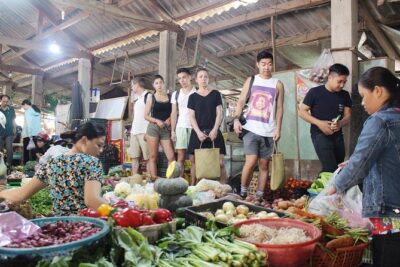
Cooking Class Hoi An:Local Market, Basket Boat, Fishing & Cooking
Read our review →
Hoi An Cooking Class(Market,BasketBoat Crabfishing&Cooking Class)
Read our review →
Mekong Delta Boat,Khotcake cooking Coconut Village,SmallGroup
Read our review →
Market Tour, Basket Boat Ride and Cooking Class
Read our review →
Cai Be Mekong Delta Tour: Cooking Class, Cycling & Craft Villages
Read our review →
Basket Boat with Lantern-Making & Cooking Class Tour
Read our review →Browse the lists this tour appears in