
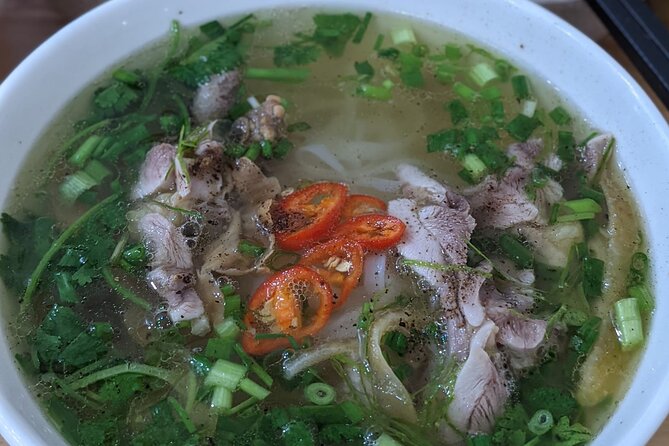
Reviewed · COOKING CLASSES
Cooking School from Hoi An/ Da Nang
A Vietnamese cooking class in Hoi An feels way more real. You skip the tourist-food script and learn four dishes you’ll taste right after. I like that it is hands-on, not just watching, and that you take home recipes you can actually use.
Two things I especially like: you get hotel-area pickup and drop-off plus an English-speaking guide, so you are not fussing with transport after a long day. And you do real cooking, not a token demo, so you leave knowing how flavors come together in dishes like papaya salad and banh xeo.
One possible drawback to plan for: some menus lean a bit fried, and with a 2.5-hour session you move quickly. If you prefer lighter food, you may want to skip extra crunchy items when you can, or ask how the chef keeps portions balanced.
In This Review
- Key highlights to know before you go
- Hoi An and Da Nang cooking class, the real-food kind
- Price and logistics that actually matter for $22
- What you cook, and why these dishes teach real technique
- The Hoi An schedule: Cam Thanh Village and the four-dish flow
- The Da Nang option: two menus and choosing by day
- How the class actually feels: pacing, instruction style, and recipe take-home
- The meal after cooking: big portions and a balanced plate
- Clean setup, ingredient prep, and what to bring
- Who this cooking class suits best
- Should you book this Vietnamese cooking class?
- FAQ
- How long is the cooking class?
- Do I get hotel pickup and drop-off?
- What dishes do you cook in Hoi An?
- What dishes do you cook in Da Nang?
- Is there an English-speaking guide and do I receive recipes?
- Are tips included in the price?
Key highlights to know before you go
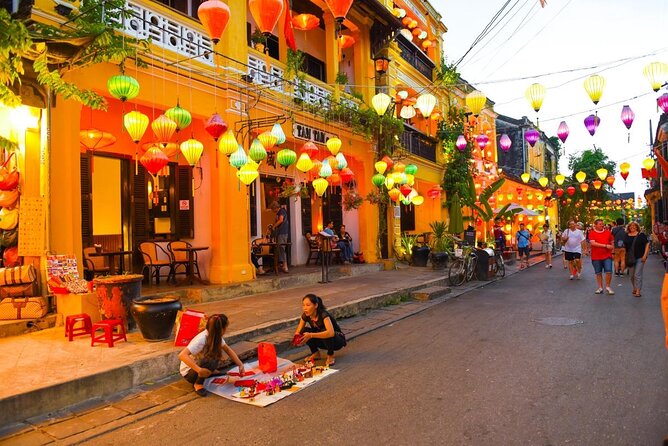
- Cook 4 dishes and eat what you make, including classics like pho, banh xeo, and papaya salad
- Small group setup (maximum 20) keeps the pace friendly and the instruction clear
- Hoi An and Da Nang options let you pick between different menus and regional flavors
- Take-home recipes make it easier to recreate the dishes later
- Pickup and drop-off included from central hotel areas in Da Nang or Hoi An
- Local village setting in Cam Thanh Village (Hoi An) gives the class a more grounded vibe
Hoi An and Da Nang cooking class, the real-food kind
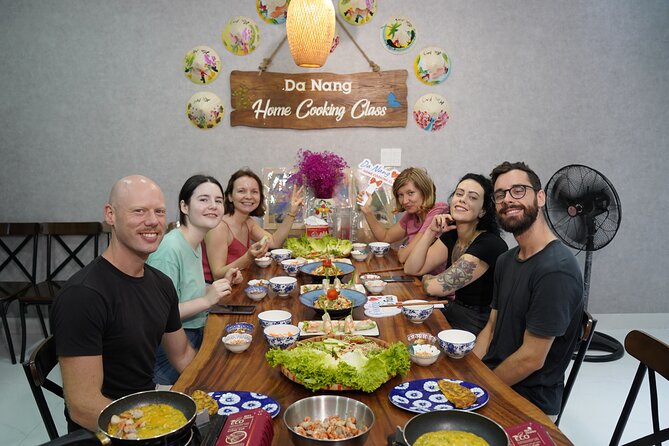
This is the kind of activity that fixes what many food tours fail to do, it teaches you how to cook, not just what to eat. The format is built around a short drive from central areas, then you roll up your sleeves and cook four Vietnamese dishes. When class is over, you sit down and enjoy the meal you made, so you get that instant payoff.
You can do this from Hoi An or Da Nang, and the menus shift depending on the day. In Hoi An, the focus lands on the flavors people associate with central Vietnam. In Da Nang, you may see either a Quang noodle style day or a Pho and banh xeo style day. That variety is a big part of the value, because you are not just repeating the same four dishes no matter when you go.
Another smart detail is the time structure. Morning and afternoon sessions exist in both cities, which makes it easier to fit into your itinerary without feeling like your day revolves around one fixed schedule.
More Cooking Classes in Hoi An
- Cooking Class Hoi An:Local Market, Basket Boat, Fishing & Cooking
★ 5.0 · 3,660 reviews - Hoi An Cooking Class(Market,BasketBoat Crabfishing&Cooking Class)
★ 5.0 · 3,386 reviews - From Hoi An: Market Tour, Basket Boat Ride and Cooking Class
★ 4.8 · 2,208 reviews
Price and logistics that actually matter for $22
At $22 per person for about 2 hours 30 minutes, this is good value for a class that includes multiple dishes, a guide, and transfers. The price matters because you are paying for real instruction and ingredients, not only for a meal. If you compare it to the cost of a nice multi-dish restaurant meal plus a cooking workshop add-on, the math usually starts to look much better here, especially with pickup included.
You should also care about the small-group limit. The tour caps at 20 travelers, and that tends to keep the teaching focused. In practice, you get enough attention to ask basic questions, like how to adjust seasoning or what to look for when dough or oil is ready.
Practical note: this experience uses a mobile ticket and you get a confirmation at booking. That is useful when you are hopping between activities in Vietnam and want something simple at check-in.
What you cook, and why these dishes teach real technique
The class centers on four dishes that cover different cooking skills. That is what makes it more than a “food tasting with chopping.” You learn how Vietnamese flavor is built from balance: salty, sweet, sour, and a little heat. You also learn how texture changes when you fry, pan-cook, or assemble cold salads.
In Hoi An, the typical menu includes:
- Beef noodle soup
- Deep-fried spring roll
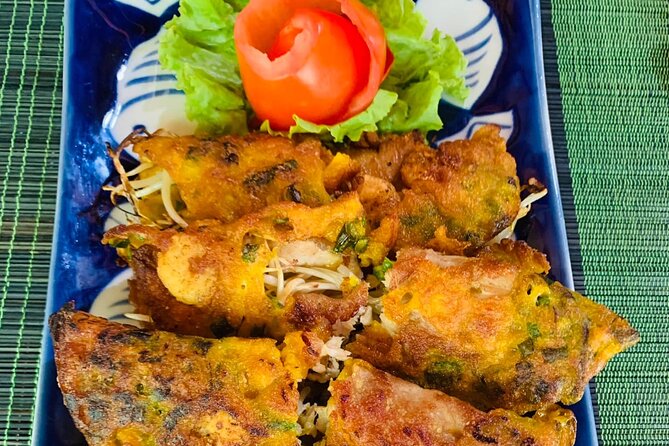
- Hoi An pancake (banh xeo) with pork and prawns
- Papaya salad
In Da Nang, menu options rotate by weekday. One menu may include:
- Quang noodle
- Fish sauce chicken wing
- Green papaya salad with shrimp
- Deep-fried spring rolls
The other Da Nang menu may include:
- Pho
- Crispy Vietnamese pancake (banh xeo)
- Green mango salad with shrimp
- Fresh spring roll
Even if you already like eating these dishes, cooking them is a different story. For example, banh xeo teaches pan heat control and timing, because the crisp edge matters. Papaya or mango salad teaches the “bite” part of sourness, the part where you salt, massage, and balance before mixing in shrimp. And spring rolls teach assembly, oil temperature, and how to keep the outside crisp.
One extra bonus I’ve seen from instructors in this format: they can help with basic eating tools. In some sessions, teachers have even shown guests chopstick technique, which sounds small, but it genuinely helps if you feel awkward trying to navigate Vietnamese meals.
The Hoi An schedule: Cam Thanh Village and the four-dish flow
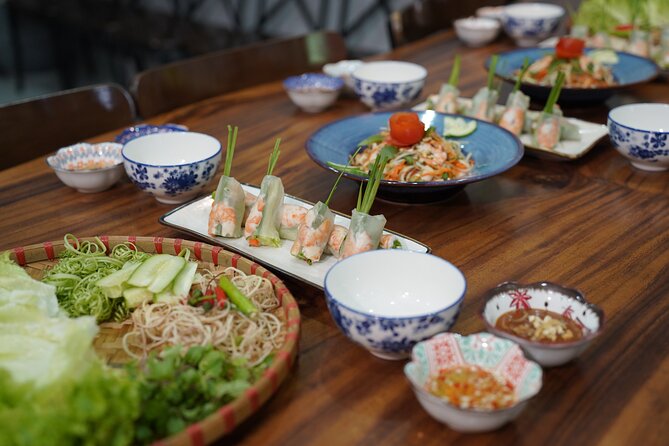
If you start from Hoi An, your day typically begins with pickup in the city area. The common times are 10:15 AM or 4:15 PM, followed by a transfer to the cooking house in Cam Thanh Village. This village-side setting is a big part of why people enjoy the class. You get a change of scenery from the old town crowds, and the cooking space feels more like someone’s home kitchen than a staged show.
Once you arrive, you cook four dishes and then eat. Based on the Hoi An menu, you will work through soup, fried rolls, banh xeo, and a fresh salad. That order makes sense because it gives you different stations and different heat levels rather than repeating the same task.
The timing lands the activity close to midday or early evening. You typically head back by van around 12:30 PM for the morning session, or 6:30 PM for the afternoon session. That gives you a clean handoff back to your hotel, which matters if you have dinner plans nearby or want time to wander the Hoi An Ancient Town area after class.
What to consider for Hoi An timing: afternoon sessions can leave you hungry by the time you arrive. Do yourself a favor and keep breakfast light or have an early snack before pickup, then let the class be the main meal.
More day trips out of Hoi An:
- My Son Sanctuary Luxury Trip from Hoi An
★ 5.0 · 565 reviews - From Hoi An: My Son Sanctuary Afternoon Tour & Boat Trip
★ 4.7 · 497 reviews - From Hoi An: My Son Sanctuary & Marble Mountains Guided Tour
★ 4.7 · 290 reviews - My Son Sanctuary and cruise trip from Hoi An/ Da Nang
★ 5.0 · 229 reviews
The Da Nang option: two menus and choosing by day
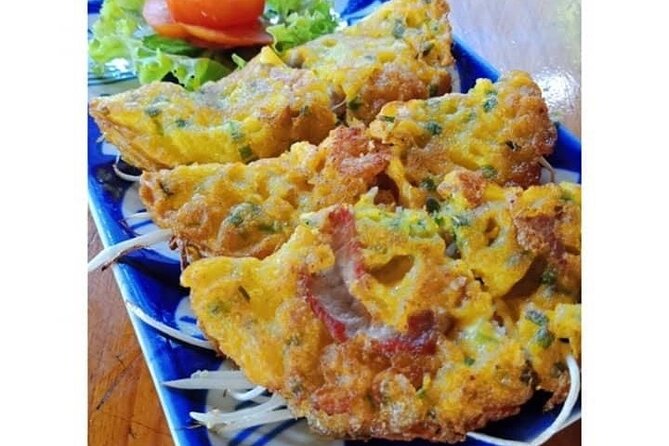
In Da Nang, pickup is usually from hotels in the city center around 9:15 AM or 3:15 PM. The class runs to about midday or early evening, with the return timed to 12:00 noon or 6:00 PM.
The most important decision in Da Nang is the menu. It changes by weekday:
- Mon, Wed, Fri, Sun: Quang noodle, fish sauce chicken wing, green papaya salad with shrimp, deep-fried spring rolls
- Tue, Thur, Sat: Pho, crispy banh xeo, green mango salad with shrimp, fresh spring roll
If you love Pho, pick the days that include it. If you are more curious about central Vietnamese noodle styles, choose the Quang noodle menu day. Either way, you still get that mix of soups or noodles, crispy items, and sour salads.
Also, the Da Nang class is set as “a local’s house” experience. That usually means a more casual setup than a cooking school classroom. The upside is atmosphere and authenticity. The downside is that you might not get the polished, studio-style feel you see in big-city cooking workshops.
How the class actually feels: pacing, instruction style, and recipe take-home
The class is designed to feel structured without being stiff. You cook with guidance in English, and you get recipes at the end. That recipe handoff is crucial because you leave with a blueprint for the flavors, not just a memory of how it tasted.
From what I’ve seen described by different instructors, teaching style varies, but the common thread is clear steps and practical explanations. In some sessions, the lead teacher is a friendly host named Lily. Other sessions mention teachers like Quan or Lyn. Across the board, people highlight that the instructor explains ingredients, uses helpful alternatives, and keeps the class moving. If you are a first-timer, that clarity is what helps you finish dishes successfully.
The pacing is fast because you are producing four dishes in one go. That is great if you like momentum and learning by doing. If you want a slower “master one dish perfectly” pace, you may find the schedule tight. Still, you are not rushed through nothing. You cook, you taste, you get corrections, and you get the recipes to slow things down at home.
One more small practical point: in at least one session format, the activity is described as outdoors. If you are going during mosquito-heavy times, pack repellent. You will be moving around, washing hands, and waiting for short moments while things cook.
The meal after cooking: big portions and a balanced plate
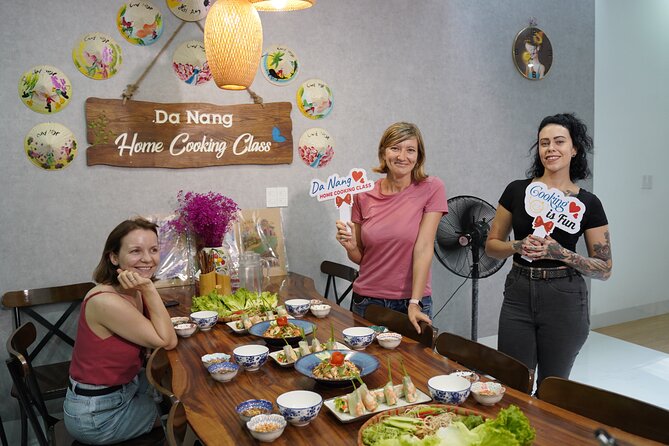
The meal at the end is not an afterthought. You eat the dishes you prepared, and portions can be generous. People commonly describe the experience as very filling, with lots of food spread across the dishes you cooked.
What you eat tends to hit several key flavor notes:
- soups and noodles for warmth and comfort
- crispy fried items for texture
- salads for sour, crunchy freshness
- banh xeo for savory depth and crispy-edged pancakes
That balance is part of the learning. You see how Vietnam uses contrast. The sour salad cuts through the richness of fried spring rolls. The herbs and shrimp lift the flavor of pancakes. If you cook these together, you start to understand how to season without overthinking it.
If you are sensitive to fried foods, keep an eye on portions. Some dishes are naturally deep-fried, including spring rolls, and that can be a lot in one sitting. But you can also focus on the salads and pancakes for lighter bites.
Clean setup, ingredient prep, and what to bring
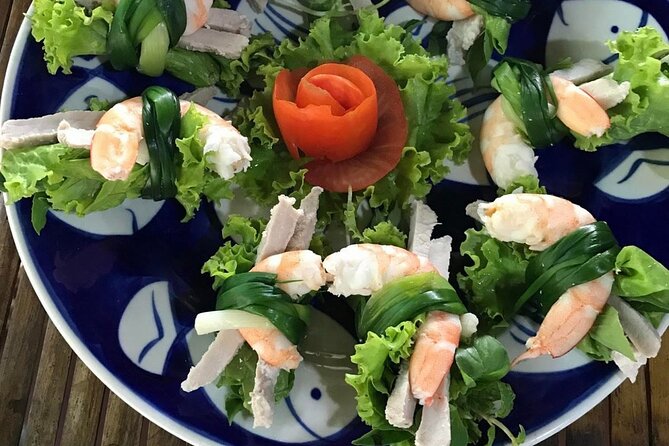
The cooking area is described as clean, with a hand washing site available. Ingredients are typically prepped so you spend your time cooking, not endlessly searching through a pantry. That matters in a short class, because the instructors want you to succeed, not get stuck.
What I recommend you bring:
- a bottle of water for before and after (the tour includes a water bottle, but you can still stay ahead of thirst)
- mosquito repellent if you run into outdoor cooking or waiting
- comfy clothes and shoes you can move in
- an appetite, because there is a lot of food and it adds up
Also, if you are thinking about recreating the recipes later, bring a phone or small notebook so you can jot down ingredient tweaks. The recipes come with you, but writing your own notes helps you adjust to what you can buy at home.
Who this cooking class suits best
This one fits best if you want:
- a practical Vietnamese cooking skill session
- a class that produces a full meal, not just snacks
- an activity that works well for couples, families, or small groups
It is also a good fit if you like variety. The menu selection includes soups, pancakes, salads, and spring rolls across the Hoi An and Da Nang schedules. You are likely to come away knowing more than just one dish.
Kids can usually handle it too, since it is hands-on and social. There are comments about a nine-year-old enjoying the process, which suggests the teaching style can work for curious younger cooks.
If you dislike fried foods or prefer a gentler pace, consider choosing a menu day that gives you more salad and pancake balance, and go in knowing you will move quickly.
Should you book this Vietnamese cooking class?
Yes, I think you should book it if you want a real Vietnamese cooking lesson in Hoi An or Da Nang. The big wins are simple: you cook four dishes in one session, you eat what you make, you get recipes, and pickup and drop-off from the hotel area make it easy.
Book with extra excitement if you are specifically interested in learning banh xeo, papaya salad (or green mango salad), or spring roll technique. Just keep your expectations aligned with the short time frame, and plan for a menu that includes fried items. If that sounds like your kind of fun, this is an easy “add it to the trip” experience.
FAQ
How long is the cooking class?
The cooking class is about 2 hours 30 minutes.
Do I get hotel pickup and drop-off?
Yes. Pickup and drop-off from the hotel center are included. In Hoi An, pickup is in the city area, and in Da Nang it is from hotels in Da Nang City Centre.
What dishes do you cook in Hoi An?
From Hoi An, the class teaches four dishes: Beef Noodle Soup, Deep-fried spring roll, Hoi An Pancake (Banh Xeo) with pork and prawns, and Papaya salad.
What dishes do you cook in Da Nang?
In Da Nang, the menu depends on the day. One option includes Quang Noodle, fish sauce chicken wing, green papaya salad with shrimp, and deep-fried spring rolls. The other option includes Beef noodle soup (Pho), crispy Vietnamese pancakes (Banh Xeo), green mango salad with shrimp, and fresh spring roll.
Is there an English-speaking guide and do I receive recipes?
Yes. The experience includes an English-speaking guide and you get recipes to take home.
Are tips included in the price?
No. Tips are not included.
New listings around Hoi An
- Hoi An Memories Show with Hoi An Impression Theme Park Ticket★ 5.0 · 13 reviews
- Cook Like a Local: Your Personalized Vietnamese Culinary Journey★ 5.0 · 185 reviews
- Coconut Basket Boat Trip – A Must – Do Experience in Hoi An!★ 4.5 · 57 reviews
- Full Experience Tour: Cooking Class & Basket Boat at Eco-Village★ 5.0 · 187 reviews
- Hoi An food tour★ 5.0 · 11 reviews
- Hoi An Memories Show – QRCODE Ticket★ 4.5 · 27 reviews
- Vegetarian Cooking Class and Basket Boat Activity★ 5.0 · 19 reviews
- Cooking Class Lunch/ Dinner with Local Chef in Coconut Village★ 5.0 · 15 reviews
Cooking Classes, compared.

Hanoi Cooking Class: Culture, Local Market & Meaning CSR Impact
Read our review →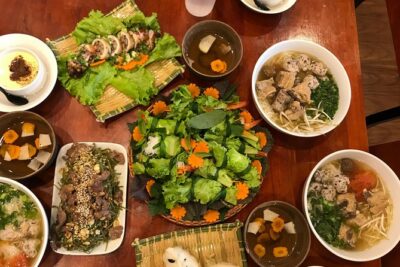
5 Traditional Dishes Hanoi Cooking Class with Market Trip
Read our review →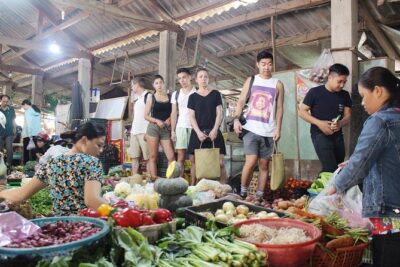
Cooking Class Hoi An:Local Market, Basket Boat, Fishing & Cooking
Read our review →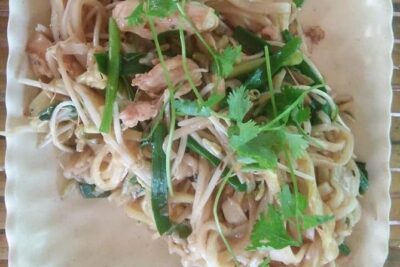
Hoi An Cooking Class(Market,BasketBoat Crabfishing&Cooking Class)
Read our review →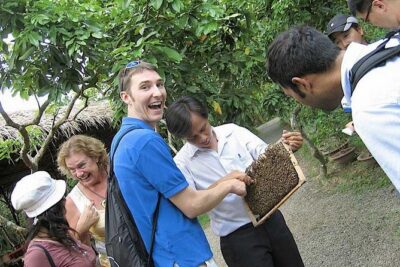
Mekong Delta Boat,Khotcake cooking Coconut Village,SmallGroup
Read our review →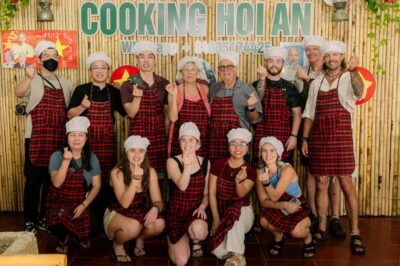
Market Tour, Basket Boat Ride and Cooking Class
Read our review →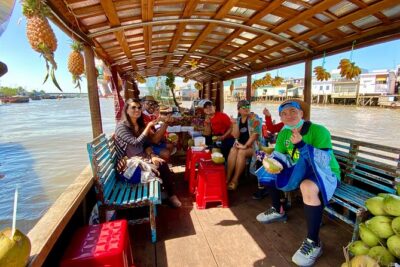
Cai Be Mekong Delta Tour: Cooking Class, Cycling & Craft Villages
Read our review →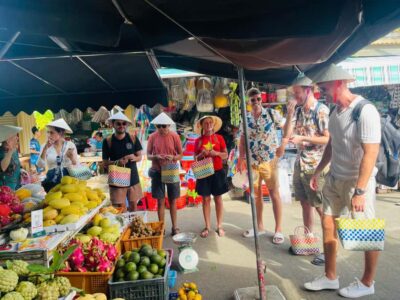
Basket Boat with Lantern-Making & Cooking Class Tour
Read our review →Browse the lists this tour appears in