
Reviewed · COFFEE EXPERIENCES
Buon Ma Thuot: Bean to Brew Coffee Farm Tour with Tasting
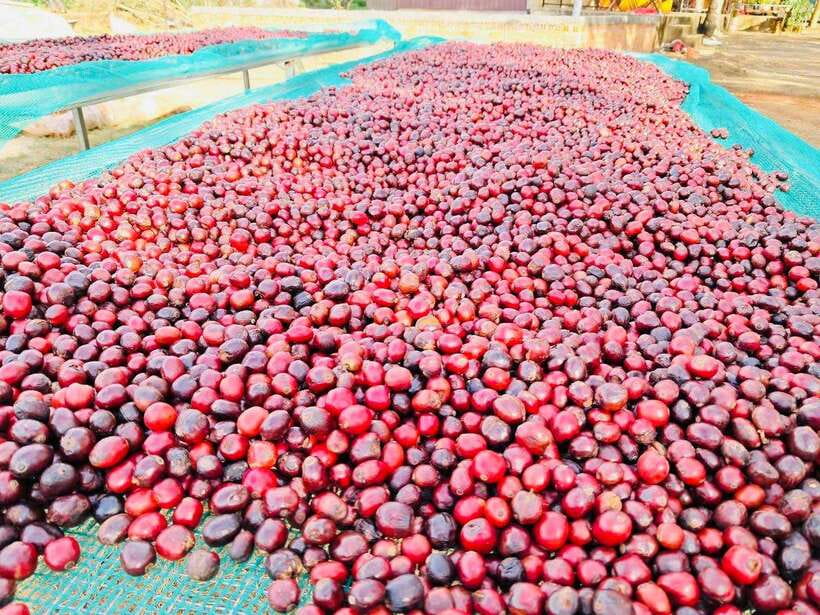
Coffee starts long before the cup. This one-hour farm visit around Ea Kao lets you see how Buon Ma Thuot’s beans go from tree care to brewing, with a specialty tasting at the end.
I particularly like the hands-on, practical focus: you walk the plantation, learn how locals manage coffee trees, and hear how different growing methods affect the crop. I also enjoy that the tasting is straightforward and real-life usable, with black or milk coffee brewed by machine or filter.
One consideration: if you come when it is not coffee harvest season, you may miss the harvesting and drying steps, since those activities only happen during that window.
In This Review
- Key highlights to look for
- Coffee Capital Lessons in One Hour
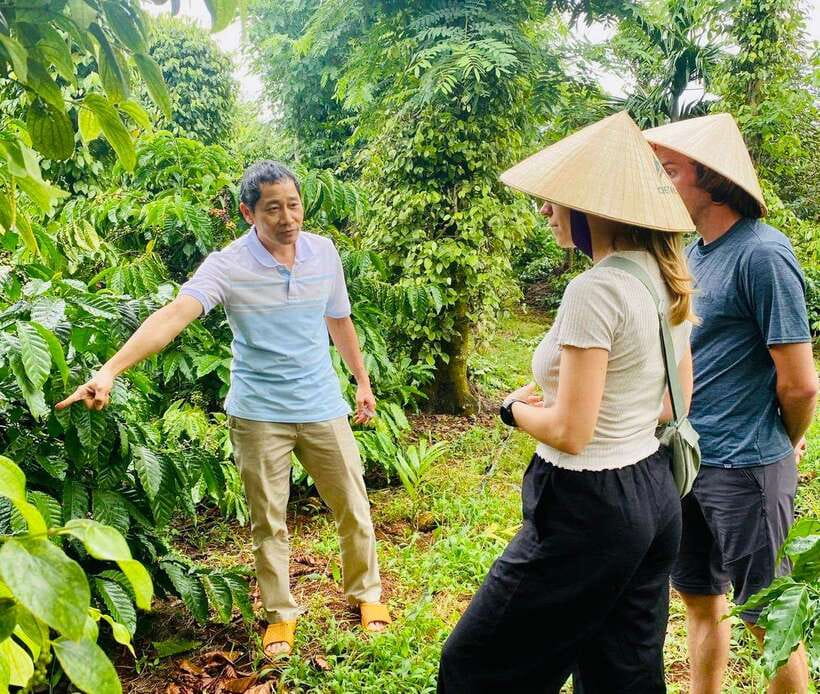
- Meeting at Ea Kao, Then Walking Into the Coffee Garden
- How Locals Care for Robusta and Arabica Trees
- From Tree to Processing, Wet-Dry Method Explained
- Organic Versus Conventional: What Changes on the Farm
- The Tasting: Black or Milk, Machine or Filter
- Price and Value: Is $18 Worth It?
- Timing Matters: What Happens Outside Harvest Season
- Who Should Book This Tour
- Should You Book Buon Ma Thuot Bean to Brew?
- FAQ
- What’s included in the Bean to Brew Coffee Farm Tour?
- How long is the tour, and what do you actually do?
- Will I see harvesting and drying on the tour?
- What kind of coffee will I taste?
- Where is the meeting point?
- Are there any restrictions during the tour?
Key highlights to look for
- Robusta and Arabica in one tour, with care steps and processing explained
- Wet-dry method of processing, including what happens after picking
- Organic vs conventional farming, explained in farm terms you can remember
- Irrigation systems, plus the role they play in dependable yields
- Coffee tasting plus aroma-first learning, including a chance to taste their beans or coffee offerings
Coffee Capital Lessons in One Hour
This tour is built for people who want more than a photo stop. You get a guided walk on a working coffee farm, then you finish with coffee you can actually compare, black or milk, machine or filter.
The farm sits about 10 km from the city center, so it feels close enough for a quick half-day plan, but far enough that you leave city noise behind. The emphasis stays on production and process, not just scenery.
You also get English and Vietnamese instruction, which is great if you speak only one language. Still, if you have specific questions about farming terms, keep them simple and ask early, so you get clear answers while you’re in the field.
More Vietnam plans to weigh
- Hanoi Jeep Tour: Food, Culture and Fun by Vietnam Army Jeep
★ 5.0 · 15,222 reviews - Ho Chi Minh City Street Food Tour & Sightseeing By Motorbike
★ 5.0 · 9,413 reviews - Hanoi Motorbike Tour: Food, Culture and Fun by Vintage Motorbike
★ 5.0 · 6,699 reviews
Meeting at Ea Kao, Then Walking Into the Coffee Garden
Your tour begins at Ea Kao, with directions sent after booking. Do yourself a favor and arrive at least 5 minutes early, because you’ll want to get oriented before you head onto the plantation paths.
Expect a short travel time from central Buon Ma Thuot and then a guided plantation experience that runs about 80 minutes. Even though the total tour duration is listed at 1 hour, that longer garden segment is exactly where the learning happens, so plan to be present and paying attention.
Once you meet your instructor, the tour rhythm is simple: walk, observe, and get explanations that tie farm tasks to quality outcomes. This is the kind of structure that makes coffee feel less mysterious.
How Locals Care for Robusta and Arabica Trees
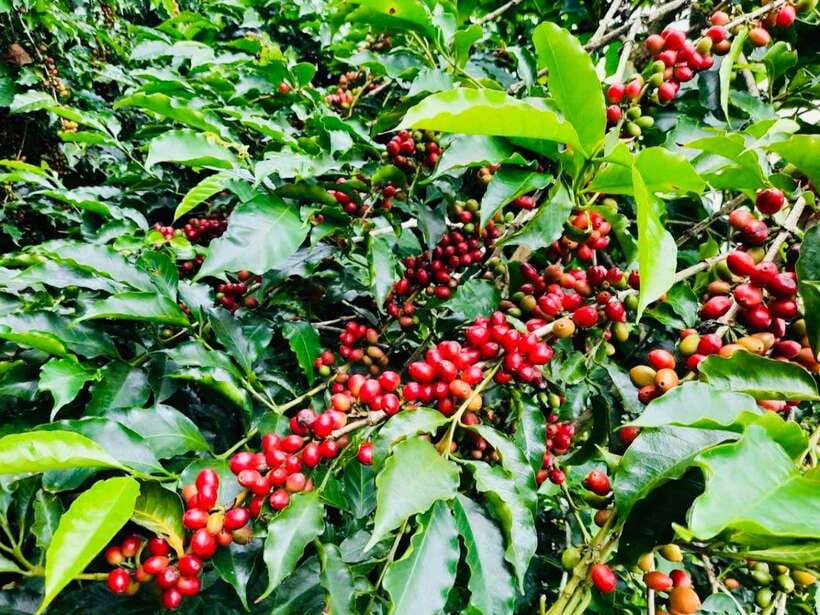
One of the most valuable parts is how you see the coffee trees as living plants, not just raw material. You’ll join the tour’s focus on essential coffee-care work, including steps like pruning and weeding, plus seasonal tasks tied to growth cycles.
You’ll also learn practical tree maintenance topics such as bud breaking and cleaning the coffee tree basin. These details matter because coffee quality is partly about consistency, not luck.
Another smart inclusion is the comparison between organic and conventional farming. You do not need a chemistry degree to understand the basic tradeoffs when someone connects farming decisions to how the crop develops and what ends up in the cup.
This is also a nice moment to ask questions you might normally skip. For example, if you’ve ever wondered why coffee from one region tastes brighter or heavier, these tree-care steps are where that story starts.
From Tree to Processing, Wet-Dry Method Explained
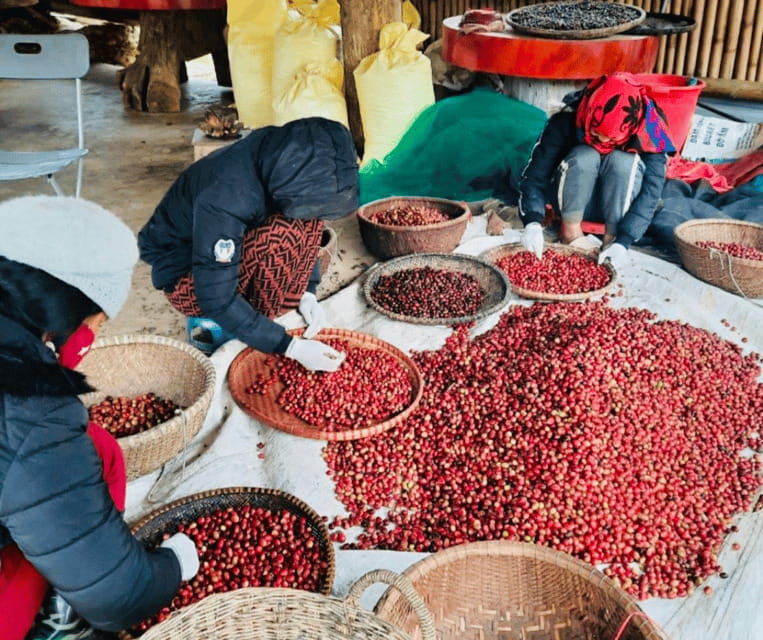
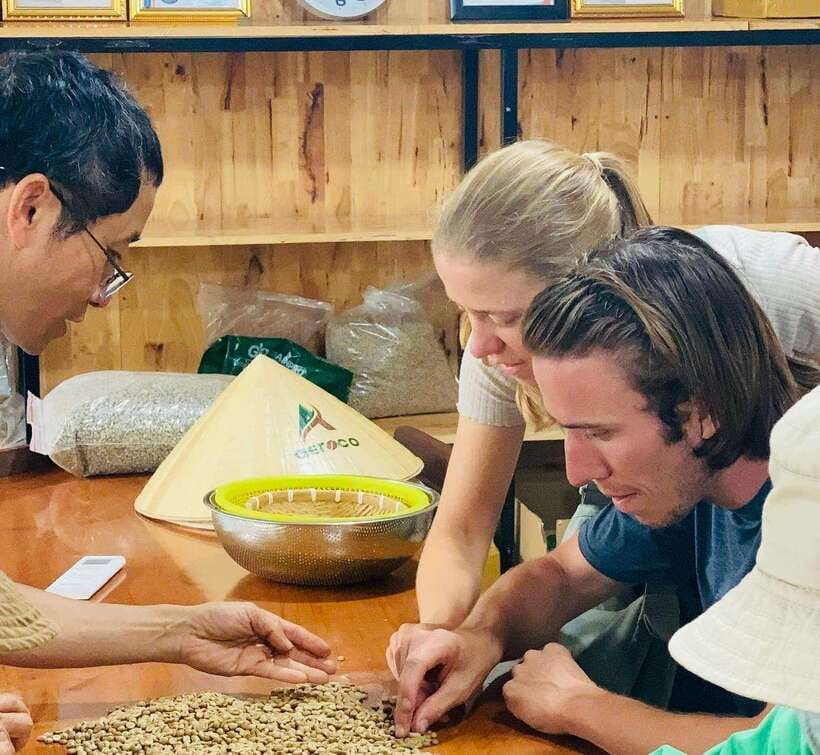
After the field care overview, you shift into processing. You’ll hear about the wet-dry method and how it shapes flavor, which is a big deal if you’re the kind of person who likes to connect the dots.
Processing is where coffee turns from “a crop” into “a product.” By understanding the sequence, you can better appreciate why two coffees can come from the same general area but still taste different.
The tour also includes an irrigation systems introduction and how traditional irrigation is used, plus the advantages of irrigation technology. If you care about why Central Highlands agriculture can be so productive, this section gives you a grounded answer.
One practical takeaway: coffee farms often run on timing and water management. When you see irrigation discussed inside a short tour, it makes the whole system feel more understandable and less romantic.
Same region, different pace:
- Cu Chi Tunnels Tour from HCM City – Morning or Afternoon
★ 5.0 · 15,833 reviews - From HCM City: Mekong Delta Tour with Sampan Journey
★ 4.5 · 13,132 reviews - Full-Day Ninh Binh Highlights Tour from Hanoi
★ 5.0 · 7,761 reviews - HCM: Cu Chi Tunnels-Tapioca Small Group Tour Morning or Afternoon
★ 5.0 · 7,485 reviews
Organic Versus Conventional: What Changes on the Farm
The organic versus conventional portion is not just marketing talk. You’ll get a clear explanation of what those labels mean in day-to-day farm decisions, and how that affects what the farm does through the seasons.
Why this matters for you as a coffee drinker: organic and conventional approaches can influence everything from soil health and pest pressure to how consistently the farm can maintain quality standards. Even if you do not obsess over certification, you can notice the effect in how people talk about cultivation practices.
This is also a good area to pay attention if you enjoy tasting with curiosity. The tasting later is more fun when you know what you are looking for, like how the farming approach might show up in aroma, sweetness, and body.
The Tasting: Black or Milk, Machine or Filter
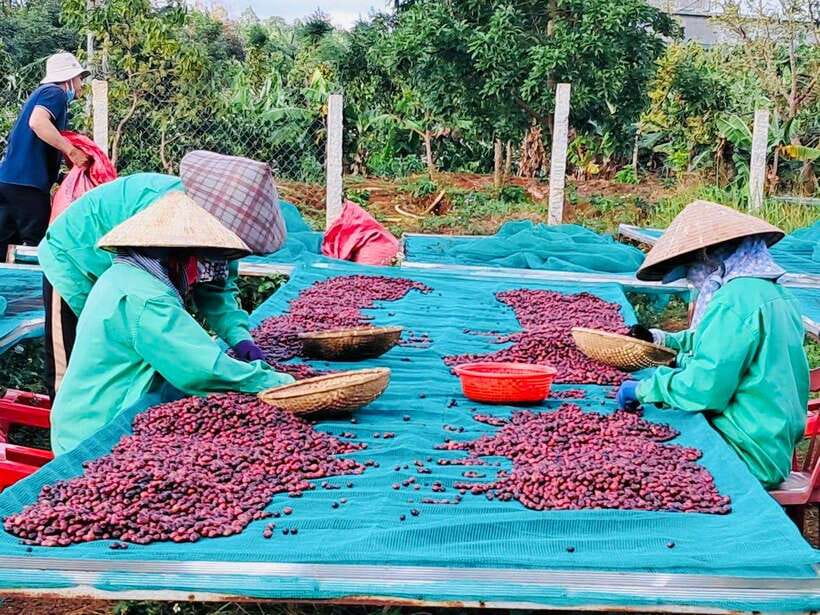
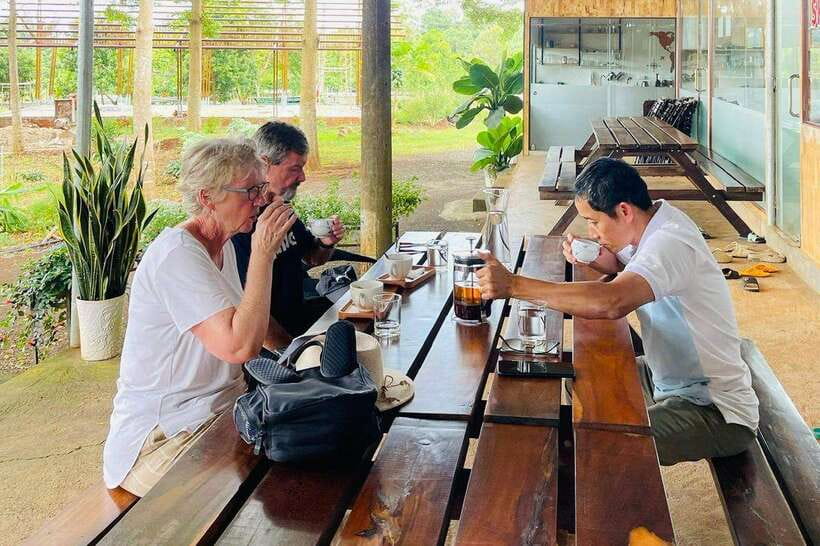
The tour ends with coffee you can judge for yourself. You’ll be able to savor a cup of black or milk coffee, brewed using either machine or filter, so you can compare styles quickly.
What I like about this approach is the variety stays practical. Instead of sending you into a complicated blind tasting, you get a real drink experience you can map to your preferences: do you like the clarity of filter, or the rounder feel that some machine-brew coffee gives?
You’ll also get a specialty tasting session that includes the chance to taste beans and coffee offerings tied to what you learned. That matters because it turns the farm story into a sensory one.
A small but important note for your expectations: the experience is designed to be informative and enjoyable, but it is still a short tour. If you want long, deep cupping sessions like a professional lab class, this is not that format.
Price and Value: Is $18 Worth It?
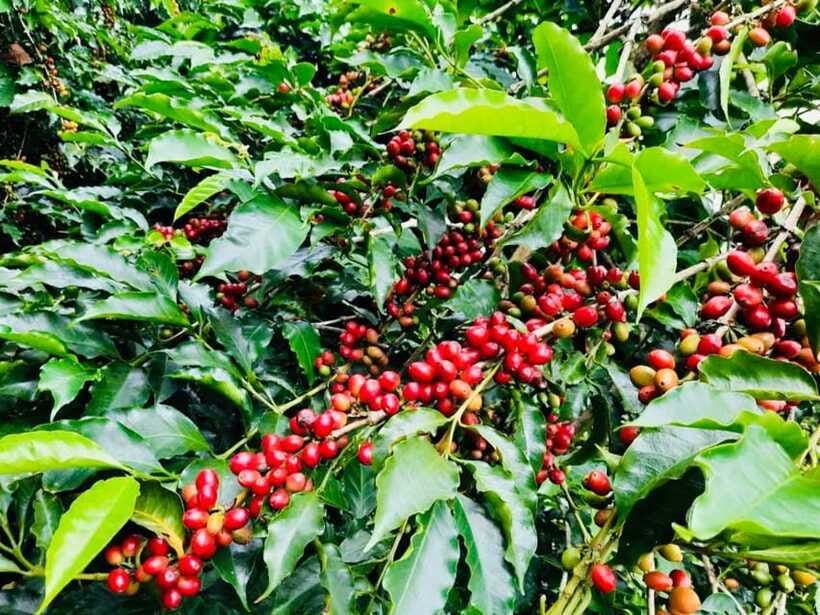
At $18 per person, the value here comes from the mix of farm education plus a drink you do not need to pay extra for. You’re not only paying for walking around a plantation; you’re paying for guided explanations of tree care, processing, and farming approaches.
You also get included costs, which keeps the “what else might I pay” anxiety down. The tasting is part of the deal, so your $18 feels anchored.
Compared with many quick coffee stops, the strongest value is that you cover both Robusta and Arabica and link growing tasks to processing. That’s a lot of content for a one-hour experience.
Timing Matters: What Happens Outside Harvest Season
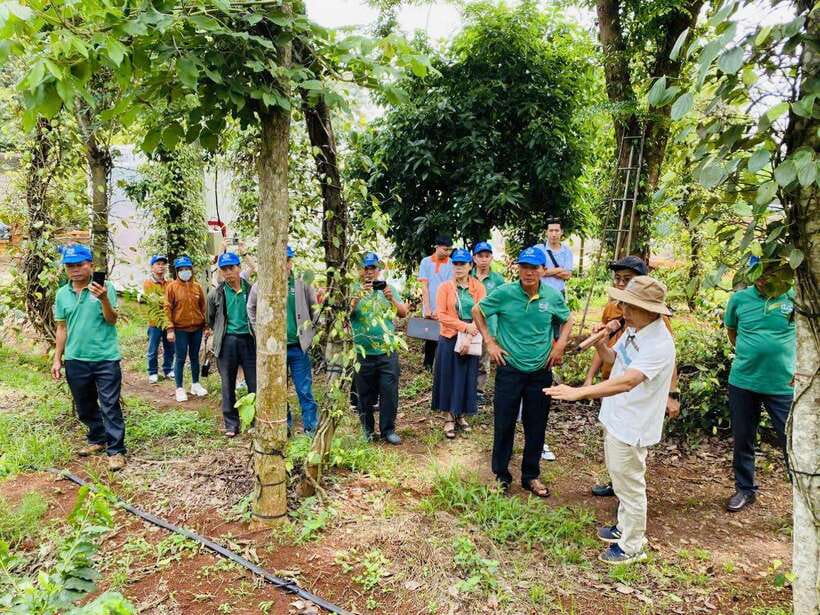
If you join during a time when harvesting is not happening, you may not see harvesting and drying activities. The tour still proceeds with other parts, but the most “hands-on harvest” moments are tied to the harvest window.
So if you specifically want to watch pick-to-dry steps, check the timing before you book. If your goal is mainly education on processing and tree care, the tour still offers plenty, even when harvest is off.
Also note the tour does not include sun protection items. In Buon Ma Thuot’s warm conditions, bring your own hat or sunscreen so you can enjoy the garden walk without feeling cooked.
Who Should Book This Tour
This is a great fit if you:
- Want a clear, field-based explanation of how coffee gets made
- Like learning about both Robusta and Arabica
- Prefer a practical tasting that connects to the process you just saw
- Are short on time and still want more than a basic coffee tasting
If you’re a coffee professional or you want advanced lab-style cupping, you might find the structure a bit lighter. But for most people, it hits the sweet spot between approachable and genuinely informative.
Should You Book Buon Ma Thuot Bean to Brew?
If you want a one-hour experience that treats coffee as a real production story, I think you should book this tour. The best reason is the pairing of farm care knowledge with a tasting that lets you taste what the farm work is trying to produce.
Before you go, do two things: arrive a few minutes early at Ea Kao with your directions ready, and bring sun protection since it’s not provided. If you do those, you’ll get a smooth, satisfying tour that leaves you with better coffee questions and better coffee taste.
FAQ
What’s included in the Bean to Brew Coffee Farm Tour?
You’ll get expert guidance on coffee farming and processing, plus a specialty coffee tasting session. All included costs are covered in the plan, while personal expenses are not.
How long is the tour, and what do you actually do?
The tour is listed as 1 hour, and the guided visit to the coffee plantation lasts about 80 minutes. You’ll walk through the farm to learn about coffee cultivation, then you’ll receive an overview of processing and finish with tasting.
Will I see harvesting and drying on the tour?
Harvesting and drying activities happen only during the coffee harvest season. If you join outside that season, those specific steps may not occur, but other parts of the tour still run.
What kind of coffee will I taste?
You can taste black or milk coffee, brewed by machine or filter. The tasting is part of the specialty session included in the tour.
Where is the meeting point?
The meeting point is Ea Kao. After booking, you’ll receive a confirmation email with directions to the specific location and the instructor’s contact details.
Are there any restrictions during the tour?
Yes. Alcohol and drugs are not allowed, and making fire is not allowed during the activity.
New listings around Vietnam
- 2Days-1Night Halong Bay Luxury Genesis Regal Cruises★ 4.5 · 39 reviews
- 20-Day Vietnam Itinerary | Discovery and Beach Relaxation★ 5.0 · 18 reviews
- 3 Day 2 Night Trek★ 5.0 · 18 reviews
- La Regina 2 days tour in Halong Bay & Bai Tu Long Bay – 4 star★ 5.0 · 61 reviews
- 21-Day Vietnam Itinerary Explore North to South Highlights★ 5.0 · 16 reviews
- Full-Day Hop On Hop Off Bus Tour in Hanoi★ 4.0 · 12 reviews
- 2 Days Ha long Sapphire Cruise★ 5.0 · 45 reviews
- 2 Weeks Vietnam and Cambodia – Super Saving – Amazing Experience★ 5.0 · 20 reviews
Coffee Experiences, compared.

Vietnamese Coffee Culture and Coffee Making Class
Read our review →
Hanoi Coffee Experience: 6 Brews, 9 Recipes & 3 Liquor Tastings
Read our review →
Hanoi Coffee Workshop: Taste Salt, Coconut and Egg Coffee
Read our review →
Salt Coffee Workshop Awake Your Senses With 6 Brews
Read our review →
Early Morning My Son Sanctuary Trip w. Champa Food & Coffee
Read our review →

Da Nang Cooking Class with Coffee Tasting and Market Visit
Read our review →Browse the lists this tour appears in