
Reviewed · COOKING CLASSES
5 Dishes Cooking Class with Market Trip in Da Nang
Da Nang tastes better with a shopping list. This 4-hour class starts at Chợ Bắc Mỹ An, so you learn ingredients first, not last. I really like the hands-on cooking of five Da Nang favorites, and I also like that the teacher can answer questions you have about substitutions back home. One thing to factor in, though, is timing can depend on how smoothly the class schedule runs, so arriving a little early helps.
For $39 per person, you get more than a meal. You’ll shop, cook five dishes, eat together, and leave with a cookbook plus a certificate, plus a shared pour of homemade rice vodka. The group stays small (maximum 30), which makes it easier to ask questions and keep the pace comfortable.
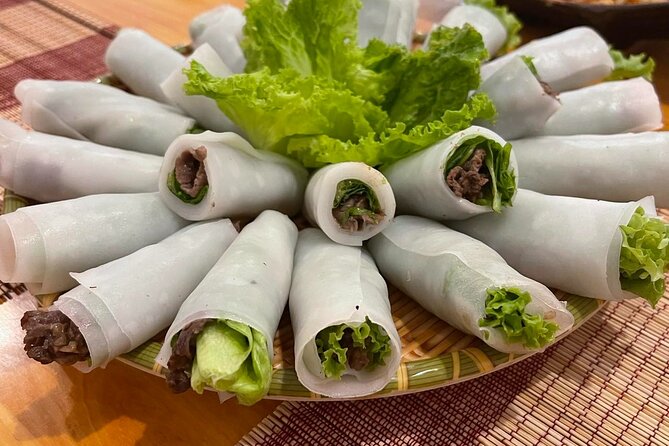
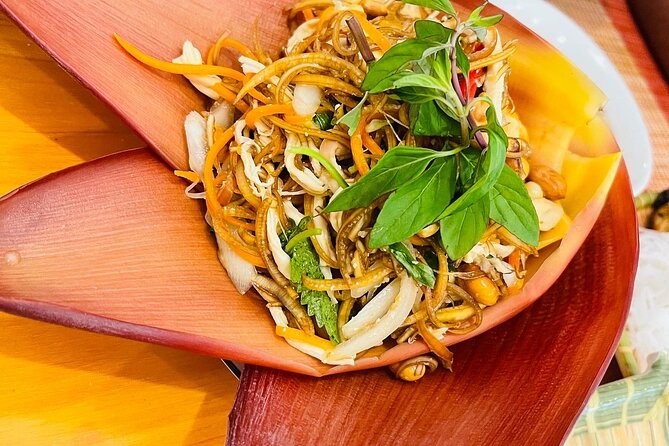
You’ll cook Bánh Xèo, Bun Bo Huế, Hoi An fresh roll, young jackfruit salad, and avocado ice-cream. It’s a strong choice if you want practical skills you can actually repeat, not just photos and memories.
In This Review
- Key Highlights You’ll Feel Right Away
- Why This Da Nang Cooking Class Starts at Chợ Bắc Mỹ An
- Meeting Point and Timing: Arrive 15 Minutes Early
- The Market Trip: What You Learn (and How It Helps at Home)
- Cooking Five Da Nang Favorites in One Afternoon
- 1) Bánh Xèo: Learn the Savory Pancake Logic
- 2) Bun Bo Huế: Spicy Noodle Balance
- 3) Hoi An Fresh Roll: Wrapping and Freshness
- 4) Young Jackfruit Salad: Sour, Crunch, and Dressing Control
- 5) Avocado Ice-Cream: Finish With a Sweet, Practical Skill
- The Meal, Homemade Rice Vodka, and Take-Home Materials
- How Instructors and Group Size Change the Experience
- Dietary Needs and Ingredient Flexibility
- Price and Value Check: Is $39 Worth It?
- What to Bring (and What to Expect Comfort-Wise)
- Who This Class Fits Best
- Should You Book This Da Nang Market-to-Kitchen Class?
- FAQ
- FAQ
- How long is the cooking class?
- How much does it cost?
- Where does the tour start?
- What market do you visit?
- What dishes will I learn to cook?
- Do we eat the food we cook?
- Is homemade rice vodka included?
- Is the group size small?
- Can the class accommodate vegetarian, vegan, or allergies?
- Do I get anything to take home?
- Can I cancel for a full refund?
Key Highlights You’ll Feel Right Away
- Market-to-kitchen flow at Chợ Bắc Mỹ An, with ingredient tips you can reuse at home
- Five-dish program built around real Da Nang flavors, not a random mix
- Hands-on instruction with instructors such as Jenny and Chef Bora mentioned for clear, patient teaching
- Shared meal setup, including homemade rice vodka, so you taste what you make
- Take-home materials: a cookbook and certificate to remember the steps
Why This Da Nang Cooking Class Starts at Chợ Bắc Mỹ An
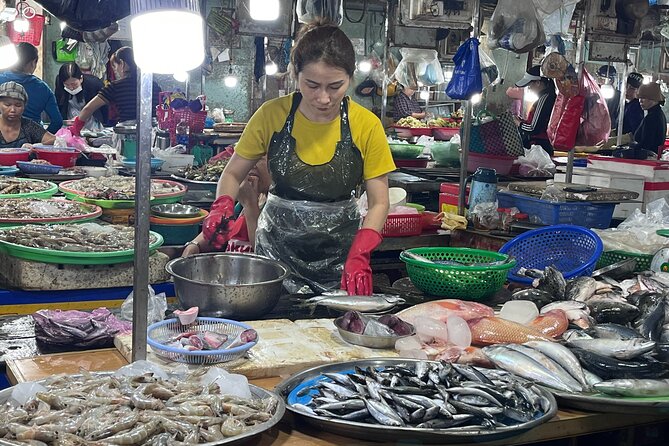
The smartest part here is that the class doesn’t begin with a cutting board. It begins in Chợ Bắc Mỹ An, a local market area where you can see ingredients in context. That order matters because Vietnamese cooking is often about balance: herbs vs. sweet, acid vs. salt, hot elements vs. cooling ones. When you understand what an ingredient is and where it fits, the dish makes more sense later.
You’ll meet at 07 Nguyễn Bá Lân (Bắc Mỹ An, Ngũ Hành Sơn, Đà Nẵng) about 15 minutes before the start time. From there, you head to the market nearby to shop and learn. Even if you don’t plan to cook everything later, you’ll leave with a clearer sense of what’s commonly used and how flavors are built.
More Cooking Classes in Da Nang
- Da Nang Authentic Home Cooking Class
★ 5.0 · 354 reviews - 5 traditional dishes Da Nang cooking class with market trip
★ 5.0 · 331 reviews - Da Nang Cooking Class with Coffee Tasting and Market Visit
★ 5.0 · 310 reviews
Meeting Point and Timing: Arrive 15 Minutes Early
This is a short class, about 4 hours total, so the schedule is the whole game. The meetup point is specific: 07 Nguyễn Bá Lân, and you’re expected at least 15 minutes early. If you’re coming by public transportation, that early buffer helps you handle the small stuff: finding the exact spot, grabbing water, and settling your group.
A practical caution: one experience noted that a delay can shift the plan. That doesn’t mean it always happens, but it’s enough to suggest a simple strategy. If you have another plan right after, keep it flexible, or schedule dinner later that evening.
The Market Trip: What You Learn (and How It Helps at Home)
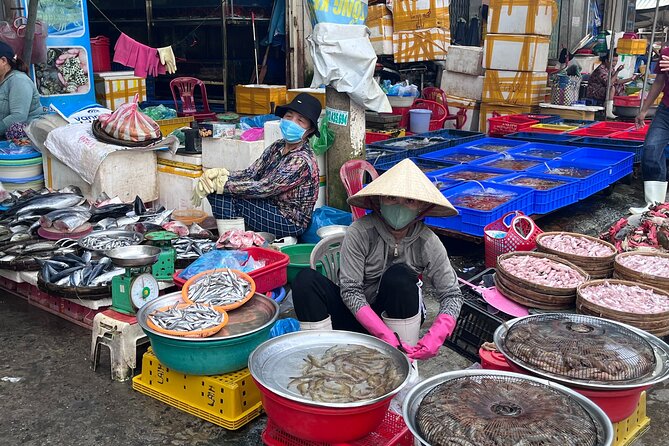
You’re not just picking up ingredients like a grocery run. The market trip is designed to teach you what you’re working with and how to replace things later. That’s a big deal if you’re not living in Vietnam.
Here’s what you can realistically take away from a market-first approach:
- You see common produce and herbs, so you know what a dish expects in terms of texture and smell.
- You learn which ingredients are essential and which can be substituted, depending on what you can find.
- You get a better sense of cooking ratios, even without measuring spoons, because you understand ingredient forms and sizes.
During the class, you’ll cook dishes that rely on fresh herbs and specific textures. If you’ve only ever seen Vietnamese food in restaurants, you might not realize how much the raw ingredients matter. This portion helps you connect the dots before you start mixing anything.
Also, you’re shopping in a real local area, not a staged “tour market.” That usually means more variety, less hand-holding, and more opportunity to learn what people actually buy.
Cooking Five Da Nang Favorites in One Afternoon
Once you return to cook, you’ll focus on five dishes. The key word is focus. Instead of sampling many small items, you make the real core set, then eat what you made. That structure makes the afternoon feel like progress rather than wandering.
More Da Nang plans to weigh
- Hoi An: Lantern Making, Basket Boat, and Cooking Class
★ 4.9 · 233 reviews - DaNang Farm-to-Table Cooking Class with Market and Coffee Tasting
★ 5.0 · 131 reviews - Market Tour, Basket Boat Ride & Cooking Class by Hangcoconut
★ 4.8 · 95 reviews - Home Cooking Class: Market, Garden and cooking 4 dishes
★ 5.0 · 61 reviews
1) Bánh Xèo: Learn the Savory Pancake Logic
Bánh Xèo is one of those Vietnamese foods that seems simple until you try to get it right. In class, you’ll learn the main steps behind the batter-and-fill concept. What you’re really studying is how the pancake layer should behave and how fillings fit into the final bite.
This dish is a great starter because it teaches technique and timing. If you later make it at home, you’ll remember the difference between a pancake that’s just cooked and one that’s pleasantly crisp with a soft interior.
2) Bun Bo Huế: Spicy Noodle Balance
Bun Bo Huế is a hearty bowl, known for its bold flavor and heat. In the class setting, you’ll work on the pieces that build that profile and learn how everything connects in one bowl. Even if your homemade version won’t match a restaurant broth perfectly, you’ll understand what makes it taste like Bun Bo Huế.
The best value of learning this one in a class is learning how spicy elements and aromatic herbs work together. When you know that relationship, adjusting heat at home becomes much easier.
3) Hoi An Fresh Roll: Wrapping and Freshness
For the fresh rolls, the skill is all about assembly and freshness. You’ll work through the key steps so the roll holds together without turning gummy or falling apart. Fresh roll technique matters because it’s not just about taste, it’s about mouthfeel.
This is also one of the dishes that makes the market trip click. If you used the market to understand which herbs and vegetables were meant for this style of roll, you’ll make smarter choices at your local store later.
4) Young Jackfruit Salad: Sour, Crunch, and Dressing Control
Young jackfruit salad leans on texture. You want crunch, plus that sweet-sour edge that makes Vietnamese salads addictive. In class, you’ll learn how to prepare and combine the salad so the dressing behaves and coats the ingredients.
This dish is a solid “home cook win,” because it’s usually faster than complex noodle dishes and it scales well for sharing.
5) Avocado Ice-Cream: Finish With a Sweet, Practical Skill
Ending with avocado ice-cream is a fun pivot away from savory cooking. You’ll learn how to turn ripe avocado into a creamy dessert. It also gives you a different kind of cooking confidence: you practice measuring and blending steps that you can repeat without a ton of special equipment.
The practical takeaway: once you learn how to build a creamy texture, you can often adapt that idea into other fruit-based desserts.
The Meal, Homemade Rice Vodka, and Take-Home Materials
After the cooking, you’ll eat together. That matters more than it sounds. When you taste the dishes right after cooking, you can connect your choices to results. If something was too salty, too mild, or lacking that herbal snap, you’ll understand where it came from.
The class also includes homemade rice vodka with the meal. You’re not required to treat it like a cocktail. Think of it as part of the shared food experience, served with the meal you just made. If you don’t drink alcohol, you should still be able to enjoy the rest of the program, but you can ask in advance if you want to avoid it.
At the end, you receive a cookbook and a certificate. The cookbook is the useful part for most people. It gives you a roadmap to recreate the dishes without trying to remember every step from scratch. The certificate is just a nice souvenir, but it also signals that the class is structured, not casual cooking “tourist theater.”
How Instructors and Group Size Change the Experience
This class caps at 30 travelers, which is large enough to keep costs down but small enough that most people can still get attention. In cooking classes, the real question is not how enthusiastic the food is. It’s whether you can get help when something isn’t working.
Based on instructor names mentioned for strong teaching, you may work with teachers like Jenny or Chef Bora, both described for careful explanations and clear instruction. In practice, what you want from a good instructor is simple: they should show you what matters and why, not just list steps.
English comfort can vary by instructor. If that is important to you, choose this type of class anyway, but consider confirming your needs during booking, especially if you have dietary restrictions.
Dietary Needs and Ingredient Flexibility
This is one of the more practical features: the class can cater for vegetarian, vegan, and allergies if you mention it in special requests when booking. That’s important because Vietnamese dishes often rely on fish sauce, shrimp, or other animal ingredients. The ability to adjust the menu means you’re not stuck guessing what you can safely eat.
Also, the market portion helps here. When you learn what an ingredient does, you can understand why a replacement works or doesn’t. That makes dietary adjustments more logical and less stressful.
Price and Value Check: Is $39 Worth It?
At $39 per person, this is a pretty fair price for a 4-hour, guided market-and-cook experience that includes:
- market shopping and ingredient learning
- hands-on cooking for five dishes
- a shared meal, including homemade rice vodka
- a cookbook and certificate
The value comes from the combination. You’re paying not only for the food, but for instruction and context. If you tried to copy this alone, you’d spend time figuring out ingredients, substitutions, and technique, and you’d still risk making something that looks right but tastes off.
If you’re traveling on a budget, this is one of the rare “not too expensive, actually useful” activities. You come away with skills, not just a single meal.
What to Bring (and What to Expect Comfort-Wise)
The tour includes market time and cooking time, so comfortable shoes and a small bag help. You’ll likely be standing for parts of the market visit. You also want a way to keep track of notes for later, especially because the class focuses on five specific dishes.
If you’re sensitive to strong smells, markets can be intense at times. The upside is that you learn how ingredients smell and behave in real life, so you won’t be surprised later when you cook.
If you have a tight schedule, be ready for the class to be the main event. It ends back at the meeting point, so you can plan your next stop around that.
Who This Class Fits Best
This is a good match if:
- you want hands-on cooking rather than just eating
- you like learning why dishes work, not only how they taste
- you’re interested in Da Nang classics and want to cook them at home
- you have at least a basic interest in Vietnamese flavors like herb, sour elements, and noodle bowls
If you prefer private instruction or very fast, ultra-flexible scheduling, you might want a different format. But for a group class that’s structured, ingredient-focused, and skill-building, this checks a lot of boxes.
Should You Book This Da Nang Market-to-Kitchen Class?
If you want a meaningful half-day food experience that gives you repeatable skills, I’d say yes, book it. The standout strength is the pairing of Chợ Bắc Mỹ An market learning with cooking five dishes that reflect Da Nang’s food identity. The class also feels grounded in practical help, from ingredient choices to substitutions you can make back home.
Book it especially if you like the idea of leaving with a cookbook and certificate, and if you want to spend your time making food instead of just tasting it. Just plan your day with some flexibility in case the schedule runs a bit late, and arrive 15 minutes early at the meetup point so you start smoothly.
FAQ
FAQ
How long is the cooking class?
The cooking class is about 4 hours.
How much does it cost?
It costs $39.00 per person.
Where does the tour start?
Meet at 07 Nguyễn Bá Lân, Bắc Mỹ An, Ngũ Hành Sơn, Đà Nẵng 550000, Vietnam, about 15 minutes before the start time.
What market do you visit?
You visit the market nearby, Chợ Bắc Mỹ An.
What dishes will I learn to cook?
You will cook Bánh Xèo, Bun Bo Hue, Hoi An fresh roll, young jackfruit salad, and avocado ice-cream.
Do we eat the food we cook?
Yes. You have the meal together after cooking.
Is homemade rice vodka included?
Yes, the meal includes some homemade rice vodka.
Is the group size small?
Yes, the class has a maximum of 30 travelers.
Can the class accommodate vegetarian, vegan, or allergies?
Yes. Vegetarian, vegan, and allergy accommodations are available if you mention your needs in special request when booking.
Do I get anything to take home?
Yes. You receive a cook book and a certificate.
Can I cancel for a full refund?
You can cancel for a full refund if you cancel at least 24 hours before the experience starts.
More Shopping Tours in Da Nang
- Da Nang: Making 5 Vietnamese dishes with Local Market Trip
★ 4.9 · 36 reviews - From Da Nang: Hoi An Old Town Tour, Night Market & Boat Ride
★ 4.5 · 35 reviews - Guided Tour to Marble Mountain &HoiAn City-BoatRide-Night Market
★ 5.0 · 23 reviews - Private luxury Ba Na Hills & Hoi An Walking Tour, Night Market
★ 5.0 · 22 reviews
More Markets in Da Nang
- Guided Tour to Marble Mountains & Hoi An Walking Tour , Night Market, Boat Ride
★ 5.0 · 218 reviews - Hoi An Night Market with Hoi an walking Tour , Colourful Lanterns, Boat Ride
★ 5.0 · 142 reviews - Marble Mountain – Hoi An Colour Lanterns & Night Market from DN
★ 5.0 · 67 reviews - Da Nang By Night: Seafood dinner, night market and cruise trip
★ 5.0 · 38 reviews
New listings around Da Nang
- DANANG Airport to Hoi An CITY OR RETURN By Private Car★ 5.0 · 16 reviews
- the Finest of Hoi An★ 5.0 · 55 reviews
- Your Incredible Scooter Adventure On Hai Van Pass★ 5.0 · 67 reviews
- Private car from Danang to Hoi An★ 5.0 · 20 reviews
- Four-Hands Harmony (Perfect · Synchronized · Flow)★ 5.0 · 78 reviews
- Transfer from Danang/Airport/Transtation to Hoi An by Private Car★ 5.0 · 9 reviews
- Tasty Dinner Han River Dragon Cruise by Yatch & Tradictional Show★ 4.0 · 11 reviews
- Walking Food Tour of Da Nang★ 5.0 · 9 reviews
Cooking Classes, compared.

Hanoi Cooking Class: Culture, Local Market & Meaning CSR Impact
Read our review →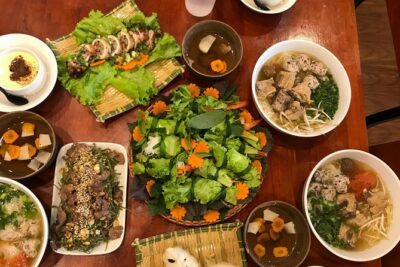
5 Traditional Dishes Hanoi Cooking Class with Market Trip
Read our review →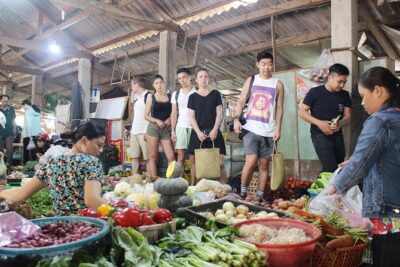
Cooking Class Hoi An:Local Market, Basket Boat, Fishing & Cooking
Read our review →
Hoi An Cooking Class(Market,BasketBoat Crabfishing&Cooking Class)
Read our review →
Mekong Delta Boat,Khotcake cooking Coconut Village,SmallGroup
Read our review →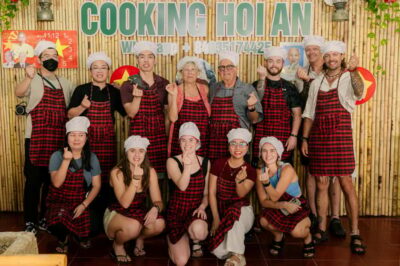
Market Tour, Basket Boat Ride and Cooking Class
Read our review →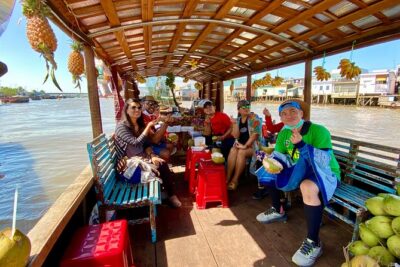
Cai Be Mekong Delta Tour: Cooking Class, Cycling & Craft Villages
Read our review →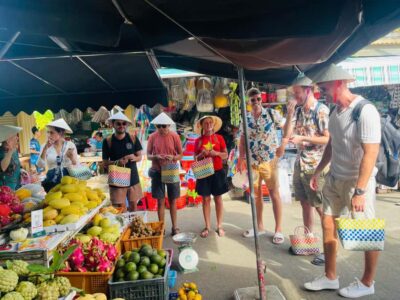
Basket Boat with Lantern-Making & Cooking Class Tour
Read our review →Browse the lists this tour appears in